

MVHR installers in Lincolnshire
We install MVHR across Lincolnshire from our base in Skegness. It gives an airtight home fresh air without throwing the heat out of the wall, and every system is designed around the building and commissioned to measured airflows.
Heat recovery for airtight new builds.
- New build installation
- Ductwork design
- Commissioning and balancing
- Filter changes and servicing
How we work
- 1SurveyDuct routes and the unit position depend on the structure, so somebody visits before anything is priced.
- 2DesignTerminal positions and duct sizes are settled on a drawing, which is where the system will be quiet or not.
- 3First fixOn a new build the duct routes go in alongside the rest of the first fix, not after it.
- 4CommissioningEvery terminal measured and balanced, and the commissioning sheet handed over with the paperwork.
Why airtight new builds need mechanical ventilation
A modern new build is sealed to a standard an older house never reaches. That is excellent for heating bills and poor for air quality, because the draughts that used to change the air in a room have been designed out. Cooking, showering, drying washing and breathing put several litres of water into the air of an average home every day, and with nowhere to go it lands on the coldest surface and turns into mould.
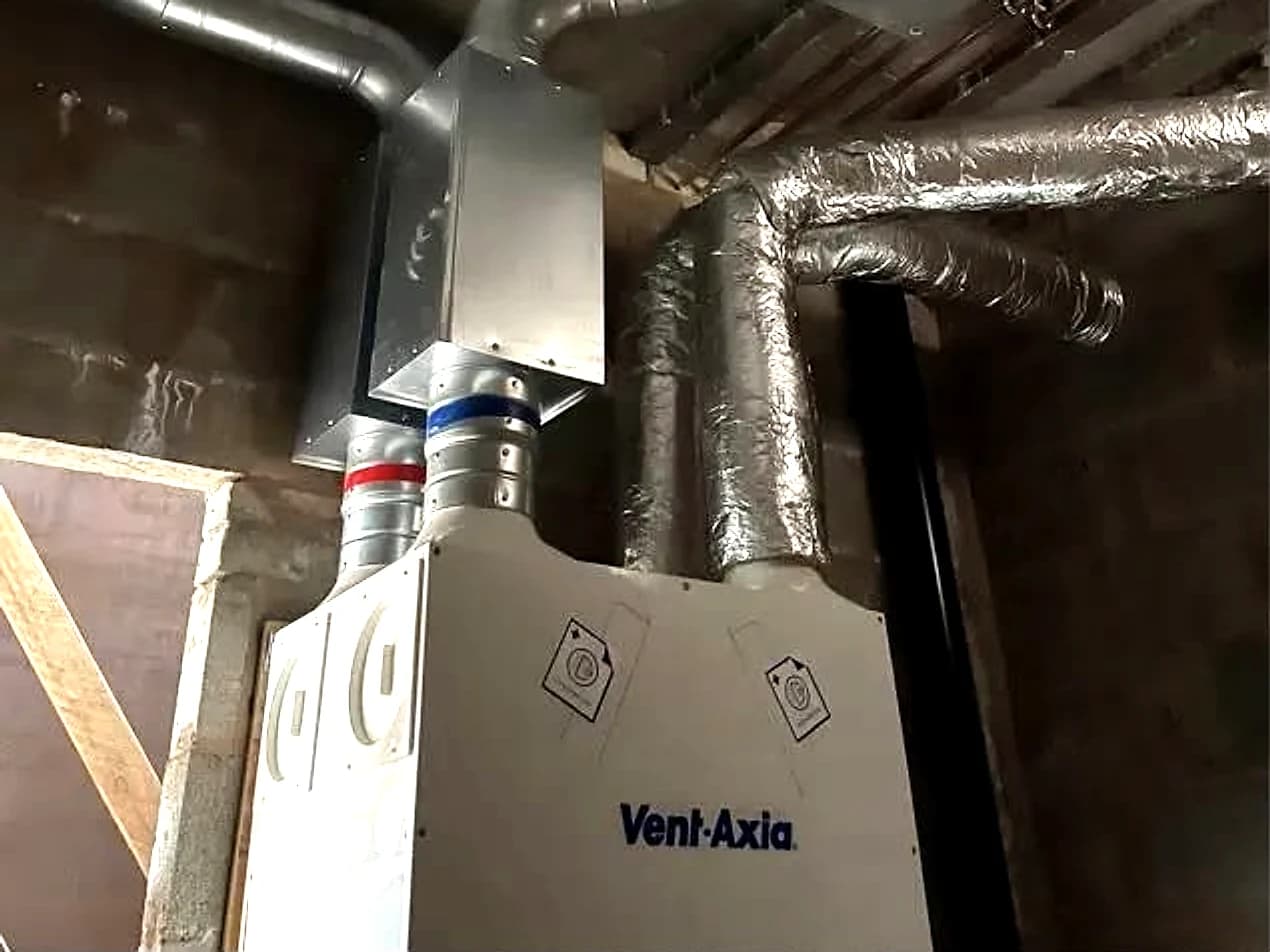
MVHR deals with that by running continuously instead of in bursts. Damp, stale air is extracted from kitchens, bathrooms and utility rooms, fresh air is supplied to bedrooms and living rooms, and the two streams pass through a heat exchanger where the outgoing air warms the incoming air without ever mixing with it. A decent unit recovers most of that heat, so the house gets a full air change without the warmth going straight out through the wall.
It also filters what comes in, which matters more than people expect out in the arable country inland, where dust and pollen at harvest are a real nuisance. Windows can stay shut on a bad day and the house still breathes properly, which is not something an extract fan and a trickle vent can honestly claim.
The credential to ask for is not MCS
The Microgeneration Certification Scheme covers solar PV, solar heating, heat pumps, biomass, wind, hydro, micro CHP and battery storage. Ventilation is not on that list, so there is no such thing as an MCS certified MVHR installer, and a firm implying otherwise has misread its own accreditation. We are MCS certified for our solar and battery work, which is what makes those systems eligible for export payments. On a ventilation job it tells you nothing.
What counts is competence in domestic ventilation. Approved Document F of the Building Regulations governs ventilation in homes, and the system has to be commissioned by someone competent to do it, either through a competent person scheme covering domestic ventilation or by satisfying building control directly. NICEIC, NAPIT and BPEC are among the bodies that run those schemes, so ask which one an installer holds for ventilation specifically, because an electrical registration covers different work.
Ductwork design decides whether it works
The unit itself is the easy part. Most disappointing MVHR systems are let down by their ductwork, and ductwork is designed at first fix or not at all. Runs want to be as short and as straight as the building allows, with radiused bends instead of tight ones, correctly sized duct throughout, and no flexible hose pressed into service as a way out of an awkward corner. Every unnecessary bend is resistance, and resistance turns into fan noise.
Duct running through an unheated loft has to be insulated or it will sweat through the winter and drip through a ceiling. Attenuators go on the supply and extract branches near the unit so it cannot be heard from a bedroom, and cross talk between rooms is designed out instead of discovered after the plasterboard goes on. It pays to have us involved before the joists are covered, because retrofitting duct into a finished house is expensive and never as good.
Rigid duct belongs on the main runs. Flexible duct has a place in short final connections to a diffuser and at the unit itself, where it stops vibration reaching the structure, but used for whole runs its corrugated bore adds resistance nobody can calculate, and the system ends up audible in the bedrooms and feeble in the bathroom. New duct is cleaned before commissioning too, or its manufacturing debris is sitting in the filters within a fortnight.
Commissioning, filters and when to skip MVHR
A system that has not been commissioned is not a finished system. Every valve is measured and adjusted until supply and extract flow rates match the design and the whole house is balanced, and those figures are recorded for building control. You should be handed that record, the measured airflow at every terminal taken with an anemometer and written down, not a note saying the unit was left on speed two, and it is worth asking to see one from a recent job before you sign anything. Out of balance, the property sits either under or over pressure, and it will feel draughty or smell stale depending which way it went. Neither is a fault with the unit.
After that it needs filters and very little else. Two changes a year is the usual pattern, more if you are near a busy road or a field that gets harvested, and a clogged filter costs you both airflow and efficiency long before anyone notices. We handle that servicing alongside a check of the heat exchanger, the condensate drain and the fan speeds.
If the building is not genuinely airtight, MVHR is the wrong system. In a leaky older house it cannot recover heat from air that is escaping through the fabric anyway, and the money is better spent on the fabric first, with good extract fans or a single room heat recovery unit where the moisture is produced. Fitting a whole house system into a draughty building only buys you a filter bill.
Where MVHR earns its place in a Lincolnshire home
Many homes in rural Lincolnshire sit off the gas grid and are heated by oil, LPG or electricity. When heat is expensive, recovering it instead of pushing it out through a trickle vent is worth more with every unit, which is the same arithmetic that makes airtightness worth chasing in the first place.
The county also has a lot of agricultural conversions and deep plan bungalows, where rooms sit a long way from an opening window. Once one of those has been made genuinely airtight, opening a window in one room does nothing for the air in another, and whole house ventilation earns its keep. Eastern England is one of the drier parts of the country, but showers, cooking and drying washing indoors through a winter put the same water into the air here as anywhere. On the coast the intake and exhaust terminals need siting and specifying with salt air in mind.
MVHR ventilation guides.
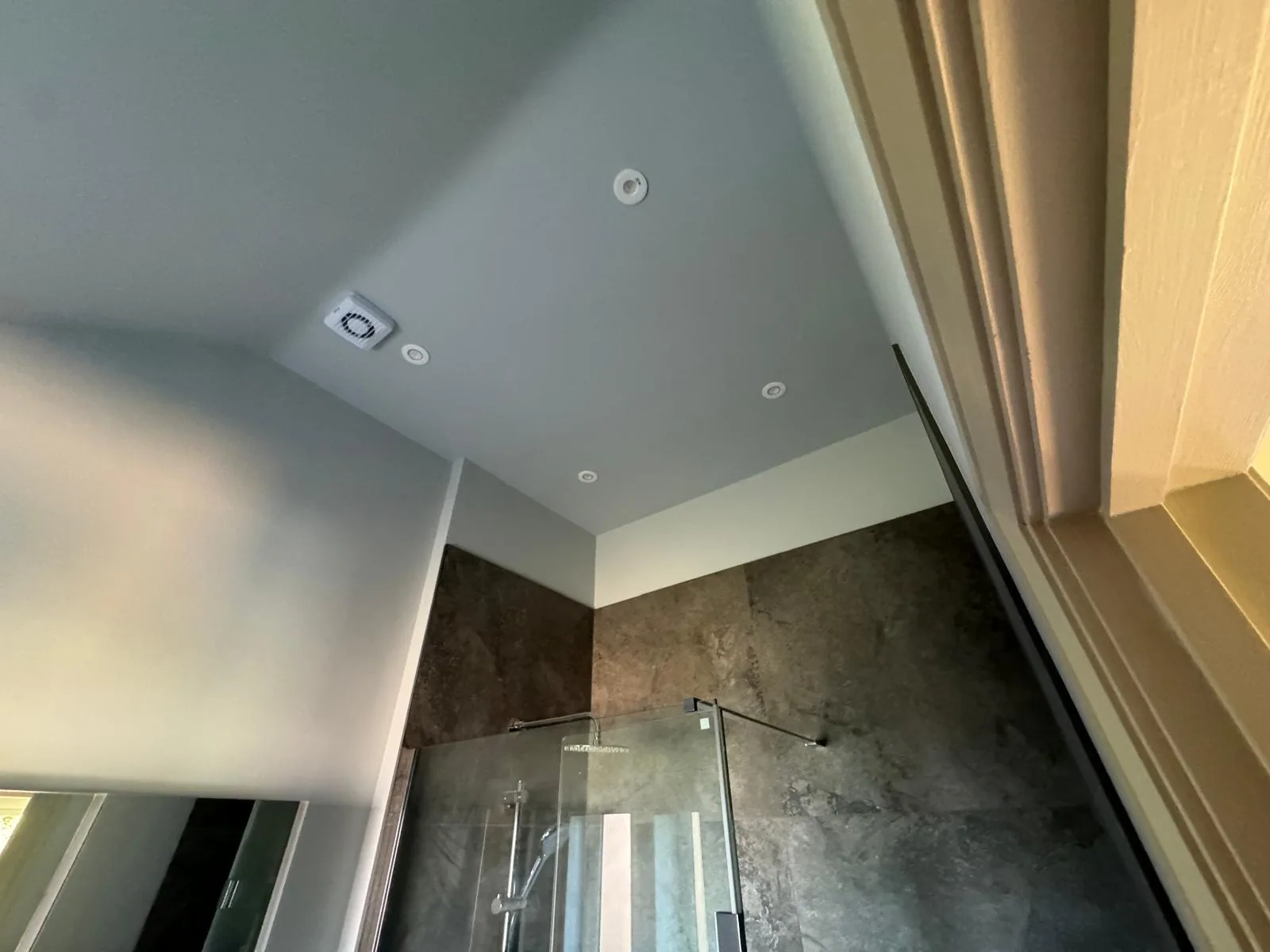
What's the Difference Between MVHR and Extractor Fans?
An extractor fan pulls damp air out of one room while it is switched on and sends the heat in that air outside with it, and the air that replaces it leaks…
Can You Retrofit MVHR Into an Existing Home?
Yes, MVHR can be retrofitted into many existing homes, but whether it is worth doing depends on two things above everything else. How airtight the house…
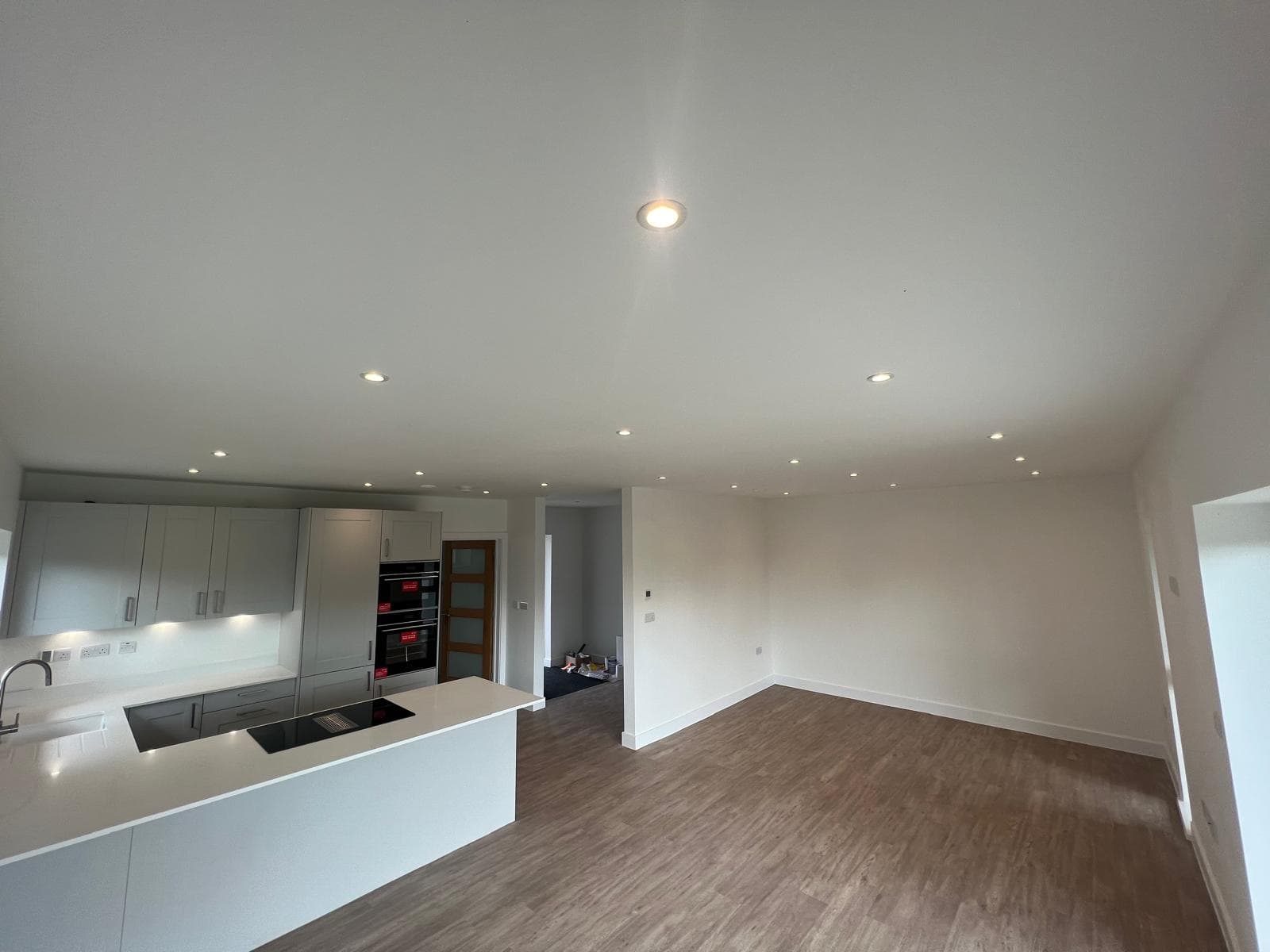
Does MVHR Help With Condensation and Damp?
Yes, and for condensation damp in particular it is one of the most effective things you can fit. Mechanical ventilation with heat recovery removes moist…

Do You Need MVHR in a New Build?
You do not strictly need MVHR specifically in a new build, but you do need a proper ventilation system, and in the airtight homes now being built MVHR is very often…

Does MVHR Cut Your Heating Bills?
MVHR can help reduce your heating bills, but it is worth being honest about how, and by how much, because it is not a heating system and it is sometimes oversold as one.…
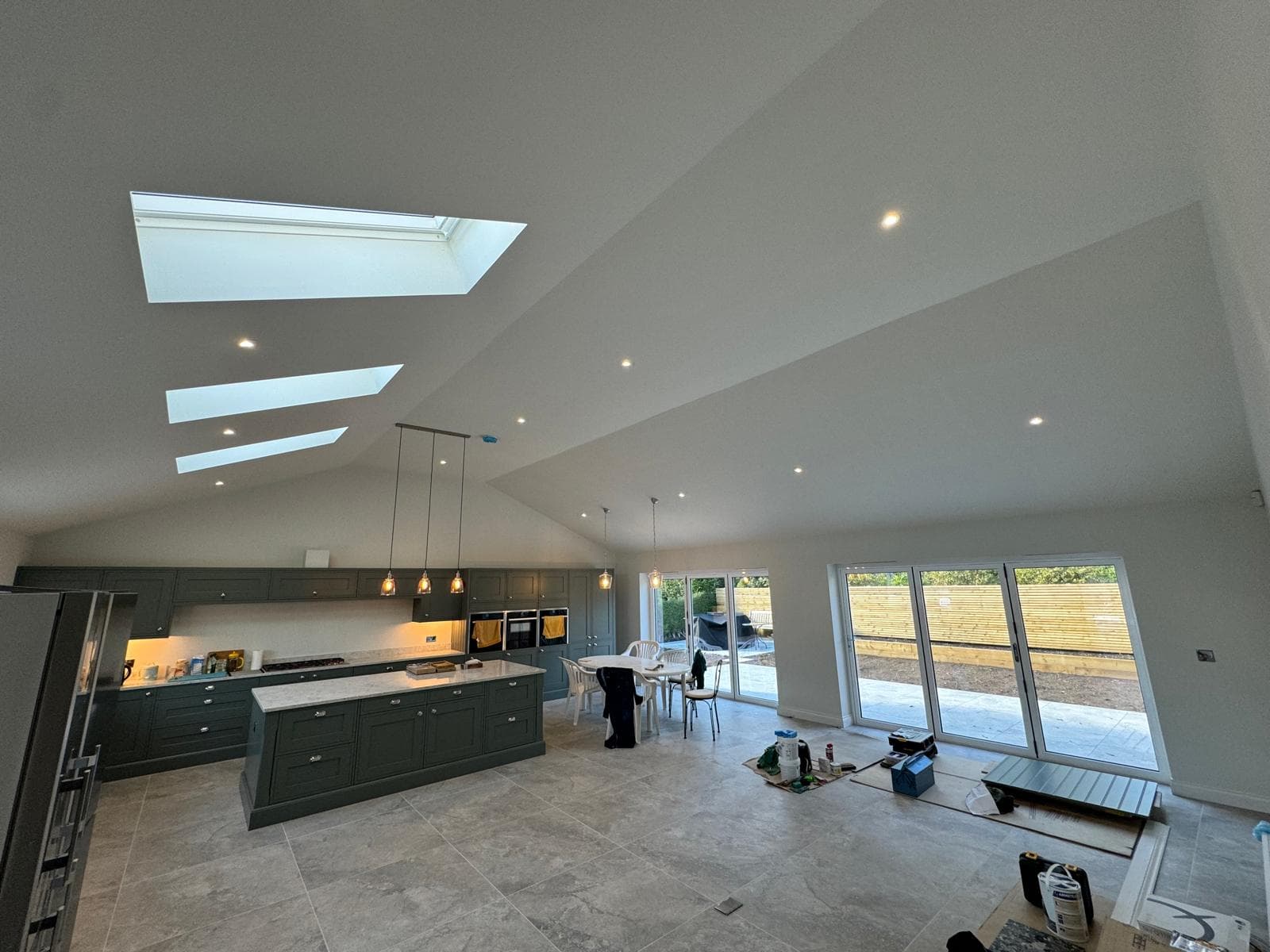
What Is MVHR and How Does It Work?
MVHR stands for Mechanical Ventilation with Heat Recovery. It is a whole-house ventilation system that continuously removes stale, damp air from your home and replaces…
Recent projects.
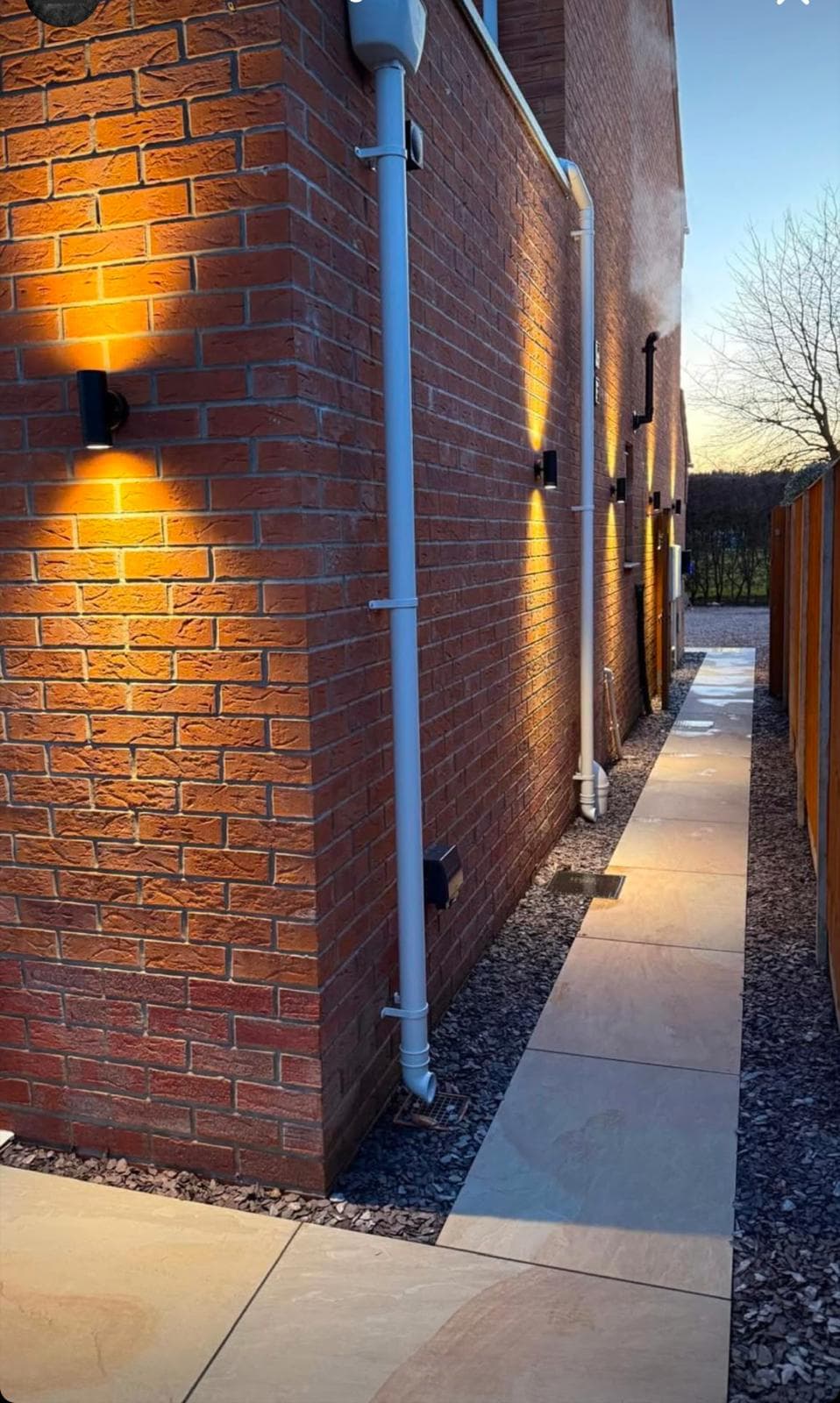 Case studyExternal LED Wall Lighting for a Private HomeLED up and down wall lights fitted to a private home on dedicated weatherproof circuits, picking out the brickwork and improving safety after dark.
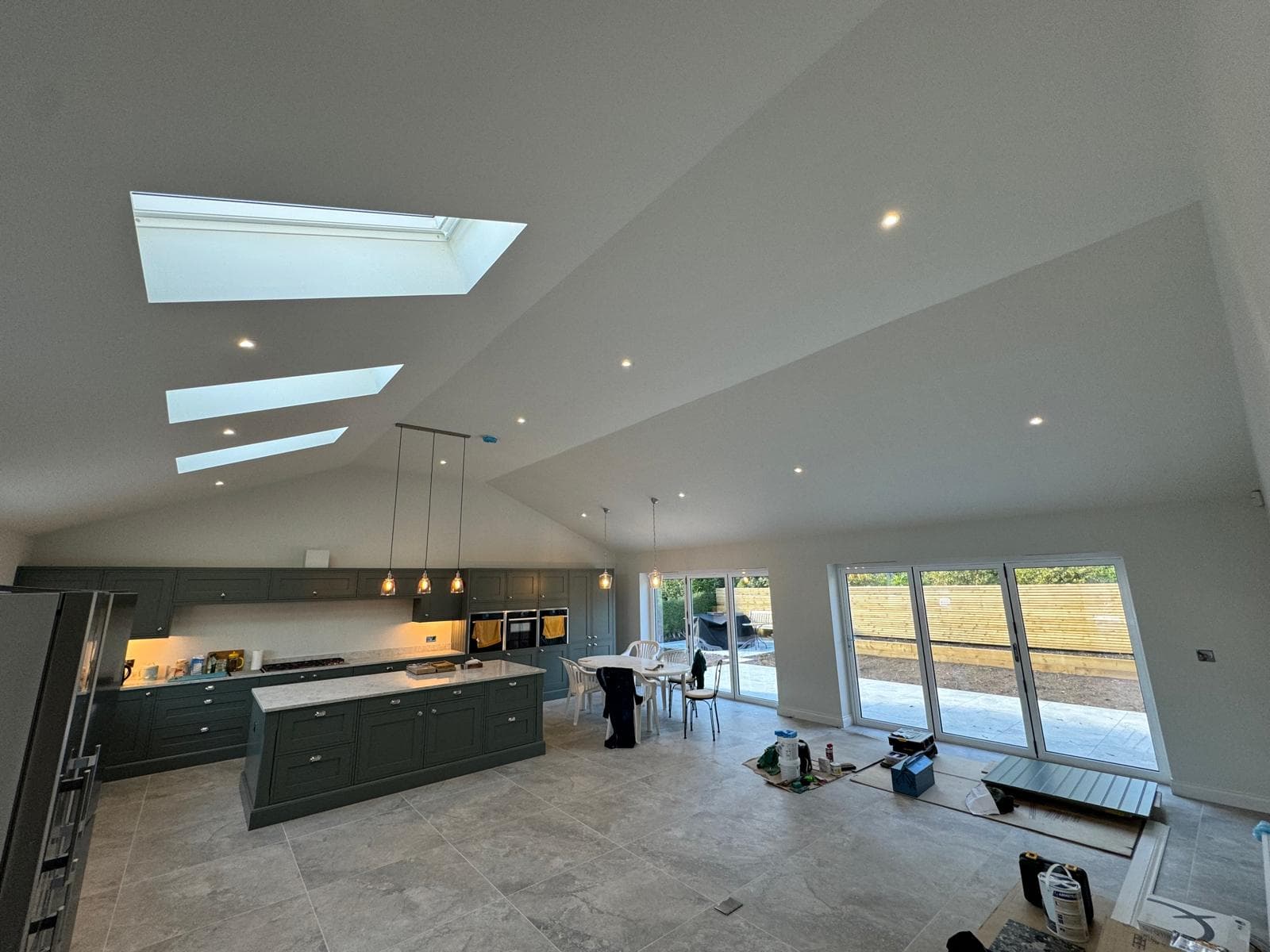 Case studyNew Build Home Electrics and Solar, N R Burton BuildersFirst and second fix wiring for a new build home with N R Burton Builders, plus CCTV, an intruder alarm, an EV charger, solar PV and battery storage.
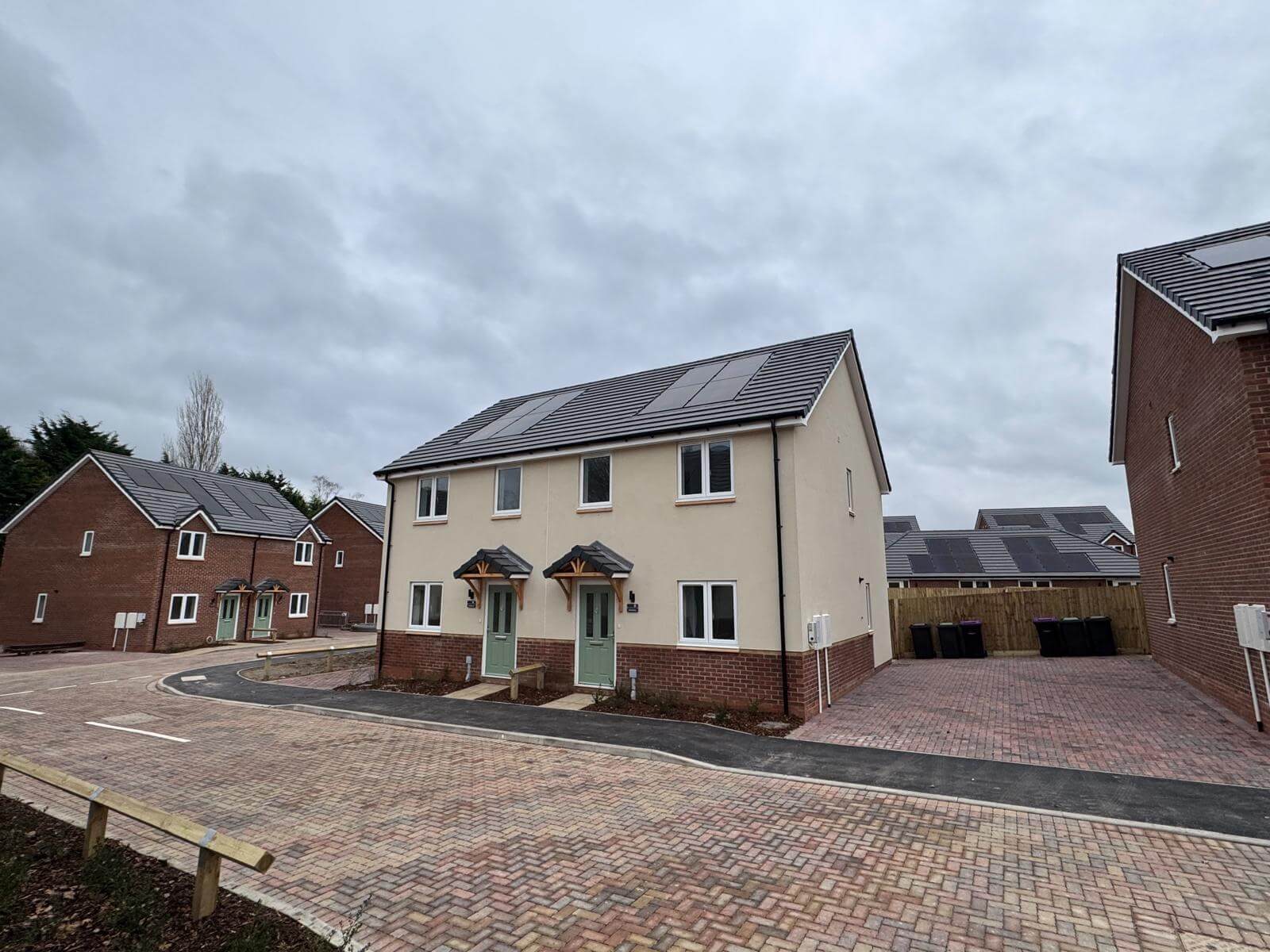 Case studyElectrics and Renewables for 28 New Homes, Belvin ConstructionElectrical and renewable works across 28 new build homes for Belvin Construction, each with 3.6kW in-roof solar, EV charging and NICEIC certification.
Other CES Renewables services.
MVHR ventilation across Lincolnshire.
Based in Skegness and covering the county. If you are not sure whether we reach you, just ask.