
Electricians and solar installers in Wainfleet
Wainfleet is low lying and has flooded before, which is a real consideration for where an inverter and a battery get mounted. We site that kit high and dry as a matter of course here rather than putting it in the most convenient spot.
Low lying ground, so siting matters.
What we do most of here
Low lying ground changes the design
The town sits low, on the edge of the fens, and took serious flooding in 2019 when the Steeping came over its bank. That is not distant history locally and it ought to change how an installation is thought about. The question is not only whether the wiring is safe today, but where the vulnerable parts of it end up if water gets into the building again.
In practice that means keeping the things that hate water high. A consumer unit at a sensible height and not in a floor level cupboard, socket circuits dropped from above where a rewire allows it, and nothing with electronics in it sitting on the skirting line. On a property that has taken water before, the first thing worth asking is how high it came, because that measurement should shape the design more than habit does.
Siting the inverter and battery high
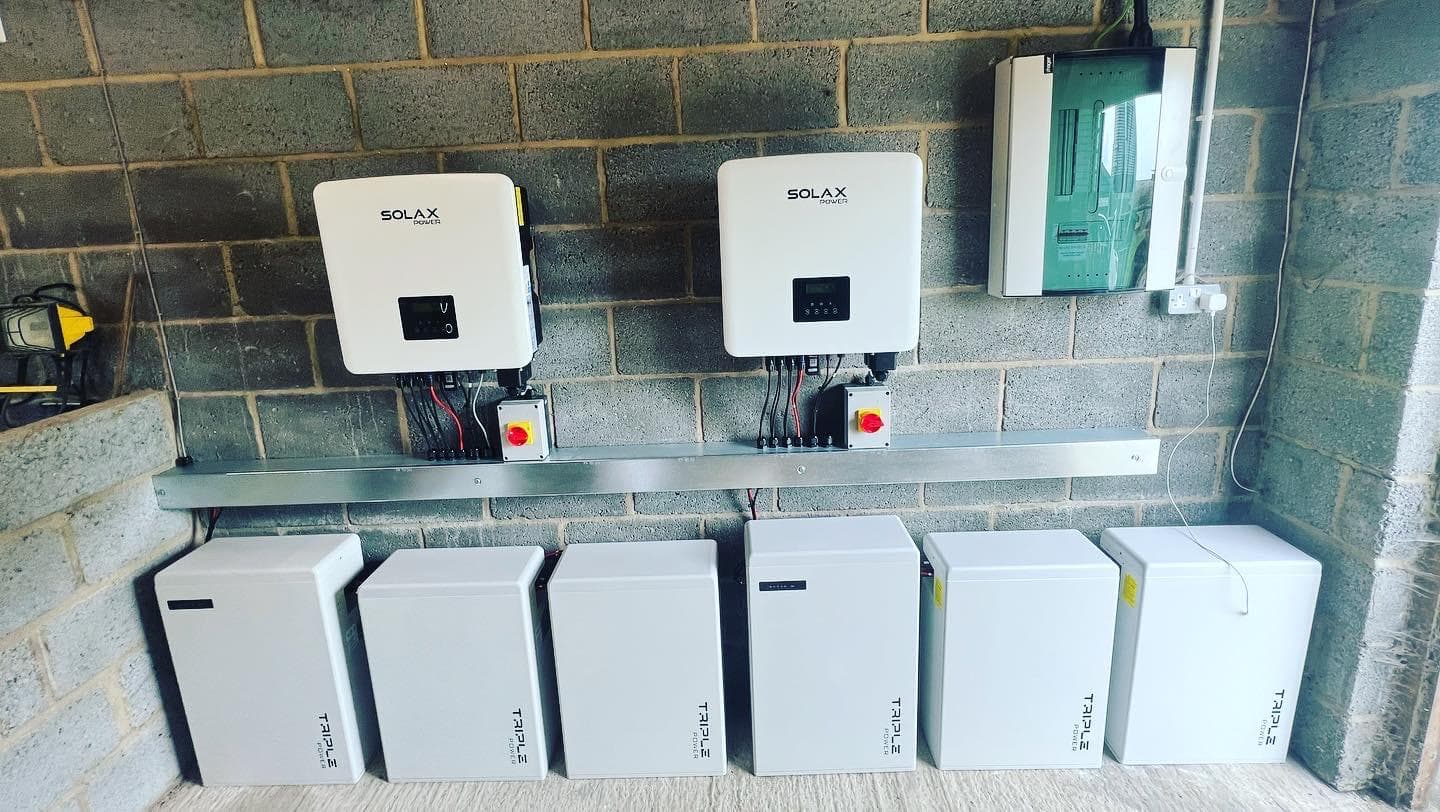
Solar and storage bring a box of electronics you very much do not want submerged. Inverters and batteries often end up in a garage, a utility room or a downstairs cupboard because that is where the cable run is shortest. Around Wainfleet that is worth arguing about. Mounted high on a wall, or better still in a first floor space or a properly ventilated loft, the same equipment is out of harm's way for the sake of a longer cable.
Batteries have their own requirements on temperature, ventilation and access, so the answer is never simply as high as it will go. It is the spot that is dry, ventilated, reachable for servicing and above any level water has reached before. Settling that at design stage takes a conversation. Moving a battery afterwards is a great deal more work and leaves holes in the wall.
EICRs on a property that has flooded
Water and electrics do not part company cleanly. Cable that has been submerged can look perfectly sound and still hold moisture inside the insulation, and terminals that were wet go on corroding for years afterwards. An EICR includes insulation resistance testing, and on a property with flooding in its history that is usually where the evidence turns up rather than in anything you can see from a ladder.
The report should say plainly which parts of the installation are sound and which are not, with anything needing attention coded properly and not described in general terms. Nobody should be pushed into a full rewire they do not need, and nothing that deserves attention should be waved through to keep a report looking tidy.
Flat open land towards Friskney and Croft
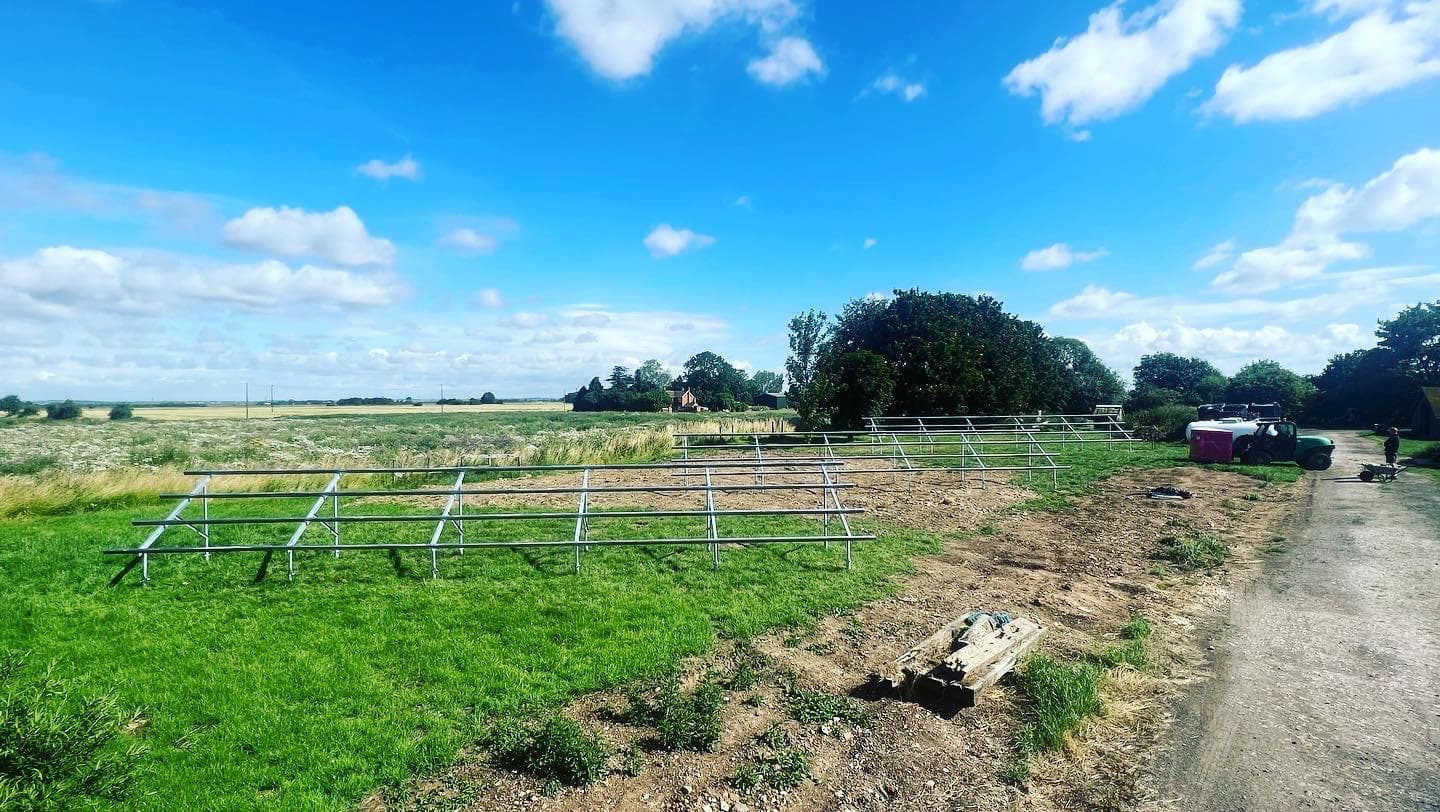
The land out towards Friskney, Croft and Thorpe St Peter is flat, open and largely unshaded, which is good ground for solar. Roofs get a clear run at the sun with little to block the early morning or the late evening, and on the bigger plots there is room to stand a frame out on the land. We built one at Friskney for a poultry farm, seventy two panels at a little over thirty kilowatts, on a ground anchor framework so the land was left much as we found it.
Soft ground and a high water table are why that foundation choice deserves proper attention here instead of a standard detail lifted from a catalogue, and the same goes for trench depth and cable protection where the water sits high for months at a time. For most households in the town the sensible package is panels with a modest battery, sized around real evening use and sited with the flood question already answered.
Projects across the county.
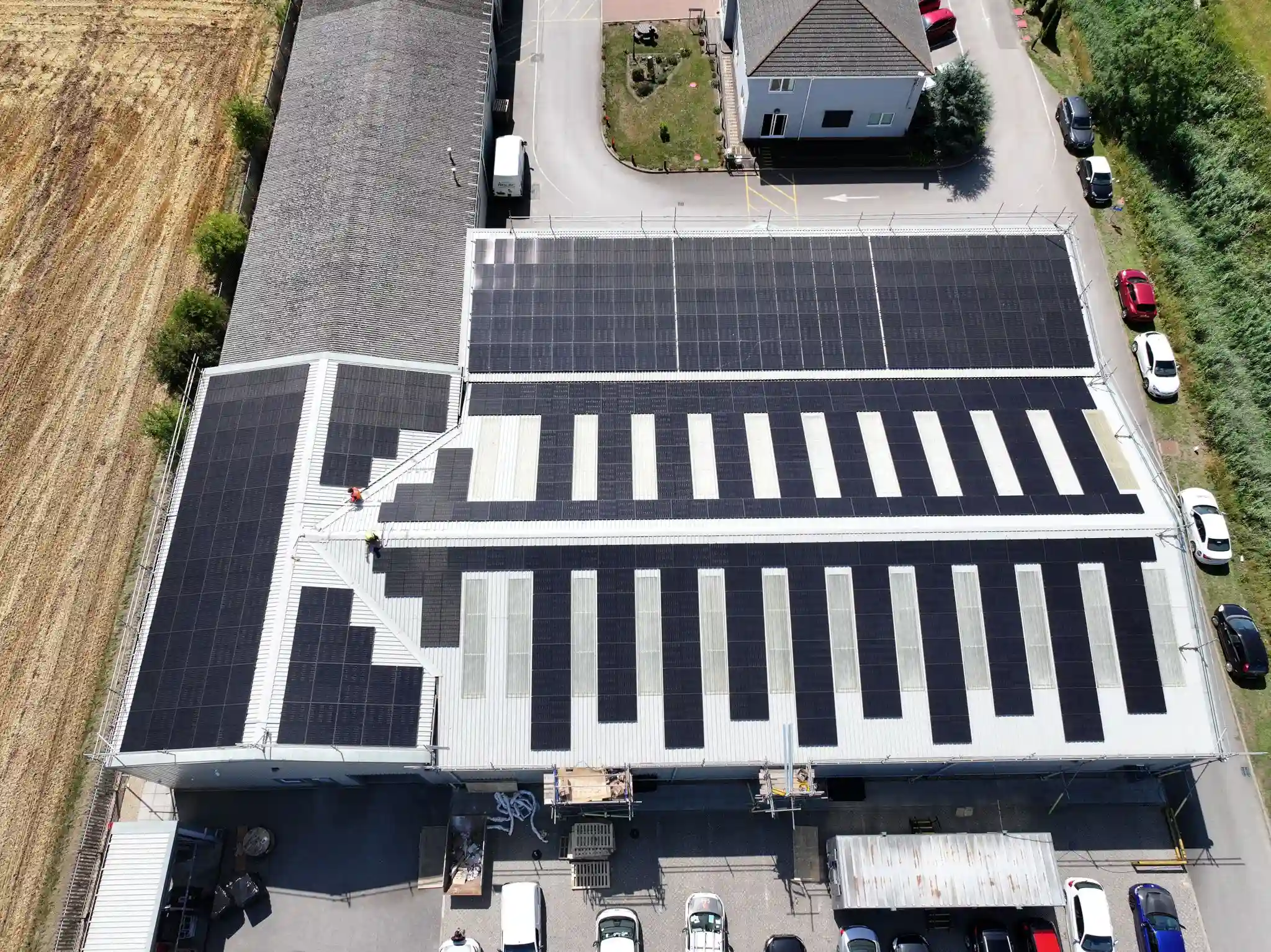
 Case study45 kW Commercial Solar InstallationCES Renewables has successfully completed another premium solar installation, a 45 kW Commercial Solar PV System engineered for efficiency, reliability and long-term…
 Case study6.8kW Domestic Flat Roof Solar InstallationCES Renewables has successfully completed another high-quality domestic renewable installation. This 6.8kW Solar PV system was designed for a flat roof application,…
 Case study200kW Solar + 200kWh Battery StorageAnother major commercial installation successfully delivered by CES Renewables! We’ve just finished a 200kW Solar PV system paired with 200kWh of battery storage,…