Battery storage projects
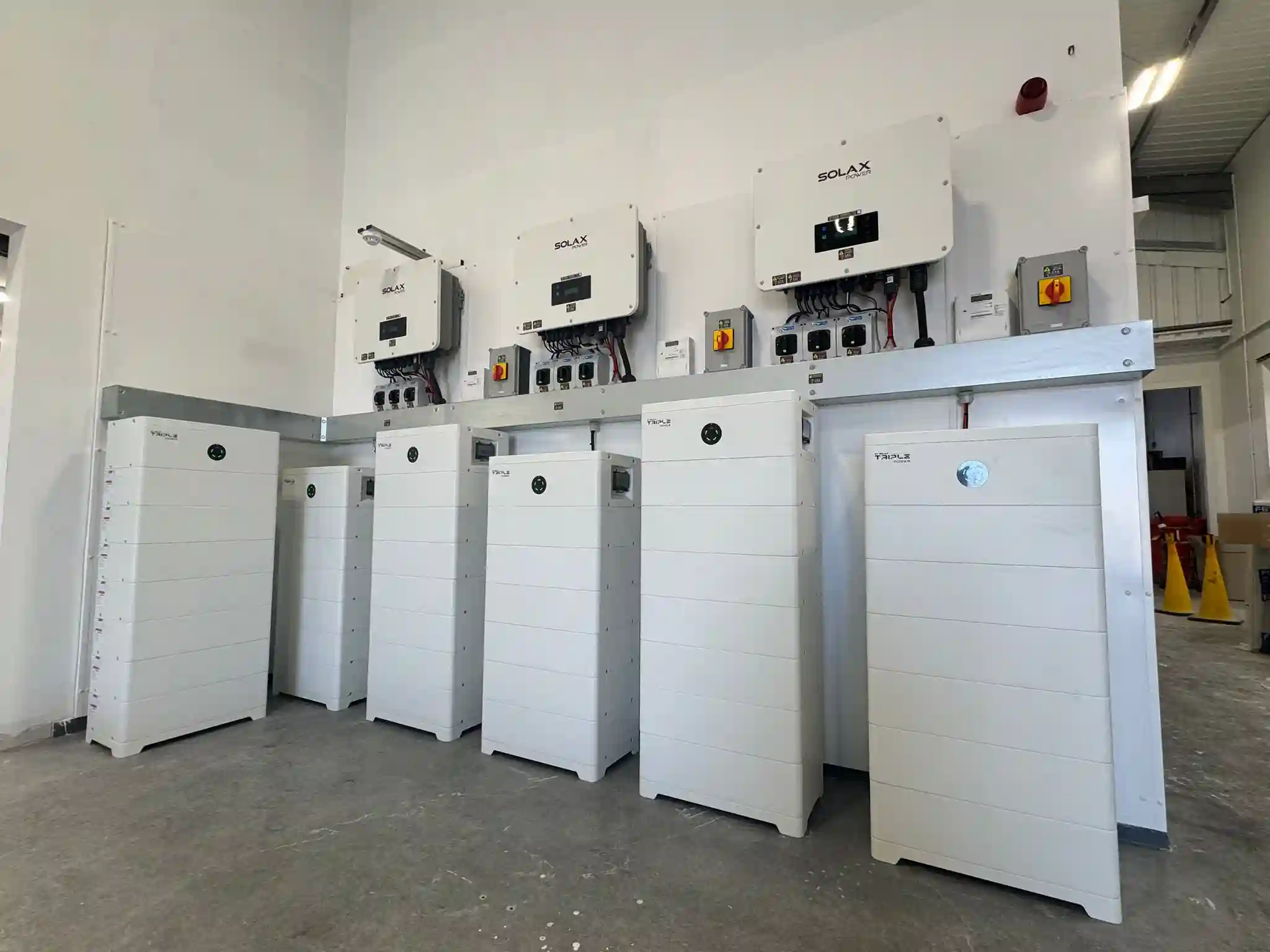
Storage we have installed from a domestic cupboard up to 200kWh on a commercial site, and how to size it around what a building genuinely uses rather than what the brochure suggests.
Sizing it around real usage
The commonest mistake with storage is buying by the biggest number available. A battery only earns its keep on the cycles it actually completes, so one sized well beyond a household's overnight demand spends much of the year part full and never pays back the extra capacity. The useful figure is what the property draws between sunset and sunrise, which a year of half hourly data or a smart meter will tell you.
For most homes the honest answer is a good deal smaller than expected. Properties with electric heating, a heat pump or an electric car are the exception, because they shift far more consumption into the hours when a battery is the only thing generating anything.
Retrofitting to an array you already have
Adding storage to an existing solar installation is routine, and the question is normally which inverter arrangement to use. A hybrid inverter replaces the existing one and handles both jobs, which is neater and usually more efficient. An AC coupled battery sits alongside what is already there and leaves a working inverter alone, which is often the better call if the existing unit is relatively new.
Worth knowing on cost. The zero rate of VAT on energy saving materials was extended to standalone battery storage on 1 February 2024, so a battery retrofitted on its own to a home with no solar at all still qualifies. That relief runs until 31 March 2027, after which the rate becomes 5 per cent rather than returning to 20.
At commercial scale
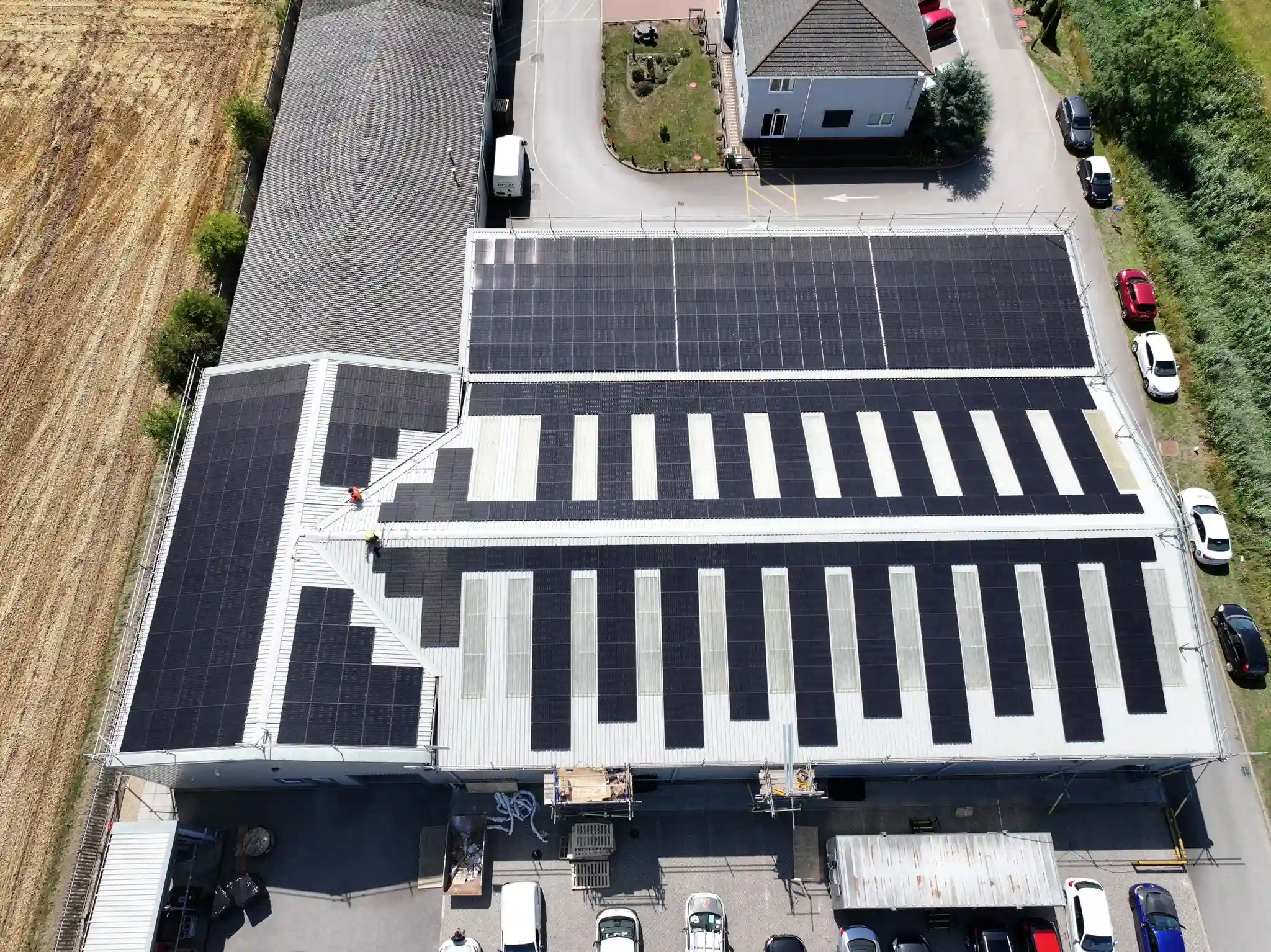
Commercial storage is a different calculation. A business with heavy daytime demand may consume nearly everything it generates and need very little storage, while one that runs plant in shifts can shift a great deal of load and justify a large system. The 200kWh installation we completed alongside a 200kW array was sized against the site's real demand profile rather than to match the array.
Larger systems also bring the network operator into the conversation, since anything beyond the small scale thresholds needs a G99 application and may carry an export limit. A capped system still saves exactly the same money on the units it stops you buying, which is usually where the value was anyway.
Recent battery storage work
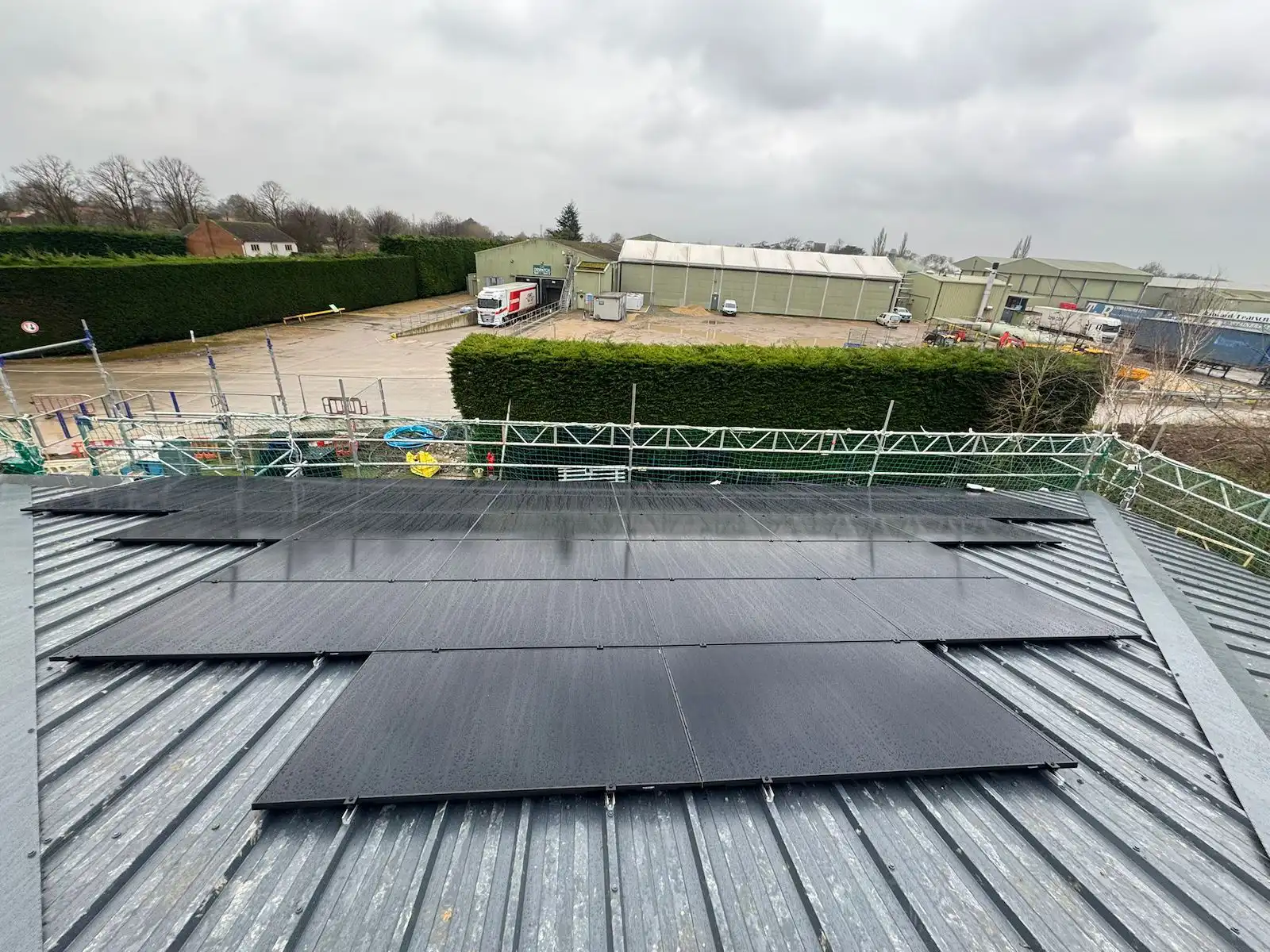 Case study45 kW Commercial Solar InstallationCES Renewables has successfully completed another premium solar installation, a 45 kW Commercial Solar PV System engineered for efficiency, reliability and long-term…
 Case study6.8kW Domestic Flat Roof Solar InstallationCES Renewables has successfully completed another high-quality domestic renewable installation. This 6.8kW Solar PV system was designed for a flat roof application,…
 Case study200kW Solar + 200kWh Battery StorageAnother major commercial installation successfully delivered by CES Renewables! We’ve just finished a 200kW Solar PV system paired with 200kWh of battery storage,…
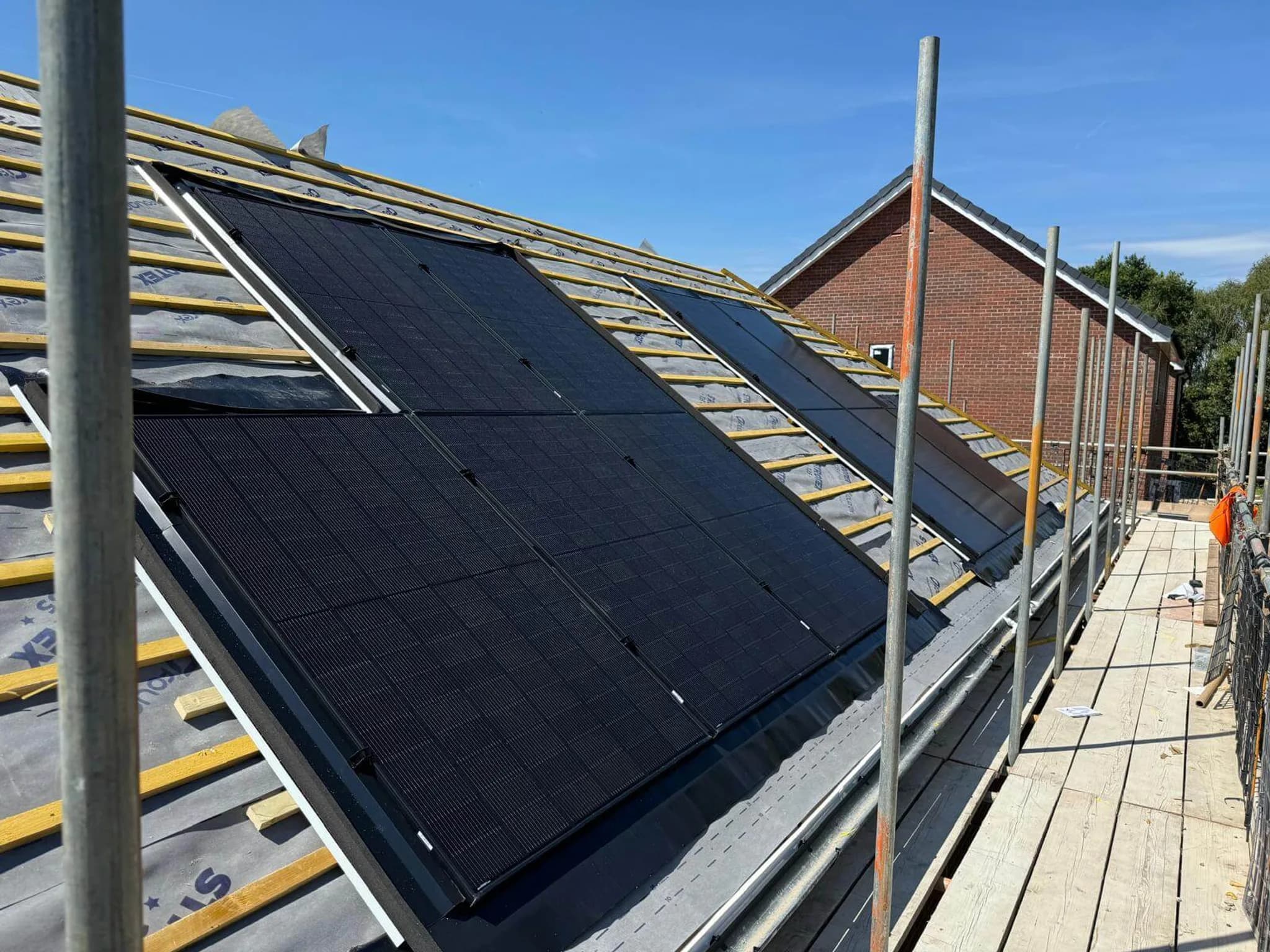
 Case studyNew Build Development, Home Solar PV InstallationWe partnered with a new build housing developer to install 6 brand-new Solar PV systems, ensuring each property is future-ready and powered by clean, renewable energy…
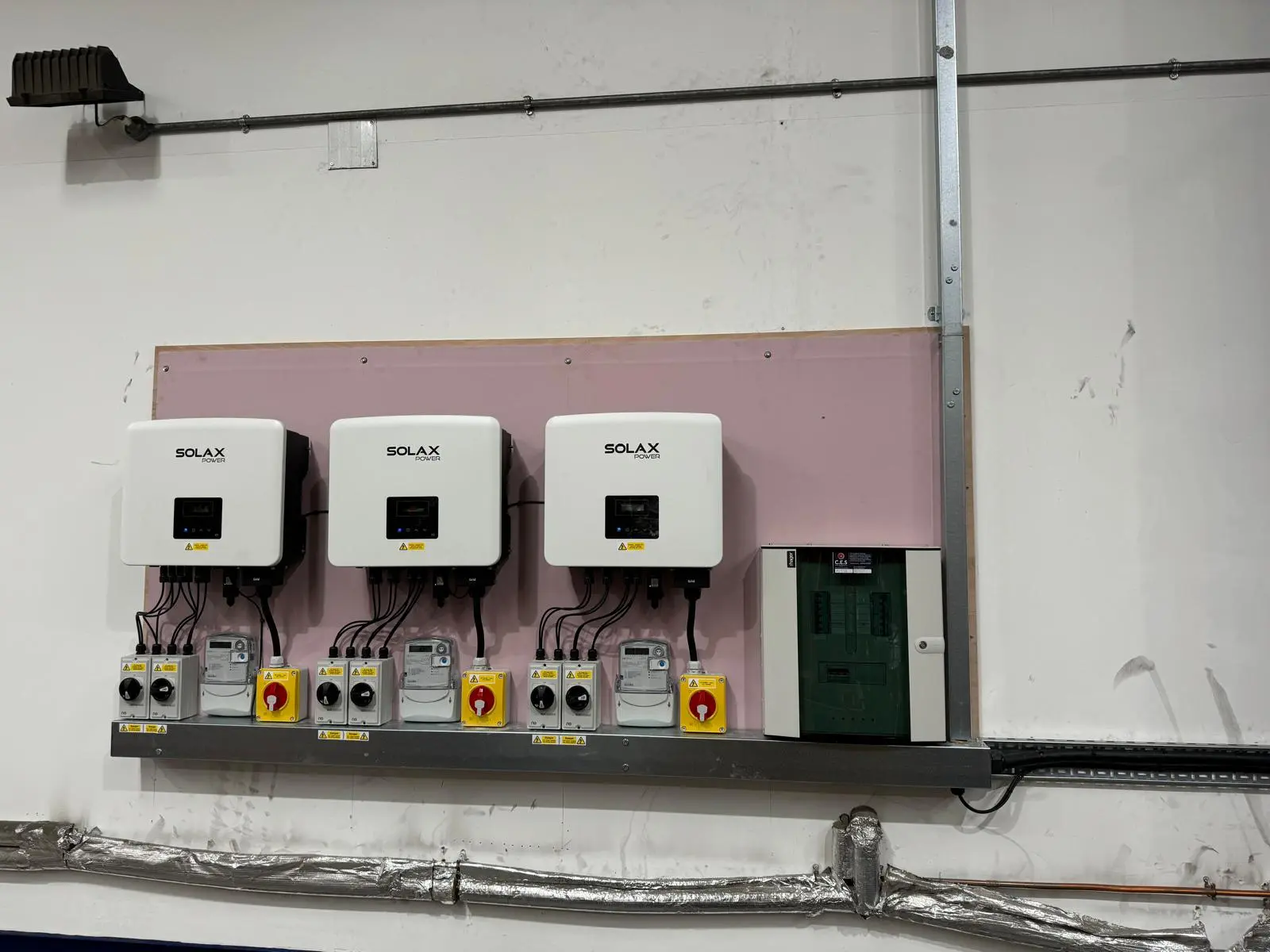 Case study315kW Commercial Solar PV Installation, Distribution Centre ProjectCES Renewables recently completed a major 315kW rooftop solar PV installation for one of W7 Make UK’s distribution centres, delivering a high-performance system designed…