
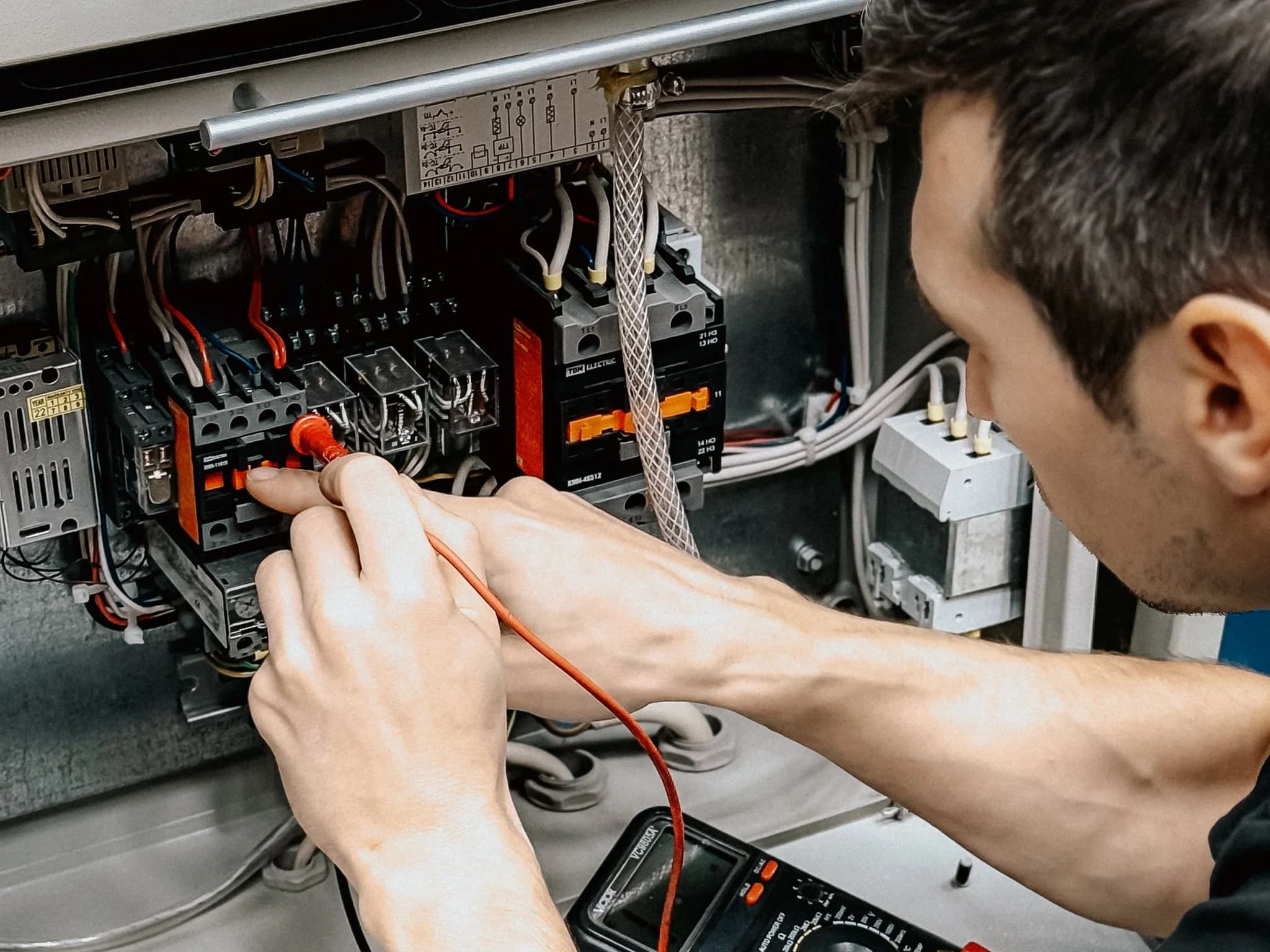
EICR and electrical testing in Lincolnshire
EICRs, landlord safety checks and PAT testing, with a clear report you can hand straight to an insurer, a letting agent or a licensing officer.
EICRs, landlord checks and PAT testing.
- EICR reports
- Landlord safety certificates
- PAT testing
- Emergency light testing
- Remedial work quoted separately
How we work
- 1Book the inspectionTell us the property, how many boards it has, and anything that cannot lose power.
- 2Inspection and testingCircuit by circuit. Anything dangerous is made safe before we leave.
- 3Your reportEvery finding coded C1, C2, C3 or FI, with an overall verdict, and we go through it with you.
- 4Remedial quote, if neededQuoted separately, so an inspection never turns into a sales visit.
What an EICR covers and what it does not
An EICR is not a pass or fail sticker, it is a condition report. An engineer inspects what can be seen, then tests the circuits for earth continuity, insulation resistance, polarity, earth fault loop impedance and RCD operation. The output is a schedule of what was found, circuit by circuit, an overall verdict of satisfactory or unsatisfactory, and a list of anything needing attention. It describes the installation as it stood on the day it was tested, which is the point of the exercise.
Some of it has to be intrusive. Accessories come off, the board is opened and a sample of connections is checked, because loose terminations and damaged cable do not announce themselves from the outside. In an occupied property the power goes off circuit by circuit, so it helps to tell us in advance about a freezer, a server, a tenant working from home or anything medical that cannot lose supply.
What the report does not cover is the equipment that plugs in. Portable appliance testing is a separate exercise answering a different duty, under different legislation, and the two get confused constantly. It is worth establishing which one an insurer, a licensing officer or a client is actually asking for before anything gets booked, because paying for the wrong one satisfies nobody.
Reading C1, C2, C3 and FI codes
Four codes do the work. C1 means danger is present, there is a risk of injury now, and it gets made safe before the engineer leaves the property. C2 means potentially dangerous, so no immediate risk but it needs putting right. C3 is improvement recommended, which is advice rather than a defect and does not make a report unsatisfactory by itself. FI means further investigation is advised, because something could not be resolved during the inspection.
Only C1 and C2 make a report unsatisfactory. Under BS 7671:2018+A4:2026 an FI code no longer does so on its own, though anything flagged for investigation is still worth following up. That distinction matters, because a report full of C3 and FI items reads alarmingly to anybody who has not seen one before while actually saying the installation is satisfactory for continued use. We go through the findings with you and separate what you are obliged to put right from what is genuinely optional. Remedial work is quoted separately, so an inspection stays an inspection and does not turn into a sales visit.
Landlord EICR duties and testing frequency
In England, privately rented homes must have the fixed installation inspected at least every five years, and the landlord has to supply a copy of the report to the tenants and to the local authority on request. If it comes back unsatisfactory, the remedial work has to be done within twenty eight days, or sooner where the report says so, with written confirmation afterwards. The penalties for ignoring that sit with the landlord and not the tenant.
Other buildings follow their own cycle. Commercial premises are commonly inspected every five years and industrial sites every three, though in truth the interval depends on the type of installation and how hard it is worked, and an insurer or a licence condition can shorten it. We are NICEIC approved and carry out EICRs across Lincolnshire for landlords, agents and businesses, and we will tell you which interval genuinely applies to your building.
Testing and inspection guides.
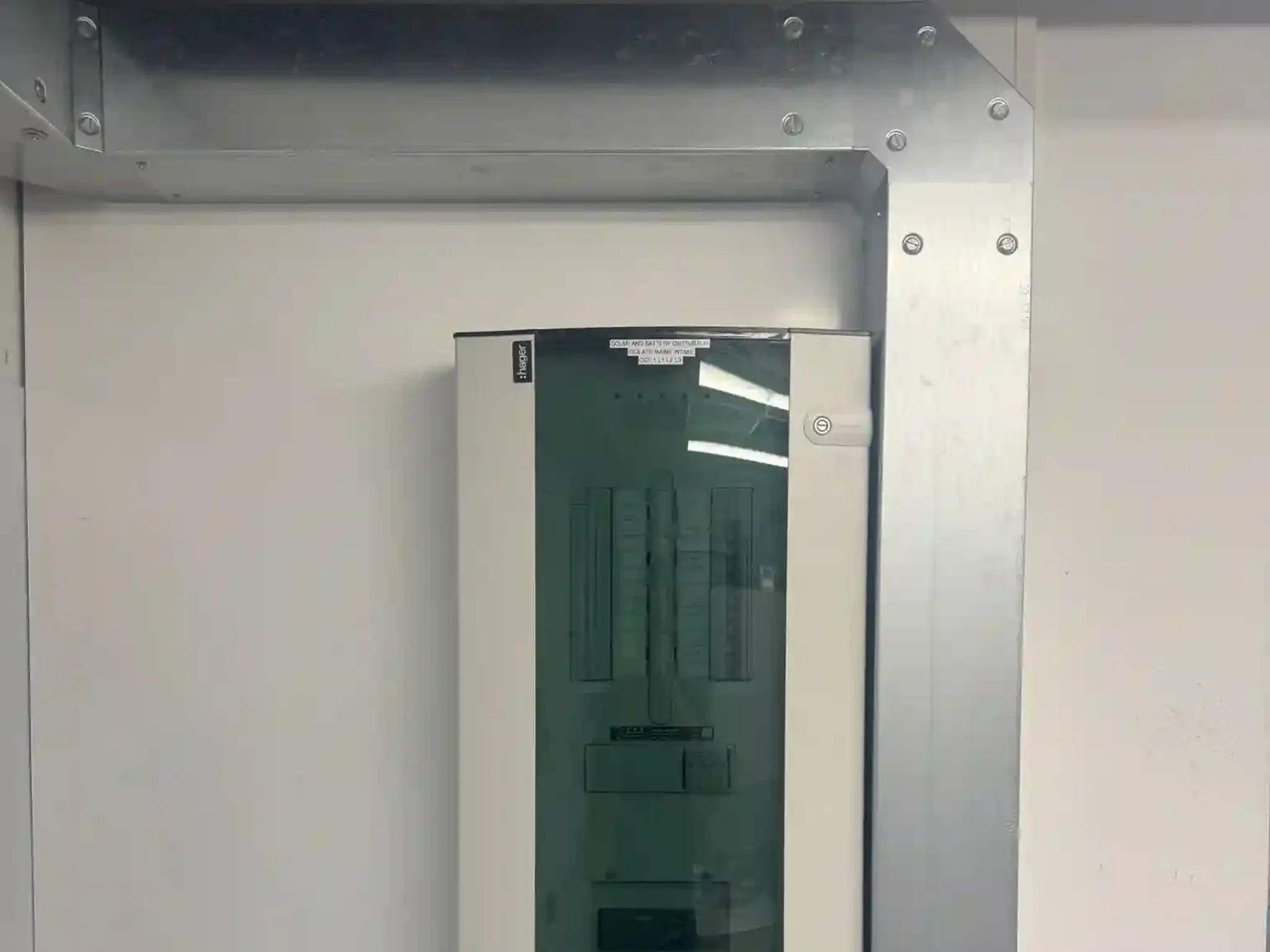
Fixed Wire Testing for Lincolnshire Businesses
Fixed wire testing is the inspection and testing of a building's permanent electrical installation, meaning the distribution boards, the circuits…
How Much Does an EICR Cost in Lincolnshire?
An EICR for a typical three bedroom house costs roughly £150 to £250, going by a UK price guide published in 2026…
Recent projects.
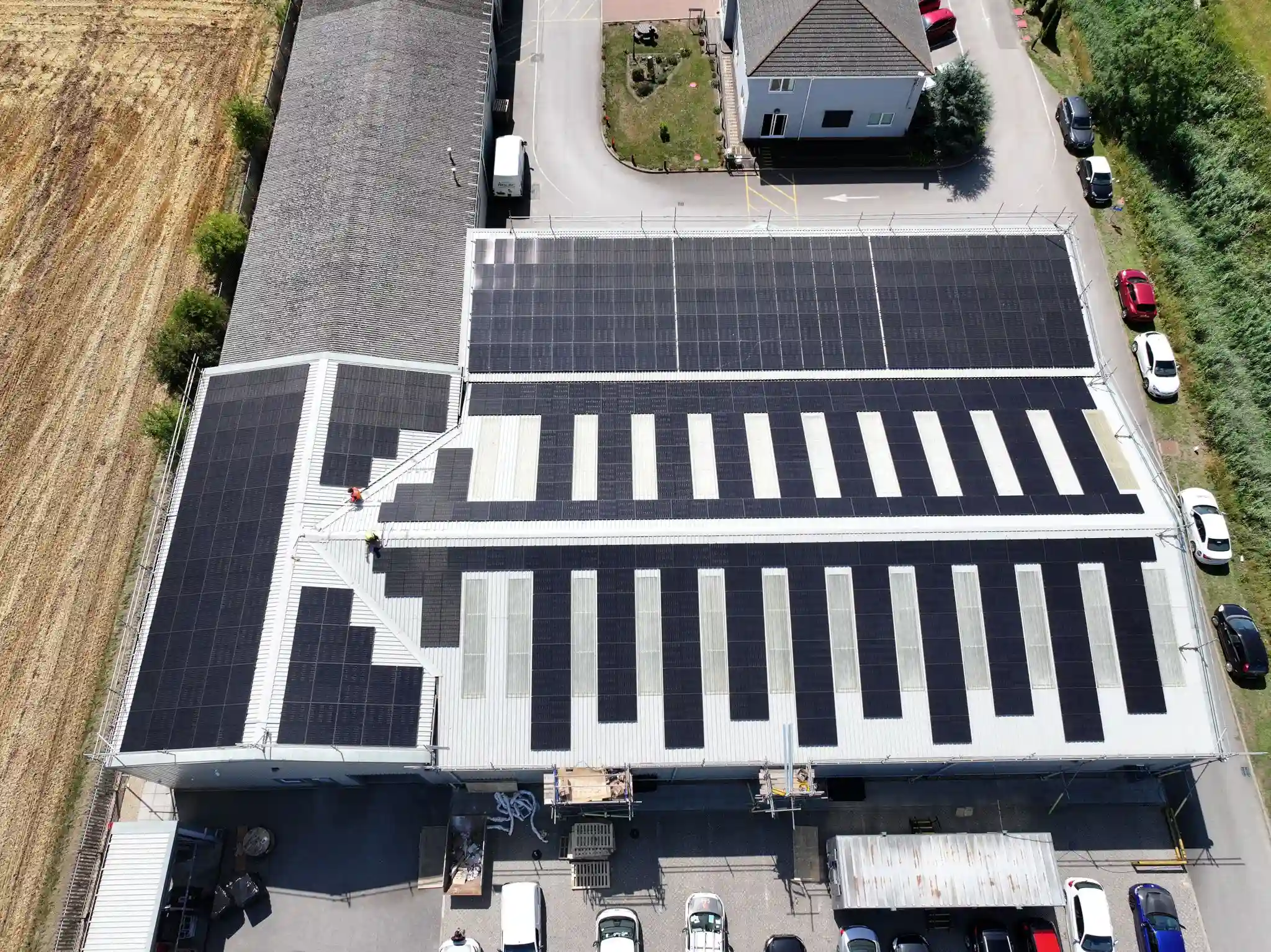
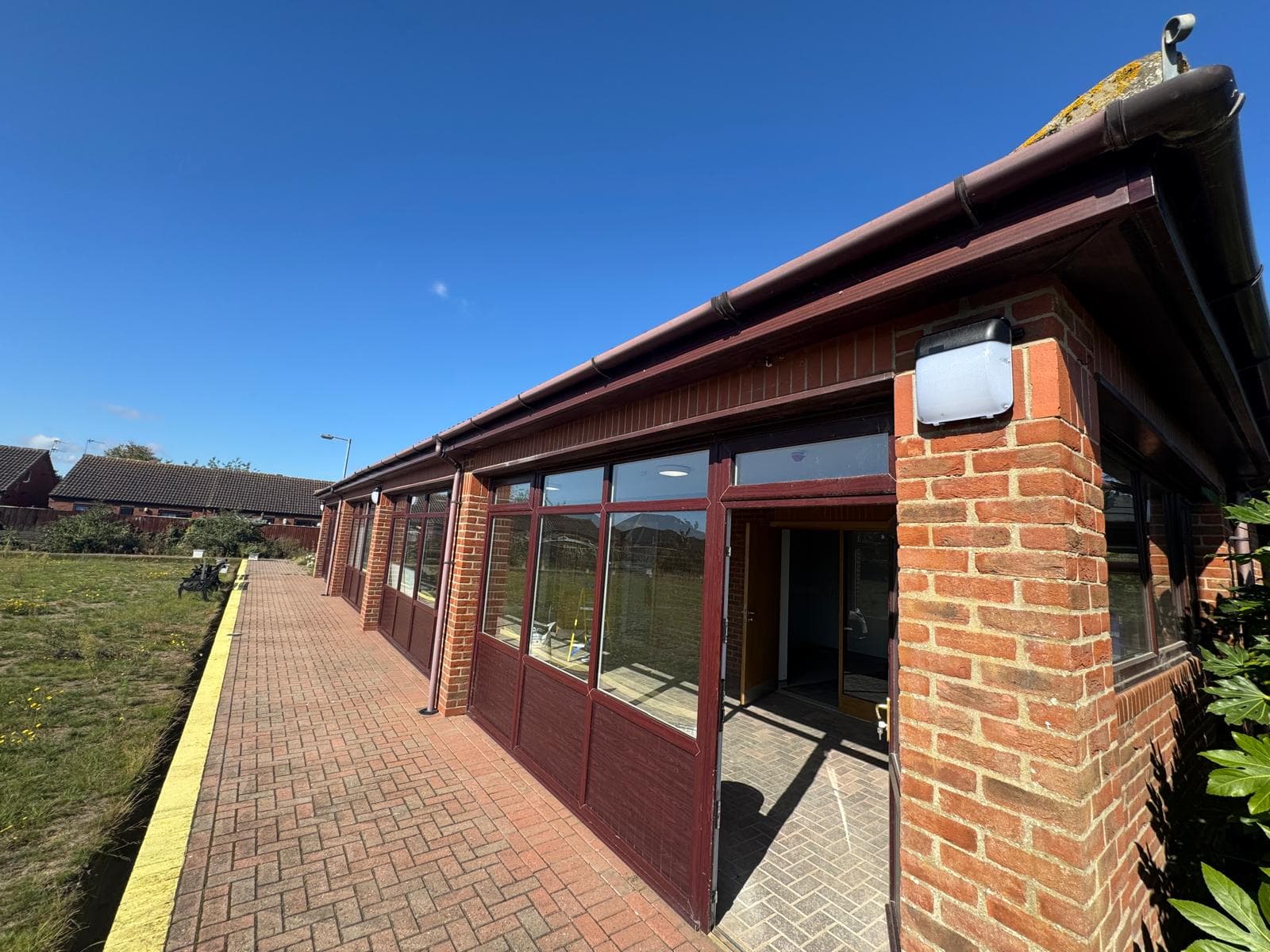 Case studyFull Rewire and Fire Detection, Linkage Training CentreA full rewire for a Linkage training centre, with an addressable fire alarm, intruder alarm, data cabling, solar and battery storage, and emergency lighting.
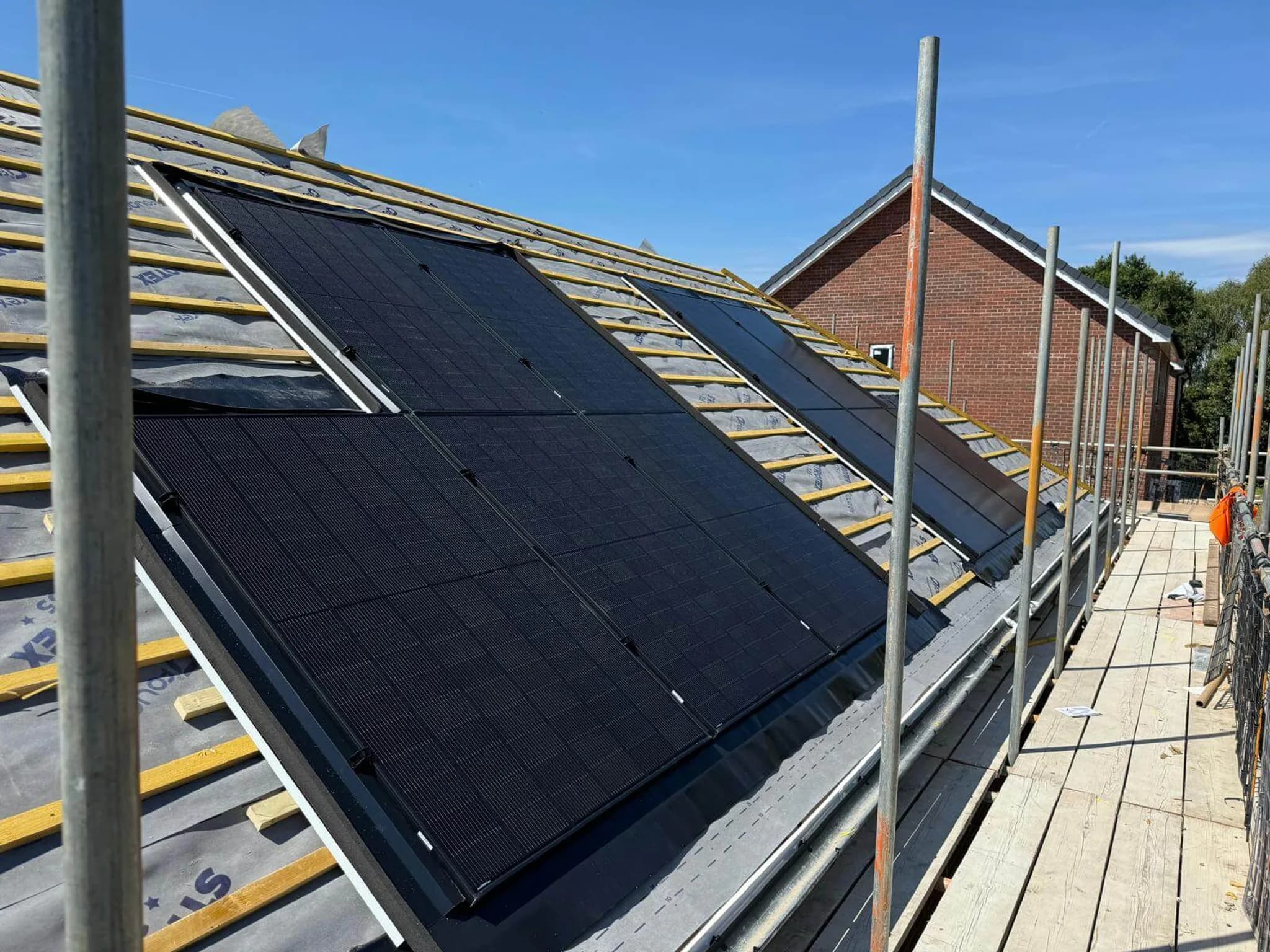
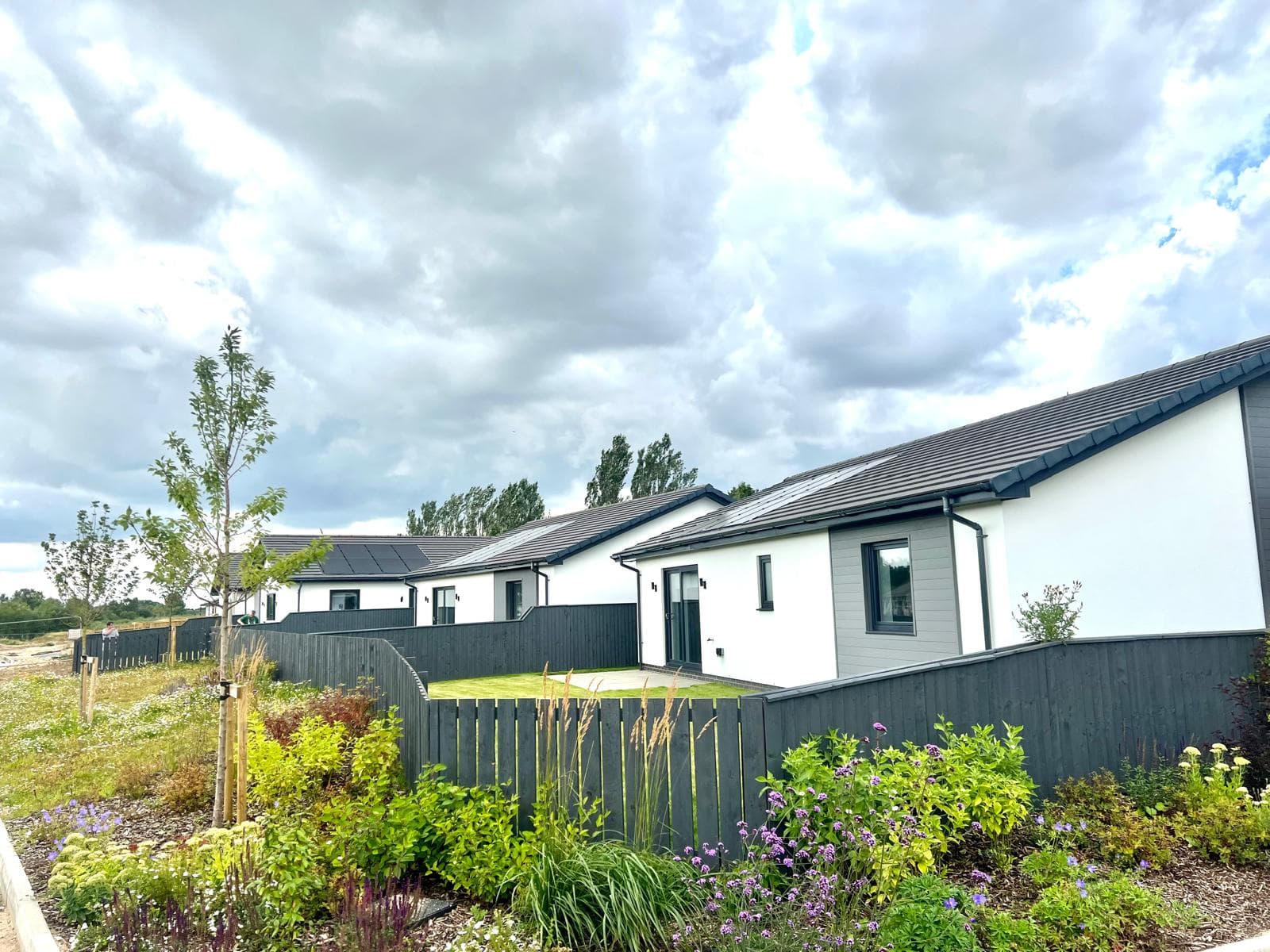 Case study13 Eco Bungalows at Burton Waters, LincolnThe full electrical package for 13 eco bungalows at Burton Waters in Lincoln, with 3.6kW in-roof solar, heat pump connections and LED lighting throughout.
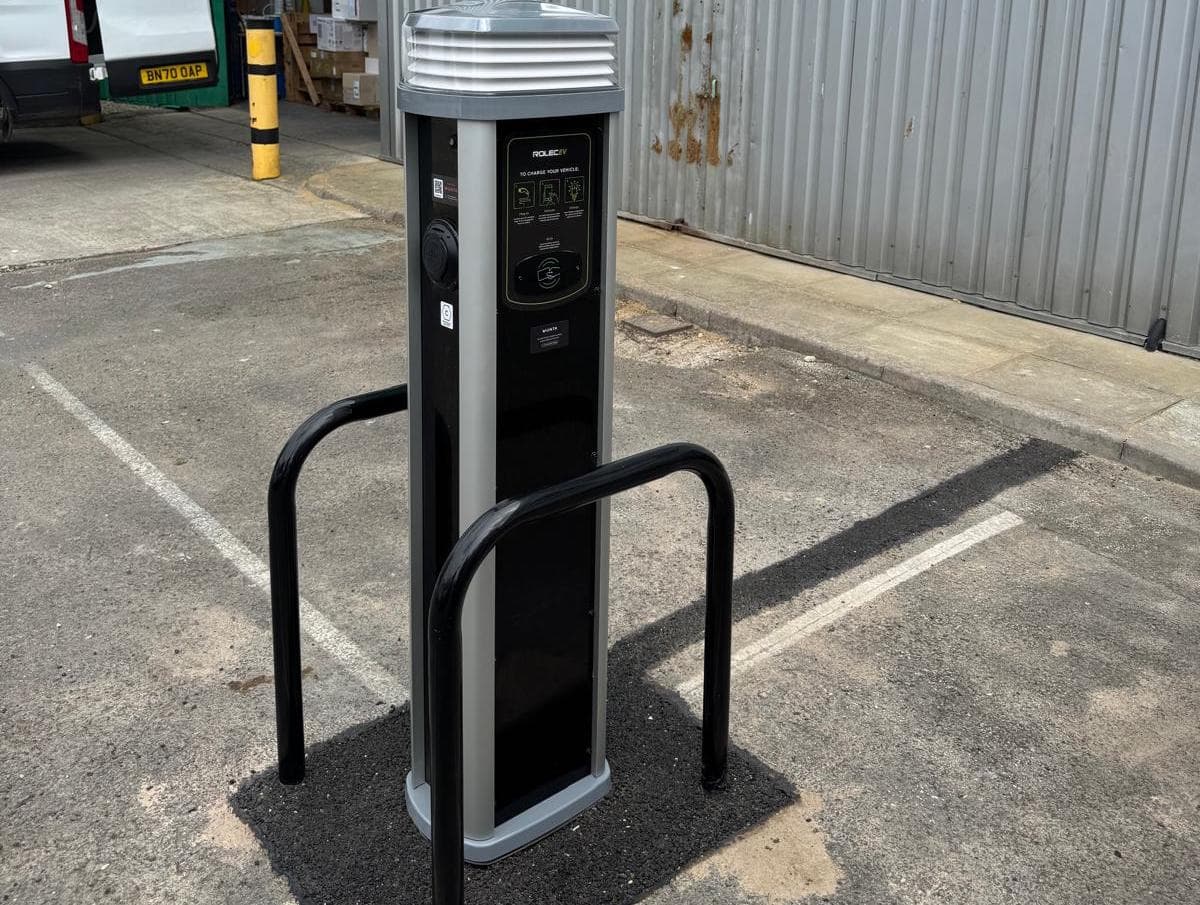 Case studyDual 22kW Commercial EV Charger for Micron-Clean, SwindonA dual 22kW commercial EV charger for Micron-Clean in Swindon, with a new sub-main, underground ducting and full testing before it was handed over.
Other CES Electrical services.
Testing and inspection across Lincolnshire.
Based in Skegness and covering the county. If you are not sure whether we reach you, just ask.