

Lighting design and installation
Lighting design, installation and upgrades, indoors and out. LED retrofits usually pay for themselves faster than people expect.
Internal, external and commercial upgrades.
- Lighting design
- LED retrofits
- External and garden lighting
- Commercial and warehouse
- Emergency lighting
How we work
- 1Free consultationWe look at what you have and what you need, with no obligation.
- 2Tailored designA written quote with the kit list and the numbers before you commit.
- 3Professional installOur own engineers, certified and notified properly.
- 4AftercareServicing and support once the job is signed off.
Getting the light levels right
Lighting design starts with a number and not a fitting. An office wants somewhere around three to five hundred lux at the desk, a warehouse aisle a good deal less, and an inspection bench considerably more. Uniformity counts as much as the average, because a room lit by bright pools with dark gaps between them feels worse to work in than a room at a lower but even level. Working that out on paper is cheaper than discovering it on site.
Glare and control are the other half of it. Fittings with poor shielding throw light where nobody wants it, which is how a badly specified space can measure correctly and still be unpleasant. Daylight linking and presence detection then cut the running hours without anyone thinking about it, and in a corridor or a stockroom that is often where the real saving sits rather than in the lamp itself.
Colour temperature and colour rendering
Colour temperature is the warmth of the light, measured in kelvin. Around 2700 to 3000 reads warm and domestic, 4000 is neutral and suits most workplaces, and 5000 and above is cool and clinical and gets specified far too often because it looks brighter on a showroom shelf. It is not brighter. It only looks it, and in a restaurant or a hotel it makes the room feel like a car park.
Colour rendering is the one people forget. A low CRI lamp saves a little energy and makes skin, food, paint and stock look wrong, which matters in retail, hospitality and anywhere colour is part of the job. Keeping colour temperature consistent across a building matters too, since a corridor of mismatched whites is the clearest sign of years of one at a time replacement.
Where an LED retrofit pays back
LED retrofits usually pay back faster than people expect, and the arithmetic is easy enough to check. A 400 watt metal halide high bay replaced by a 150 watt LED saves the difference every hour it burns, and a busy shed gets through a lot of hours. Then add the maintenance saving, because replacing a failed high bay is not just the lamp, it is the access equipment and the person who has to go up there.
It is not always worth doing. Lights in a room used twice a week will never pay back in a sensible period, and a fitting only three years old is usually better left until it fails. Where the existing wiring is sound a retrofit can be close to a straight swap. Where it is a 1970s installation with only two core cable run to the fittings, the rewire is the job and the lamps are the easy part.
External schemes and emergency lighting duties
Outside, the temptation is always to fit too much. Car parks, yards and approaches want even coverage at a modest level and fittings aimed so the light lands where people walk, not in the windows of the house across the road. Everything outdoors needs weatherproof glands, IP rated fittings and properly protected circuits, and columns need their foundations and cable routes thought about before anyone digs.
Emergency lighting is a legal duty and not a preference. Anywhere staff or the public would have to leave a building in the dark needs escape route lighting that works on loss of supply, covering exits, stairs, changes of level and the route to the final door. It also needs testing and a log, a brief monthly function test and a full duration test annually, which is the part most often missed until an inspection asks for the record.
We have done this before.
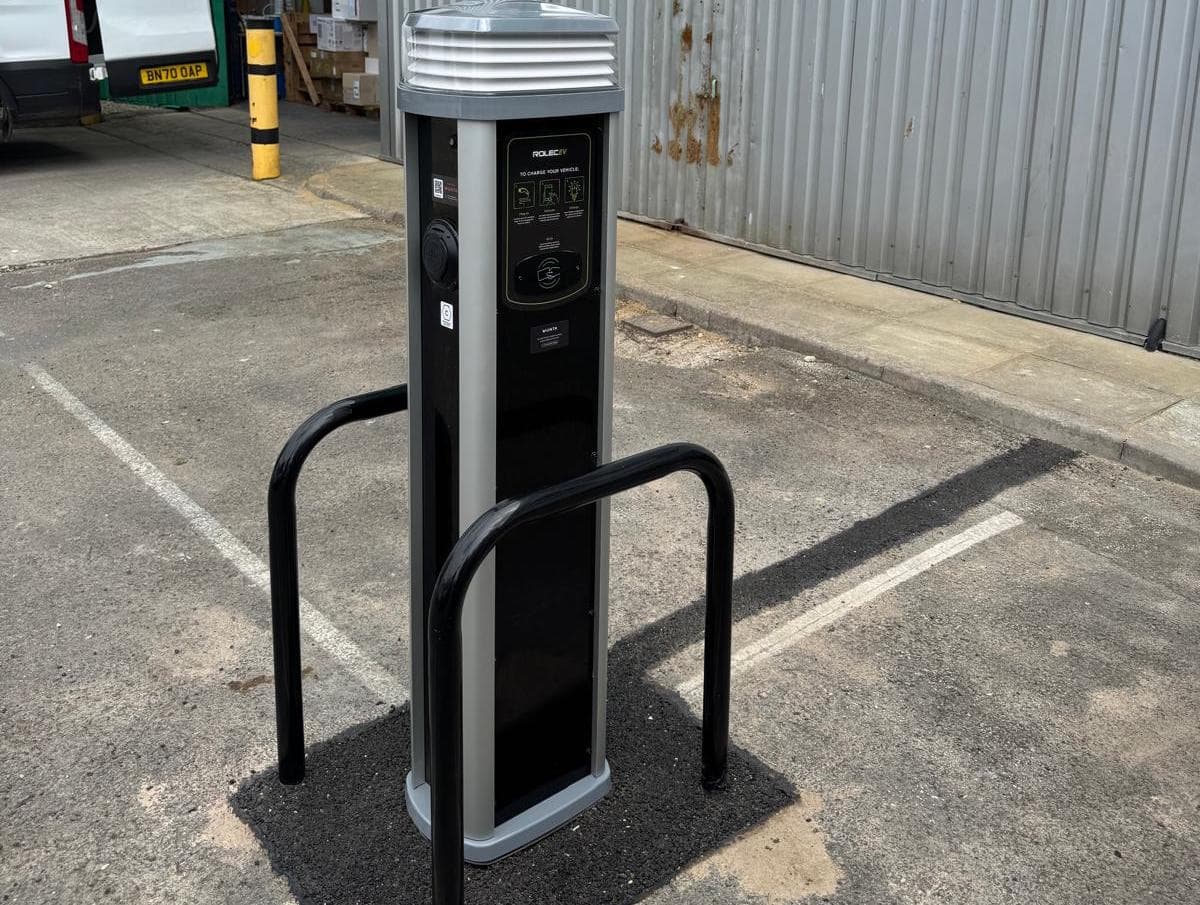 Case studyCommercial EV Charging InstallationCoastal Electrical Services & Renewable Energy were appointed to deliver a turnkey electric vehicle charging solution for Micron-Clean Ltd at their Swindon commercial…
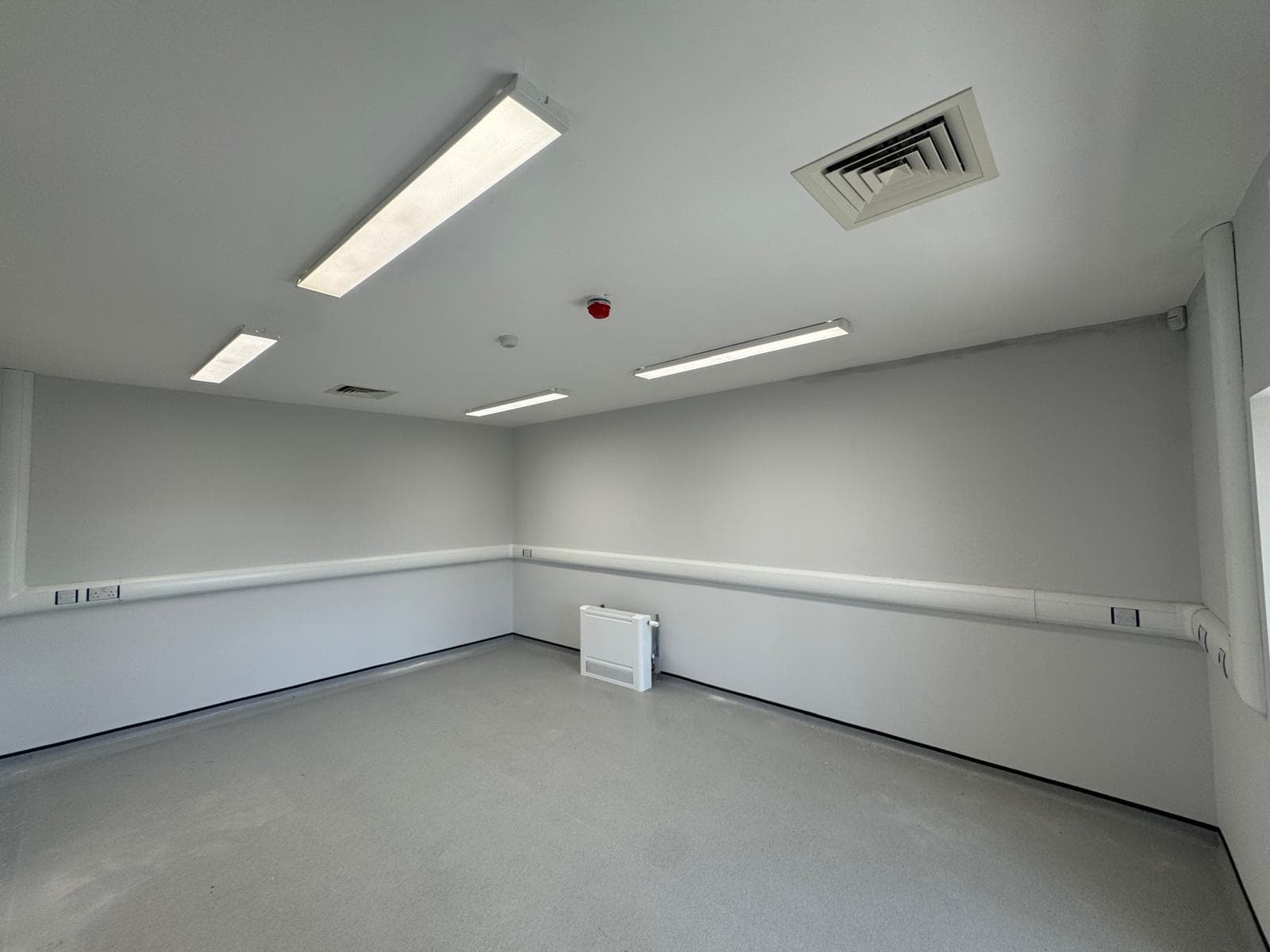
 Case studyCommercial Electrical & Lighting UpgradeCoastal Electrical Services & Renewable Energy were appointed by Belvin Construction to carry out a comprehensive electrical upgrade within a designated area of Grantham…
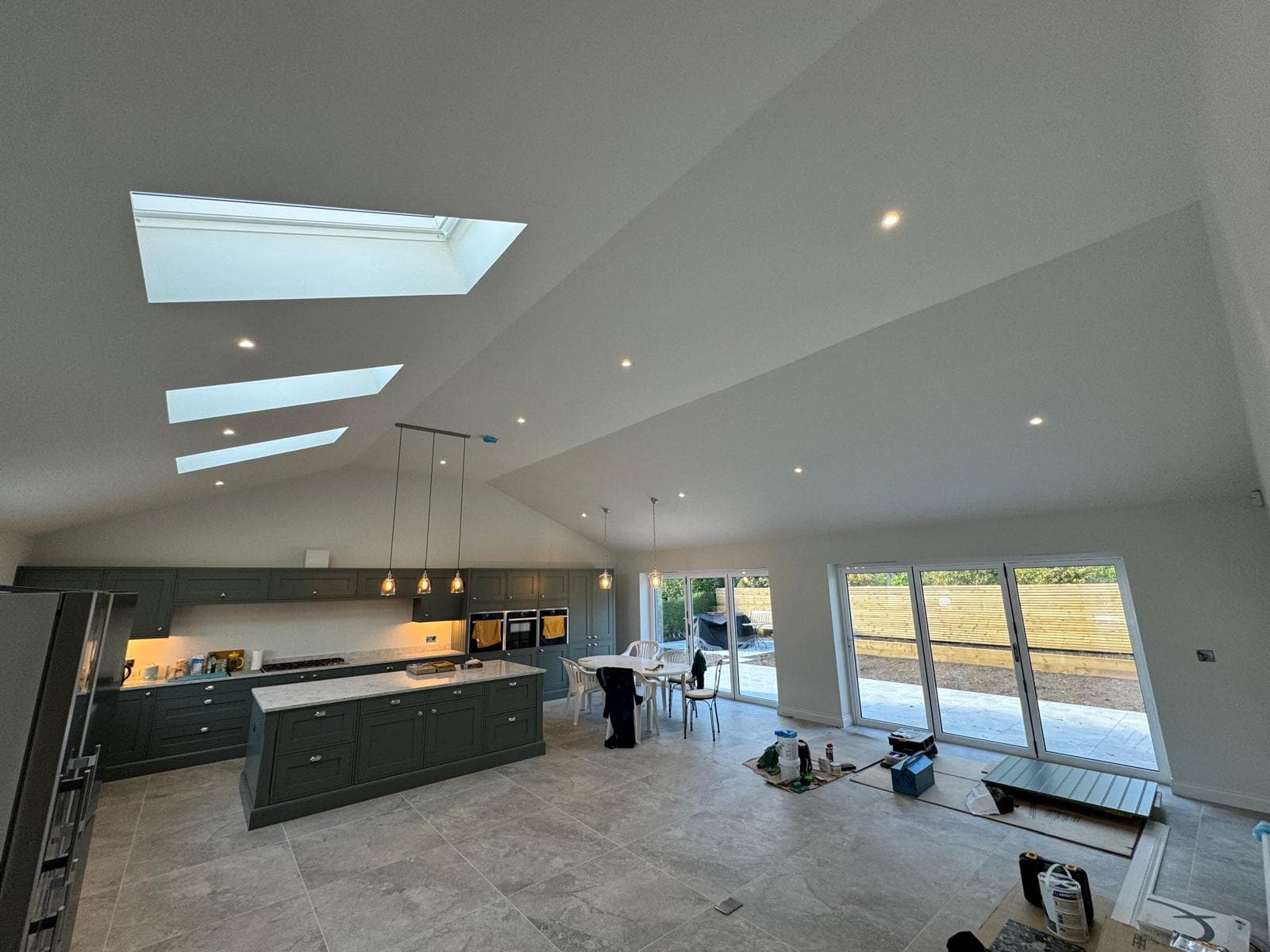 Case studyPrivate Residential New Build, Burton BuildersCoastal Electrical Services & Renewable Energy were appointed by N R Burton Builders to deliver a complete electrical and low-carbon energy solution for a new build…
Everything else we do.
Lighting across Lincolnshire.
Based in Skegness and covering the county. If you are not sure whether we reach you, just ask.