


Electricians and solar installers in Louth
Louth and the Wolds around it hold a lot of older property, and older property means rewires, tired consumer units and roofs that need looking at properly before anyone talks about panels. Out in the surrounding farmland, ground mounted arrays often make more sense than roof mounted ones.
Older stone properties and Wolds farms.
What we do most of here
Rewires and EICRs in Louth
This is largely a Georgian and Victorian town, and the wiring in that housing stock varies enormously. Not all of it needs replacing. An EICR is how you find out, and it usually turns up the same handful of things, being a board with no RCD protection, rubber or fabric insulated cable surviving in a circuit or two, main bonding to the water and gas services that was never brought up to size, and junction boxes buried under floorboards where nobody can ever inspect them.
Where a full rewire is the right call it is worth phasing instead of emptying the house. Ground floor first while the family lives upstairs, then swapping over, is normally far less disruptive than doing the lot in one go. Be aware too that in an older Louth property the making good afterwards is often the larger part of the job, because the walls are solid, the plaster is soft and floorboards come up a great deal more easily than they go back down.
Arrays on sloping Wolds ground
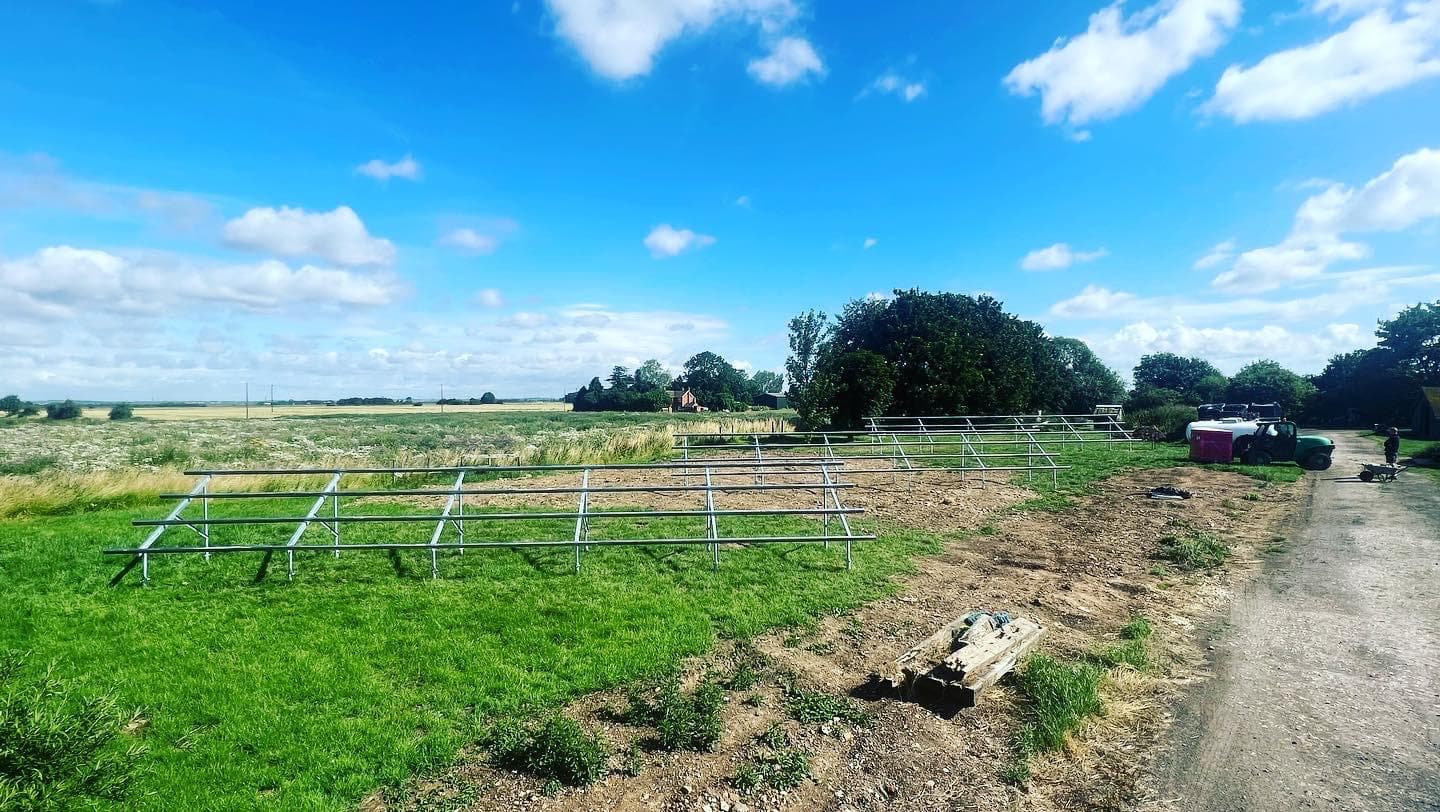
Out towards Legbourne, Binbrook and the higher ground the land rolls, and that changes how an array in a field is set out. Row spacing worked out for flat ground is simply wrong on a slope, because rows shade one another differently going uphill than they do going down, so the pitch and the gaps get recalculated for the actual gradient. A south facing slope is a gift. A north facing one is rarely worth the frame.
Shading is the other thing that gets missed on a farm site. Mature hedgerow, a shelter belt and a grain store all throw long shadows in the winter months when the sun sits low, and a dry valley can lose the first hour or two of morning sun altogether. We survey for that properly instead of picking the flattest corner of the field, because a badly sited array underperforms every year it stands there.
Slate, pantile and the fixings that suit them
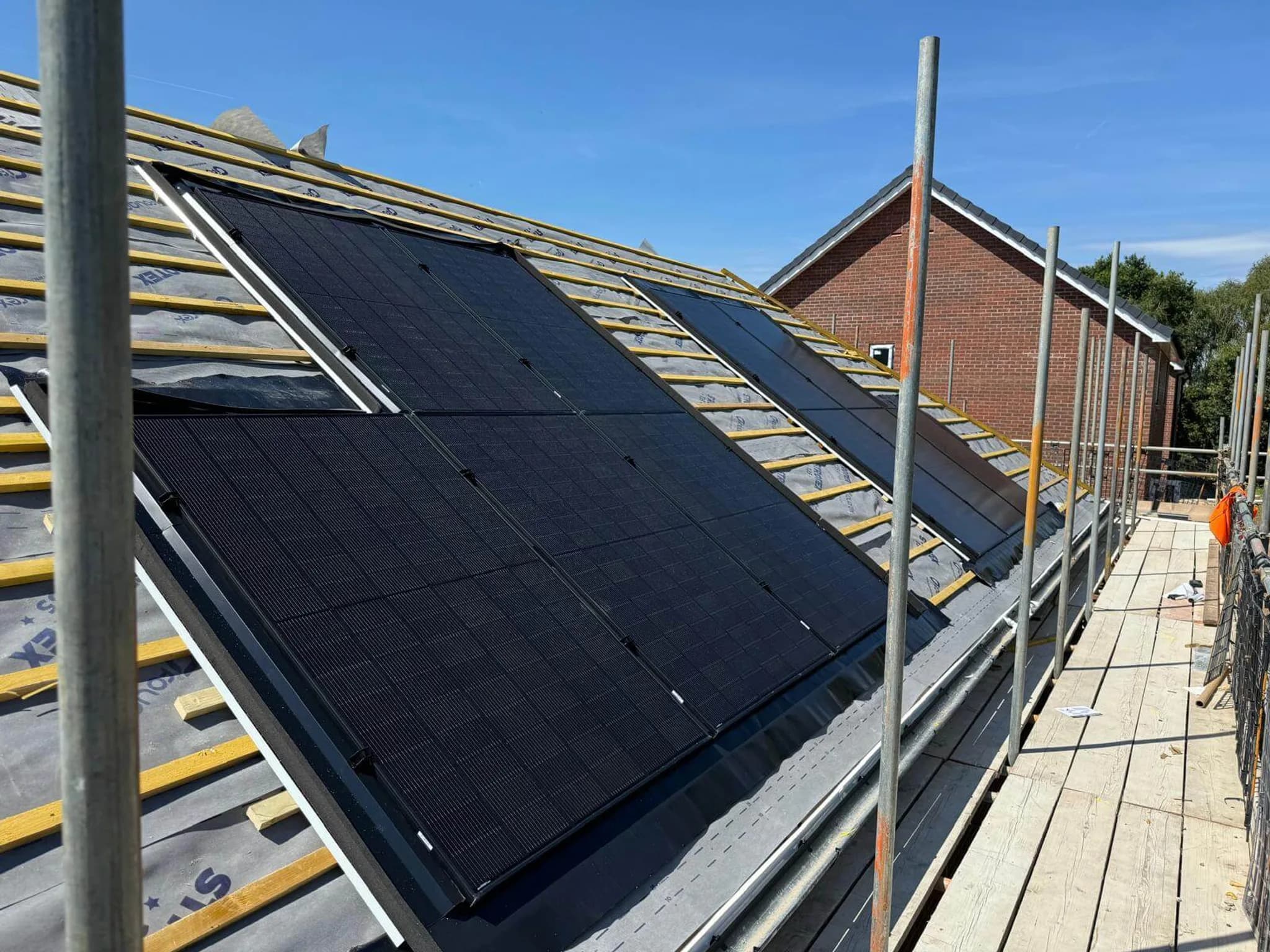
Older Louth roofs run to slate and clay pantile, and the two want completely different treatment. Slate is unforgiving and cannot be drilled through, so hooks are set to the batten under a lifted slate and the slate goes back over the top. Pantile takes a different bracket again, shaped to sit in the trough of the tile without loading the tile itself. Getting the wrong kit onto either is the usual cause of a leak that appears a year later.
Both want the roof looking at before a layout is drawn. Battens on a Victorian roof are often the original softwood, rafter spacing was never standardised, and there may be no felt under there at all. Knowing where the rafters actually run decides where the rows can go, and if the covering will not take an array, an outbuilding or a frame in the paddock is usually the better answer anyway.
Projects across the county.
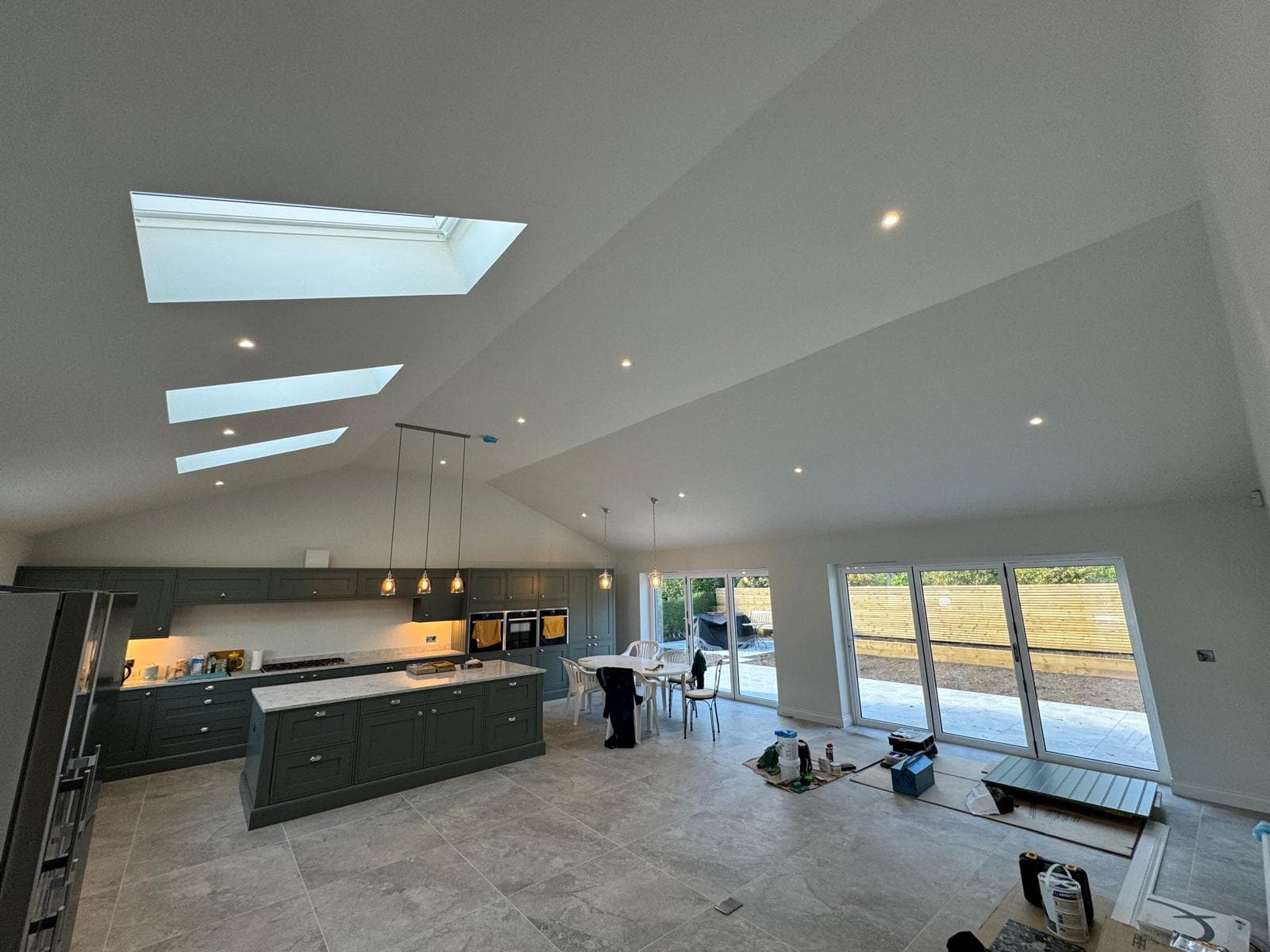 Case studyPrivate Residential New Build, Burton BuildersCoastal Electrical Services & Renewable Energy were appointed by N R Burton Builders to deliver a complete electrical and low-carbon energy solution for a new build…
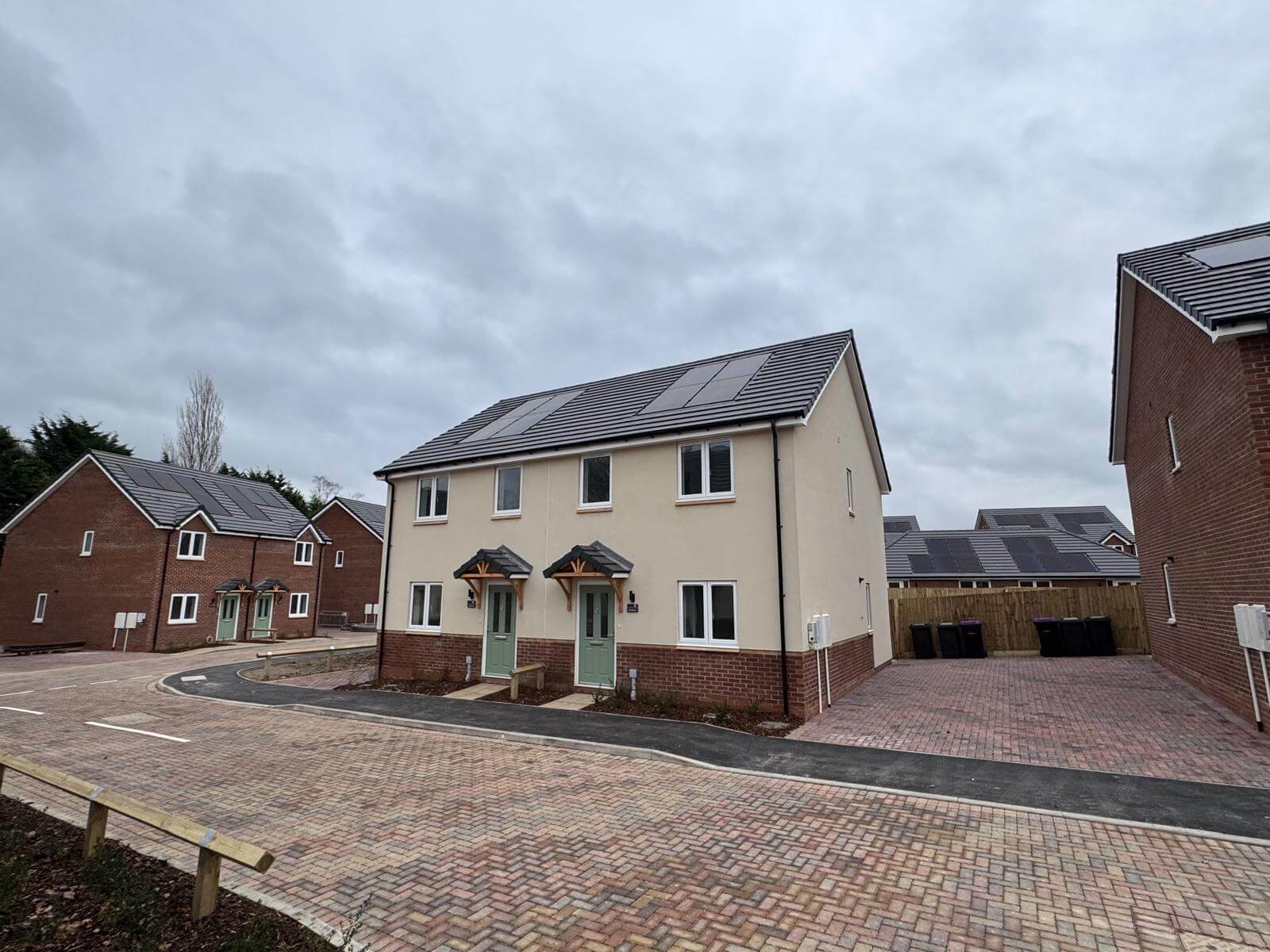 Case studyResidential Development, Belvin ConstructionWe were contracted by Belvin Construction to deliver the complete electrical and renewable energy installation across a 28-plot new build housing development. The…
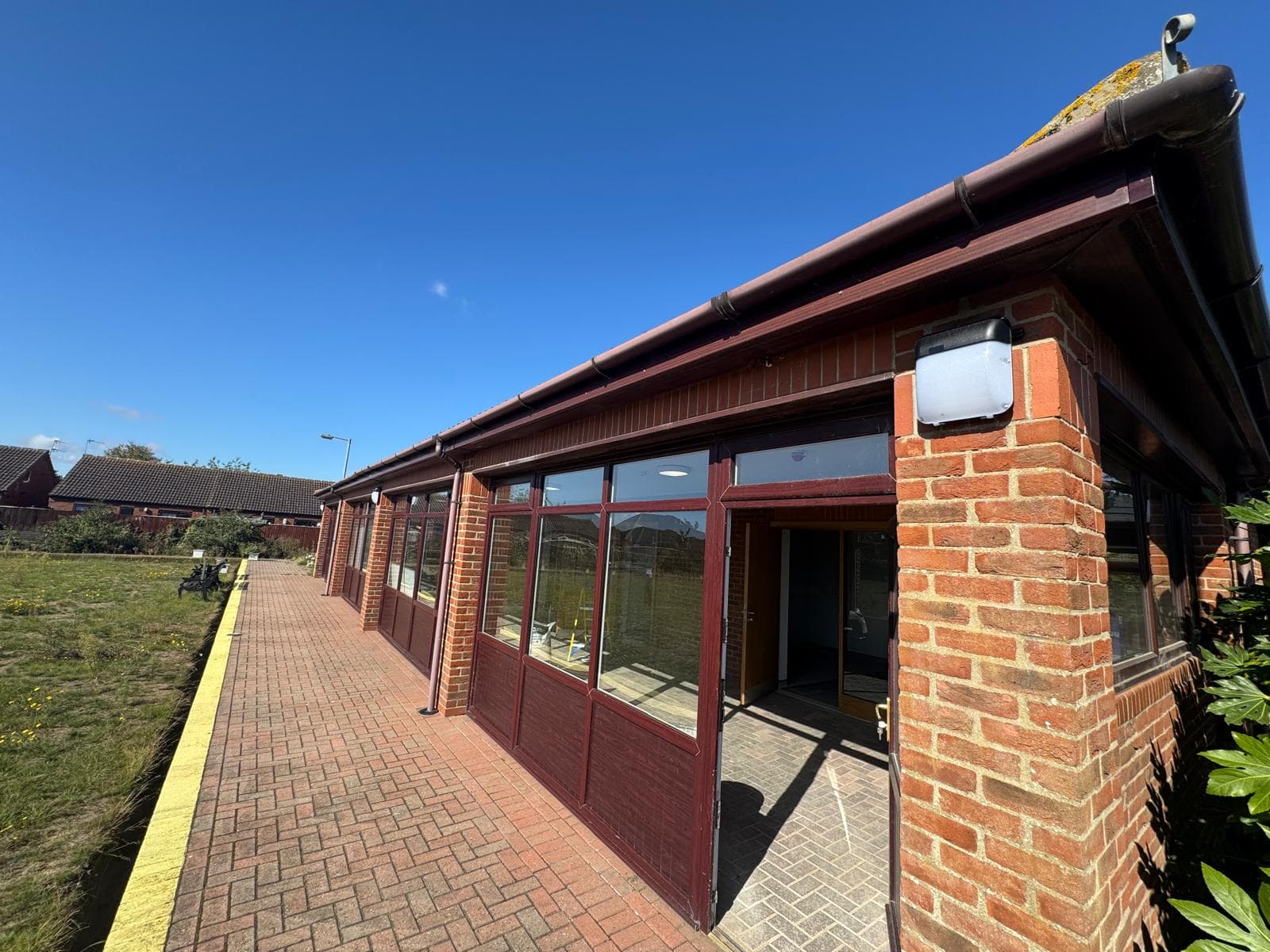 Case studyLinkage Training CentreWe were appointed to deliver a complete electrical and life-safety installation for a specialist training centre operated by Linkage. The project involved transforming…