
So, Are Solar Panels Worth It in 2026?
For most homes and businesses, yes, solar panels are worth it in 2026, and the case for them is stronger now than at almost any point in the last decade. Electricity prices are still high, the cost of a system has settled after years of steady falls, installation is currently free of VAT, and you can be paid for the power you generate but do not use. The typical pattern we see is a system that pays for itself within several years and then produces close to free electricity for two decades or more after that.
That said, solar is not automatically the right choice for every property, and any installer who claims otherwise is selling rather than advising. Whether panels are worth it for you comes down to your roof, how much electricity you use and when you use it, and whether you pair the panels with battery storage. Below we set out the real costs, savings and payback figures for 2026, based on the solar PV systems we install across Lincolnshire, so you can work out whether the numbers stack up for your home or business.
What solar panels actually cost in 2026
A typical domestic solar setup in 2026 costs somewhere between roughly £5,000 and £10,000, depending on the number of panels, the quality of the components and how complex the roof is. Add a home battery and you are usually looking at a few thousand pounds more. Larger family homes wanting to cover most of their usage tend to sit nearer the top of that range, while smaller systems can come in below it.
Two things have improved the maths recently. Panel and inverter prices have stabilised after falling for years, so you are buying mature, efficient technology rather than paying a premium for it. More significantly, the installation of solar panels on homes is currently zero-rated for VAT until the end of March 2027, after which the rate is set to return to 5 per cent. On a typical installation that relief is worth several hundred to well over a thousand pounds, which is money straight off your upfront cost and a genuine reason not to keep putting the decision off.
How much you can save on your energy bills
The main saving from solar comes from using your own generation instead of buying units from the grid. With electricity sitting at roughly 24 to 25 pence per unit for most households, every unit you generate and use yourself is a unit you no longer pay for. For a typical home, we generally see bill savings in the region of £500 to £900 a year from panels alone, and comfortably more once a battery is added to the system.
The figure that really decides your return is self-consumption, meaning how much of your generation you actually use in the property rather than send to the grid. A household that is busy during the day, runs appliances while the sun is up, or charges an electric car at home will get far more value from solar than one that sits empty from morning until evening. We always look closely at how and when a household uses power before quoting, because that pattern matters more to the outcome than the headline size of the system.
Getting paid for the electricity you export
Any electricity you generate but do not use can be sold back to the grid through the Smart Export Guarantee, a government-backed scheme that requires larger energy suppliers to pay you for your exported power. For a typical home this tends to add somewhere between £80 and £170 a year, though the best export tariffs currently pay up to around 30 pence per unit, which can lift that figure considerably for households that export a lot.
As an Octopus installation partner, we often see customers pairing their system with a smart export tariff to get more out of every unit. Export payments will not pay for a system on their own, but they meaningfully shorten the time it takes to break even and turn surplus generation into income rather than something you give away.
How long before solar panels pay for themselves
For most installations we carry out, the payback period lands somewhere between seven and twelve years, depending on system size, how much of the generation is used on site, and whether a battery is fitted. That sounds like a long time until you set it against how long the equipment lasts. Quality panels carry performance warranties of 25 years or more and routinely keep generating well beyond that, losing only a small fraction of their output each year.
The one component you should budget to replace at some stage is the inverter, which typically has a working life of around ten to twelve years. Even allowing for that, a system that has paid for itself within a decade goes on to deliver well over a decade of effectively free electricity afterwards. Looked at across its whole life rather than the first year, that is what makes solar worth it for the majority of properties.
When solar is worth it, and when it is not
We would rather turn down a job than fit a system that will disappoint, so it is worth being honest about the situations where solar makes less sense. A south-facing roof gives the best results, but east and west-facing roofs still perform well and are absolutely worth doing. A north-facing roof with no better alternative is where we tend to advise caution. Heavy shading from trees, chimneys or neighbouring buildings can also pull generation down, although panel-level optimisers can help recover some of that loss.
The condition of your roof matters too. If it needs re-covering in the next few years, it is far cheaper to handle that before the panels go on rather than after. And as we noted earlier, your usage pattern is decisive. A home or business that consumes most of its electricity during daylight hours will always get more out of solar than one that does not, which is why we assess each property individually instead of relying on a one-size-fits-all calculation.
Does adding battery storage make solar more worth it?
For a lot of households, this is the difference between a decent investment and a very good one. A battery stores your daytime generation so you can use it in the evening, instead of exporting it cheaply and then buying expensive units back after dark.
In our experience, a solar and battery system works better than a solar-only setup for most Lincolnshire homes because so much generation happens in the middle of the day when many properties are empty. Without storage, a large share of that free electricity is exported for a few pence rather than used to offset units that would otherwise cost four or five times as much. A battery pushes self-consumption up from around half of your generation to as much as 80 or 90 per cent, which is where the real savings come from. It also gives a degree of resilience, keeping essential circuits running through a power cut on systems set up for it.
What we have found installing solar across Lincolnshire
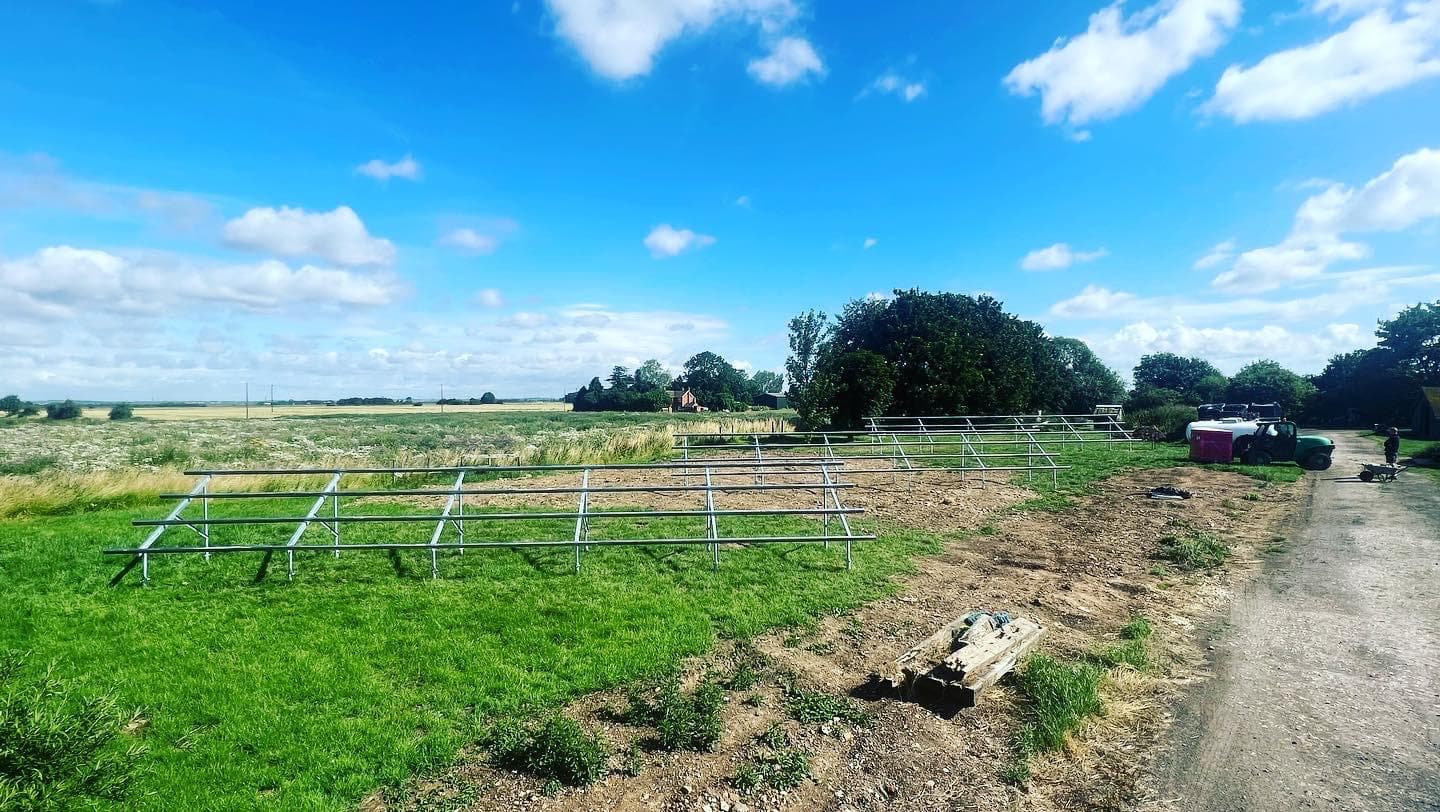
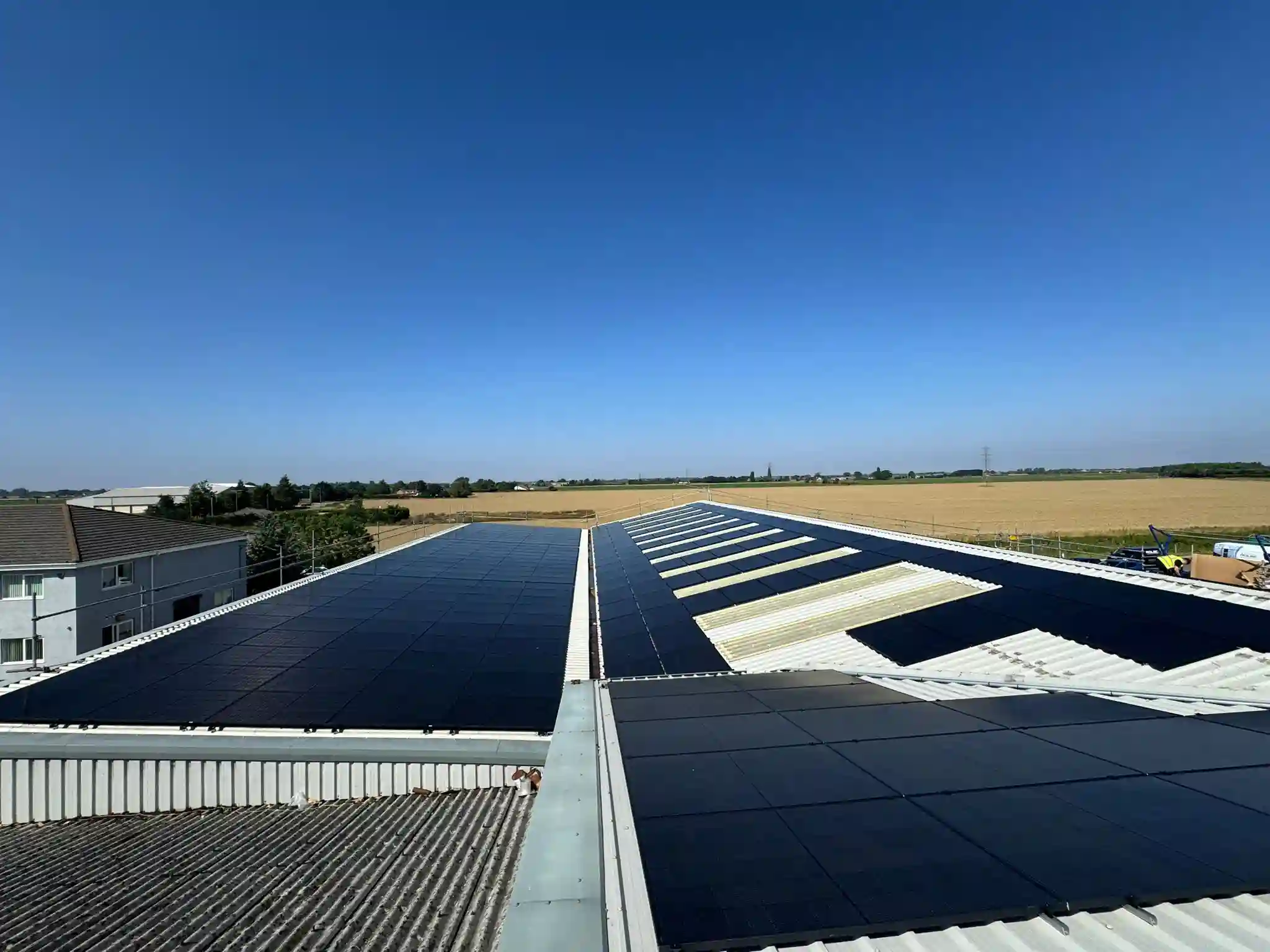
Across more than 30 years in the electrical and renewables trade, we have fitted solar on everything from small terraced homes to large commercial sites, and the pattern holds at every scale. On a recent project for a poultry farm in Friskney, we designed and installed a 30.24kW ground-mounted array paired with 30kW of battery storage, cutting the farm’s reliance on the grid and protecting it against the rising energy costs that come with running ventilation and environmental controls around the clock.
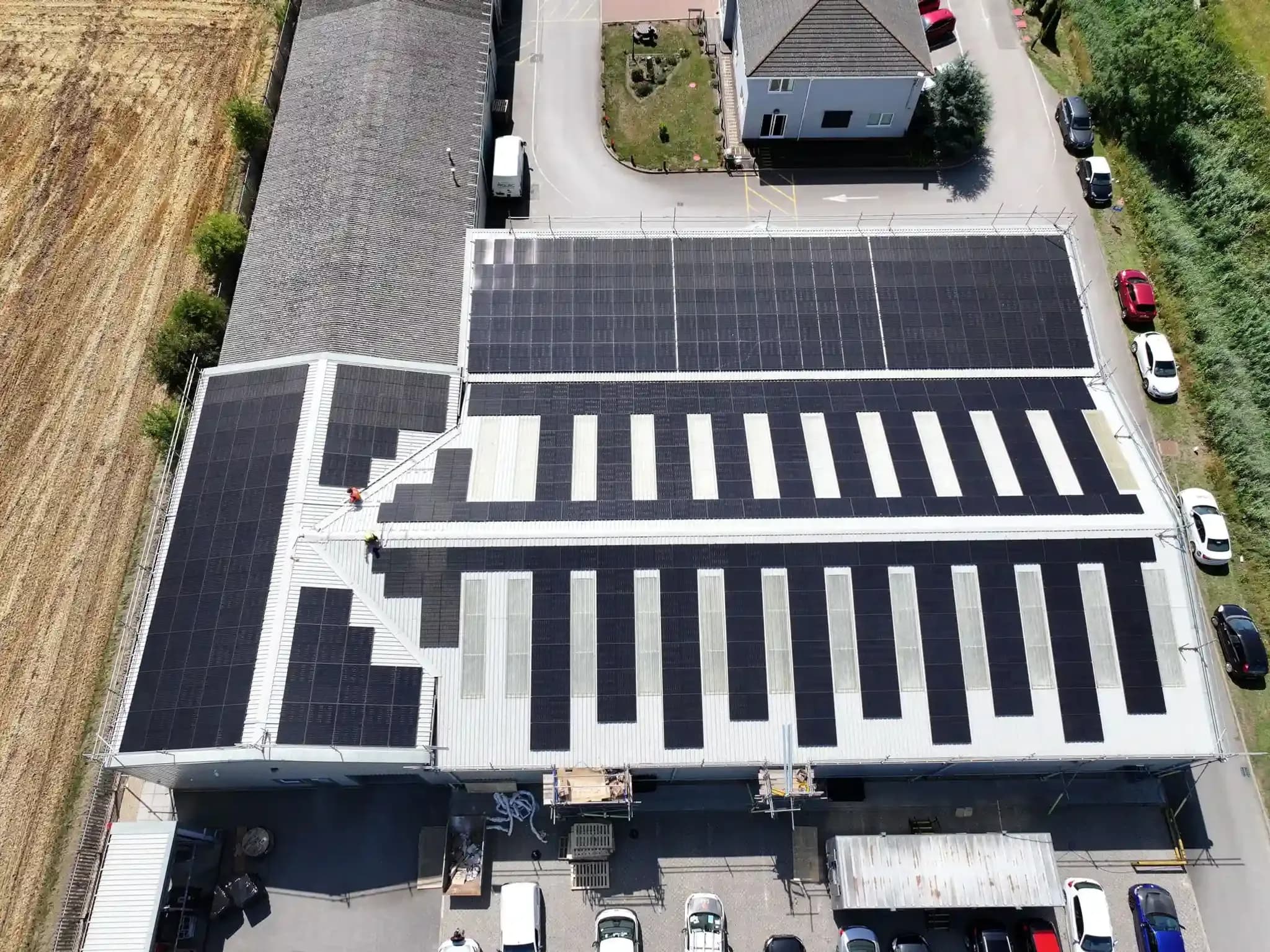
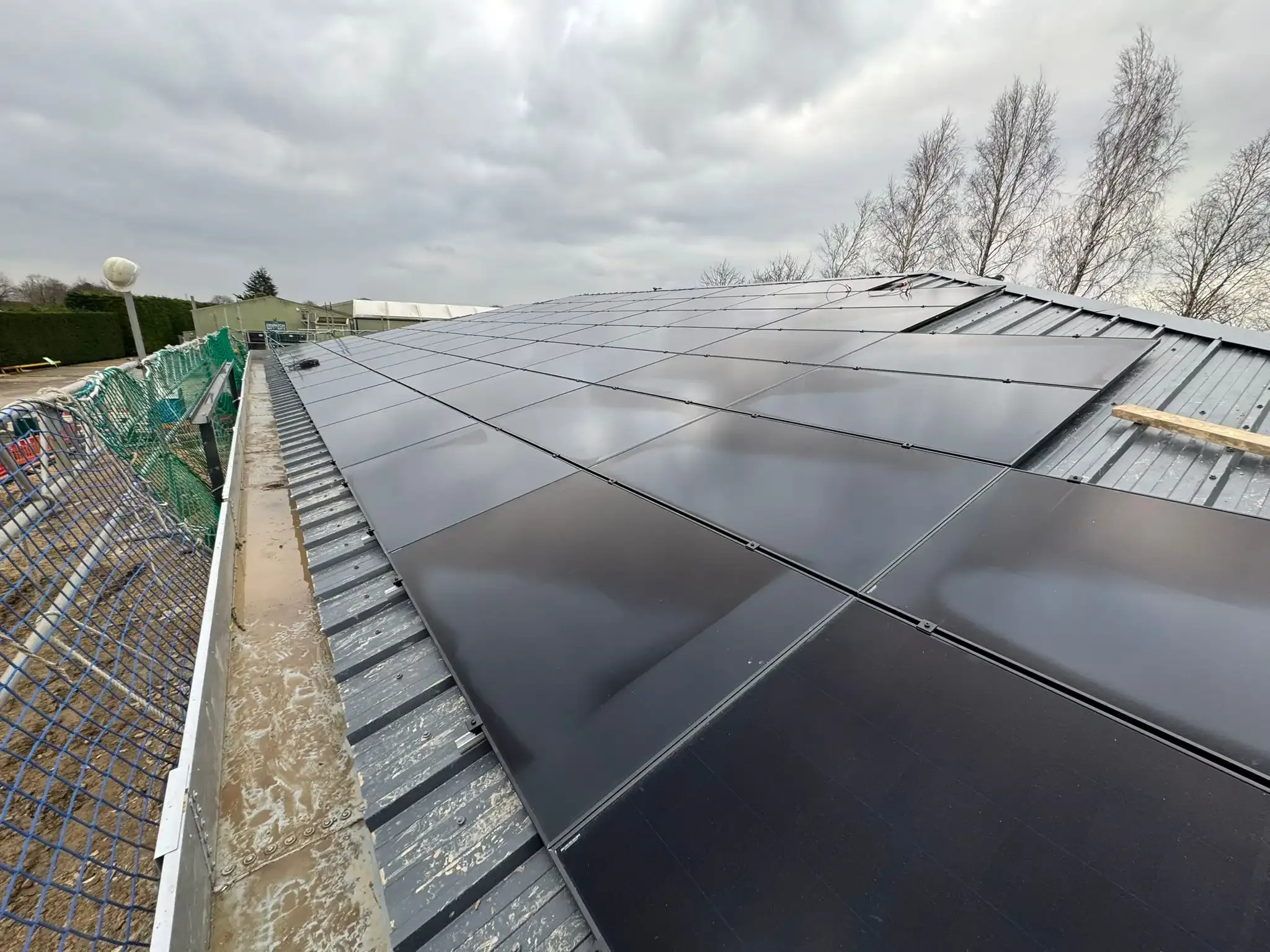
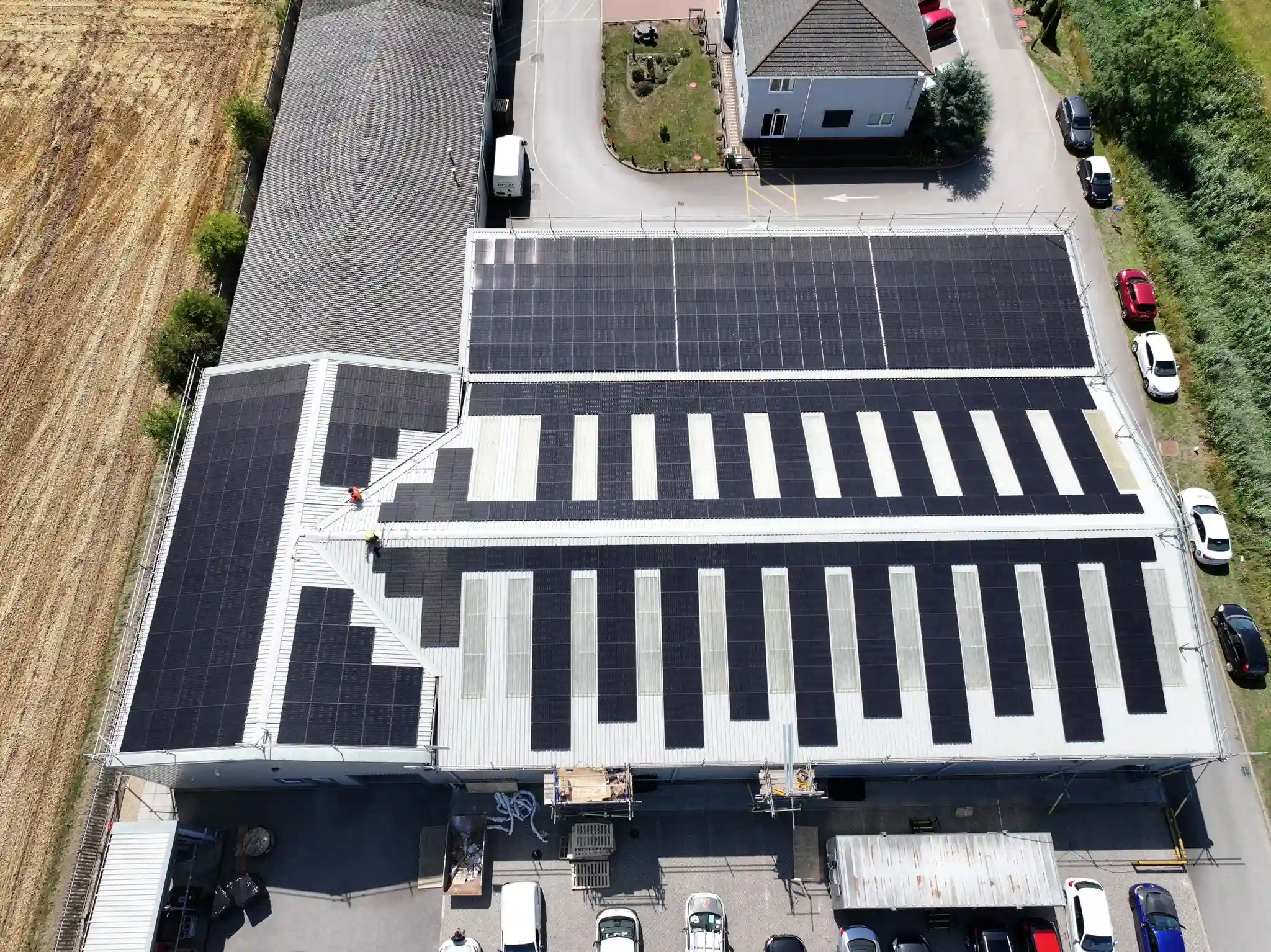
At the domestic end, we completed a 6.8kW system on a Lincolnshire home with a flat roof, which shows that an awkward roof is rarely a barrier with the right mounting approach. For businesses the numbers can be substantial, and we recently delivered a 315kW rooftop installation for a distribution centre, as well as a separate 200kW system paired with 200kWh of battery storage. Being based on the coast, we also build systems with local conditions in mind, specifying components and fixings that stand up to the salt air and exposed weather that come with this part of Lincolnshire. As an NICEIC approved, MCS certified and RECC registered installer, every system we fit is designed to be safe, compliant and built to last.
So, are solar panels worth it in 2026?
For the large majority of homes and businesses, the answer is yes. High electricity prices, stabilised system costs, 0 per cent VAT until 2027 and payment for the energy you export combine to make a compelling case for the majority of properties. The honest qualifier is that it depends on your roof, your usage and whether you add storage, which is exactly why a proper assessment beats any generic online calculator.
If you want to know what solar would realistically cost and save on your particular property, get in touch with our team for a straight answer and a tailored quote.