

A home solar battery in 2026 typically costs somewhere between around £3,000 and £13,000 fully installed, with most households landing in the region of £4,000 to £9,000 for a common size. What decides where you sit in that range comes down mainly to the capacity you need, the brand of battery, and how complex the installation is. It is a wide span, because a small unit for a modest home and a large one for a high-usage household with an electric vehicle are very different purchases.
As a rough measure, that works out at roughly £450 to £900 per kilowatt hour of storage installed, with the cost per unit falling as the battery gets larger. Helpfully, installation currently carries no VAT until the end of March 2027, which takes a meaningful amount off the price. Below we break down what a battery costs by size, what pushes the figure up or down, whether it is worth the outlay, and how to make sure you are paying for storage you will actually use.
How much a solar battery costs by size
Because capacity is the biggest single factor, it helps to look at cost by size. A small 5 kilowatt hour battery, suited to a modest home or lower evening usage, typically costs somewhere around £3,000 to £5,500 installed. A 10 kilowatt hour battery, which is the most common choice for a typical family home, generally runs from around £4,000 to £9,000. A larger 15 kilowatt hour system, for a high-usage household or one with an electric vehicle or heat pump, tends to fall between roughly £9,000 and £13,000.
These are installed prices including the battery and the work to fit it, and they are guides rather than quotes, since every property and every system is different. The clear pattern, though, is that while a bigger battery costs more in total, the cost per kilowatt hour comes down as the size goes up, for reasons we explain shortly.
What drives the cost up or down
Several things move the price within those ranges. Capacity is the obvious one, and it scales roughly in line with the size of the battery. Brand and build quality make a real difference too, with premium names commanding more, and battery chemistry plays a part, though the market has largely settled on lithium iron phosphate for home storage because of its safety and long life.
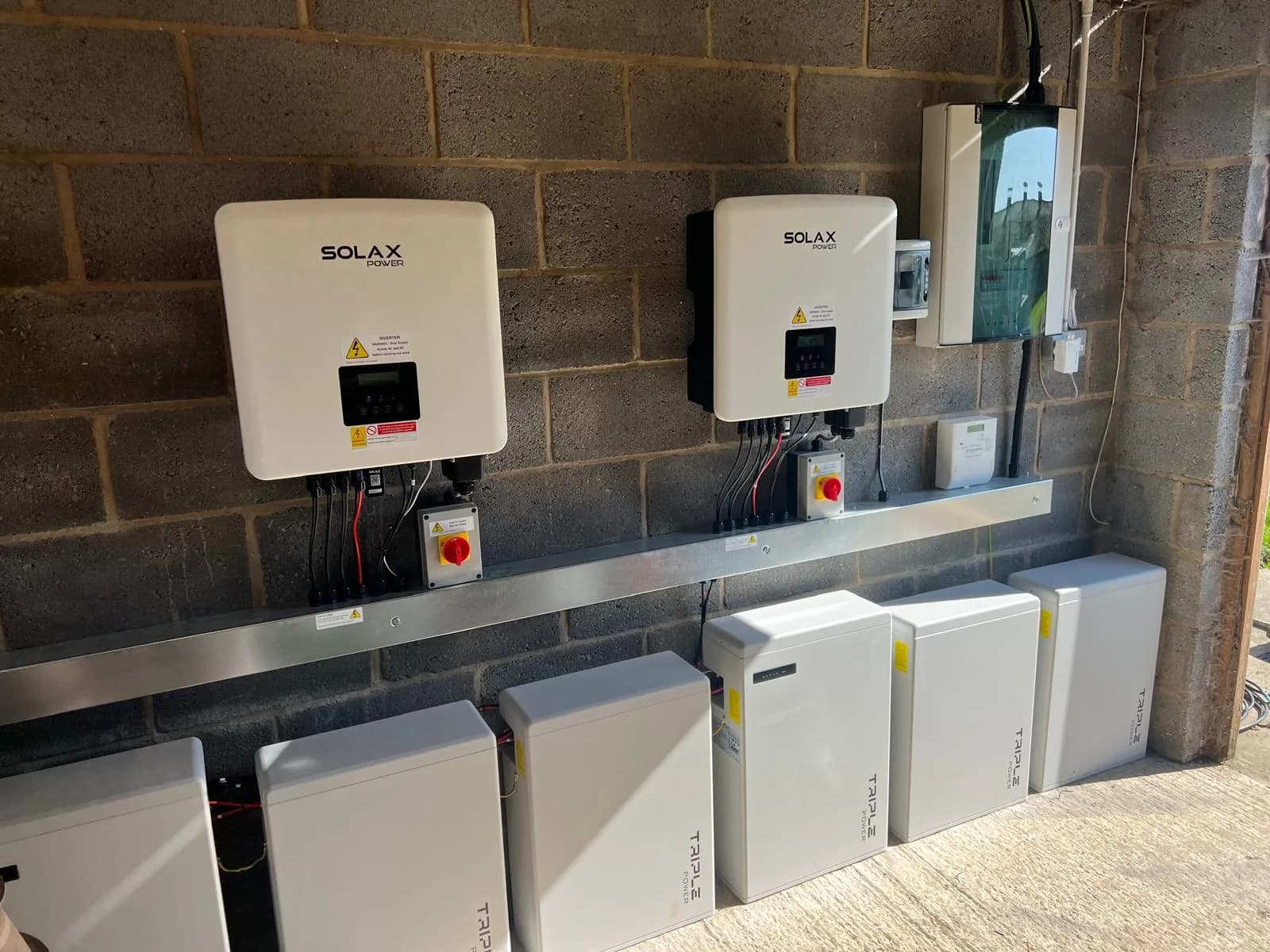
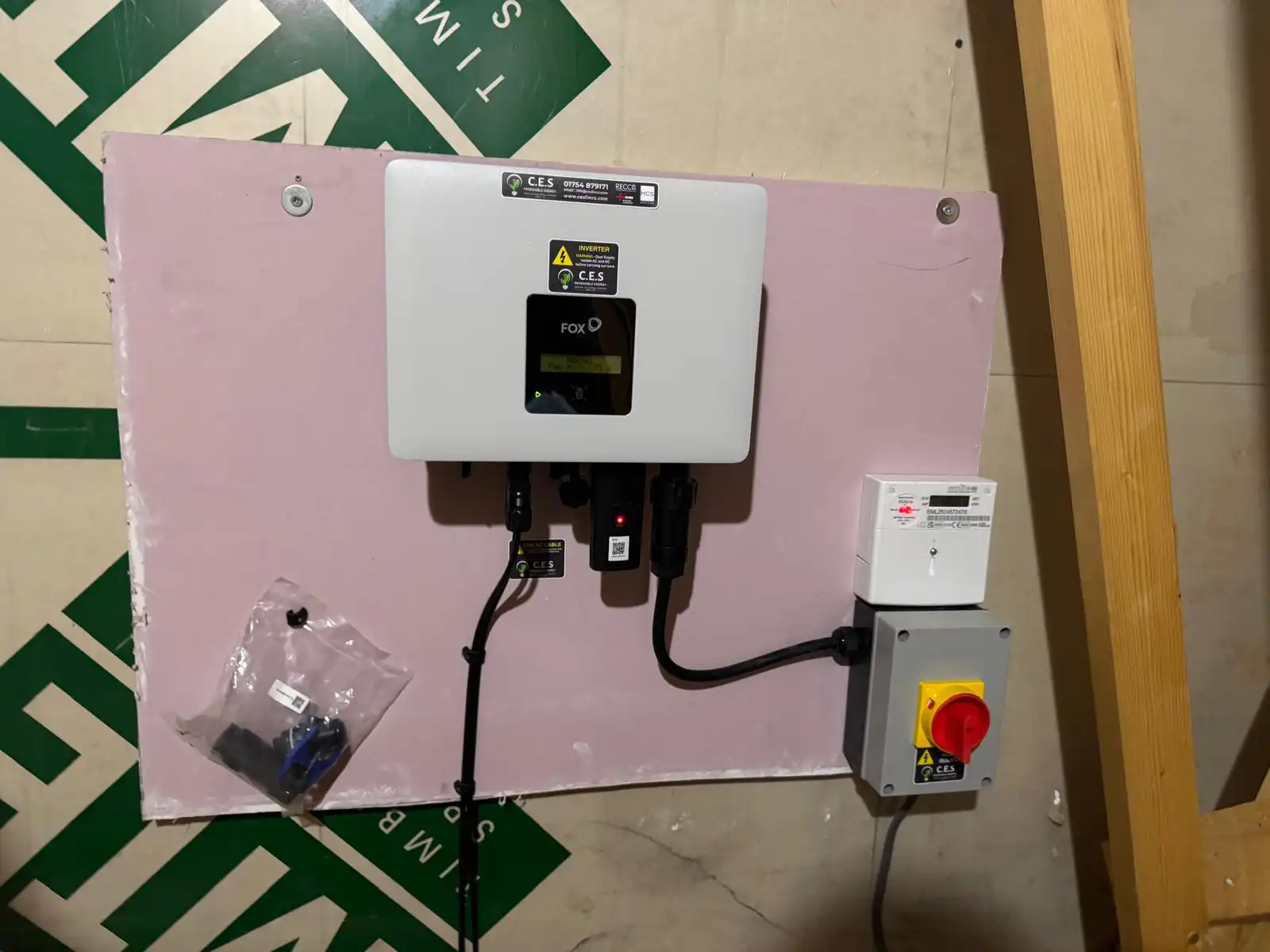
The installation itself is the other major factor. Whether the system uses a hybrid inverter, which handles both panels and battery, or an AC-coupled battery with its own inverter added to existing solar, affects both the equipment and the labour, and understanding how solar battery storage works makes these choices easier to follow. Older properties sometimes need their consumer unit upgrading to take the new equipment, which can add several hundred pounds, and a more awkward or involved installation naturally costs more than a straightforward one.
Does 0% VAT still apply to solar batteries?
Yes, and it is worth taking advantage of while it lasts. Battery storage currently qualifies for 0 per cent VAT, whether it is fitted alongside new solar panels or added to your home on its own, a relief that runs until the end of March 2027. On a typical system that saving is worth a meaningful sum straight off the price, which makes now a sensible time to install rather than waiting for the relief to end.
Why the inverter and electrics shape the price
One thing that surprises people is that the battery cells are not the whole story, and much of the fixed cost of an installation sits in the inverter and the electrical work rather than the storage itself. A small battery and a large one need broadly similar inverter, isolation and wiring work, so doubling the capacity does not double the price. This is exactly why the cost per kilowatt hour falls as systems get larger.
In our experience, fitting slightly more capacity in a single installation works better than adding a second battery later, because the inverter, electrical work and labour are much the same whatever the size, so you get more storage for your money in one visit than in two. The important qualifier is that the extra capacity has to be storage you will genuinely use, since a battery too large for your daily needs simply sits part empty. Sized sensibly, though, a little more in one go is usually better value than coming back for more down the line.
Getting value for money
The single biggest thing you can do to get value from a battery is to size it correctly, which means matching it to how much electricity you use outside daylight hours rather than buying the largest unit you can. Working out what size battery you need from your genuine usage is what stops you overpaying for capacity that never fills, while still fitting enough to make a real difference. This is exactly what a proper assessment does, and it is why we always look at your consumption before quoting rather than reaching for a standard package.
Is a solar battery worth the cost?
Honestly, it depends on how you use electricity, and it is worth being straight about that. On the strength of storing surplus solar alone, a battery can take a long time to pay for itself. Where the numbers improve sharply is for households with high usage, and especially those on a time-of-use tariff, who can charge the battery cheaply overnight and avoid buying expensive power during the evening peak. A battery also lifts the share of your own solar you use from around a third or a half to as much as 70 or 80 per cent, and any surplus you still export can earn a little through the Smart Export Guarantee.
Beyond the pure economics, many people value the backup a battery can provide in a power cut and the greater independence from a volatile grid. The honest position is that a battery is best judged on the whole picture of savings, resilience and getting more from your solar, rather than on payback alone.
What we see fitting batteries across Lincolnshire
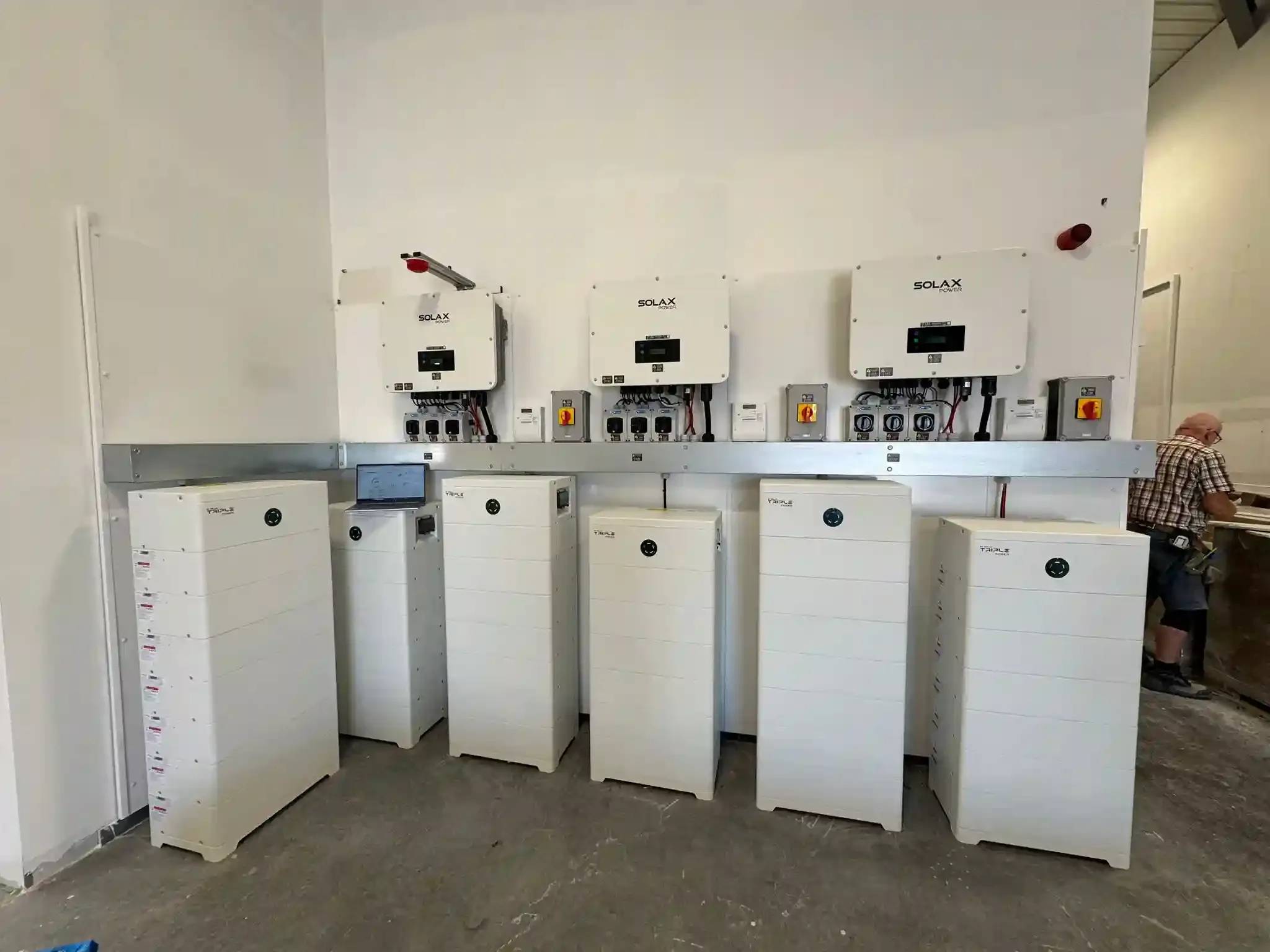
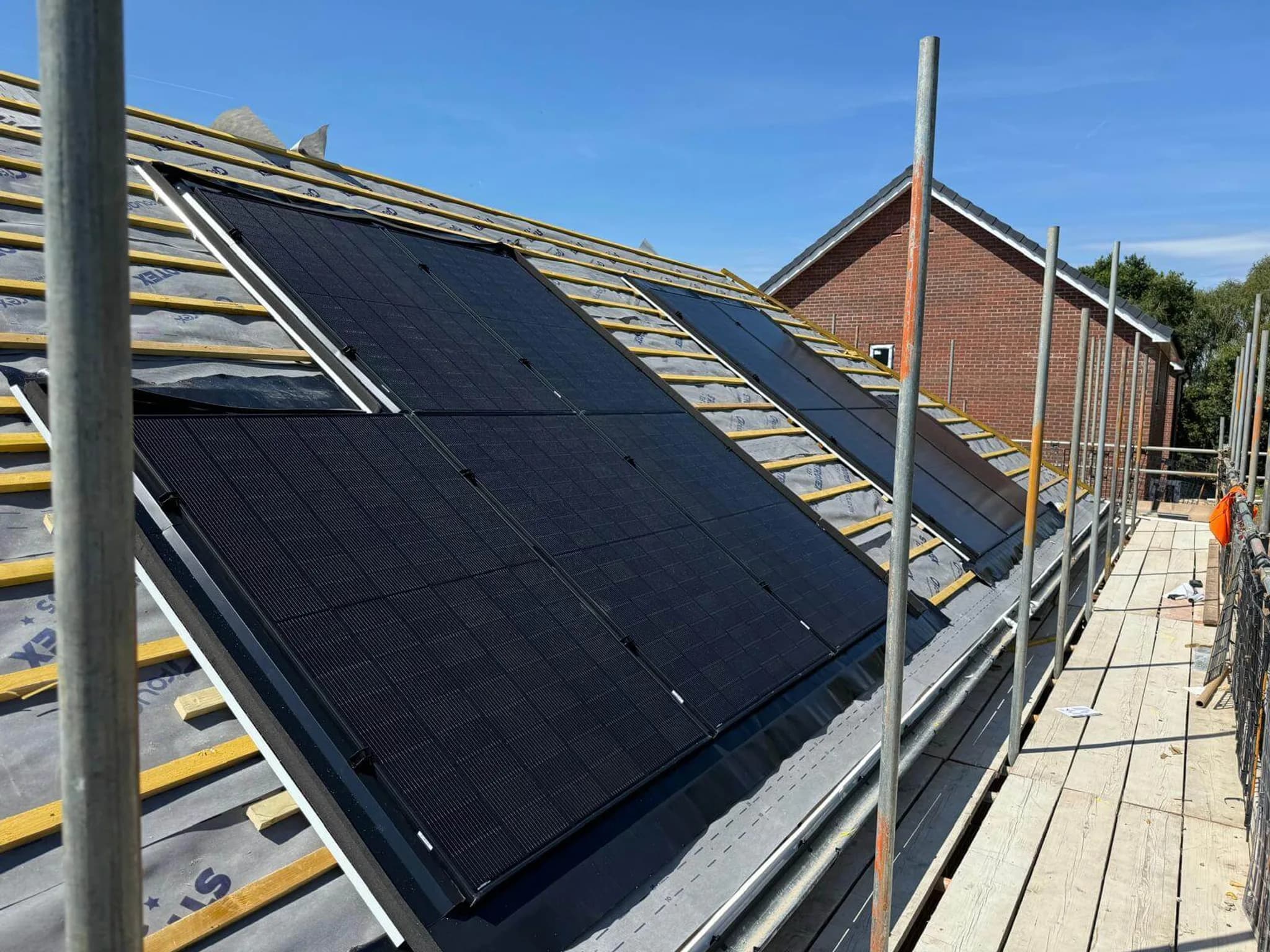
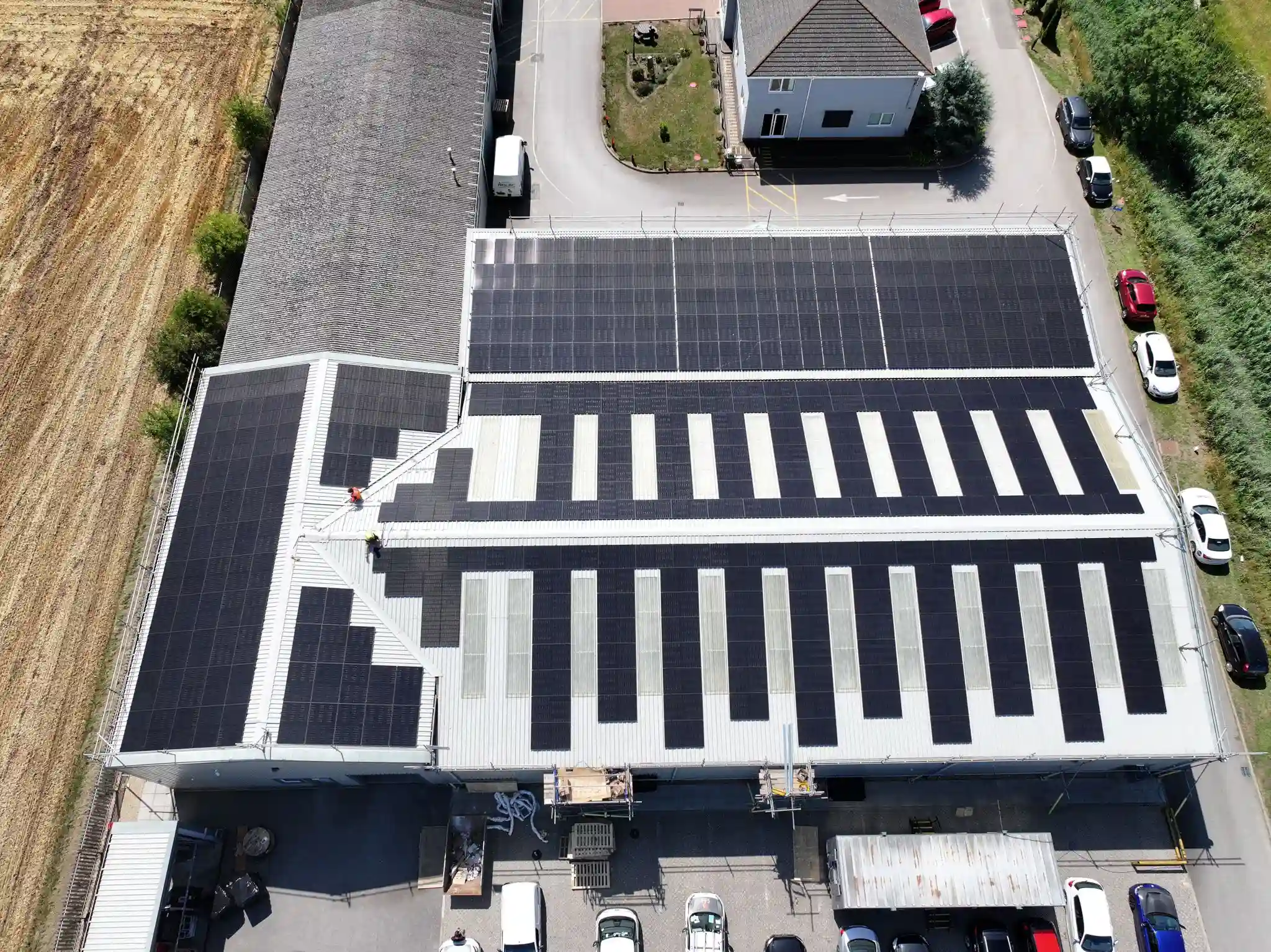
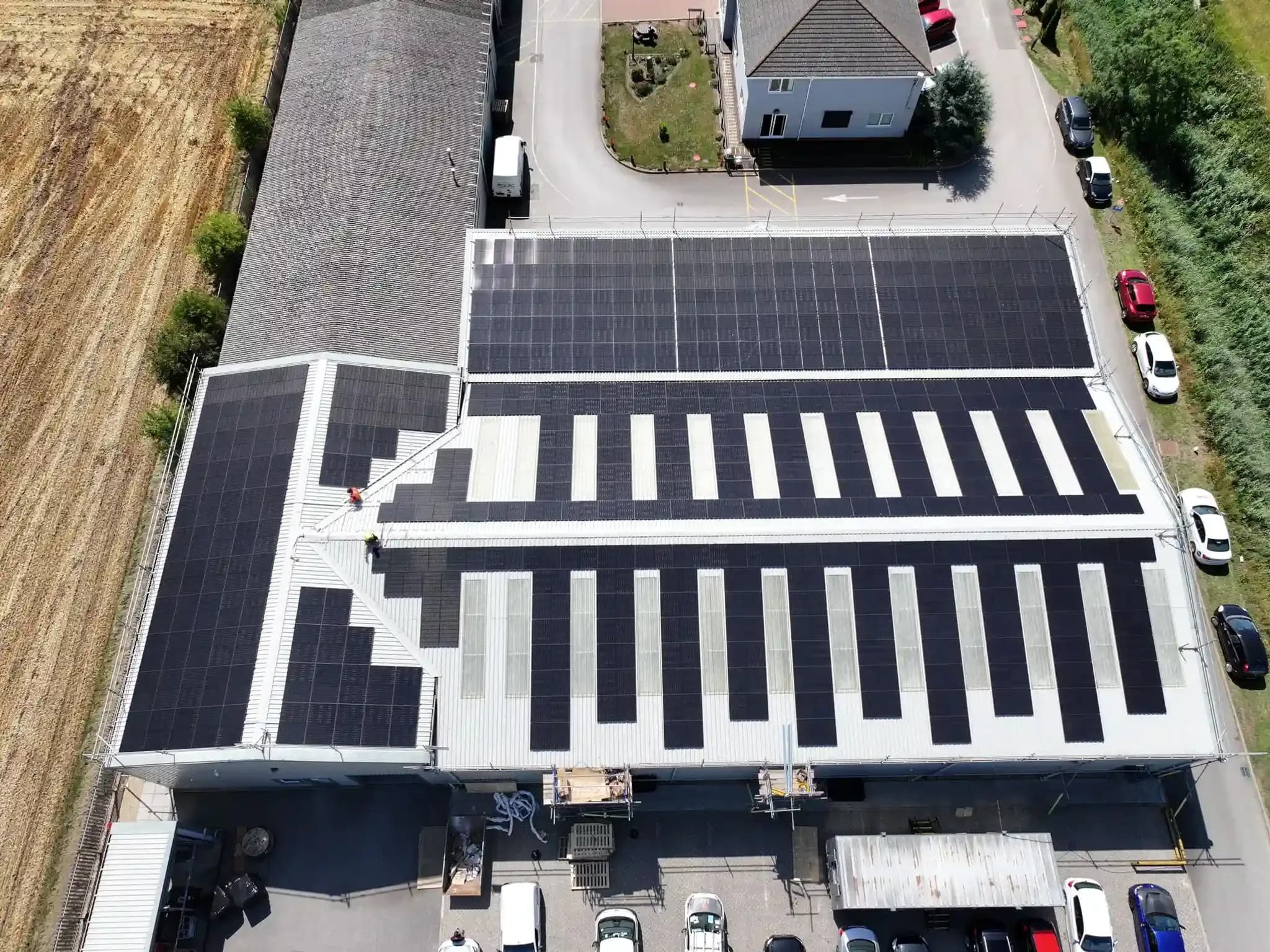
Over more than 30 years in the electrical and renewables trade, we have fitted storage at every scale, and the cost naturally reflects the size of the job. For a homeowner we completed a 6.8kW solar and battery installation on a flat roof, sized to the household, while at the commercial end we have delivered systems as large as a 200kW array with 200kWh of storage. The principle holds across that whole range, that the right system is the one sized to how the property actually uses power, which is what gives the best value whatever the budget.
As an NICEIC approved, MCS certified and RECC registered installer, and an Octopus installation partner, we quote honestly on real-world capacity and set every battery storage system up to earn its keep rather than selling the largest unit we can.
Talking to CES about solar battery costs
What a battery costs comes down to the capacity you need, the equipment you choose and the installation itself, and the current VAT relief makes it a sensible time to buy. The way to get genuine value is to size it to your usage and set it up to work intelligently with your tariff, which is what we do on every job.
If you would like an accurate price for a battery suited to your home and the way you use electricity, get in touch with our team for a tailored quote.