
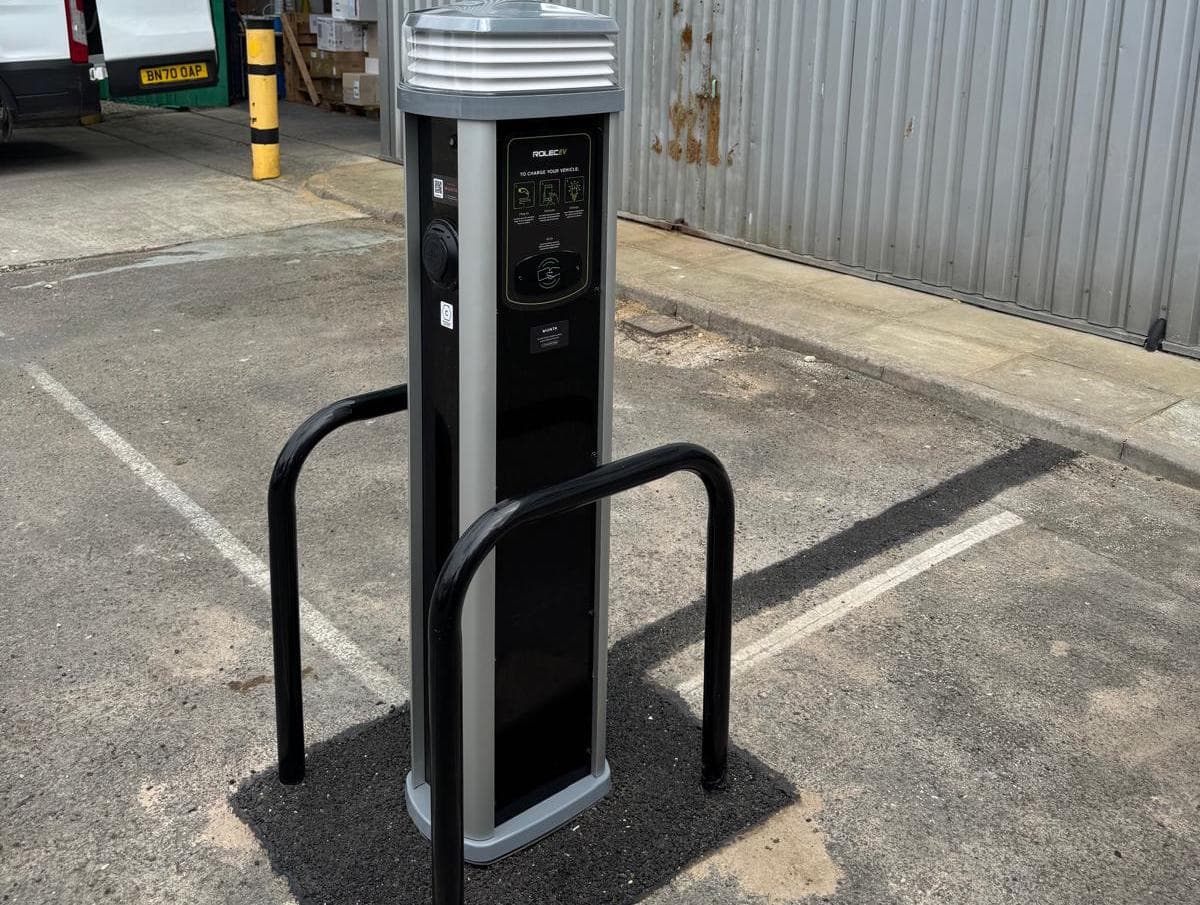
EV charger installation in Lincolnshire
Home chargers wired properly by the same team that does the rest of your electrics, and multi bay workplace installations with the groundwork and distribution to match.
Rolec home and workplace charge points.
- Home charge points
- Workplace and fleet charging
- Load management
- Rolec charge points
- Ongoing maintenance
How we work
- 1Free consultationWe look at what you have and what you need, with no obligation.
- 2Tailored designA written quote with the kit list and the numbers before you commit.
- 3Professional installOur own engineers, certified and notified properly.
- 4AftercareServicing and support once the job is signed off.
Home EV charger installation and your incoming supply
A 7kW charge point pulls around thirty two amps continuously, which is more than almost anything else in a house and it does it for hours at a stretch. So the first job is a proper look at the incoming supply, the main fuse rating and the state of the existing consumer unit. Plenty of older properties in Lincolnshire still have a smaller cutout than people assume, and once you add a shower, an electric oven and a car, the arithmetic gets tight.
Where headroom is short, load management is the answer instead of a smaller charger. A CT clamp on the incoming tails lets the charge point throttle itself when the rest of the house is drawing hard, then ramp back up when the kettle goes off. The car still charges overnight, it simply works around everything else. That is usually far cheaper than applying for a supply upgrade and, on most drives, invisible in day to day use.
The charger gets a dedicated circuit and its own protective device, never a spur off something convenient. Cable size and route are worked out for the actual run length and installation method, because a long run down a garden to a detached garage is a different calculation from a unit on the wall beside the meter. Get that wrong and the charger will either trip or sit there derating for the next ten years.
Every new charge point is notified to the network operator, which in Lincolnshire is National Grid. Most home chargers can be fitted first and notified afterwards. Where a house would end up drawing a lot of power at once, the network operator is asked before the charger goes in, which adds time, so we check for it at the survey.
Earthing arrangements and open PEN protection
This is the part of EV work that catches people out. On a PME supply, a broken neutral out in the network can lift the whole earthing system to a dangerous potential, and outdoors, where you are touching a car with your feet on wet ground, that matters far more than it does indoors. The wiring regulations require the risk to be managed properly, and there is more than one accepted way of doing it.
Most modern charge points include open PEN detection, which disconnects the unit when it sees the voltage go somewhere it should not. That is the usual solution and it is clean. Where a unit does not have it, or the installation calls for it, the alternative is a dedicated earth electrode for the charger, driven and tested instead of pushed in and forgotten about. We measure the electrode resistance and record it on the certificate.
Either way the work is certified under BS 7671 and, as a new circuit, notified under Part P. The same engineers who look after the rest of your electrics install the charger, so nobody is arguing later about whose circuit is whose when something needs looking at.
Workplace and fleet charging for Lincolnshire businesses
Workplace installations are a distribution problem more than a charger problem. Several bays sharing one supply need either a sub main sized for the full diversified load or dynamic load management across the group, and on plenty of sites both. Several bays on one supply often need the network operator's agreement before they are connected, and that can set the programme. For Micron Clean Ltd at their Swindon facility we installed a dual 22kW commercial charger fed from a dedicated sub main off the building's mains intake, with excavation, ducting, cable protection and all the surfaces made good afterwards.
Groundworks are usually the bigger cost and the part that disrupts a working site, so they get planned around your operation. Where a business already has solar on the roof, charging fleet vehicles in the middle of the day off your own generation is worth considerably more than exporting the same units. That is a conversation worth having before anyone decides where the bays are going to sit.
EV charging guides.
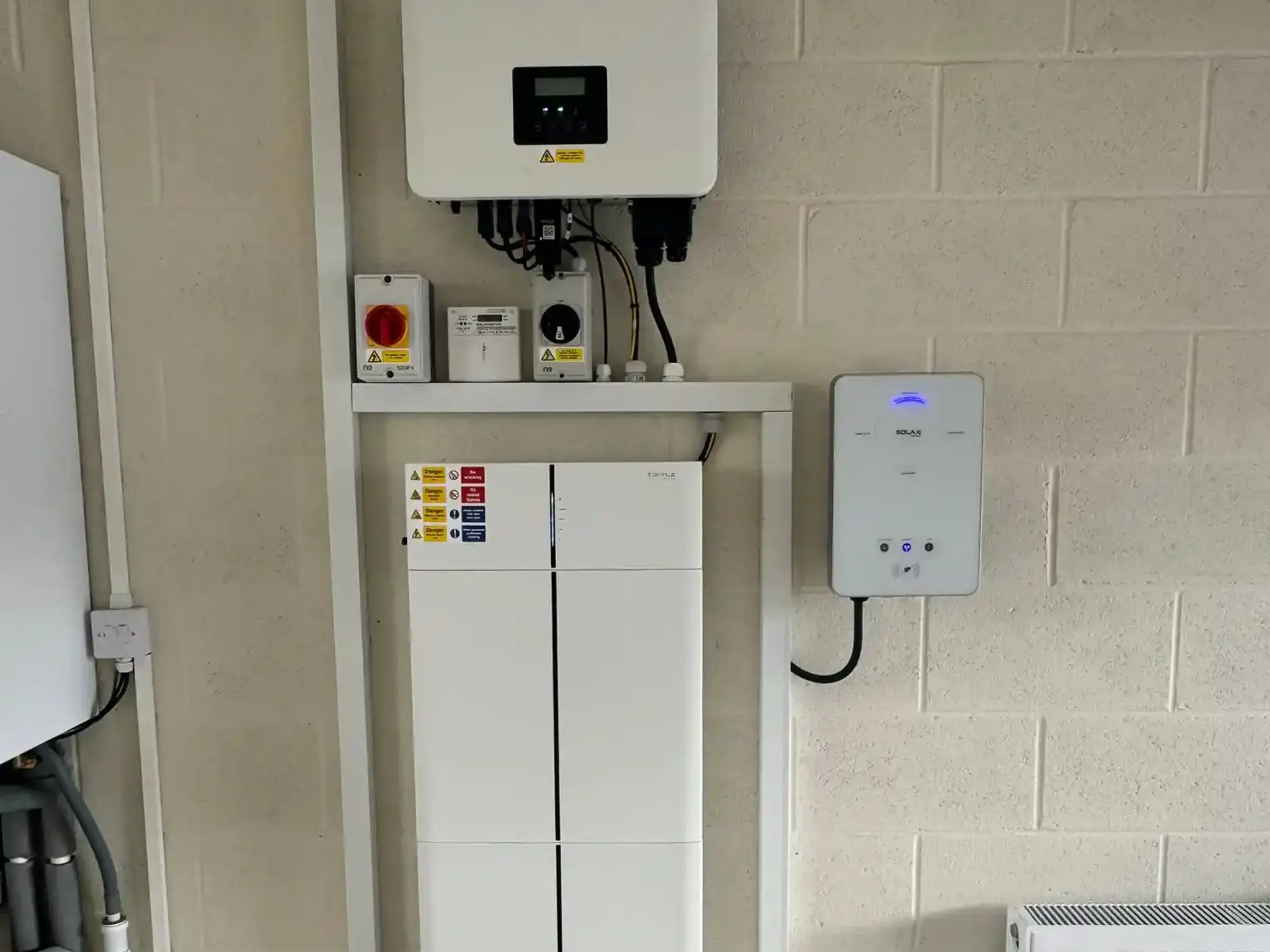
Can You Charge an Electric Car From Your Solar Panels?
Yes, you can charge an electric car from your solar panels, but how much of the car's charge the sun provides depends on three things. The car has to…
How Much Does It Cost to Install a Home EV Charger?
Installing a standard 7kW home EV charger costs roughly £800 to £1,200 outside London and the South East in 2026, supplied and fitted, according to…
Recent projects.
Case studyDual 22kW Commercial EV Charger for Micron-Clean, SwindonA dual 22kW commercial EV charger for Micron-Clean in Swindon, with a new sub-main, underground ducting and full testing before it was handed over.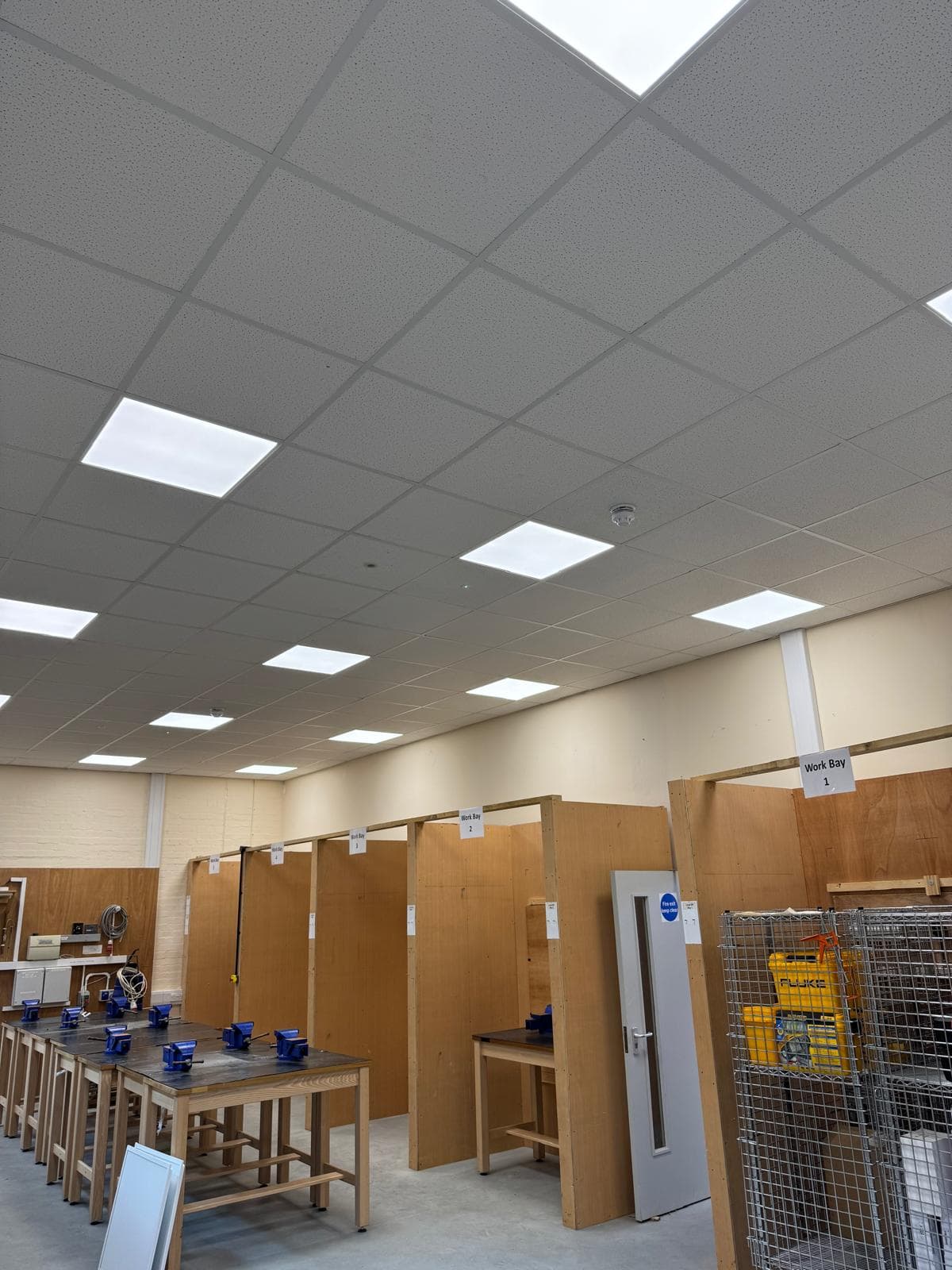 Case studyRewire and LED Lighting Upgrade at Grantham CollegeA rewire and LED panel lighting upgrade at Grantham College for Belvin Construction, including removing and reinstating the solar PV for the new roof.
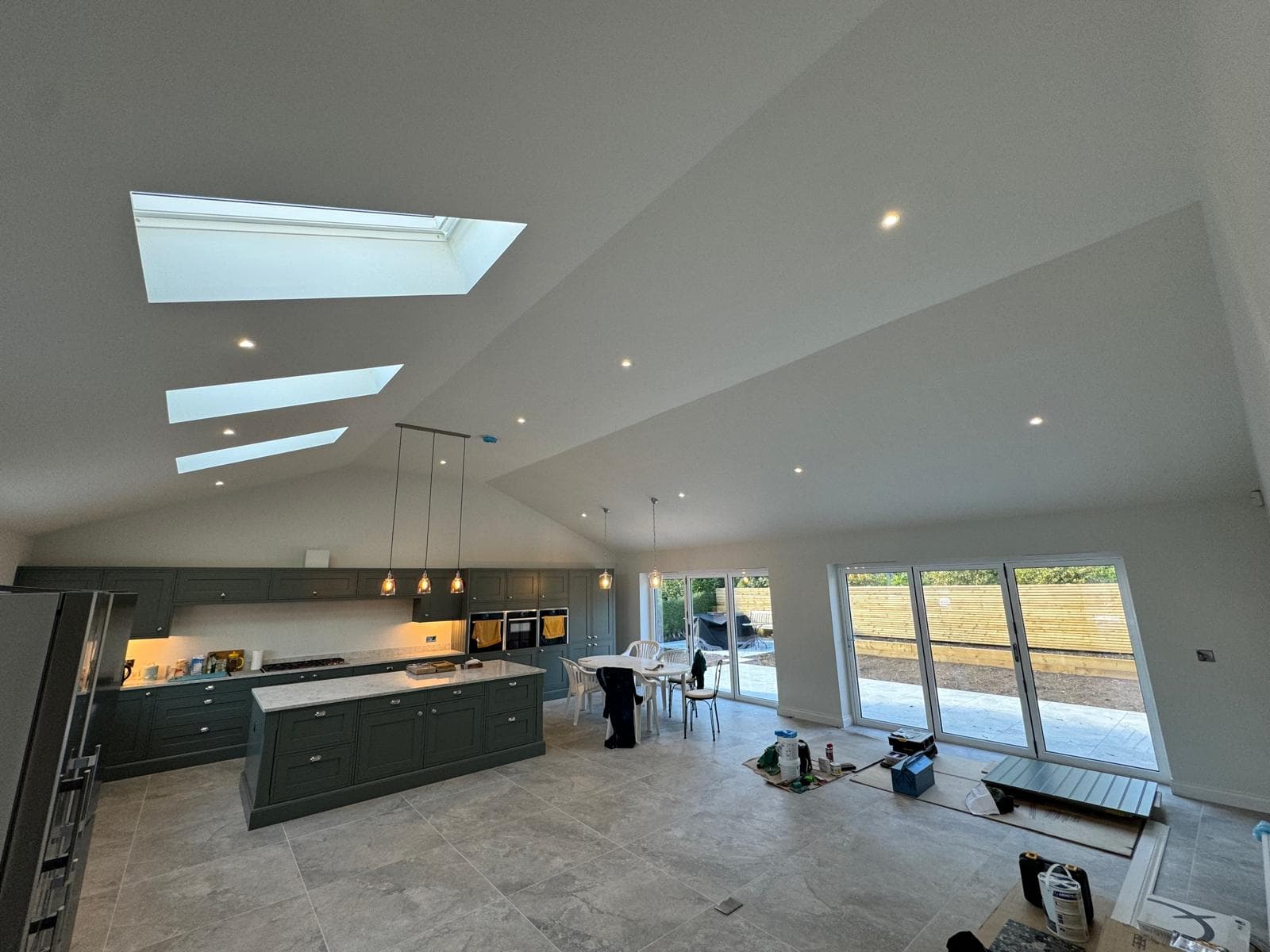 Case studyNew Build Home Electrics and Solar, N R Burton BuildersFirst and second fix wiring for a new build home with N R Burton Builders, plus CCTV, an intruder alarm, an EV charger, solar PV and battery storage.
Other CES Renewables services.
EV charging across Lincolnshire.
Based in Skegness and covering the county. If you are not sure whether we reach you, just ask.