
Installing a standard 7kW home EV charger costs roughly £800 to £1,200 outside London and the South East in 2026, supplied and fitted, according to current price guides. That covers the charger, a dedicated circuit from your consumer unit, a short cable run to an outside wall, the testing and the certificate. The price climbs when the cable has to travel a long way or go underground, when the consumer unit needs replacing first, or when the earthing needs extra work, and each of those can add from around £150 to several hundred pounds.
The main government grant of up to £500 is only for flat owners and people who rent, so most homeowners with a driveway pay the full price. EV chargers also pay VAT at the standard rate, unlike solar panels and home batteries. The rest of this guide covers what makes up the price, the extras that change it, and how to keep the cost down.
What a standard EV charger installation includes
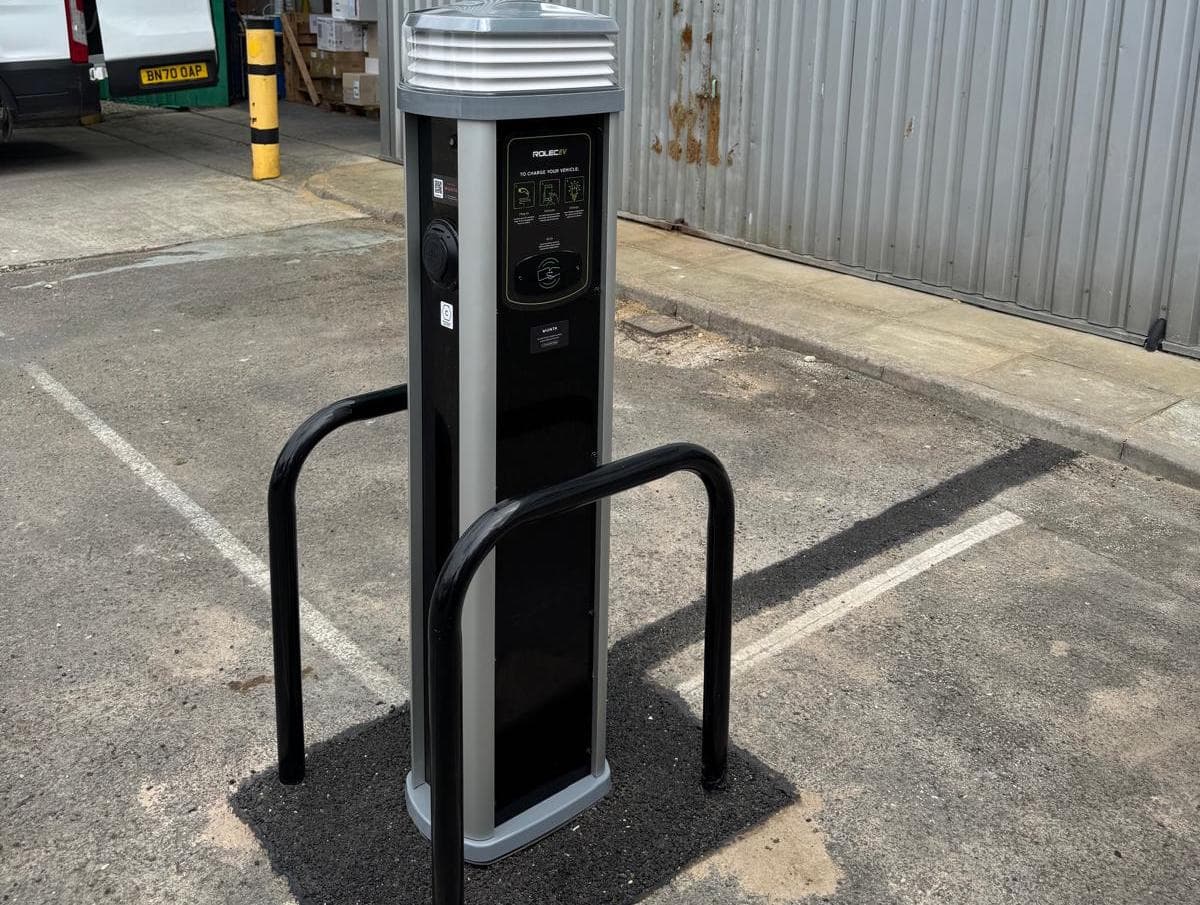
A home charge point needs its own circuit. A 7kW charger draws around 32 amps for hours at a time, more than almost anything else in a house, so it cannot be spurred off an existing socket circuit. A standard installation therefore means a new circuit and protective device at the consumer unit, a cable sized for the length of the run, the charger fixed to an outside wall or post, and the earthing arrangement that outdoor charging requires.
A new circuit is notifiable building work under Part P, so the installation is tested and certified, and the network operator is told about the new load. In Lincolnshire that is National Grid, whose guidance on connecting an EV charger explains the process. Most home chargers can be fitted and then notified, but where a house would end up drawing a lot of power at once, the network operator is asked first.
Every home charger sold in Great Britain has had to be a smart charger since 30 June 2022, under the smart charge point regulations. It must come set to charge outside peak hours by default, which you can change, and it builds in a short random delay before charging starts so that thousands of cars do not all switch on at once. The upside is that a smart charger pairs naturally with a cheap overnight tariff.
Typical EV charger installation costs
The 2026 price guides give these ranges for a supplied and fitted 7kW charger outside London and the South East.
- An untethered charger, with a socket for your own cable, about £800 to £1,100.
- A tethered charger, with the cable fixed to the unit, about £850 to £1,200.
- A charger installed with a consumer unit upgrade, about £1,100 to £2,000.
The same guides put a consumer unit upgrade on its own at £300 to £800, and a long cable run or groundworks at £150 to £500 or more. In London and the South East everything runs around 20 to 30 per cent higher.
Tethered or untethered makes little difference to the price. It is mostly a question of whether you would rather have a cable permanently on the wall or keep one in the boot and plug it in each time.
What pushes the price up
The biggest single variable is distance. Our quote form asks how far the charger will be from your fuse box, in bands from under ten metres to over twenty five, because that one answer says more about the cost than anything else. A charger on the wall right behind the consumer unit is a short, simple job. A charger at the far end of a drive, or in a detached garage across the garden, needs a longer and heavier cable, and if it has to go underground it needs digging, ducting and the surface made good afterwards.
The incoming supply is the next thing to check. Adding a 32 amp load to a house that already has an electric shower, an electric oven and perhaps a heat pump can take the total close to what the main fuse is rated for. Where headroom is tight, a load management device measures what the house is drawing and turns the charger down when the shower or the oven is on, then lets it back up afterwards. That is usually far cheaper than asking for a bigger supply. On a business site the same question comes up at a larger scale. For Micron-Clean in Swindon we carried out load assessments at the building's mains intake before installing a dual 22kW commercial charger, then fed it from a dedicated sub main with the cable run underground.
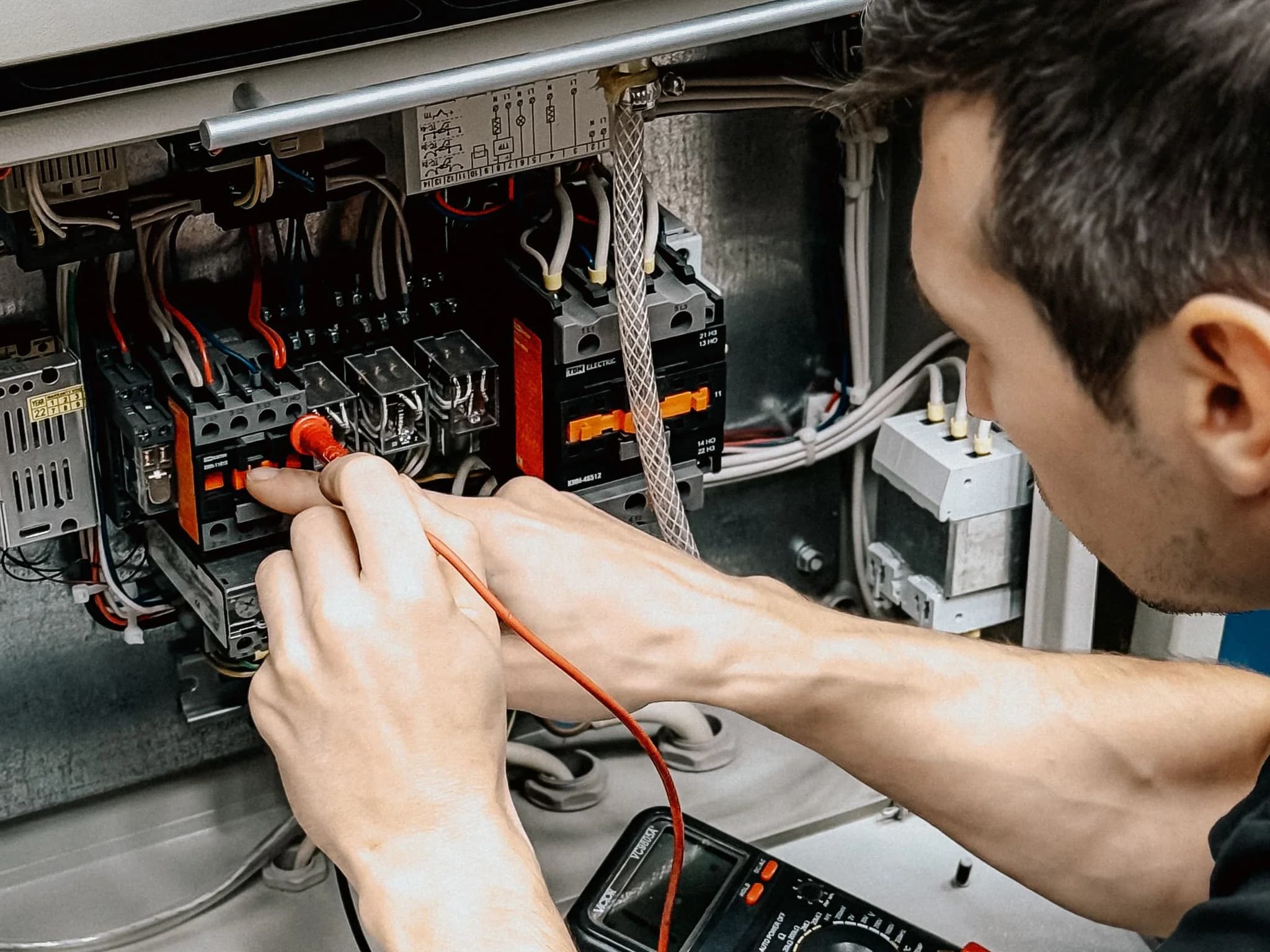
An older consumer unit can add cost too. If the existing board has no spare way, has no RCD protection, or is in poor condition, it may need upgrading or replacing before a charger can be connected to it. A consumer unit replacement is a job in its own right, and it is worth knowing about at the quote stage rather than on the day. If your electrics have not been looked at for years, an EICR beforehand will show whether the board is fit to take the extra load.
Earthing is the part of EV work that catches people out. Most homes have a PME supply, where the earth comes in combined with the neutral. A fault out on the network can raise that earth to a dangerous voltage, and outdoors, with a person touching a car while standing on wet ground, that matters far more than it does indoors. Many modern chargers include open PEN protection, which detects the fault and disconnects the car. Where a charger does not, or the installation calls for it, the alternative is a separate earth electrode driven into the ground for the charger, which adds a little cost and some testing.
The EV charger grant, and who can get it
The government's EV chargepoint grant for renters and flat owners pays 75 per cent of the cost of buying and installing a charge socket, up to £500. The cap rose from £350 on 1 April 2026, and the schemes are funded until 31 March 2027.
To qualify you must own and live in a flat, or rent a residential property, and have your own private, off street parking space that you can use at all times. There is also a grant of up to £500 for households with only on street parking that are installing a cross pavement channel for the cable. If you own a house with a driveway, there is no grant, so budget for the full price. Ask any installer you are considering whether they can claim the grant on your behalf before you book.
VAT on EV chargers
Solar panels and home batteries installed in a home are zero rated for VAT until 31 March 2027. EV chargers are not on the list of energy saving materials in HMRC's VAT notice 708/6, so they carry VAT at the standard rate. Check whether a quote includes VAT before comparing it with another one.
Ways to keep the cost down
Put the charger close to the consumer unit if you can. If the board is at the front of the house and you park on the drive outside it, that is the cheapest possible installation, and it is often worth parking on the other side of the drive to make it happen.
Fit it at the same time as other electrical work. If you are already having a new consumer unit, a rewire or solar panels, adding the charger circuit then costs less than a separate visit later.
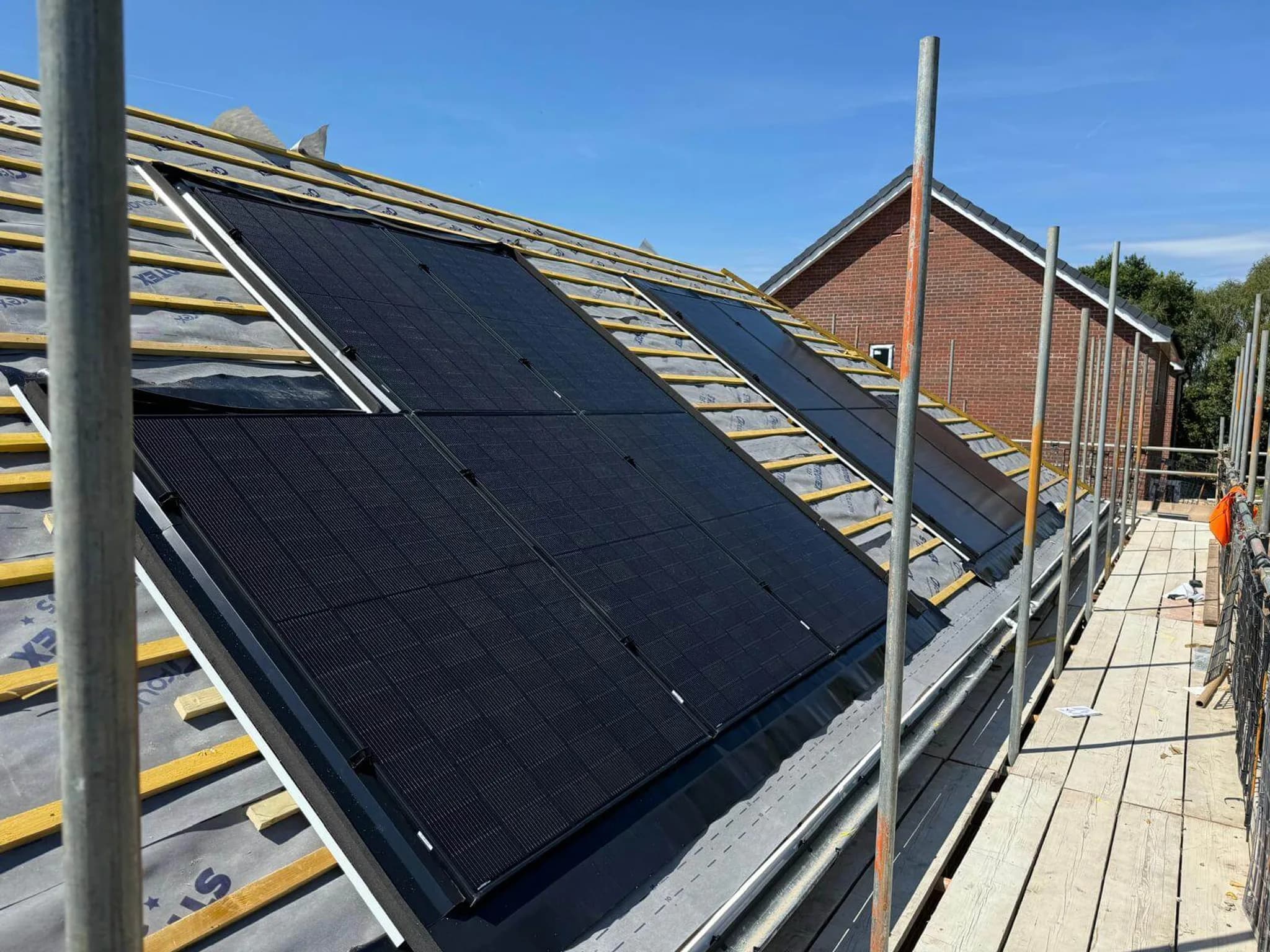
Think about solar while you are at it. A car that sits on the drive in the middle of the day can soak up generation that would otherwise go to the grid, and export rates pay far less than a unit costs to buy. Many smart chargers can be set to use surplus solar first, and a home battery can take up what the car does not.
And do not pay for more than you need. A 7kW charger is the practical maximum on the single phase supply most homes have. A 22kW charger needs a three phase supply, which very few houses have and which is expensive to install, and many cars cannot take that much on alternating current anyway.
Why the installer matters
A charger is only as good as the circuit behind it. The cable has to be sized for the actual length and route of the run, the protective devices have to suit the charger, and the earthing has to be dealt with properly, because a charger that trips or derates every night is a charger nobody wants. We fit home and workplace chargers across Lincolnshire from our base in Skegness, as part of the same domestic electrical work we do on the rest of the house. We are NICEIC approved, so the work is certified and notified properly.
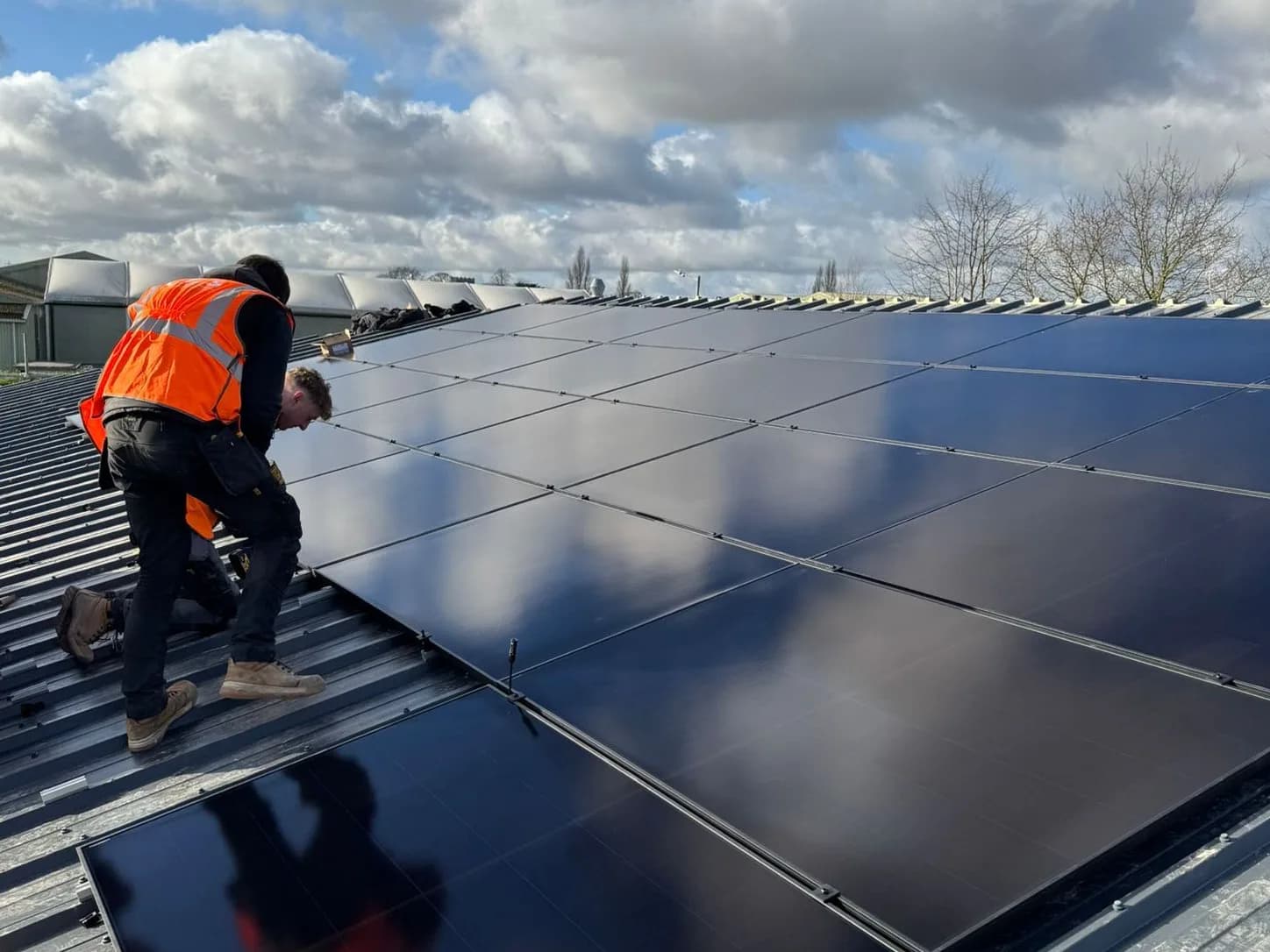
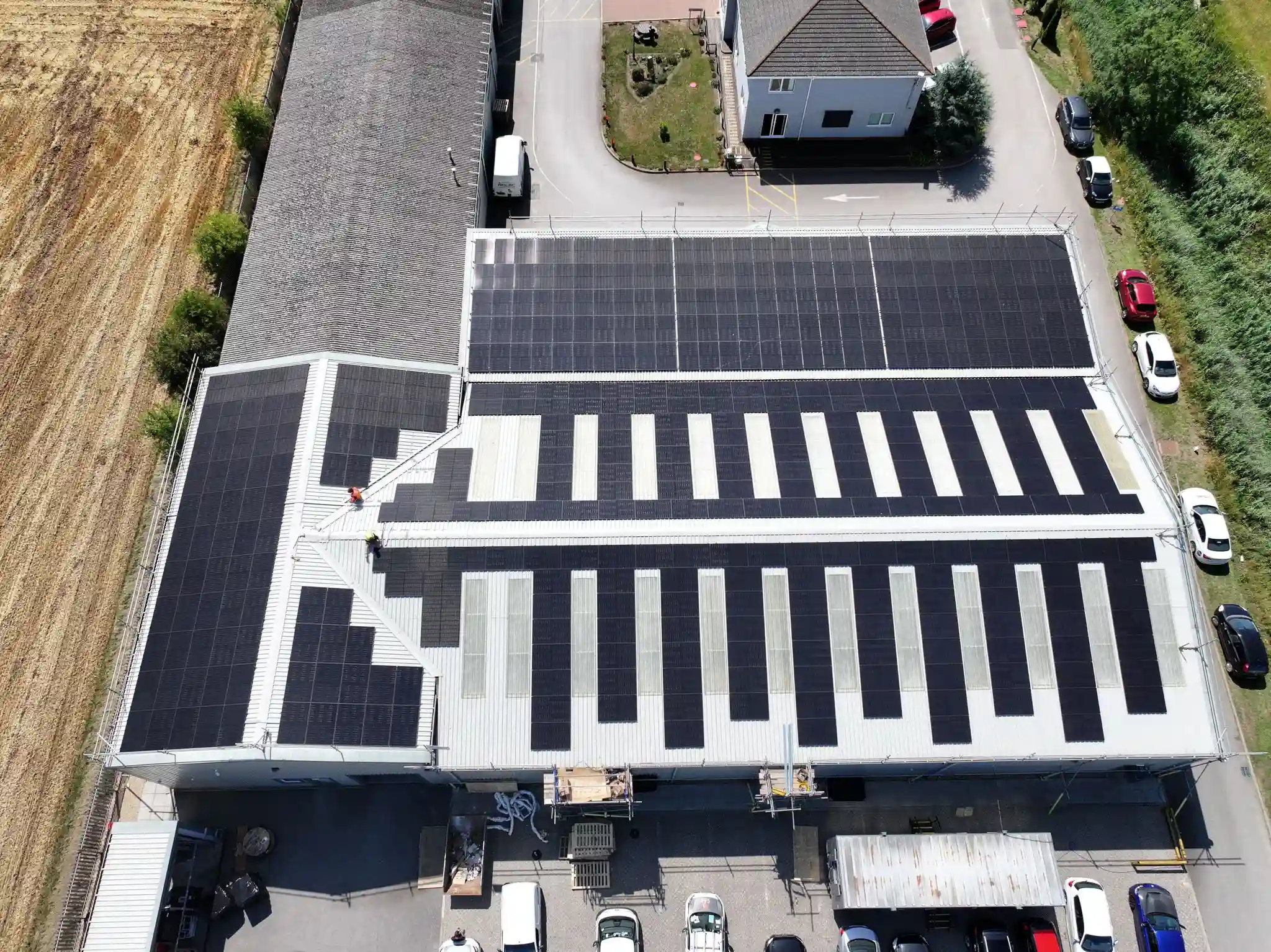
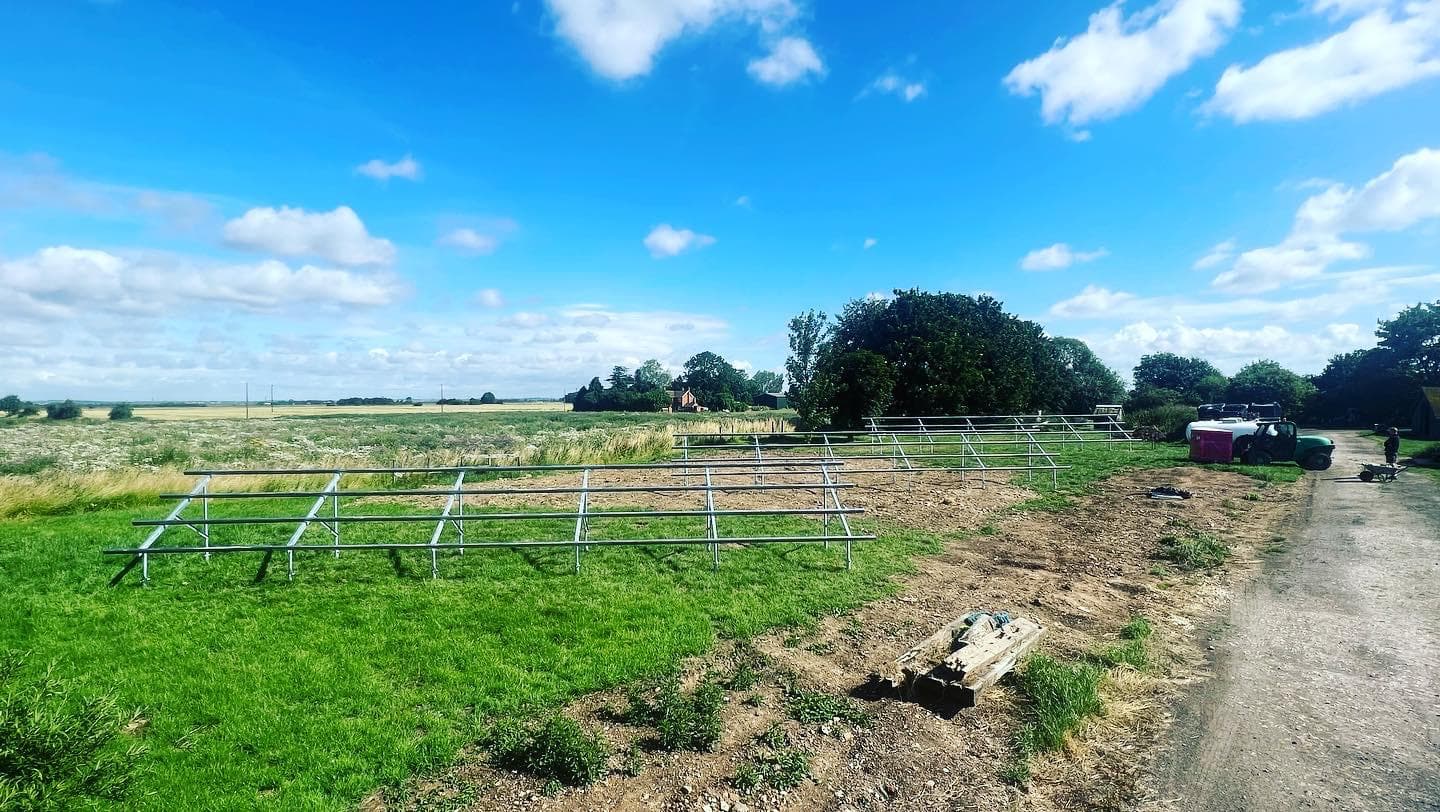
Charging is close to home for us in another way too. We built a 200kW solar array with 200kWh of battery storage for Rolec Services, the Boston company that makes Rolec EV chargers.
Getting a price for your charger
The quickest way to an accurate figure is to tell us where you park, where the charger would go and roughly how far that is from the fuse box. Get in touch with CES, or answer a few questions on our free quote form and we will come back to you with a price for your EV charger installation.