


So, What Size Solar Battery Do I Need?
There is no single right answer, but for most homes a solar battery somewhere between 5 and 10 kilowatt hours covers the job well, and the right size for you depends above all on how much electricity you use outside daylight hours. A battery only earns its keep by storing your daytime solar for use in the evening and overnight, so the amount you get through after the sun goes down is the figure that matters most.
The honest way to size a battery is to start from your own electricity usage rather than from the size of your solar array or whatever package an installer happens to be pushing. The main things that decide the right capacity are how much power you use in the evening and overnight, how much surplus your panels actually generate, whether you have an electric vehicle or electric heating, and whether you plan to use a smart, time-of-use tariff. Get those right and you avoid the two common mistakes, a battery too small to make much difference and one so large it never pays for itself. Below we work through each factor.
Start with how much electricity you use, and when
The foundation of sizing is your own consumption. Look at your annual electricity use, which is on your bills, and work out a rough daily figure. A typical UK home uses somewhere around 8 to 10 kilowatt hours a day, though this varies widely. More important than the total is how much of it you use outside daylight, because that evening and overnight demand is exactly what a battery is there to cover.
What we see is that most households use a large share of their electricity in the morning and evening, when people are home cooking, washing and heating the house, and the panels are producing little or nothing. If you use, say, 5 or 6 kilowatt hours across the evening and overnight, a battery that can deliver roughly that much is usually a sensible target. Sizing much beyond your genuine after-dark demand rarely adds value, because the extra capacity simply sits unused.
How your solar generation affects the size
A battery can only store electricity you actually have spare, so your solar generation sets a ceiling on how much a battery will fill from the sun. If your array produces only a modest daily surplus after your daytime use, a very large battery will often sit half empty because there is not enough spare generation to fill it. There is little point paying for storage your panels cannot keep charged.
This is why we look at the size of the array and the battery together rather than in isolation. A smaller solar system paired with a sensibly matched battery will usually serve you better than a small system straining to fill an oversized one. If you do want a larger battery than your generation alone can fill, it only really makes sense if you also plan to charge it from the grid on a cheap overnight tariff, which we come to below.
The factors that change the size you need
Several things push the right capacity up or down. An electric vehicle is the big one. Charging a car at home can use far more electricity than the rest of the house put together, and in most cases it is better to charge the car directly on a dedicated overnight EV tariff than to try to size a house battery large enough to cover it. Electric heating or a heat pump also raises your usage considerably, especially in winter, which can justify a larger battery.
Household size and habits matter too. A busy family home with high evening demand needs more storage than a household that is out all day and uses little after dark. And if you intend to use a time-of-use tariff, you may want enough capacity to run the home right through the expensive evening peak on electricity you charged cheaply overnight, which can mean sizing up slightly to cover those peak hours in full.
Usable capacity is the number that matters
When comparing batteries, it is worth knowing that the headline capacity and the usable capacity are not always the same thing. Most lithium batteries are designed to be discharged almost fully, but some hold a little back to protect the cells, so a battery advertised at a given size may give you slightly less in practice. We always look at the usable figure, because that is what actually powers your home, and we would rather quote honestly on real-world capacity than on a flattering number on a spec sheet.
Why bigger is not automatically better
It is tempting to buy the largest battery you can, on the assumption that more storage must mean more saving, but that is not how the maths works. In our experience, a battery sized to fill and empty fully most days works better than an oversized one bought purely for headroom, because a battery that never fully cycles costs more upfront, takes far longer to pay back, and delivers very little extra benefit for the money.
An oversized battery spends much of its life part full, which means you have paid for capacity you are not using. The sweet spot is a battery that charges up from your solar through the day and is largely drawn down again by morning, day after day. That full, regular cycling is what turns storage into genuine savings rather than an expensive bragging right.
A rough guide by household
As a starting point only, and never a substitute for looking at your own figures, the broad pattern tends to run as follows. A smaller home, or a household that uses little electricity after dark, is often well served by a battery in the region of 5 kilowatt hours. A typical family home with moderate evening usage usually lands somewhere between 5 and 10 kilowatt hours. A larger property, or one with an electric vehicle or a heat pump, may justify 10 to 15 kilowatt hours or more.
These are general ranges rather than recommendations, because two homes of the same size can have very different usage patterns. The only reliable way to land on the right number is to look at how and when you actually use electricity, which is what a proper assessment does.
You can often add more later
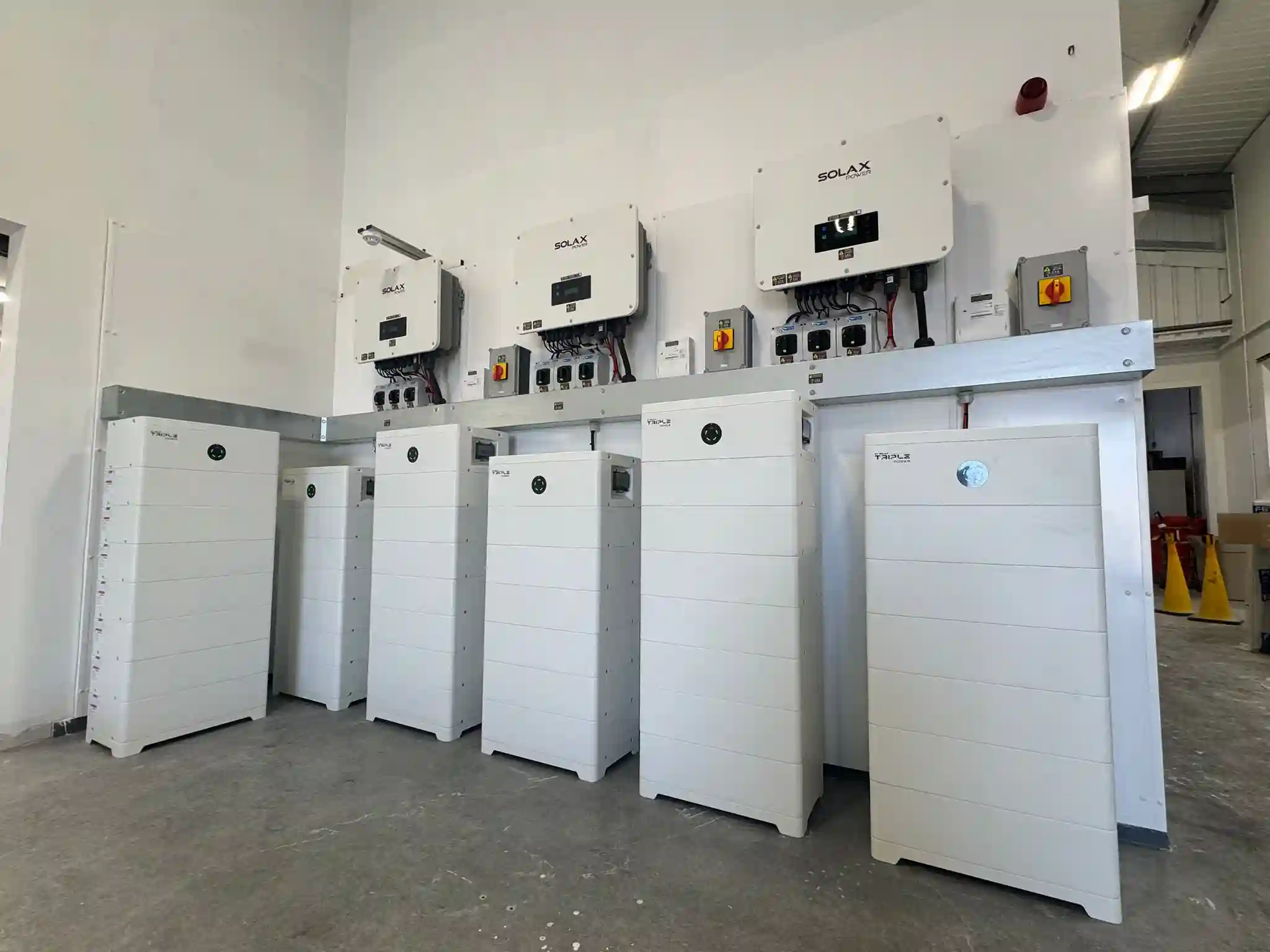
One point that takes the pressure off the decision is that many modern battery systems are modular, meaning capacity can be added later if your needs change. If you are sizing a battery now but expect to get an electric vehicle or move to electric heating in a few years, it is often sensible to fit the right size for today and expand it when the time comes, rather than paying upfront for capacity you will not use for years. We will always flag where a system can be expanded, so you are not boxed in by today’s decision.
How we size a battery in practice
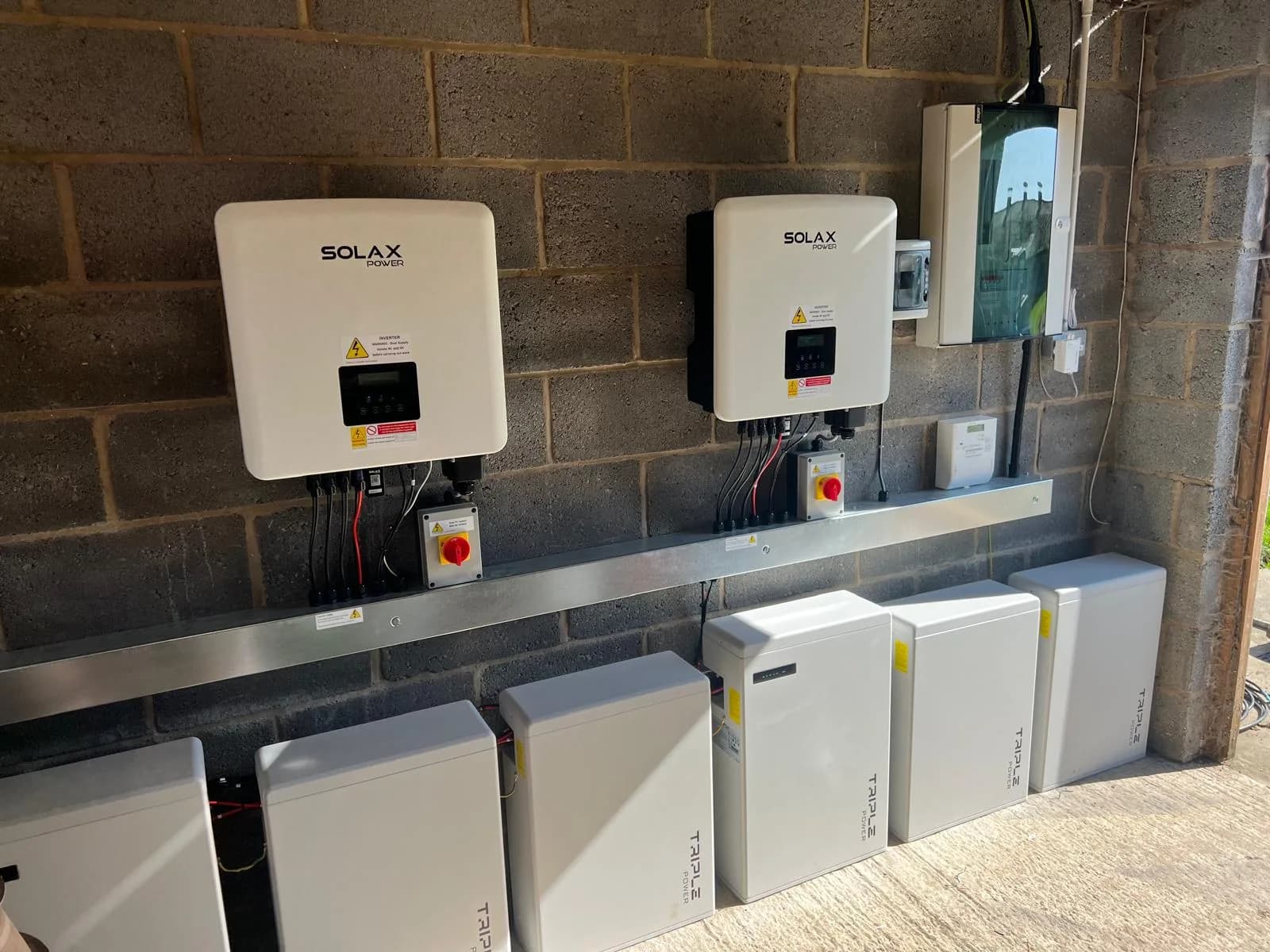
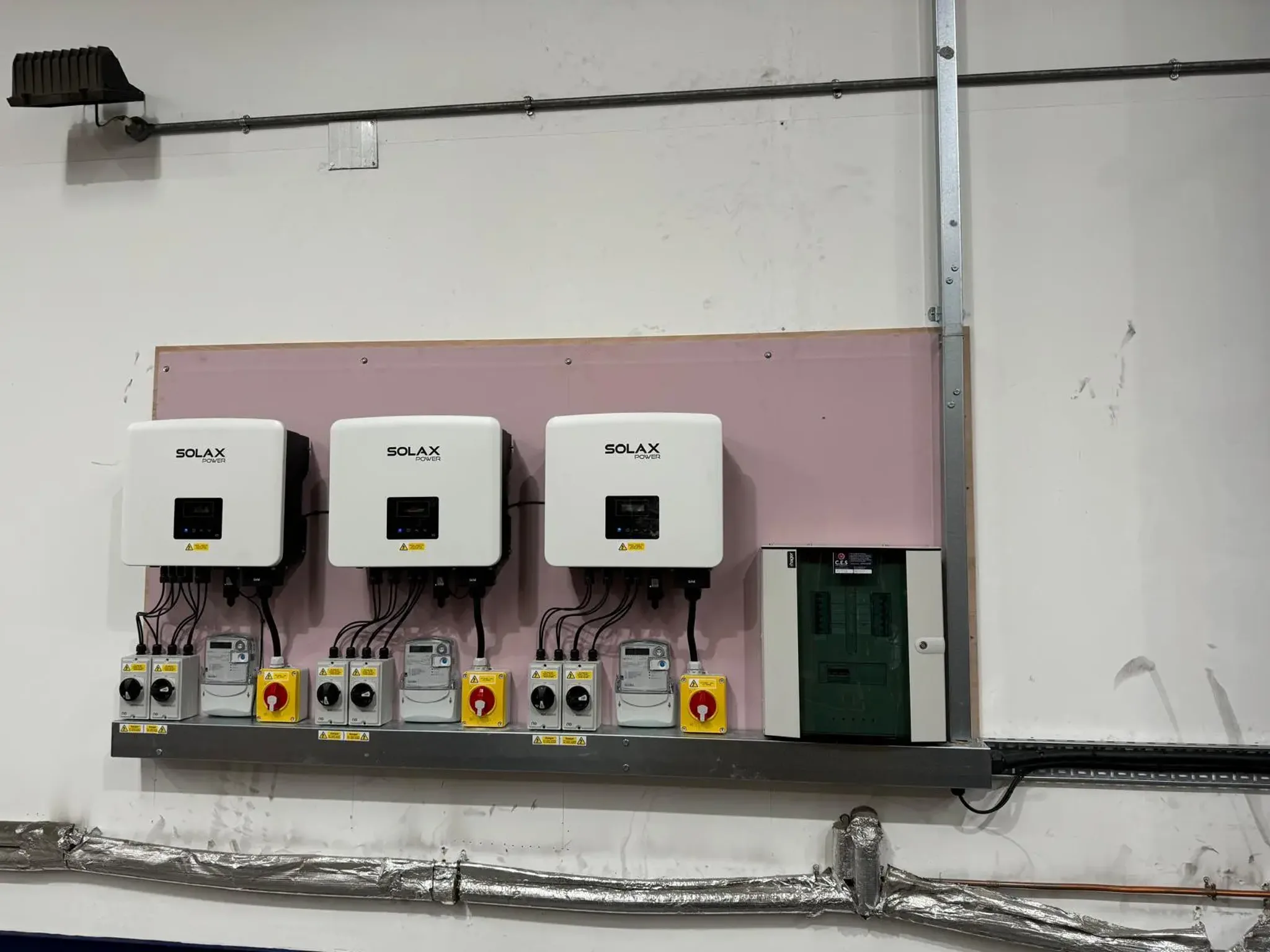
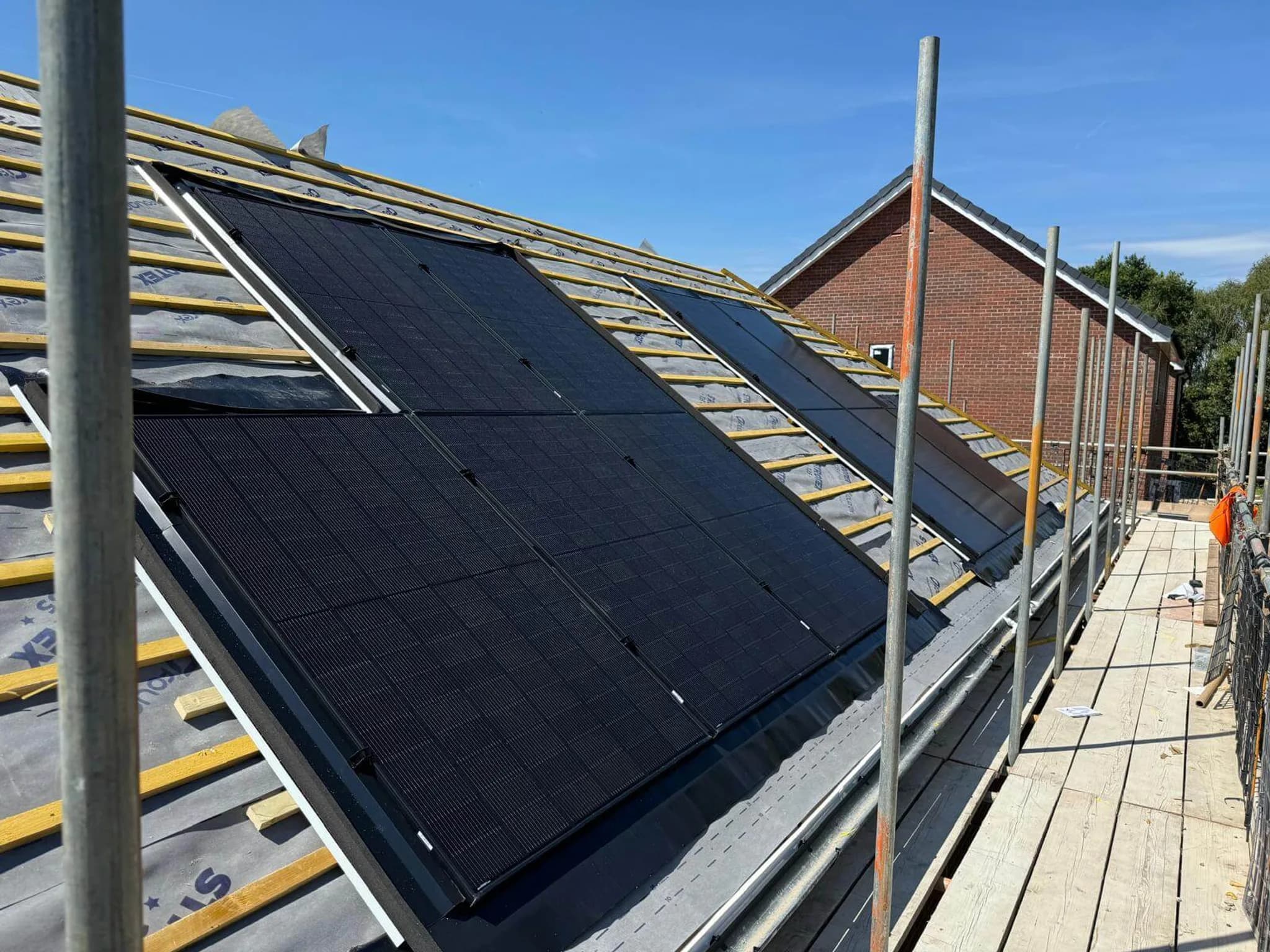
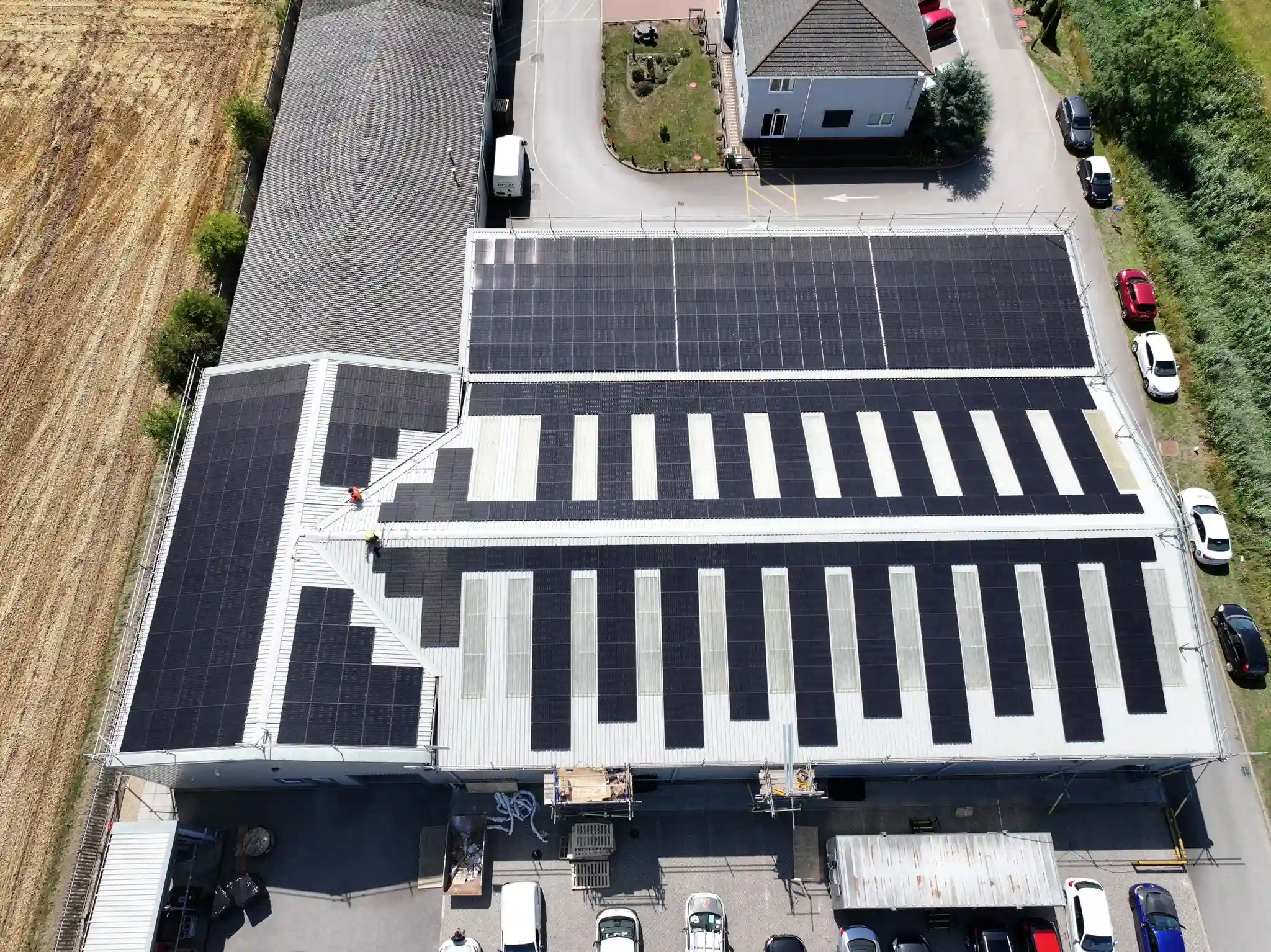
Over more than 30 years in the electrical and renewables trade, we have sized storage for everything from compact homes to large commercial sites, and the approach is the same at every scale, match the storage to the genuine load. On a poultry farm near Friskney, we paired a ground-mounted solar system with 30kW of battery storage specifically so that stored daytime energy could carry the evening and early morning loads of running ventilation and environmental controls around the clock. At the other end of the scale we delivered a commercial 200kW solar array with 200kWh of storage, again sized around the site’s real demand rather than a round number.
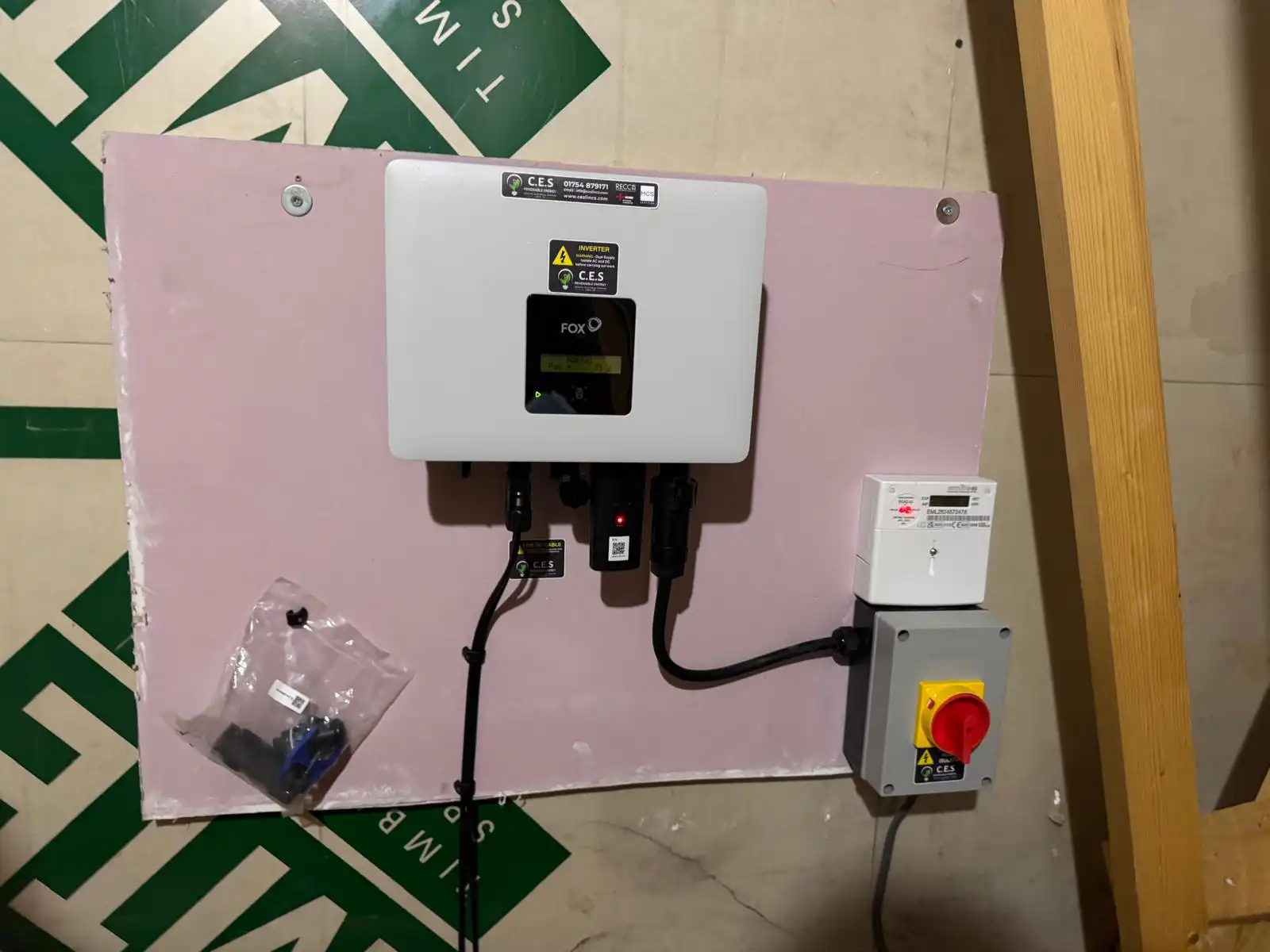
For homes the principle is identical. When we fitted a 6.8kW domestic system with battery storage, the storage was matched to the household rather than to a one-size-fits-all package. Anything you do not store can still be exported to the grid through the Smart Export Guarantee, so surplus generation is never wasted, whatever size battery you choose.
Talking to CES about battery storage
The right battery storage is the one matched to how you actually use power, not the biggest unit on the shelf or the cheapest quote in your inbox. Getting that judgement right is the difference between a battery that pays for itself comfortably and one that disappoints, and it comes down to looking properly at your usage before anyone talks capacity.
Whether you are fitting solar panels and a battery together for the first time or adding storage to an existing array, we will work out the right size around your real consumption rather than a standard package. Get in touch with our team for honest advice and a tailored quote.