

Commercial projects
Work carried out on premises that had to keep operating while we were in them, from a college refurbishment to commercial charge points and rooftop arrays.
The building carries on working
Almost every commercial job shares one constraint, which is that the premises cannot stop. A college runs its timetable, a distribution centre runs its shifts, and neither can hand over the whole building at once. So the programme gets broken into areas, each isolated, worked and handed back before the next begins, and the sequence is agreed before anyone arrives.
At Grantham College we took a designated area back to bare fabric for Belvin Construction, isolating and stripping out redundant circuits and fittings while the rest of the site stayed live. Making safe what remains energised is as much of the job as installing what replaces it.
Three phase, and what it changes
Most commercial premises are on a three phase supply, which changes both the opportunities and the obligations. It allows larger inverters, faster charge points and heavier plant, and it means any grid connected generation falls under G99 rather than the simpler G98 route, so approval has to be in place before commissioning.
Balance matters too. Loads spread unevenly across the phases cause problems that are easy to avoid at design stage and awkward to fix afterwards, which is why a proper look at the existing distribution comes before any addition to it.
Charge points for staff, fleets and visitors
Commercial charging is mostly a groundwork and distribution question rather than a question about the charger. The supply route, the trenching, the sub distribution and the earthing arrangement decide what is possible and what it costs. For Micron Clean we delivered a dual 22kW commercial installation with a new sub distribution to feed it.
Non-residential buildings also carry a regulatory floor. Under Approved Document S, a new non-residential building with more than ten parking spaces needs at least one charge point plus cable routes for one space in five, which is worth designing around rather than retrofitting.
Recent commercial work
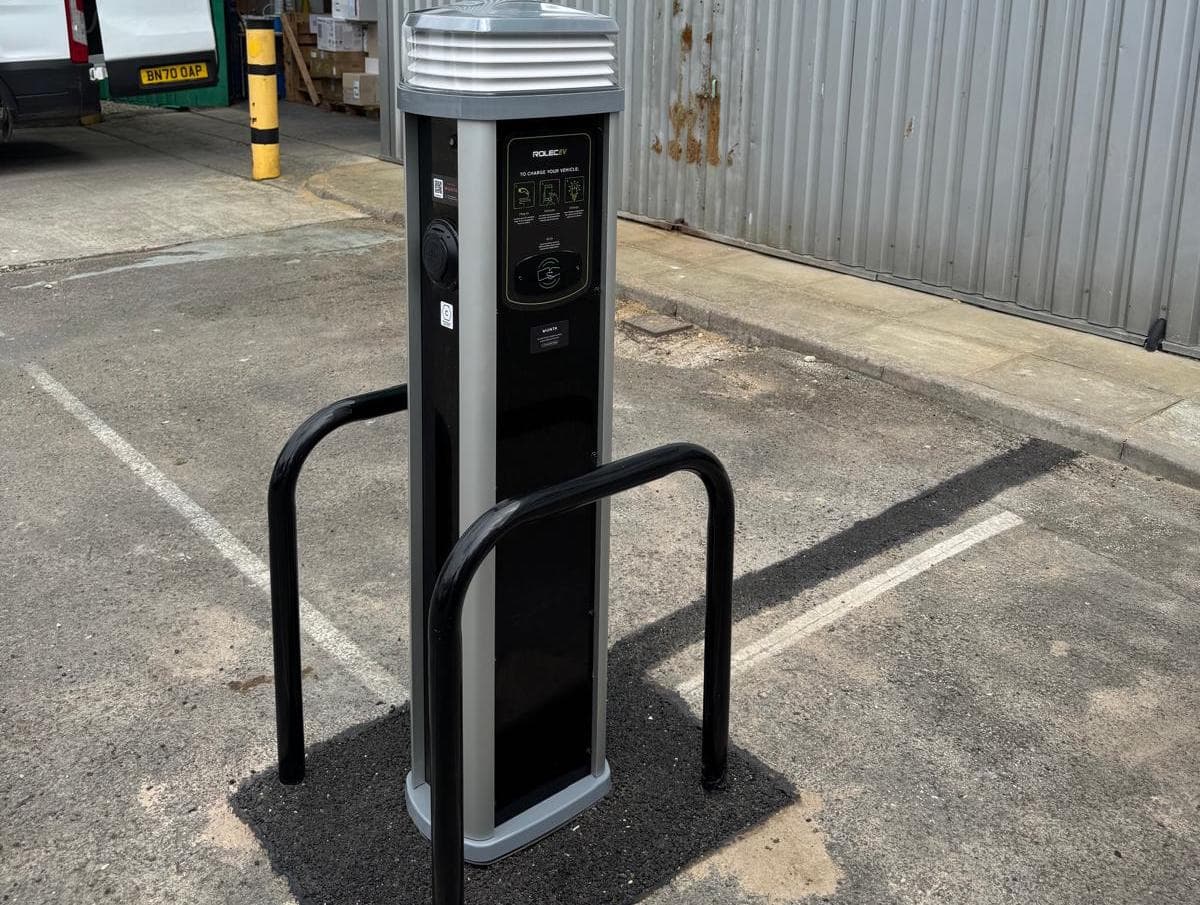 Case studyCommercial EV Charging InstallationCoastal Electrical Services & Renewable Energy were appointed to deliver a turnkey electric vehicle charging solution for Micron-Clean Ltd at their Swindon commercial…
 Case studyCommercial Electrical & Lighting UpgradeCoastal Electrical Services & Renewable Energy were appointed by Belvin Construction to carry out a comprehensive electrical upgrade within a designated area of Grantham…
 Case studyLinkage Training CentreWe were appointed to deliver a complete electrical and life-safety installation for a specialist training centre operated by Linkage. The project involved transforming…
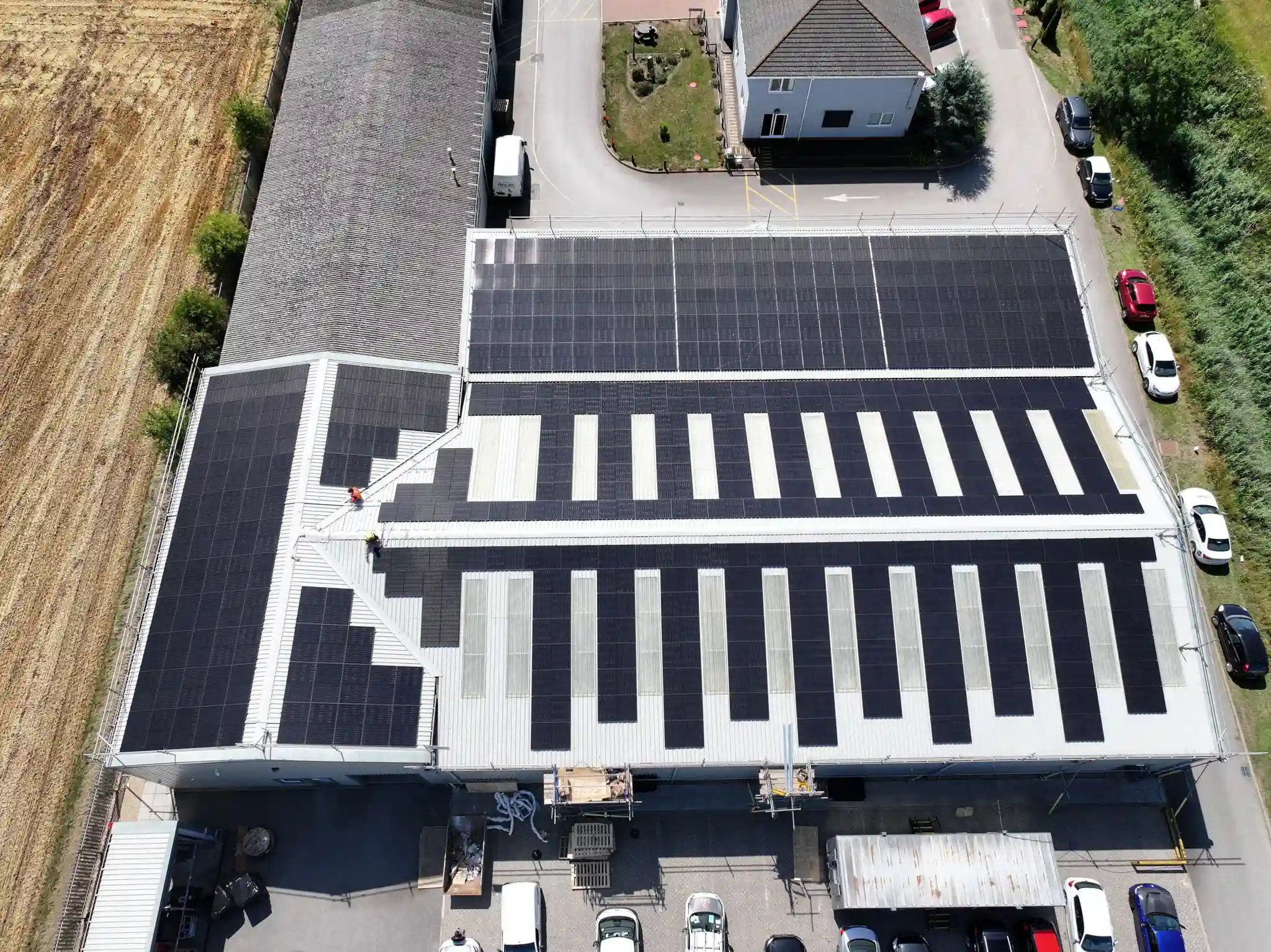
 Case study45 kW Commercial Solar InstallationCES Renewables has successfully completed another premium solar installation, a 45 kW Commercial Solar PV System engineered for efficiency, reliability and long-term…