
Electricians and solar installers in Horncastle
Horncastle sits at the edge of the Wolds and has a good deal of older and listed property, where a panel layout has to work around what the planners will accept. It is worth having that conversation before the quote rather than after it.
Wolds properties and conservation constraints.
What we do most of here
Solar panels and listed property in Horncastle
Panels on a house are normally permitted development, and that changes once a building is listed or sits in a conservation area. On a listed building you need listed building consent whatever the size of the array. In a conservation area the restrictions bite hardest on equipment fixed to a wall fronting a highway, and permitted development rights can also have been withdrawn across an area by direction, so the position varies street by street.
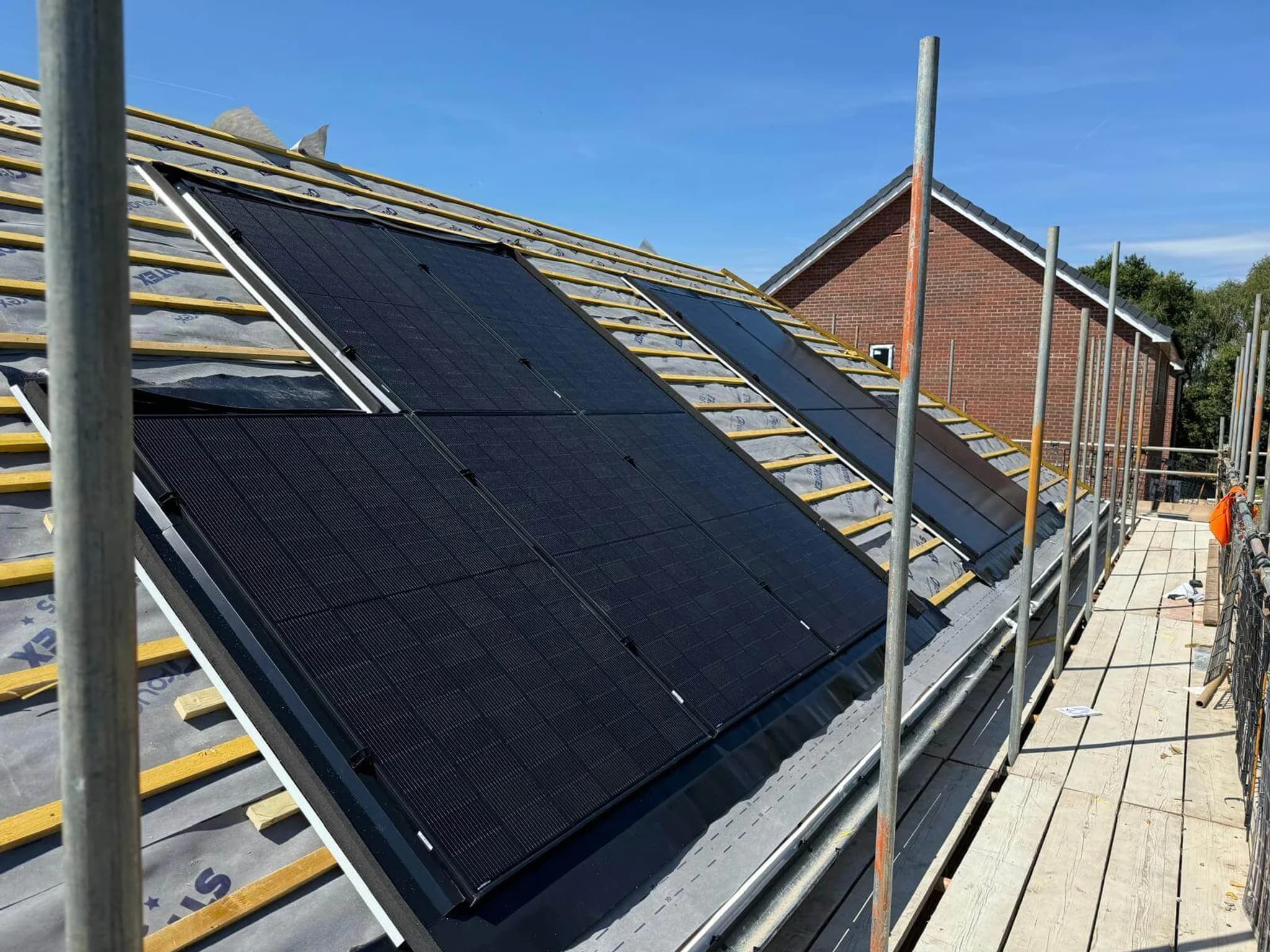
What tends to get through is generation that cannot be seen from the street. A rear slope, a garage, a barn set well back or another outbuilding all give you somewhere to put an array without arguing about the frontage. In roof systems that sit flush within the plane of the tiles read far more quietly than a framed array standing proud, and all black modules help again. Both take longer to fit, and a flush array runs warmer than one with air moving behind it, so it gives up a little yield. That is a fair trade if it is the difference between consent and refusal.
Wiring older houses at the edge of the Wolds
Older property around Horncastle, Baumber and Hemingby is mostly solid wall, often with lath and plaster over it and a rubble core behind. You cannot chase that about the way you can chase modern blockwork, and on a listed interior you should not be chasing historic plaster at all. The routes that work instead run in floor voids, behind skirtings, up redundant chimney breasts and through cupboards, which takes longer to plan and does a great deal less damage.
That is also why the survey matters more here than on a newer house. Half the work is deciding where cable can go before anyone lifts a board, and the other half is working out which of the previous two or three attempts at wiring the place can stay and which has to come out. The same applies across Woodhall Spa, Coningsby and the villages between, wherever the building predates its wiring by a century or more.
Lighting that suits an older building
Lighting is where an older house is most easily spoiled. A grid of downlights punched through a period ceiling loses the ceiling and rarely lights the room well, and in a listed building cutting into original fabric may not be acceptable at all. Wall lights, pendants on existing points and discreet fittings tucked to beams and joinery give a better result with far less intervention. Warm colour temperatures around 2700K suit lime plaster, stone and old timber, where a cool white makes all three look grey.
Outside, the Wolds are genuinely dark and that is worth protecting instead of floodlighting away. Low level markers along a path, a few well aimed fittings on the building itself and sensors set to a sensible time give you somewhere you can arrive safely without lighting the field behind it. Aiming downward keeps the neighbours happy and sits better with what a conservation area will accept.
Projects across the county.
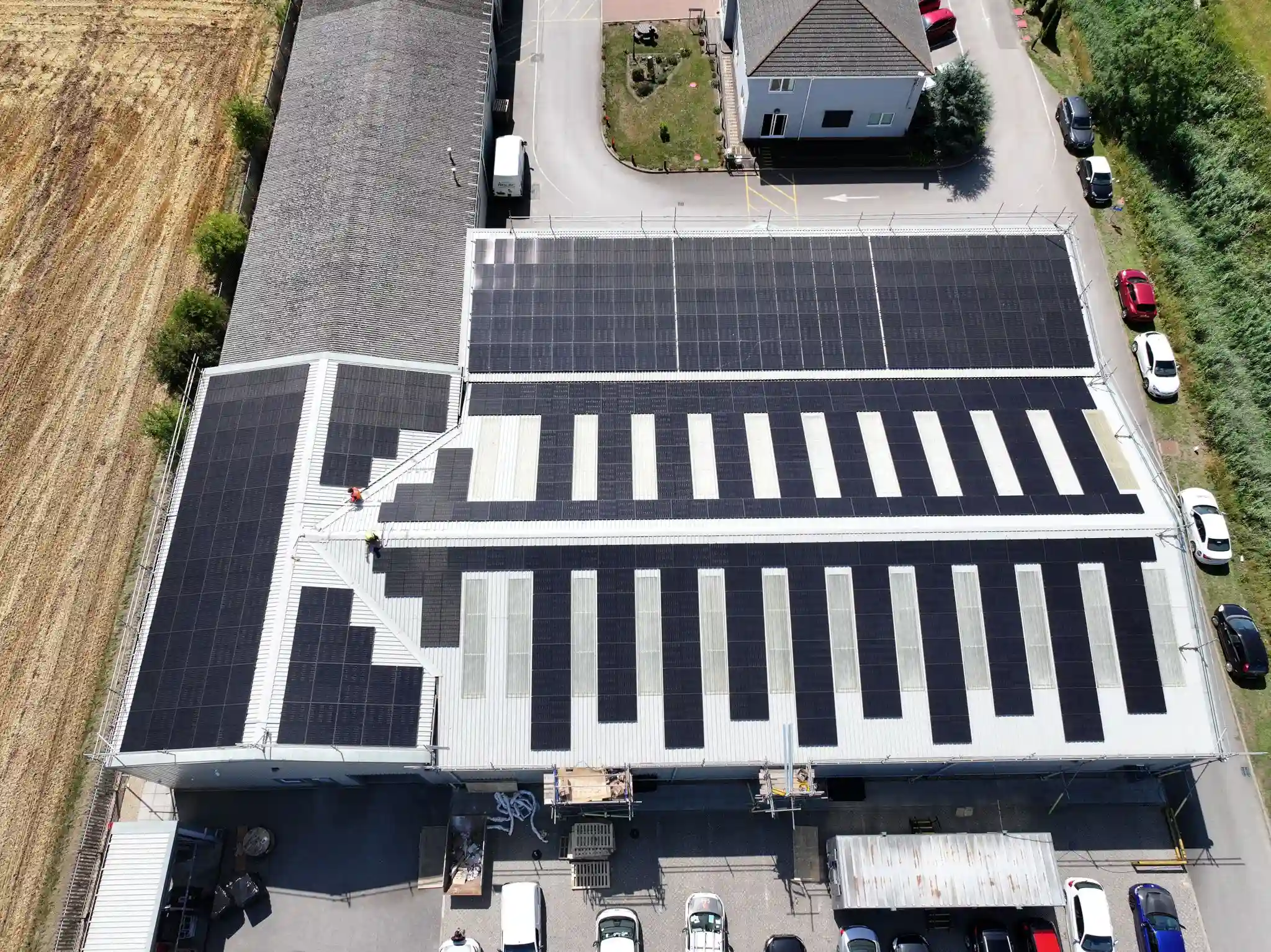
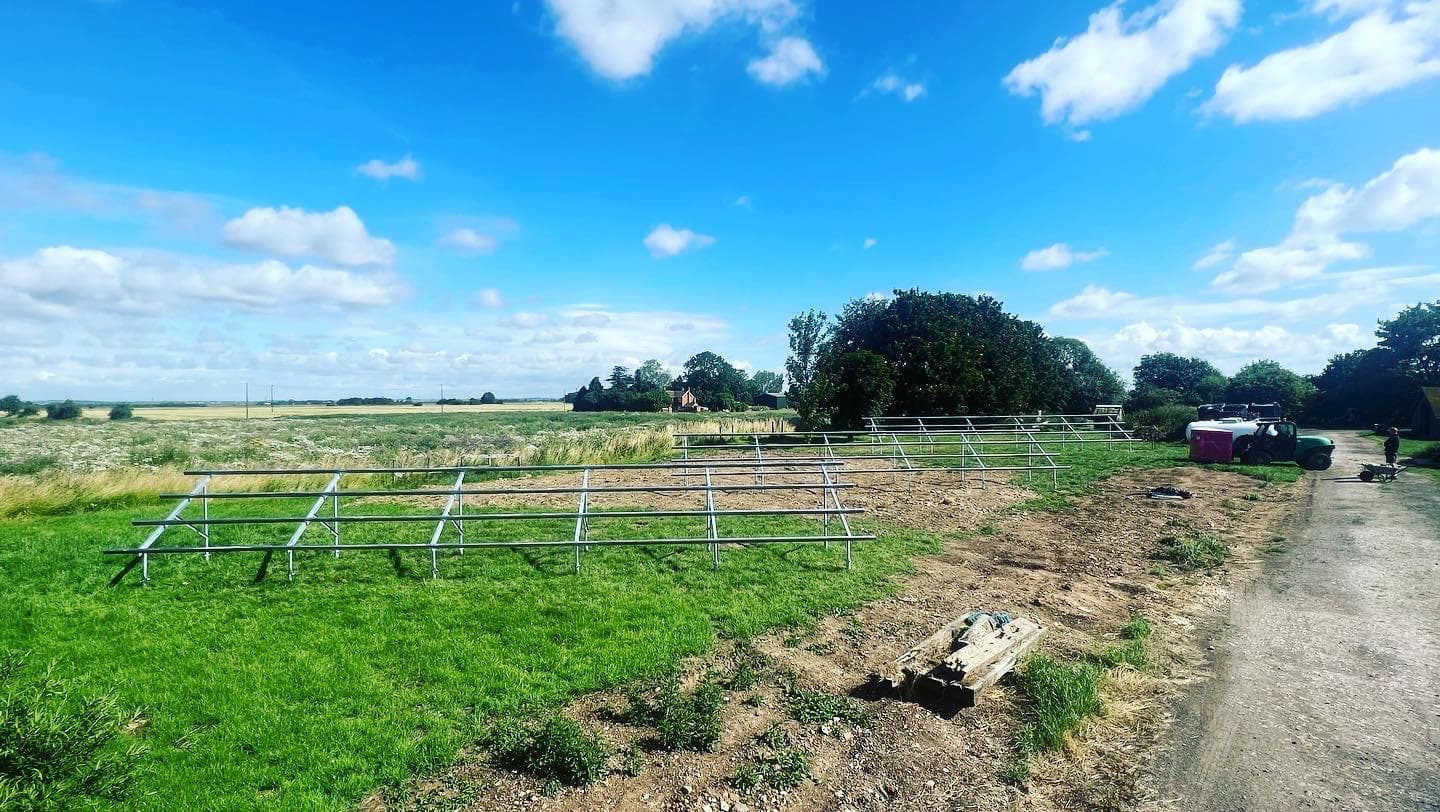
 Case study200kW Solar + 200kWh Battery StorageAnother major commercial installation successfully delivered by CES Renewables! We’ve just finished a 200kW Solar PV system paired with 200kWh of battery storage,…
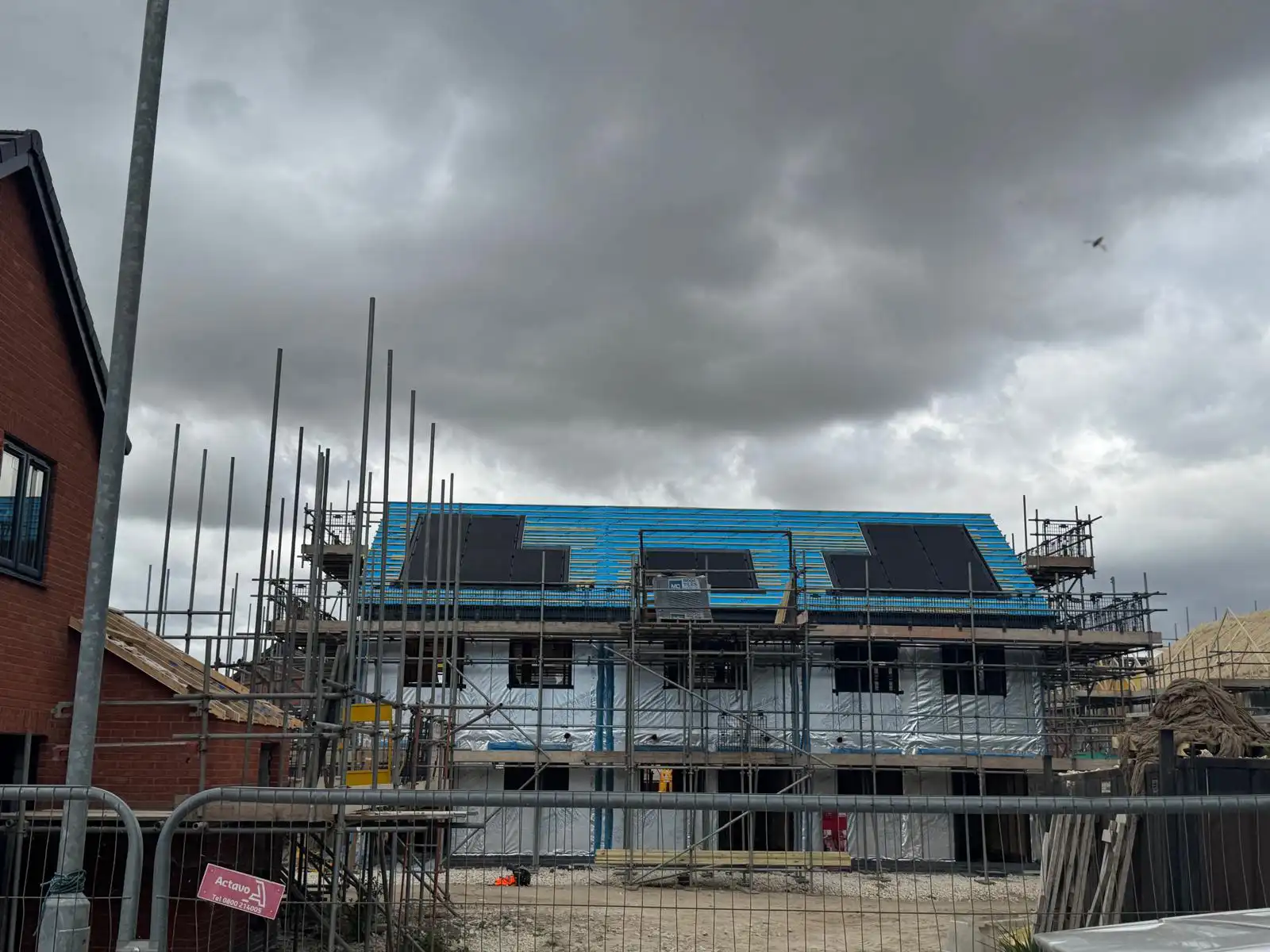 Case studyNew Build Development, Home Solar PV InstallationWe partnered with a new build housing developer to install 6 brand-new Solar PV systems, ensuring each property is future-ready and powered by clean, renewable energy…
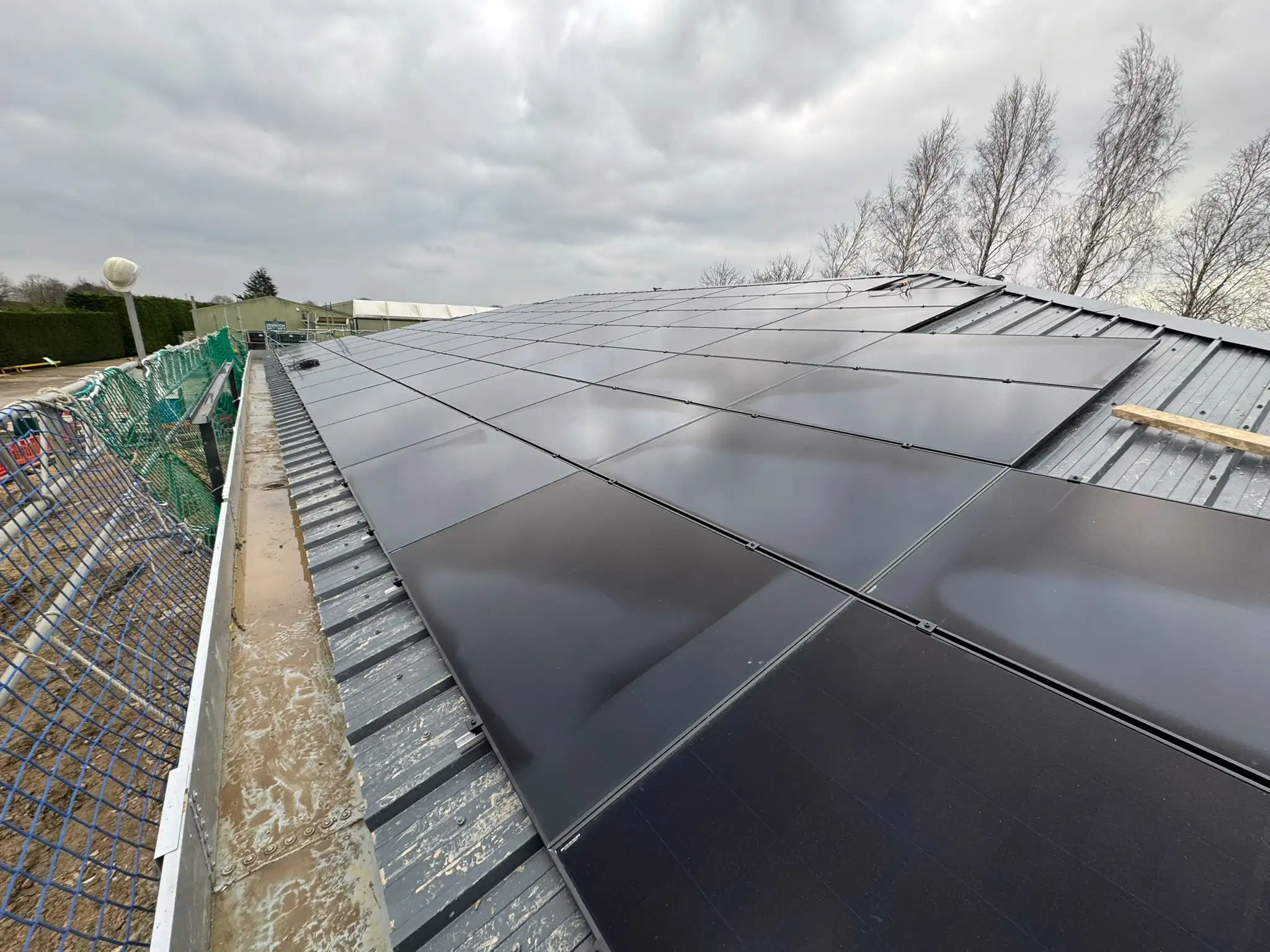
 Case study315kW Commercial Solar PV Installation, Distribution Centre ProjectCES Renewables recently completed a major 315kW rooftop solar PV installation for one of W7 Make UK’s distribution centres, delivering a high-performance system designed…