
Solar panels projects
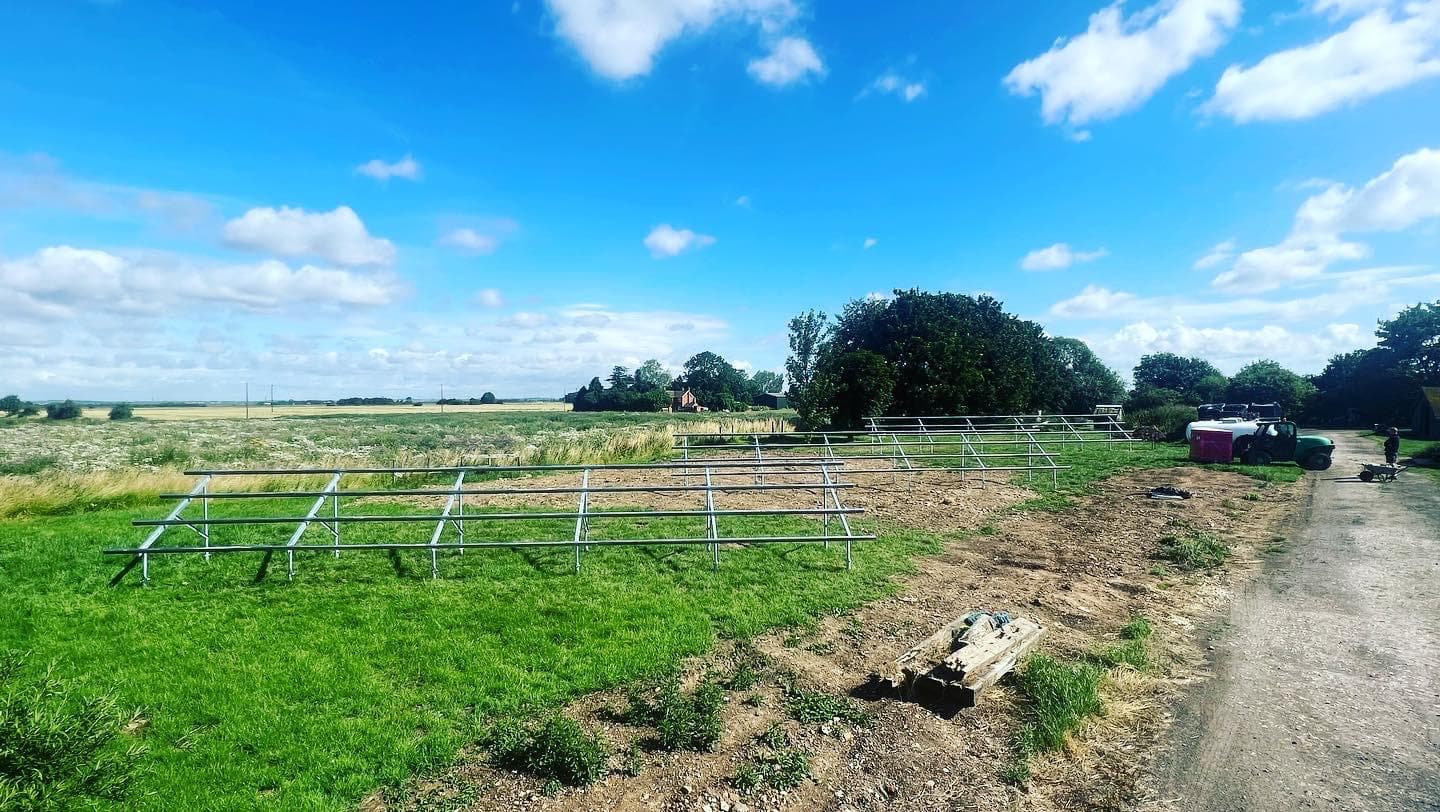
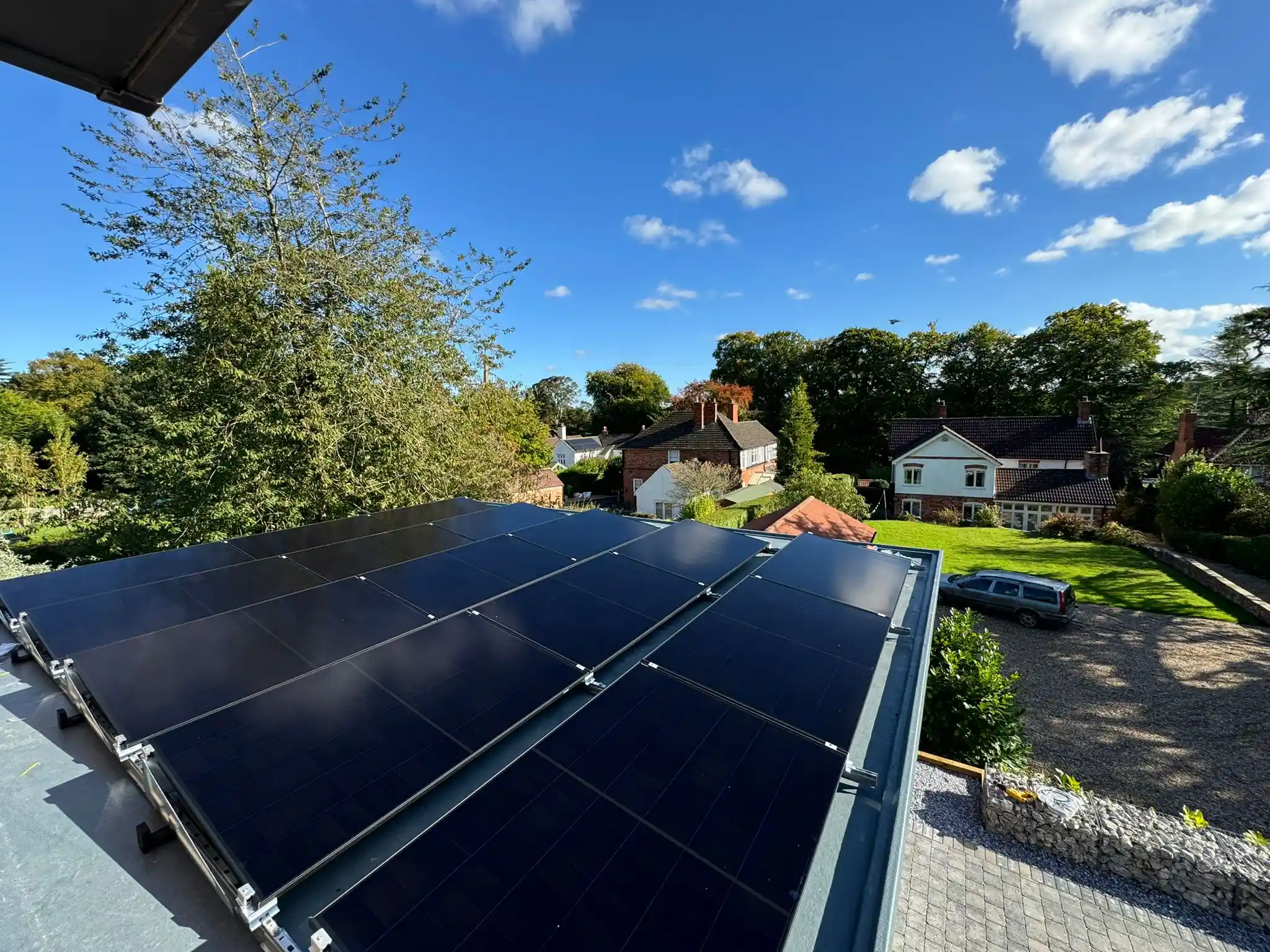
Rooftop and ground mounted arrays we have built across Lincolnshire, from a domestic flat roof to 315kW on a distribution centre. What the roof allows usually decides more than the panel does.
The roof decides more than the panel does
Panel choice matters far less than most people expect. Modern all black monocrystalline modules from any reputable manufacturer sit within a few per cent of each other, and the difference that actually shows up on a bill comes from orientation, pitch, shading and how much of the roof can be used. A south facing roof at around thirty five degrees is the textbook case, but east to west splits are common here and often work better than they look on paper, because they spread generation across the morning and the evening rather than piling it into the middle of the day when nobody is home.
Lincolnshire throws up two roof types more than most. The shallow pitched interwar bungalow flattens the summer peak and softens the winter one, and it changes how far in from the edges the panels have to sit before wind uplift becomes the governing factor. Flat commercial and domestic roofs need ballasted or mechanically fixed mounting with the wind loading calculated rather than assumed, which is the part of a flat roof job that takes the time.
Mounting, and why it is worth arguing about
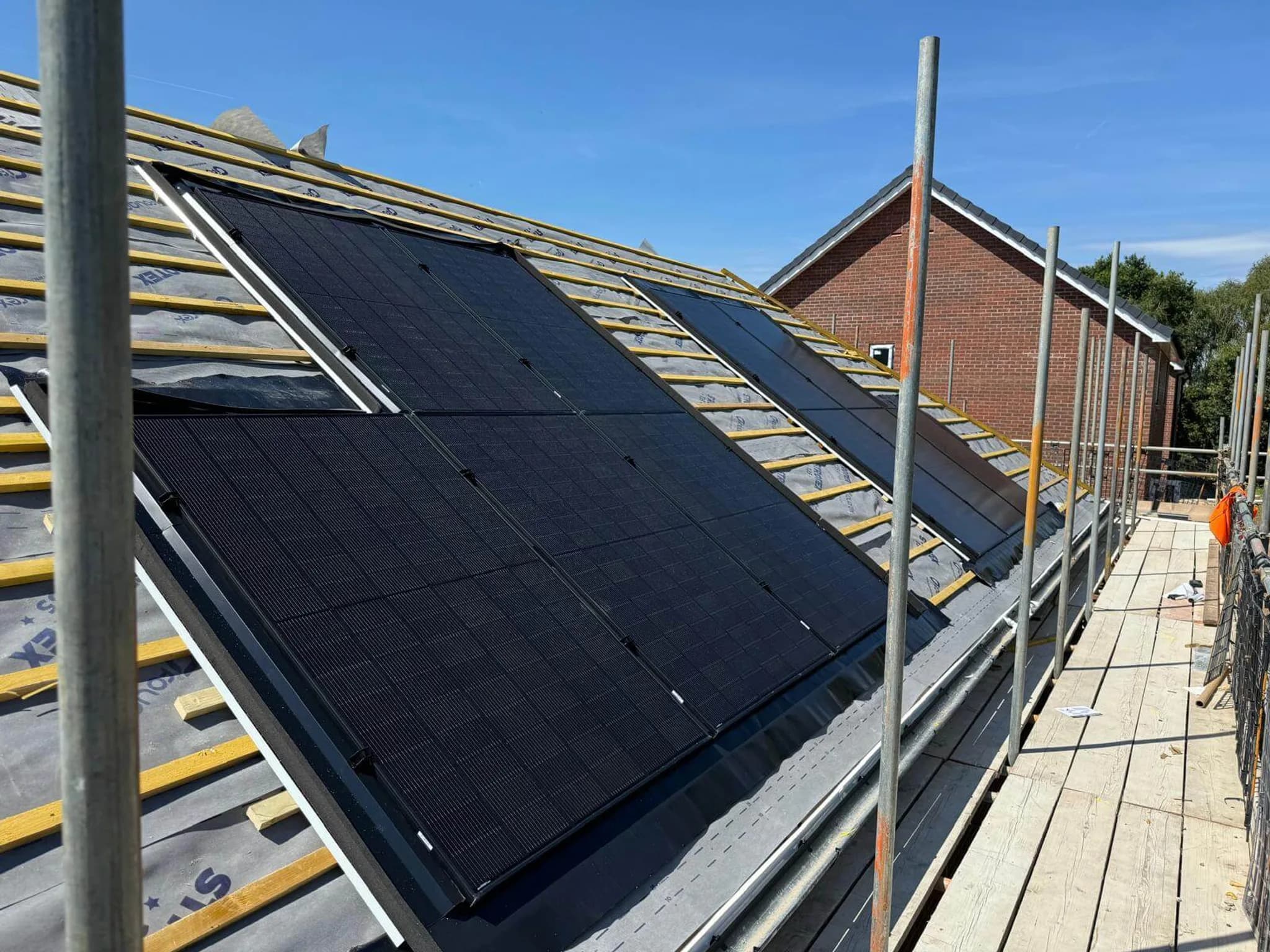
On a pitched roof the choice is between on roof rails and an in roof system that replaces the tiles under the array. In roof looks considerably better and is usually specified on new builds, where it goes on before the roof is finished. Retrofitting it to an existing roof means stripping tiles, so on an occupied house on roof rails are normally the sensible answer.
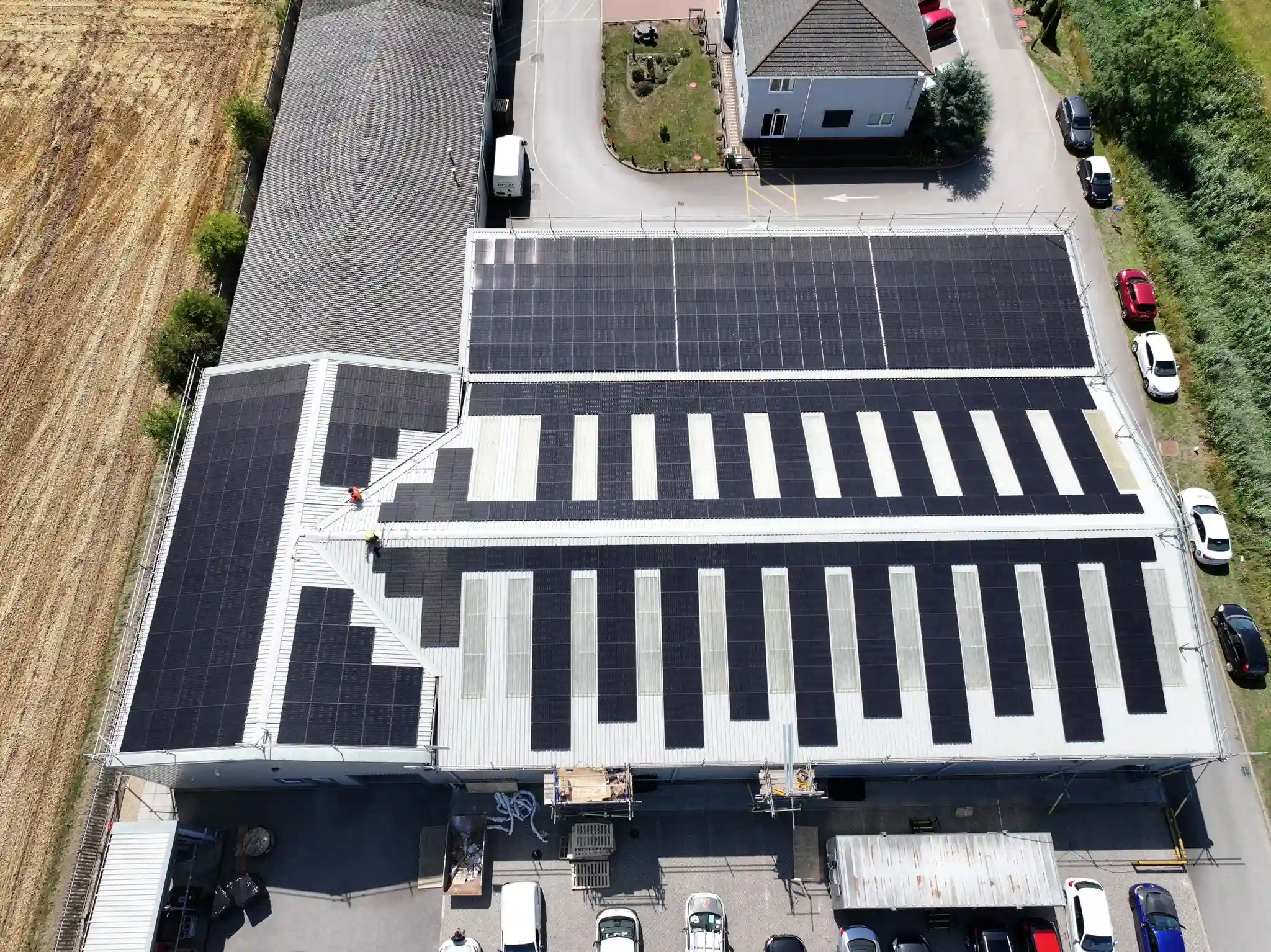
Large commercial roofs are a different discipline again. A trapezoidal metal roof takes a mini rail system fixed to the sheet profile, which spreads the load and avoids penetrating the weatherproofing more than necessary. That is what sits under our largest array, 758 panels on a distribution centre roof, and at that scale the mounting design and the roof survey take longer than the panels do to install.
Getting it connected
Every grid connected array has to be registered with the distribution network operator, and the threshold that matters is 3.68kW on a single phase supply. At or below it the installation falls under Engineering Recommendation G98, which is connect and notify within 28 days. Above it, or on three phase, it becomes G99, which means applying and receiving approval before anything is energised.
That distinction is why a survey should establish the supply arrangement early. A G99 application takes time, and on a larger system the network operator may impose an export limit, which is normally workable but changes the design. It is far better to know at the quotation stage than after the scaffold is up.
Recent solar panels work
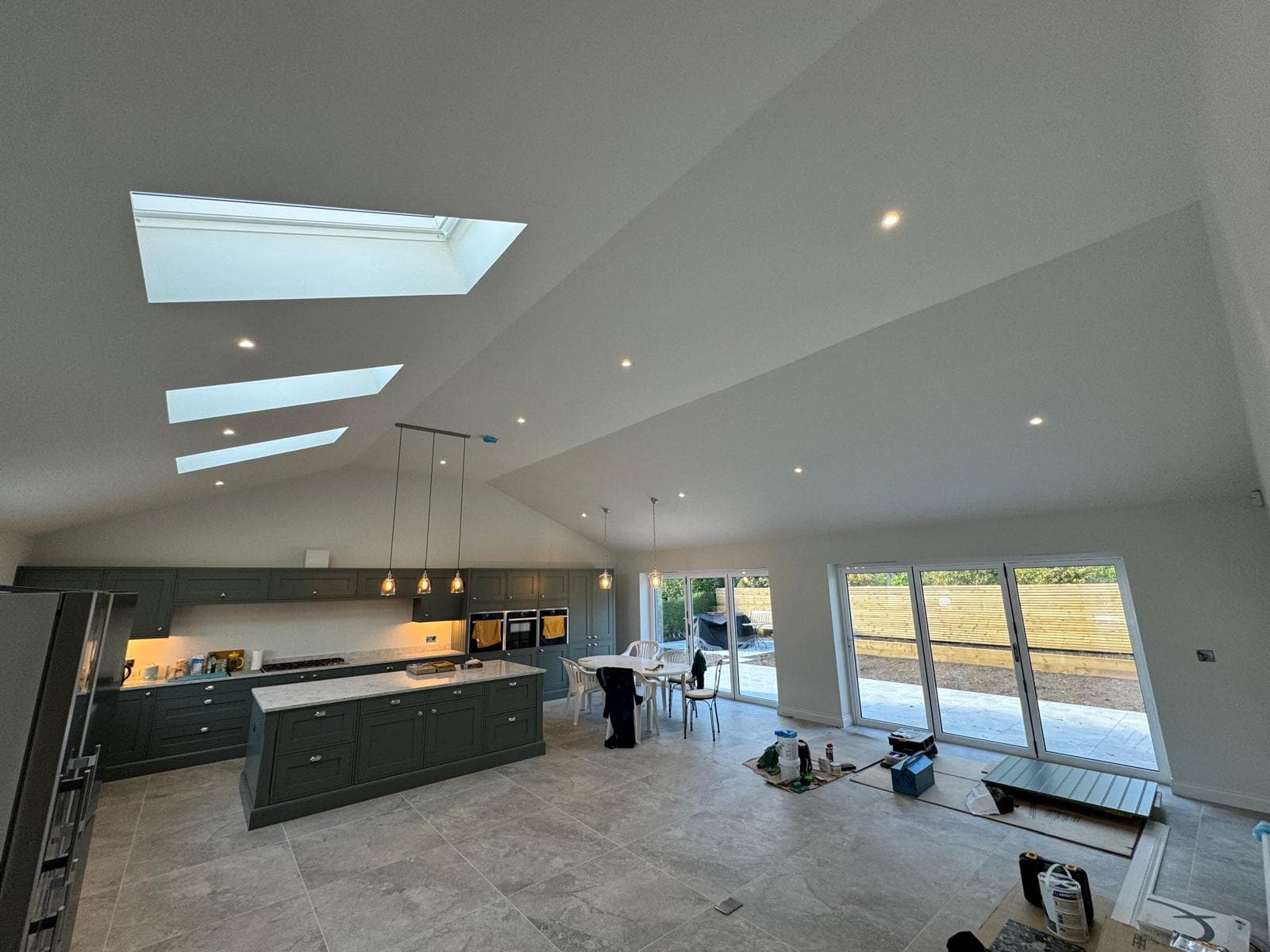 Case studyPrivate Residential New Build, Burton BuildersCoastal Electrical Services & Renewable Energy were appointed by N R Burton Builders to deliver a complete electrical and low-carbon energy solution for a new build…
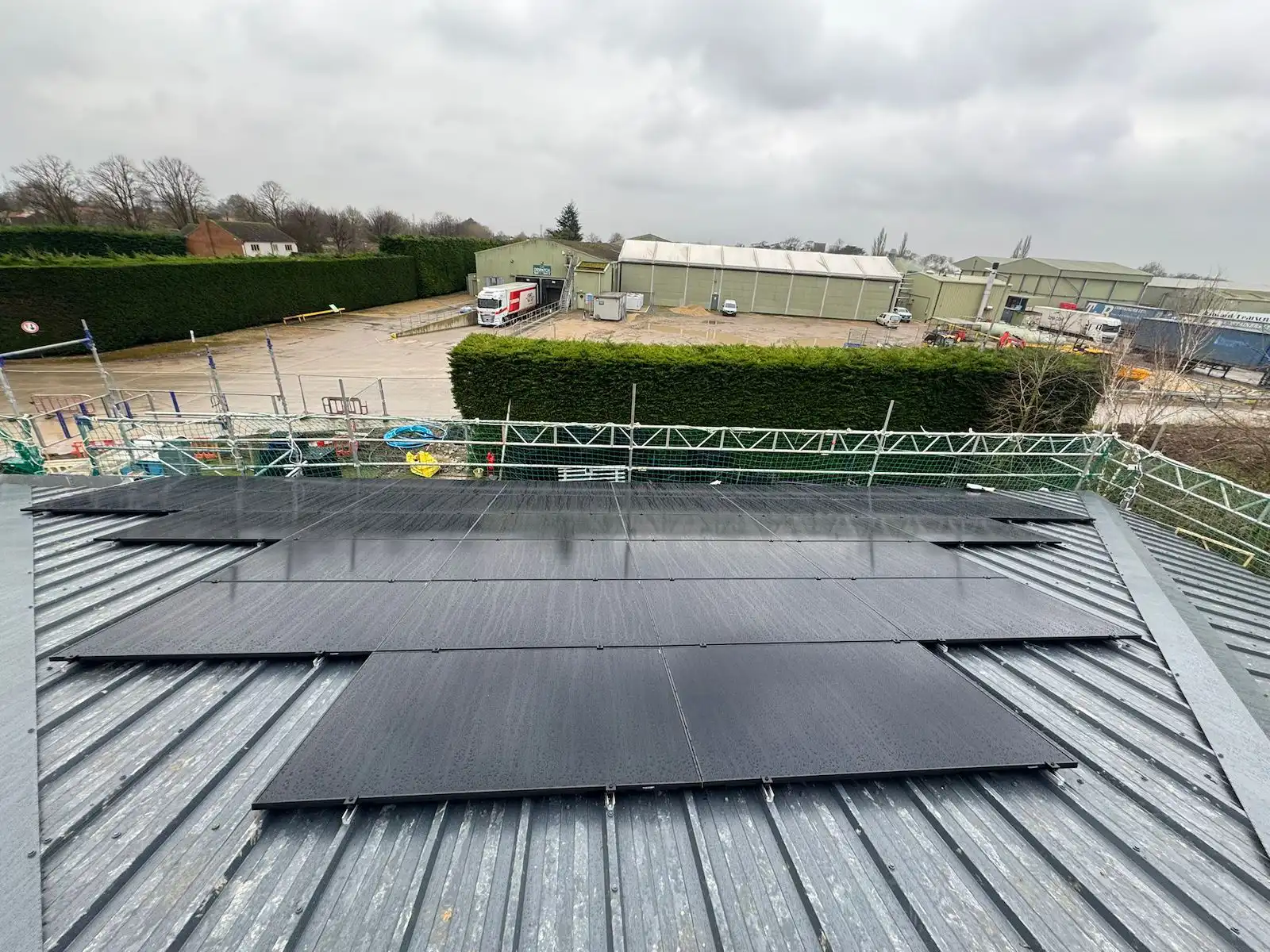 Case study45 kW Commercial Solar InstallationCES Renewables has successfully completed another premium solar installation, a 45 kW Commercial Solar PV System engineered for efficiency, reliability and long-term…
 Case study6.8kW Domestic Flat Roof Solar InstallationCES Renewables has successfully completed another high-quality domestic renewable installation. This 6.8kW Solar PV system was designed for a flat roof application,…
 Case study200kW Solar + 200kWh Battery StorageAnother major commercial installation successfully delivered by CES Renewables! We’ve just finished a 200kW Solar PV system paired with 200kWh of battery storage,…
 Case studyNew Build Development, Home Solar PV InstallationWe partnered with a new build housing developer to install 6 brand-new Solar PV systems, ensuring each property is future-ready and powered by clean, renewable energy…
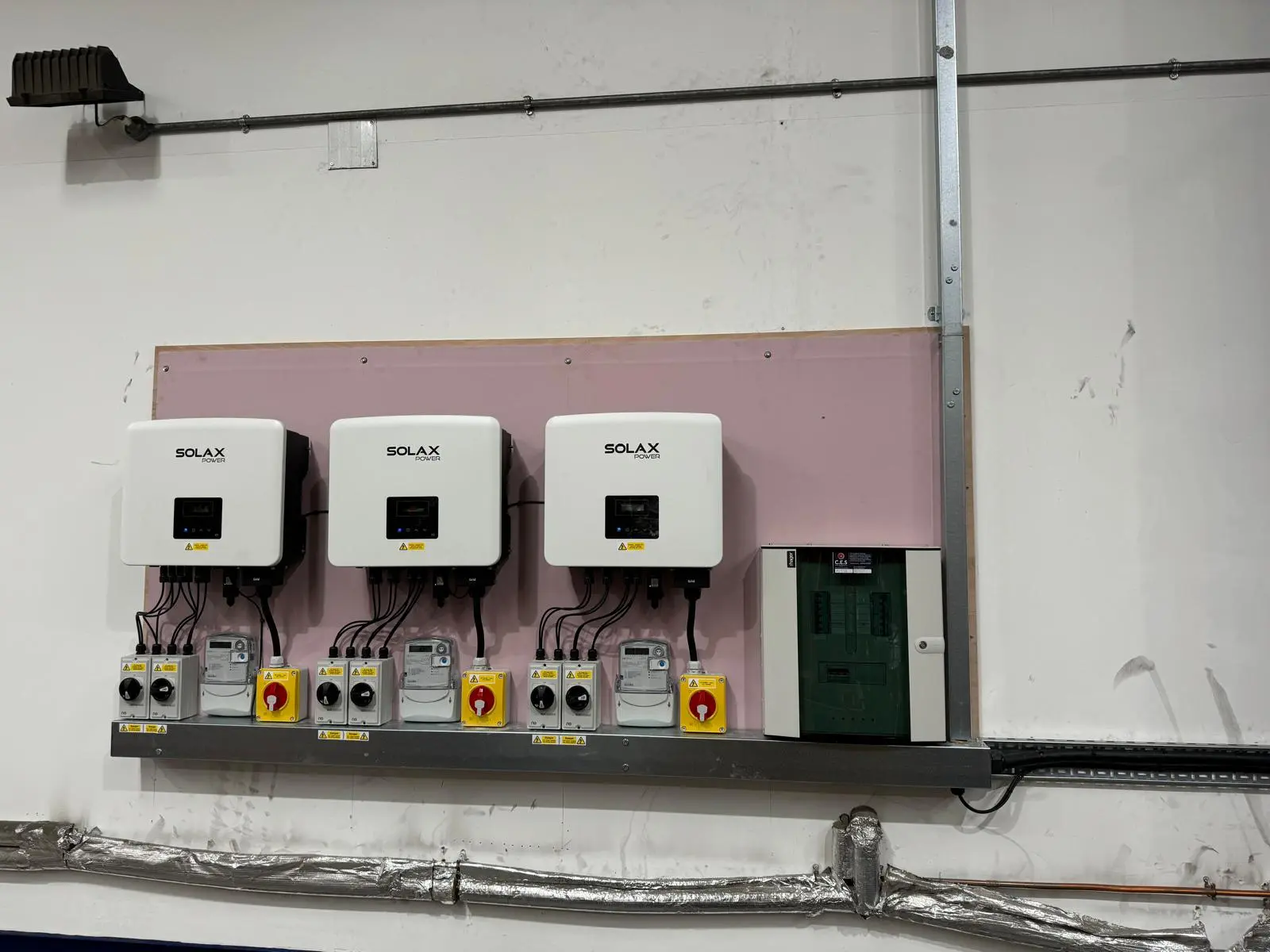 Case study315kW Commercial Solar PV Installation, Distribution Centre ProjectCES Renewables recently completed a major 315kW rooftop solar PV installation for one of W7 Make UK’s distribution centres, delivering a high-performance system designed…