
Electricians and solar installers in Boston
Boston runs on food processing, packing and distribution, which means three phase supplies, machinery connections and some of the largest unbroken roof areas in the county. A big flat roof over a business that draws power all day is close to the ideal commercial solar case.
Food processing and warehousing, so three phase and big roofs.
What we do most of here
Wiring packhouses, chillers and cold stores
The electrical work in this part of the county is shaped by what the buildings do. Most of it is three phase, feeding chillers, graders, washers, conveyors and pumps and not sockets and lights. Motors want the right protection and starting arrangement, drives need their cabling screened and glanded properly, and a washdown area wants IP rated fittings and stainless containment, because it is hosed down at the end of every shift.
Production dictates when we can work. On a live site we plan isolations around the shift pattern, agree what has to stay energised, and book the bigger changeovers into a weekend or a maintenance shutdown. Cold store is the one thing nobody can afford to lose, so temporary supplies and a written sequence are agreed before anything is switched off, and the temperature record matters as much as the electrical one.
Why Boston packhouse roofs suit commercial solar
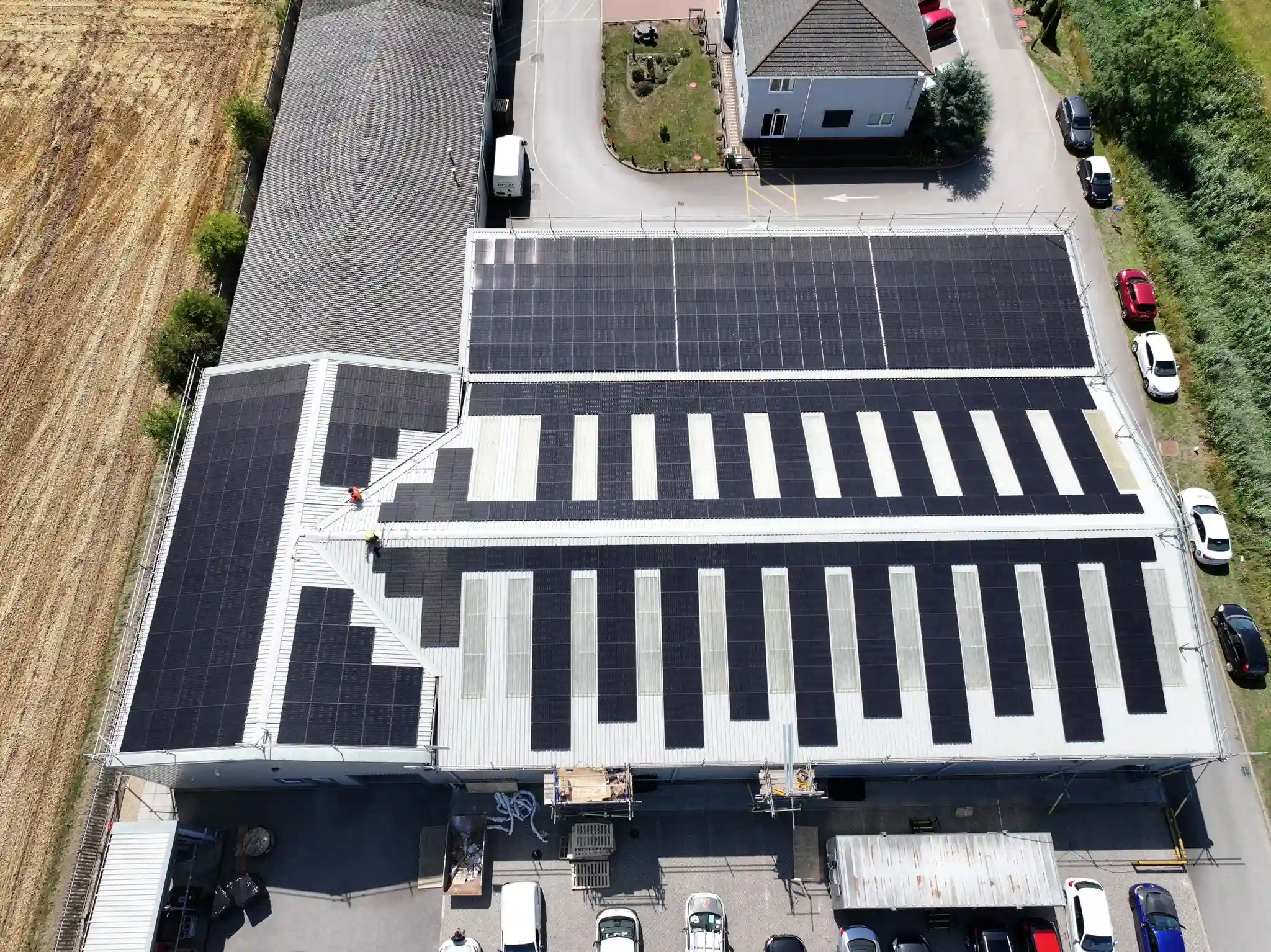
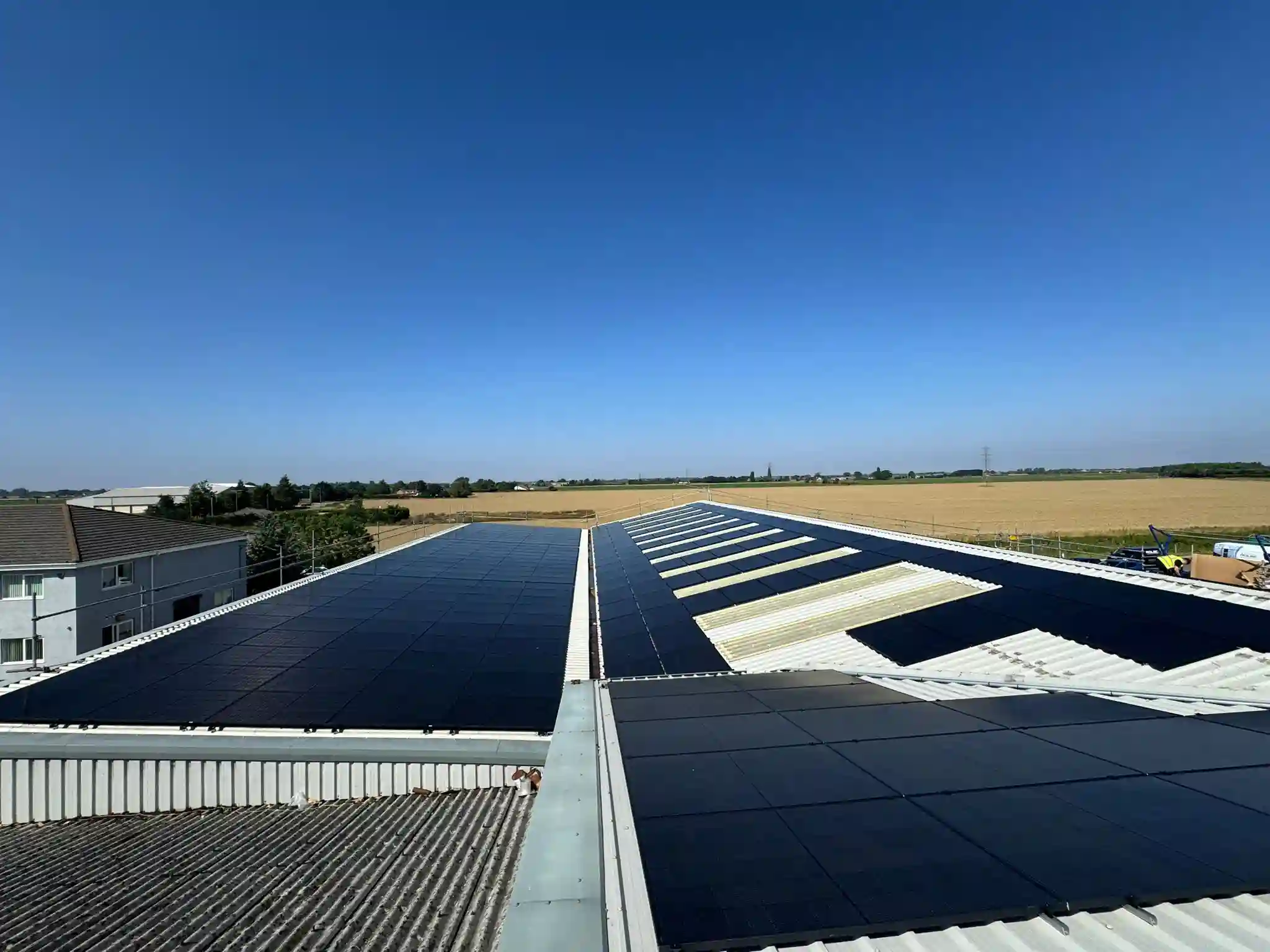
The processing and distribution sheds here have some of the largest unbroken roof areas in the county, and the businesses under them draw power all day. That combination is what makes commercial solar pay. Refrigeration, chillers and packing lines are drawing hard while the sun is at its highest, so most of what the roof makes never reaches the meter as an import.
The design question is therefore how much you can genuinely consume and not how many panels fit. A site with a heavy overnight refrigeration load and a quiet daytime is a different case entirely, and on those we would point at storage, or simply at a smaller array. Half hourly consumption data is what settles it, and every supplier can provide it.
DNO capacity and G99 on larger connections
Anything above sixteen amps per phase stops being a simple notification and becomes a G99 application to the network operator, and on a site this size that application drives the programme. Fenland circuits do not always have generous spare capacity, so an approval can come back with an export limit attached. We apply early, and an export limitation device is often the sensible route to getting a system connected at all.
Two things are worth having ready before we quote. Your agreed supply capacity, which the supply agreement or a half hourly bill will show, and a note of any expansion you already have planned, because a chiller or a line going in next year changes both the array size and the connection application. With those we can tell you fairly quickly whether the roof or the grid connection is the real constraint.
Roof condition and wind on fenland sheds
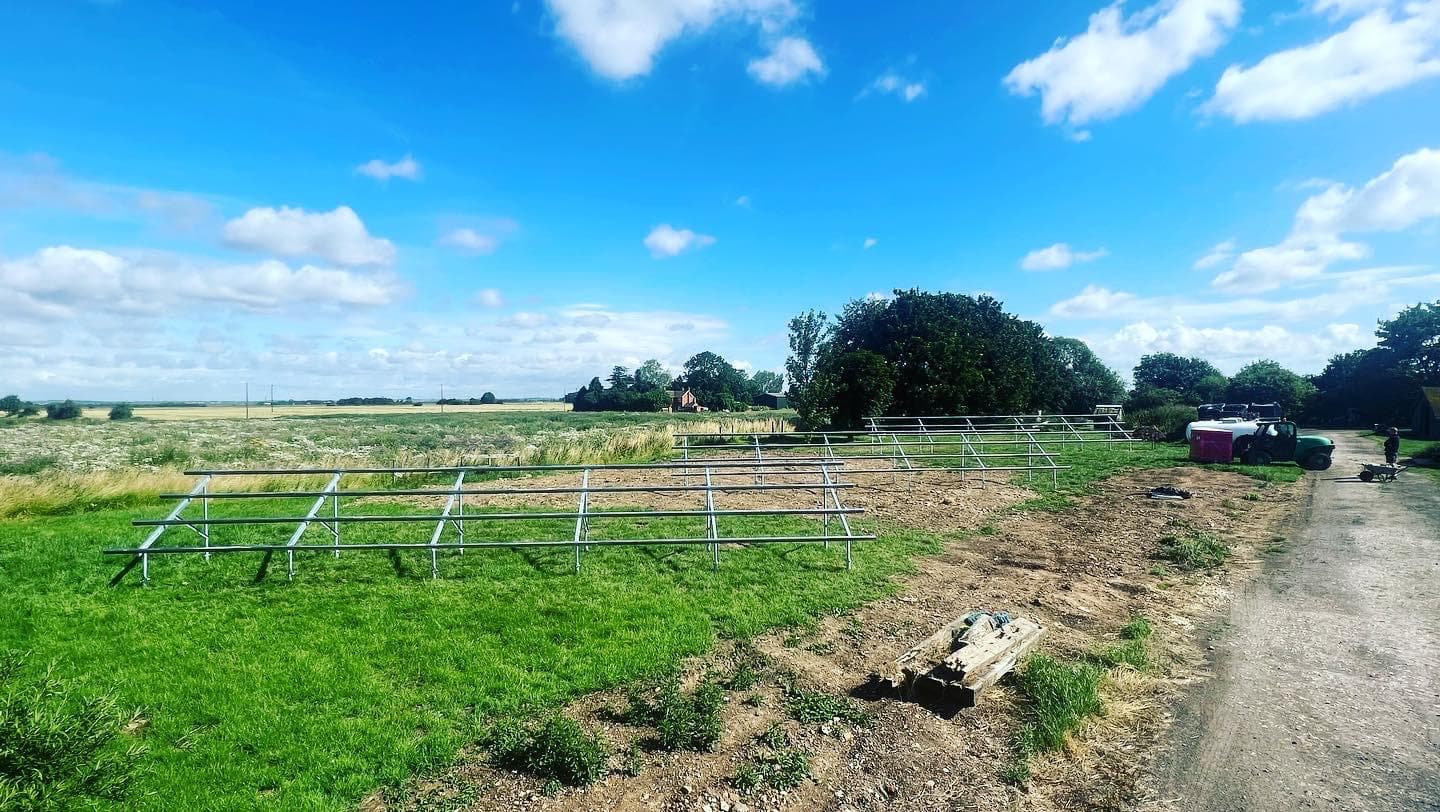
The land here is flat and open with very little to break the wind, so uplift on a large low pitched roof is a real design input and not a box to tick. Profiled metal roofs get checked for purlin spacing and fixing condition, and on a flat roof the choice between ballast and penetrations is made on the structure in front of us and not on habit.
An array is there for twenty five years, so the roof under it needs at least that much life left. If the sheeting is near the end of its run, replacing it first and mounting afterwards costs less than taking a system off and putting it back. That belongs in the survey report, where you can act on it, and not in a conversation two years later.
Projects across the county.
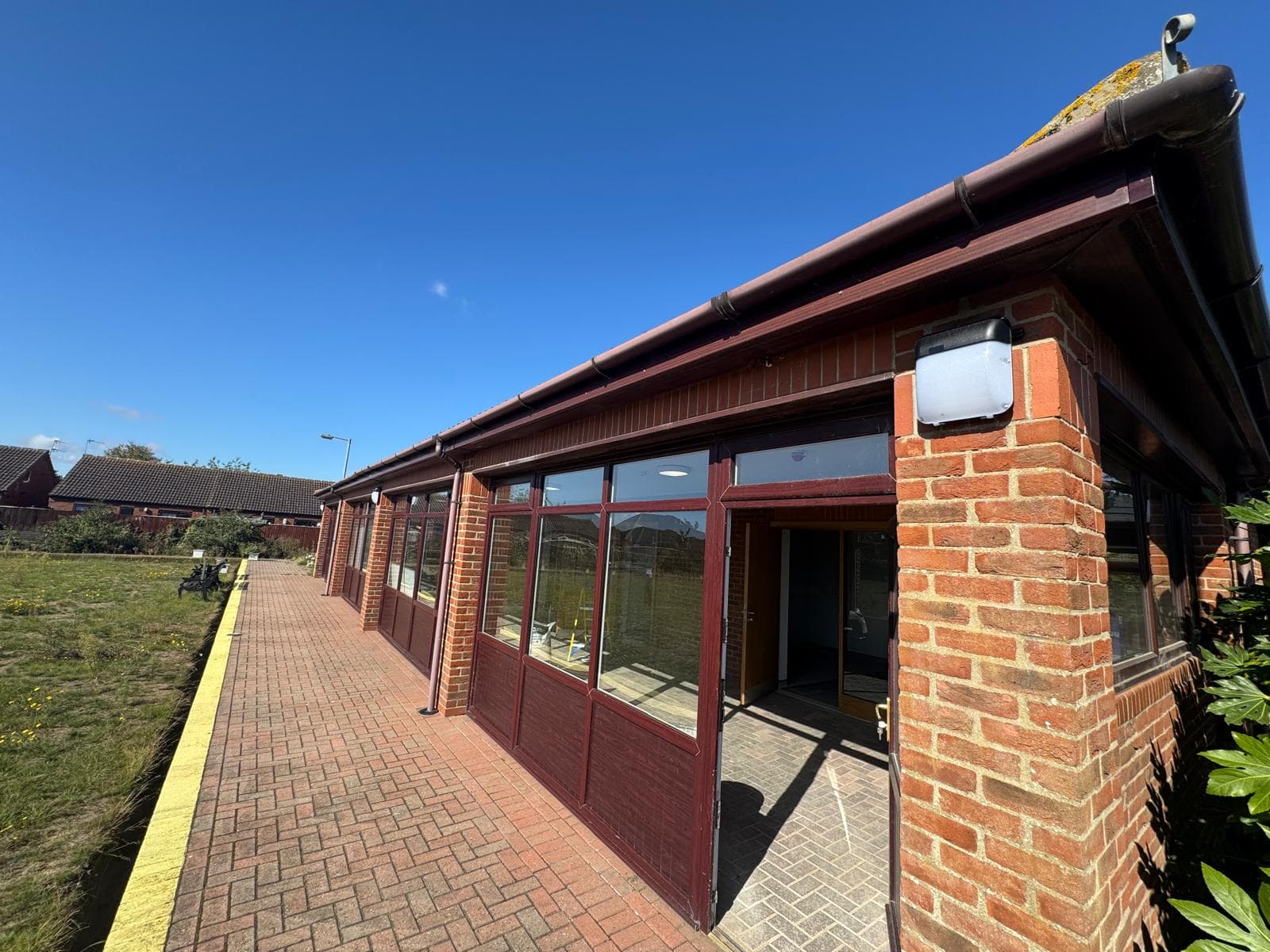 Case studyLinkage Training CentreWe were appointed to deliver a complete electrical and life-safety installation for a specialist training centre operated by Linkage. The project involved transforming…
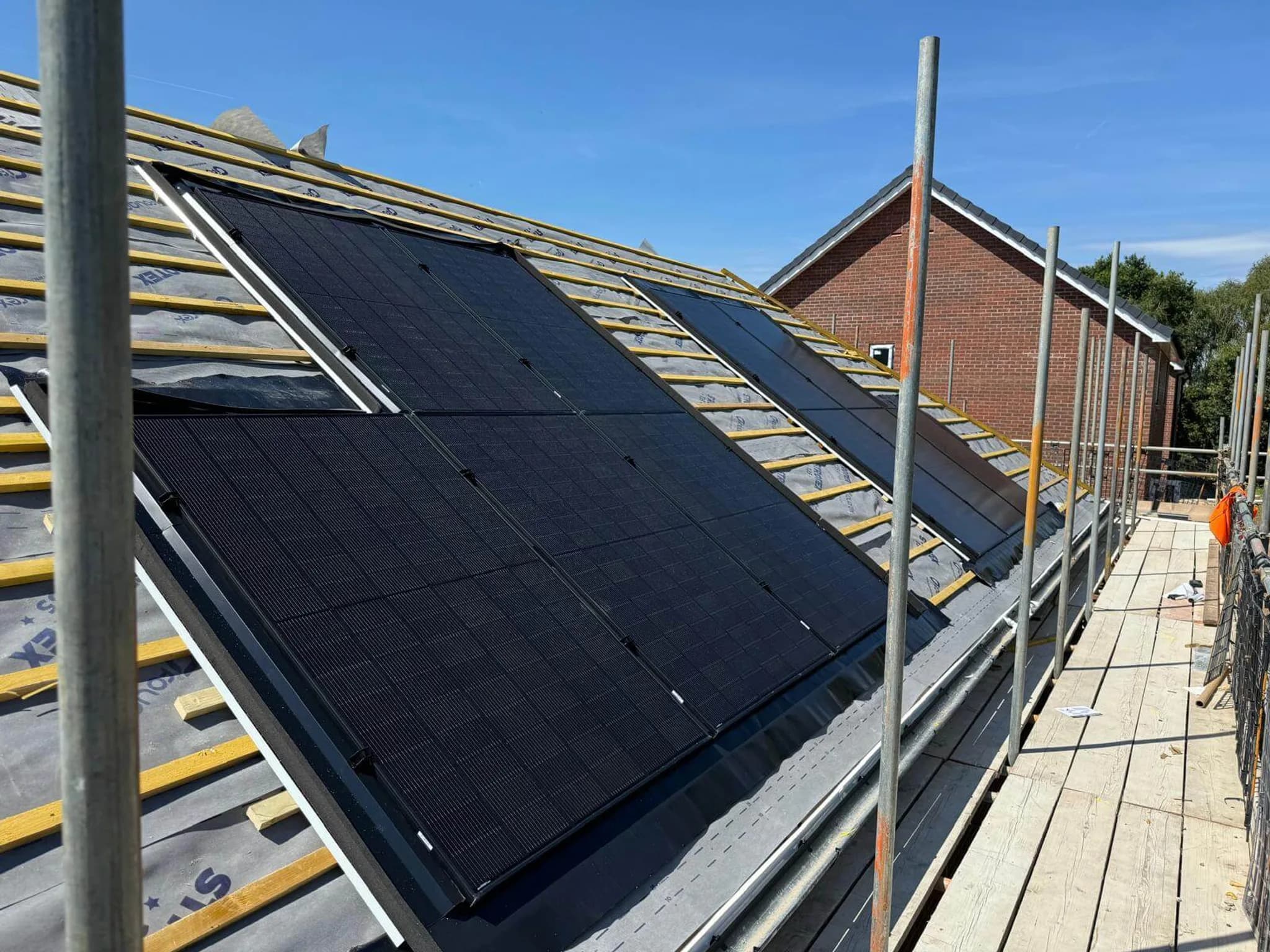
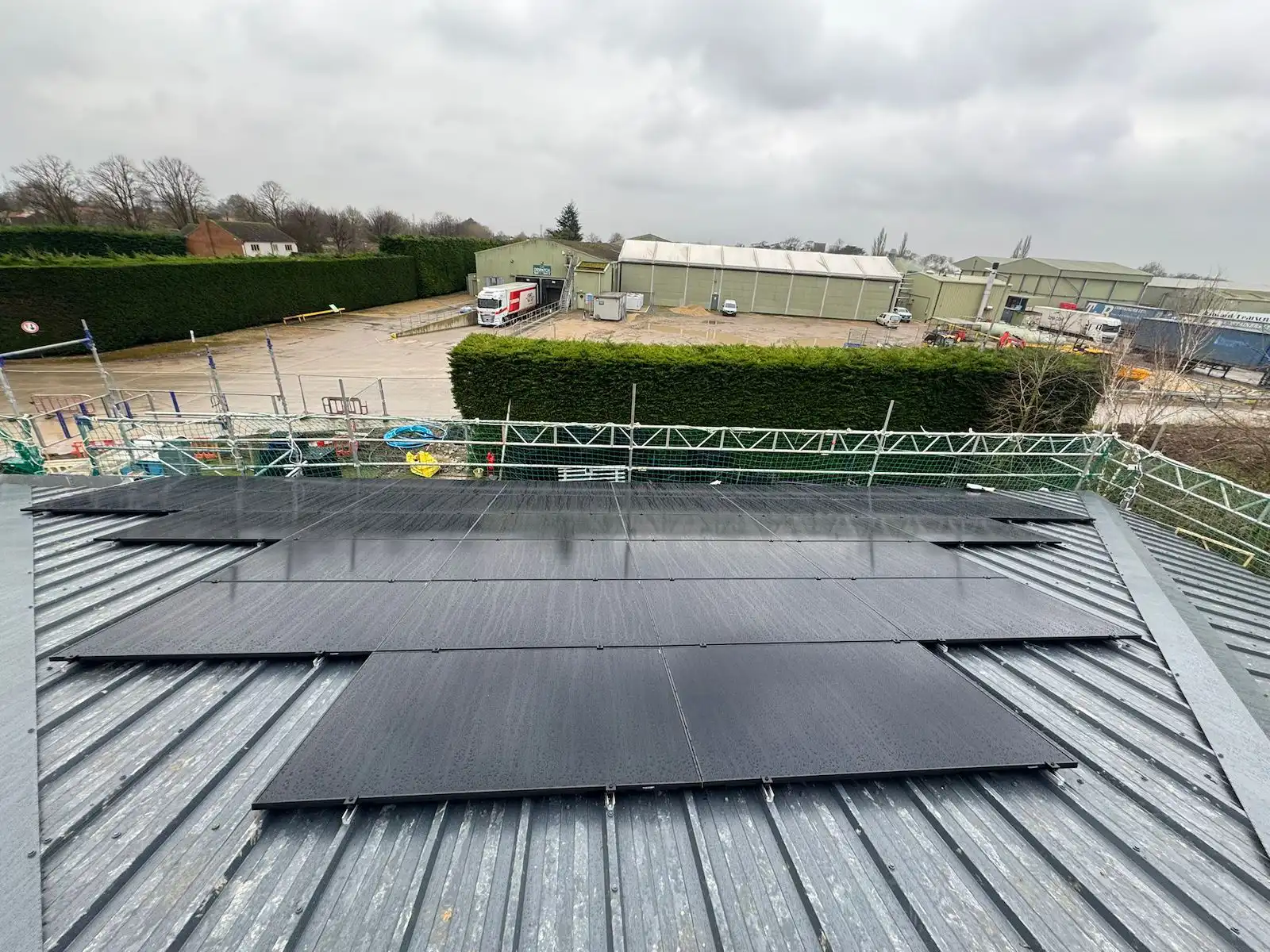 Case study45 kW Commercial Solar InstallationCES Renewables has successfully completed another premium solar installation, a 45 kW Commercial Solar PV System engineered for efficiency, reliability and long-term…
 Case study6.8kW Domestic Flat Roof Solar InstallationCES Renewables has successfully completed another high-quality domestic renewable installation. This 6.8kW Solar PV system was designed for a flat roof application,…