

What are the Benefits of Adding Battery Storage to Your Lincolnshire Home
Adding battery storage to your Lincolnshire home lets you store electricity, whether the solar power you generate or cheaper power bought overnight, and use it later instead of paying peak rates, which makes it one of the most effective energy upgrades available here. Whether you already have solar panels or are starting from scratch, a battery can be fitted to most homes, and it is a job we carry out right across the county.
It is a particularly good fit for homes in this part of the country, from the many rural properties off the mains gas grid to households who fitted solar years ago and now export too much of it cheaply. The right size and setup depend on how and when you use electricity, which we come to below, along with why homes here benefit so much, whether you need solar first, what the work involves, and what it costs.
Why battery storage suits Lincolnshire homes
Lincolnshire has a great many rural and village properties off the mains gas grid, relying instead on electricity, oil or LPG for heating and hot water. For homes running on electricity in particular, storing power and using it smartly makes a real difference to the bills, because so much more of the household’s energy comes through the meter. In our experience, adding a battery and moving to a time-of-use tariff works better than adding a battery on solar alone for these off-grid homes, because charging cheaply overnight and drawing on that stored power through the day cuts far more off an electrically heated home’s bills than storing solar surplus ever could on its own.
There is also the matter of resilience. Exposed rural parts of the county can be more prone to the occasional power cut, and a battery set up for backup will keep essential circuits running when the grid goes down. And for the many local homes that had solar fitted some years ago, before storage was common, a battery finally lets them keep the generation they are currently exporting for a few pence and buying back at full price after dark. Whatever the property, what we see is that the homes benefiting most are those with high electricity use, existing solar, or both.
Do you need solar panels to add a battery?
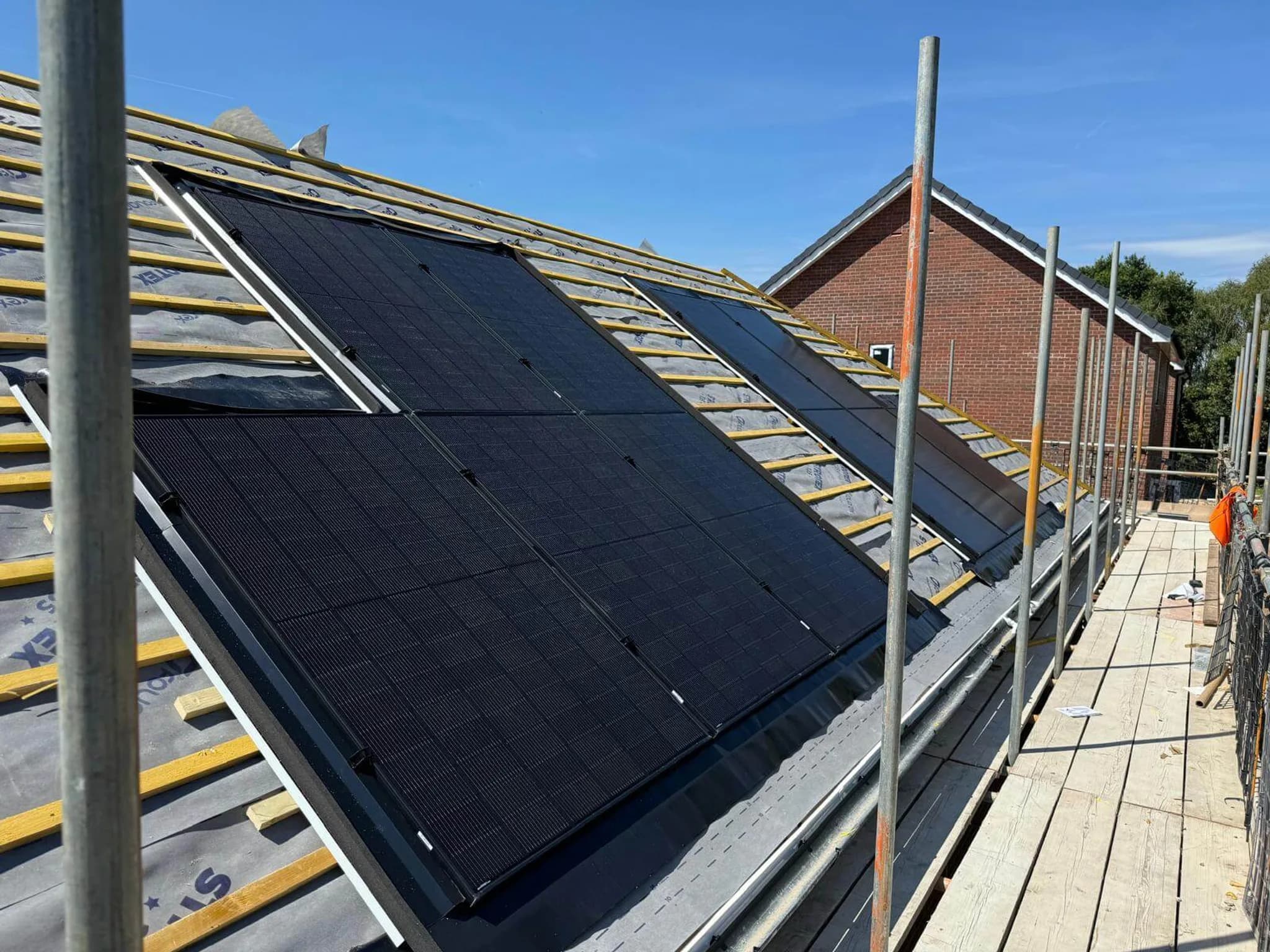
No, though the two work very well together. If you already have solar, a battery can be added to capture the surplus your panels currently export rather than letting it go to the grid cheaply. If you do not have solar, a battery can still earn its keep by charging from the grid when electricity is at its cheapest overnight and powering your home through the expensive evening peak, which is where a time-of-use tariff comes in. Pairing storage with solar is where the largest savings sit, because you are then banking free electricity rather than simply cheaper electricity. For anyone weighing it up, seeing how solar battery storage works makes it much easier to picture what a battery will actually do in your home.
What adding a battery to your home involves
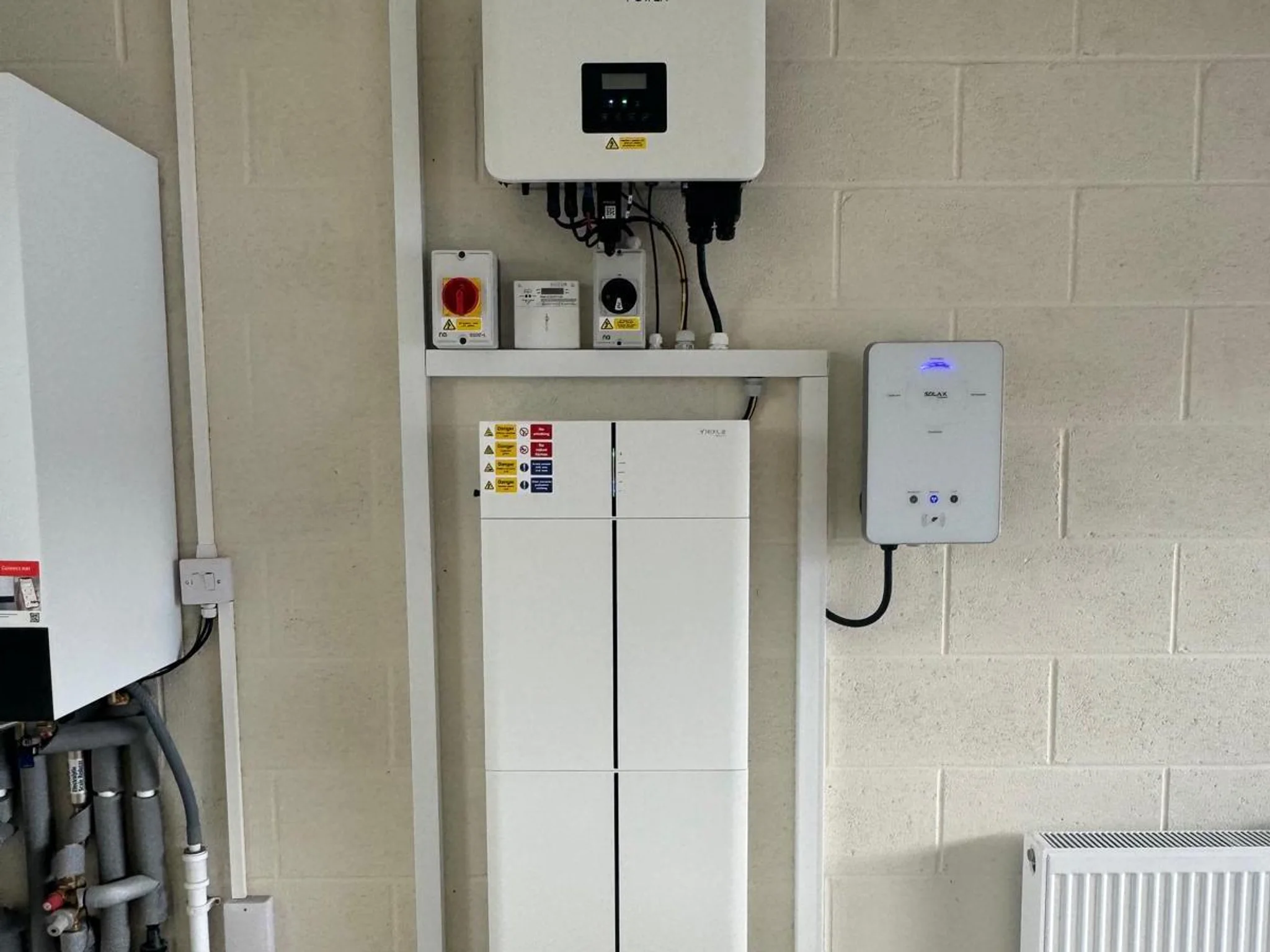
The starting point is always a proper look at how you use electricity, because that is what determines the right size and setup. From there, the practical considerations are straightforward. The battery needs a suitable home of its own, typically in a garage, utility room or other sheltered indoor space with a little room around it, which on exposed coastal and rural properties keeps the unit comfortably protected from the weather.
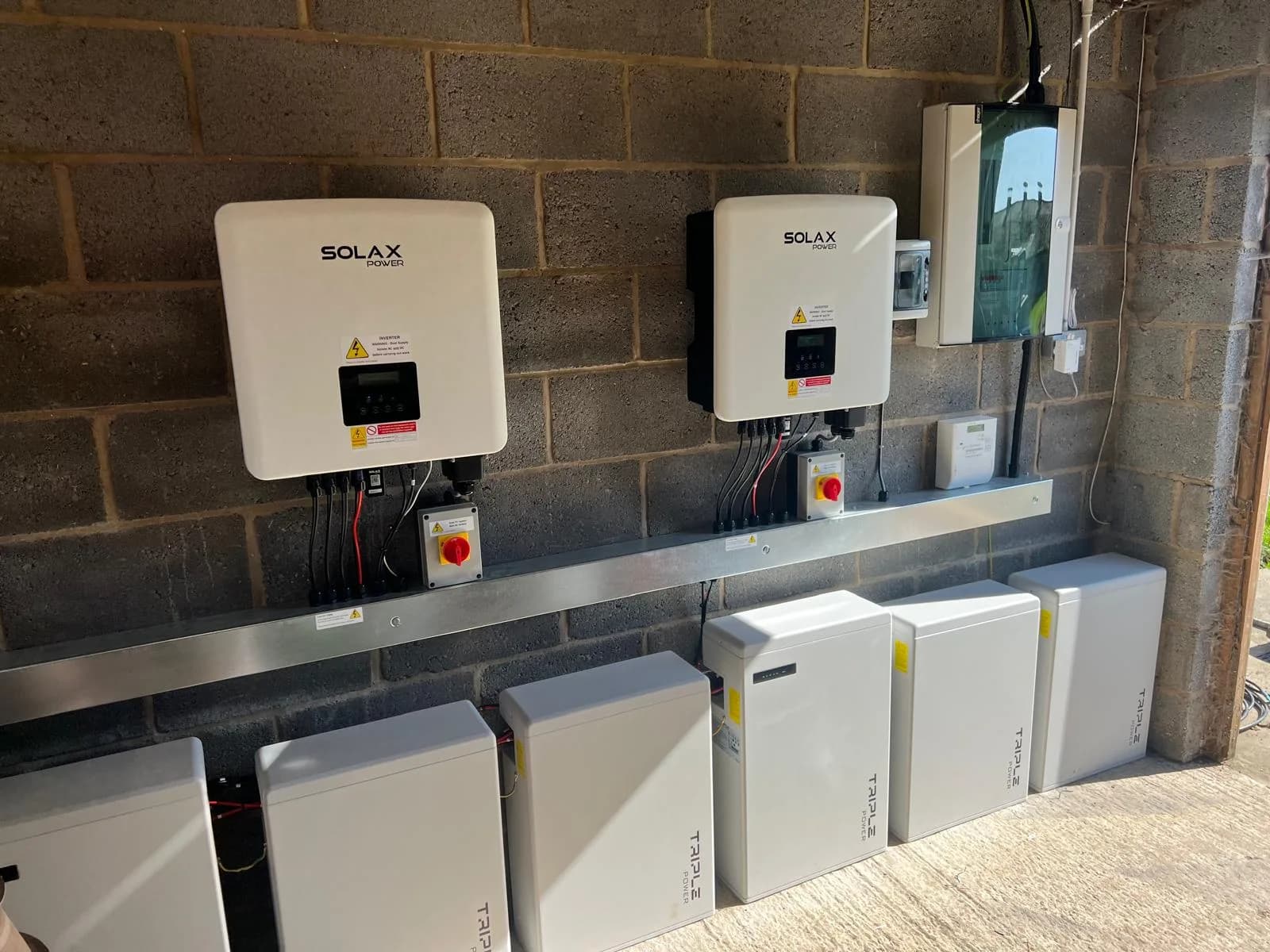
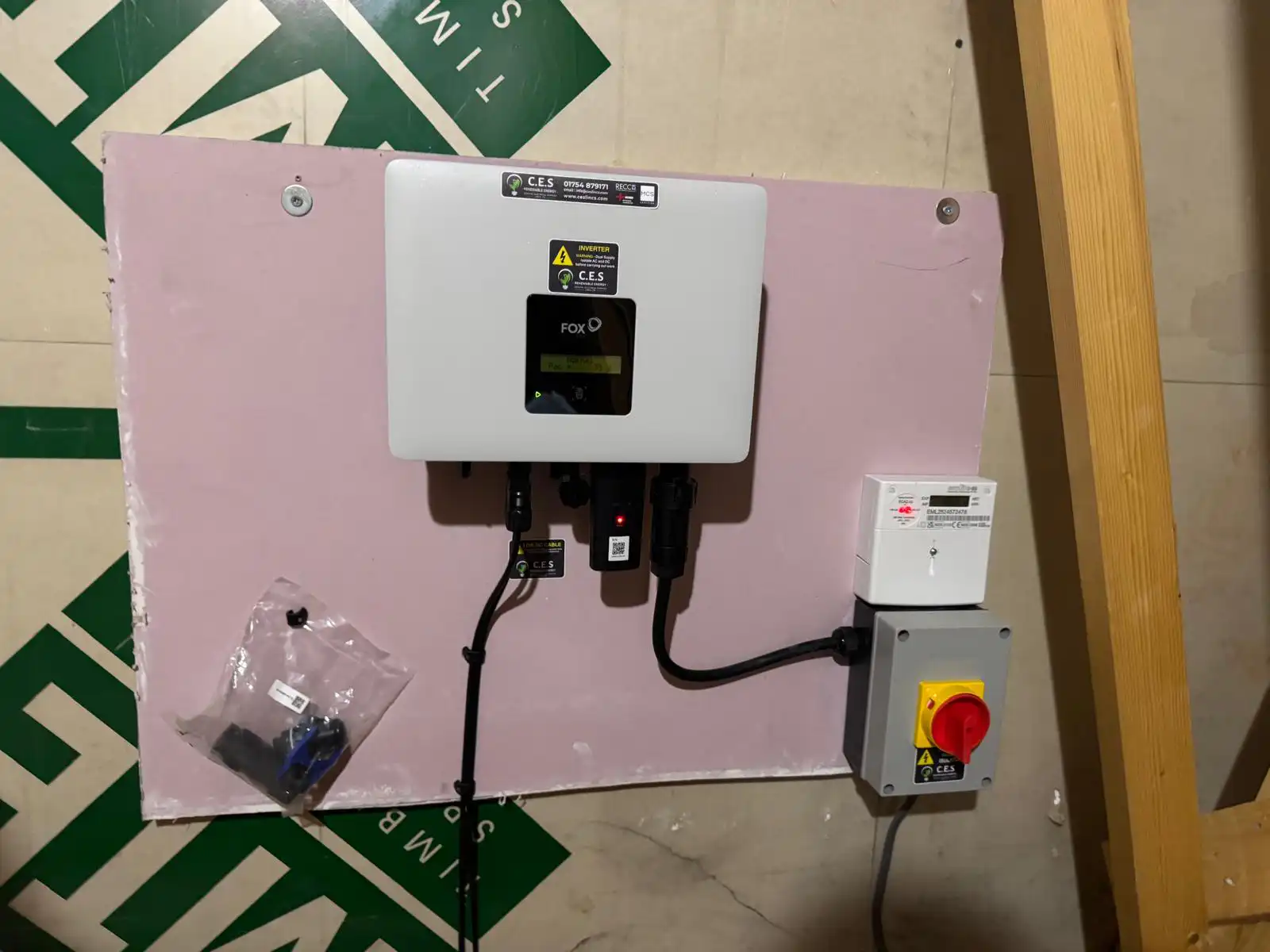
If you already have solar, we would usually add an AC-coupled battery, which fits alongside your existing panels and inverter without disturbing the system that is already working. On a new installation, a hybrid inverter often handles both the panels and the battery through one efficient unit. Either way, the battery is wired in, configured and commissioned, and set to charge and discharge in the way that best suits your home and tariff. You are then left with an app that shows your generation, storage and usage at a glance, so you can see exactly what the system is doing.
Getting the size right for your home
The right battery is the one matched to how much electricity you use outside daylight hours, not the largest unit you can afford. A home with high evening and overnight demand, or one with an electric vehicle or electric heating, needs more storage than a household that is out all day and quiet after dark. Working out what size battery your home needs comes down to looking properly at your usage, which is exactly what we do before quoting rather than fitting a one-size-fits-all package. An oversized battery simply sits part empty and takes longer to pay back, so the aim is a unit that fills and empties comfortably most days.
What it costs to add battery storage
Cost naturally depends on the size and type of system, but there is a genuine saving to be aware of. Battery storage currently qualifies for 0 per cent VAT, whether it is fitted alongside new solar panels or added to your home on its own, a relief that runs until the end of March 2027 before returning to the standard rate. That makes now a sensible time to add storage rather than putting it off. On top of the savings a battery brings by cutting your peak-rate usage, any surplus solar you still do not need can be exported and paid for through the Smart Export Guarantee, so nothing is wasted.
What we have found adding storage to Lincolnshire homes
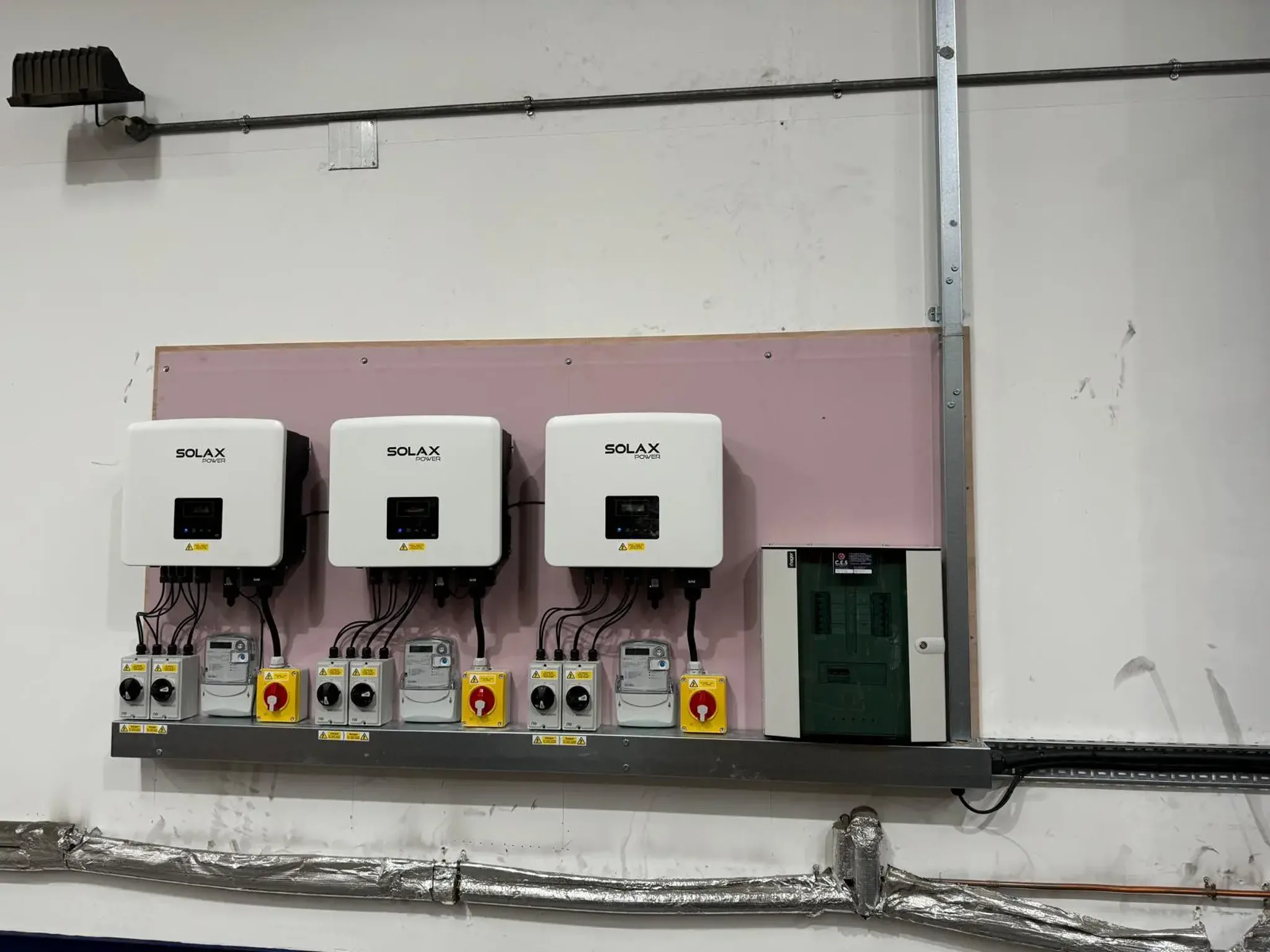
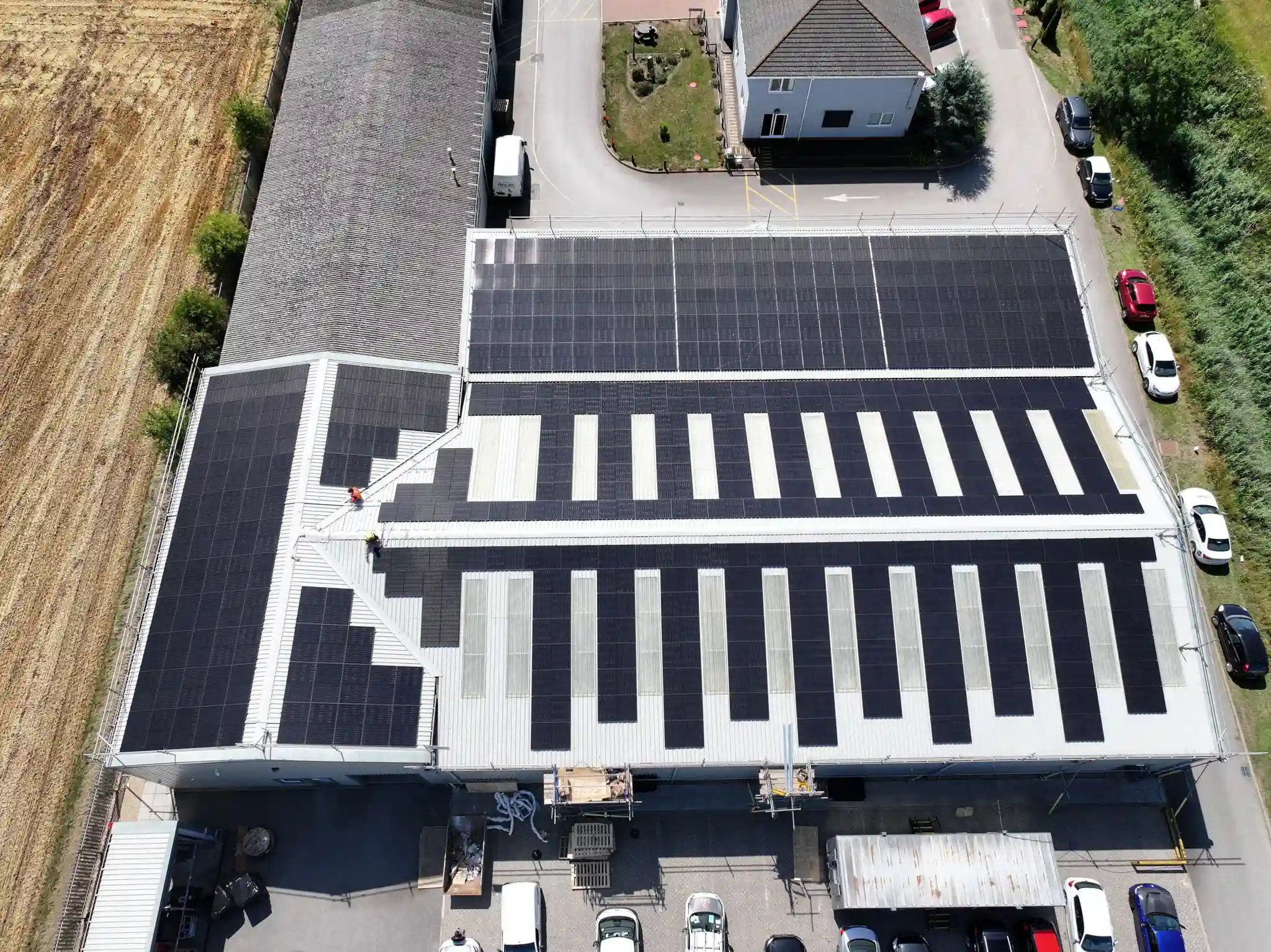
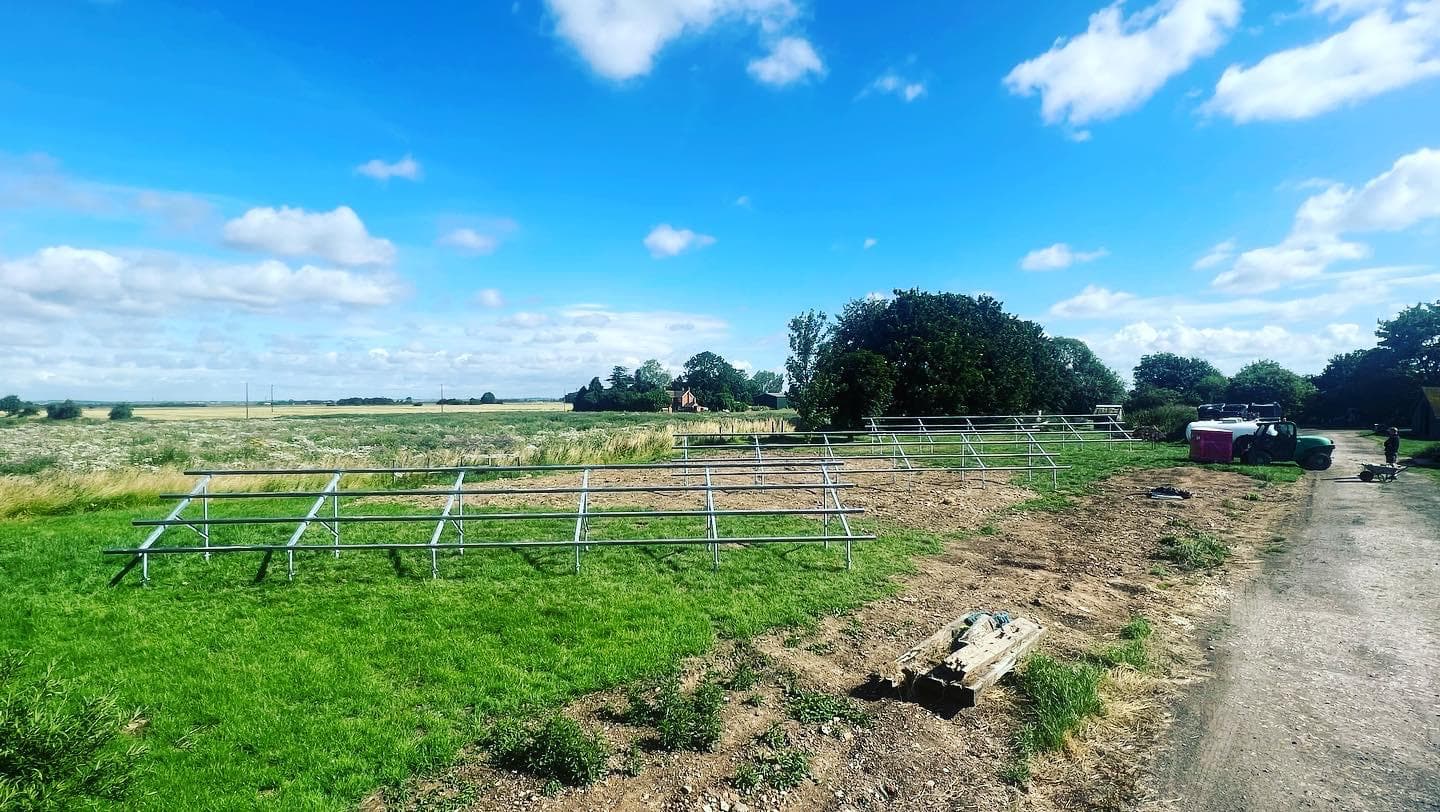
Over more than 30 years in the electrical and renewables trade, we have added storage to homes and businesses right across Lincolnshire. For one homeowner we completed a 6.8kW solar and battery installation on a property with a flat roof, with the storage matched to the household rather than to a standard specification. The same principles scale up well beyond the home, as on a poultry farm near Friskney where we paired a ground-mounted array with 30kW of battery storage to carry the site’s heavy demand through the evening and early morning.
Being based in Skegness, we fit every battery storage system around how the property actually uses power and site it to suit the building, which on the Lincolnshire coast means keeping equipment well protected from the elements. As an NICEIC approved, MCS certified and RECC registered installer, and an Octopus installation partner, every battery we add is installed safely, kept compliant with the regulations and set up to get the most from your solar and your tariff.
Talking to CES about battery storage
Adding a battery is one of the best ways to get more from solar panels you already have, or to cut your reliance on expensive grid electricity if you are starting fresh. The difference between a battery that pays for itself and one that disappoints comes down to sizing it to your home and setting it up properly, which is what we do on every installation across Lincolnshire.
If you would like to know what battery storage would save on your home, and what the right size and setup would be, get in touch with our team for honest advice and a tailored quote.