
An EICR for a typical three bedroom house costs roughly £150 to £250, going by a UK price guide published in 2026, and a one or two bedroom flat usually comes in at about £100 to £180. Bigger houses, homes with more than one consumer unit and houses in multiple occupation run from around £250 to £500 or more. That price covers the inspection, the testing and the written report. Any repair work the report calls for is quoted separately.
What really sets the price of an electrical installation condition report is not the number of bedrooms but the number of circuits, how many boards they run from and how easy they are to get at. Landlords in England need one at least every five years by law. Homeowners have no legal duty, although Electrical Safety First recommends an inspection at least every ten years.
What decides the price of an EICR
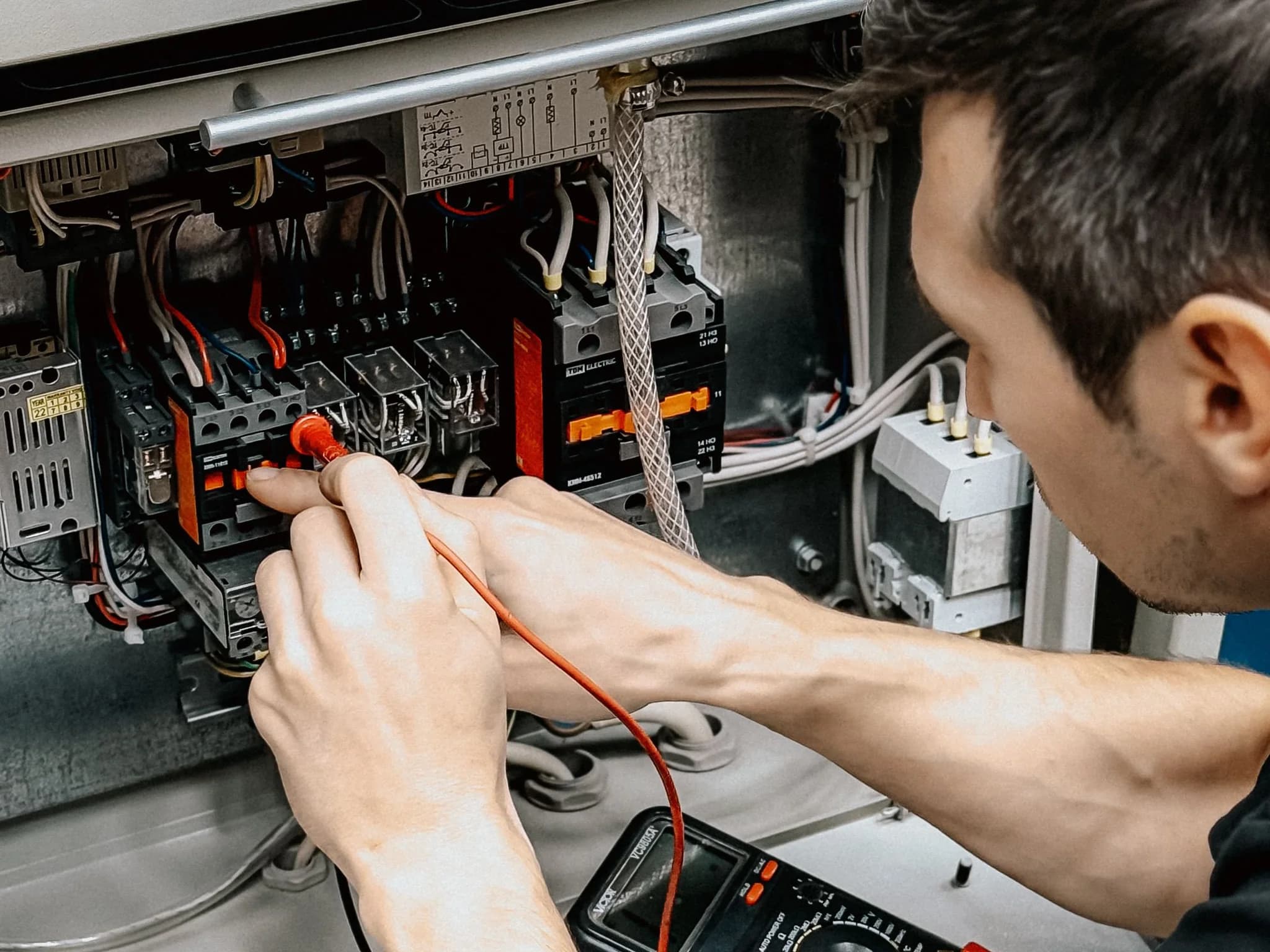
An EICR is mostly time, and the time goes on circuits. Every circuit in the house is tested on its own, for earth continuity, insulation resistance, polarity, earth fault loop impedance and, where it has one, the operation of its RCD. A small flat might have six or eight circuits. A large house with an extension, a garage and a garden office can have three times as many, which is why the price guides put a flat at one to two hours on site and a typical house at two to four.
Bedrooms are only a rough stand in for that, and several things push a quote up whatever the size of the property.
- A second consumer unit, in a garage, an outbuilding or an extension, is a second board to open and test. One fixed price provider working within the M25 adds £55 for each extra consumer unit and £35 for each extra circuit. Those are London prices, but they give a fair idea of how the arithmetic works.
- Outbuildings, outdoor sockets and supplies run down the garden all need testing, and they are often the parts in the worst condition.
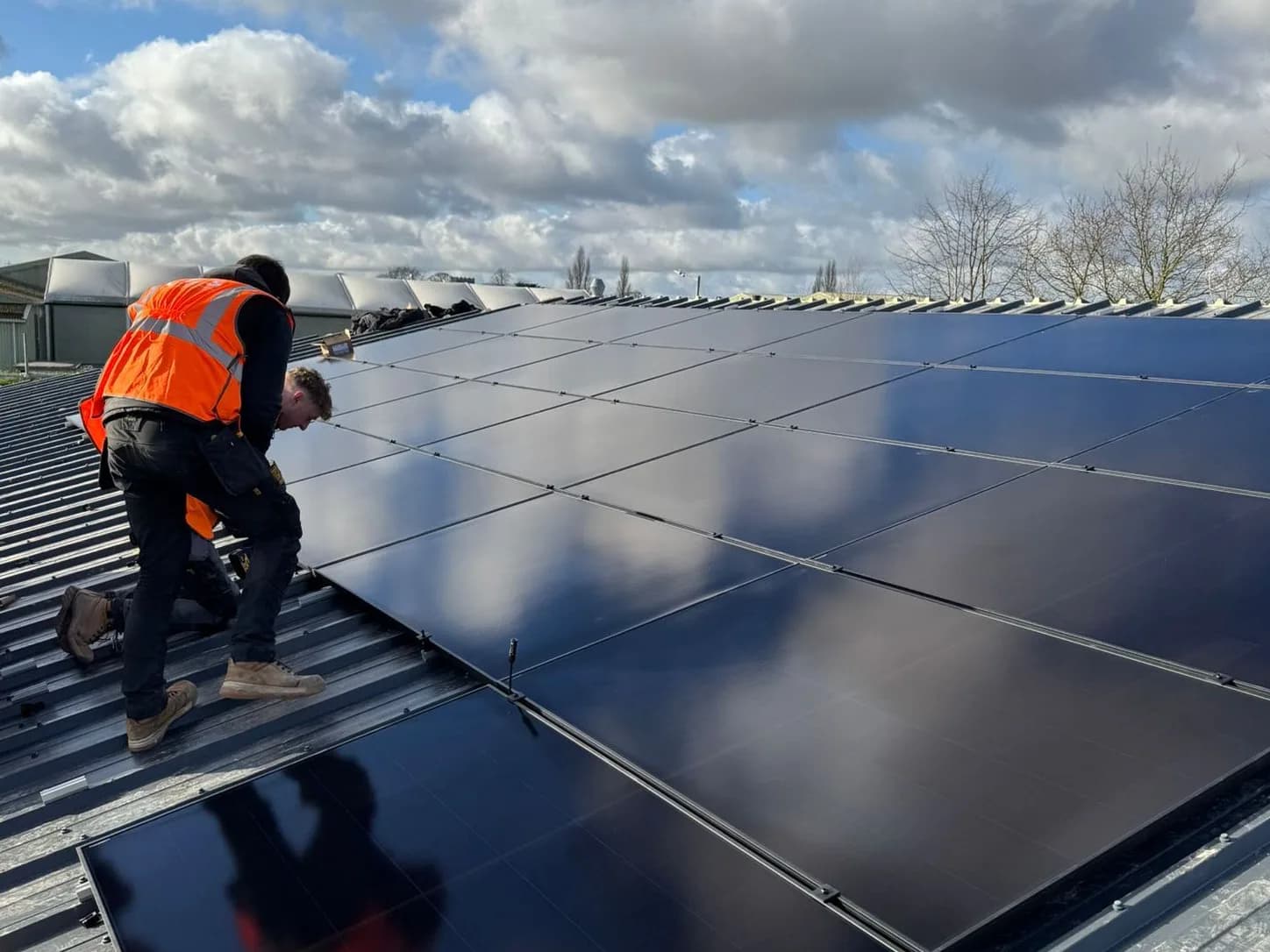
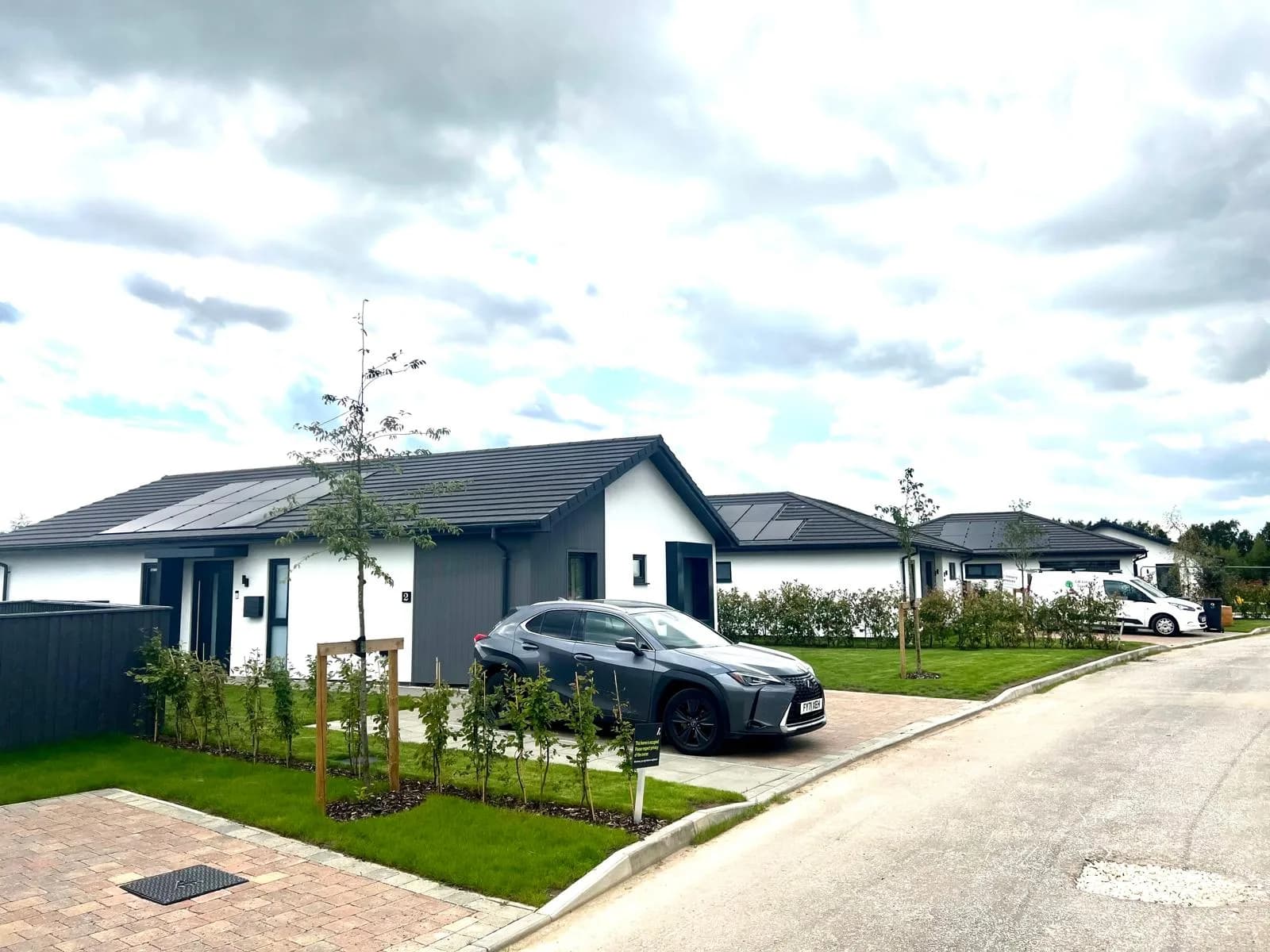
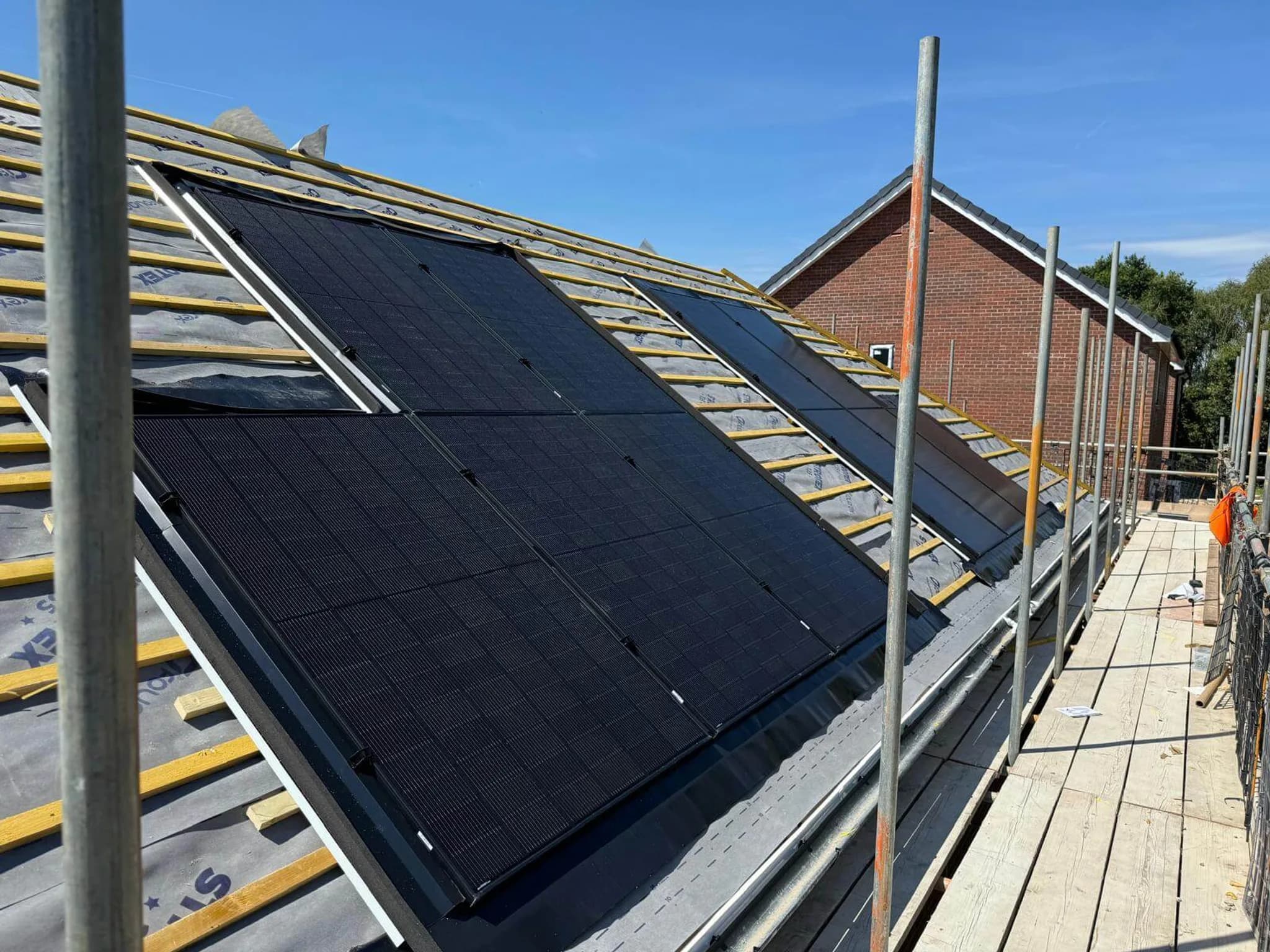
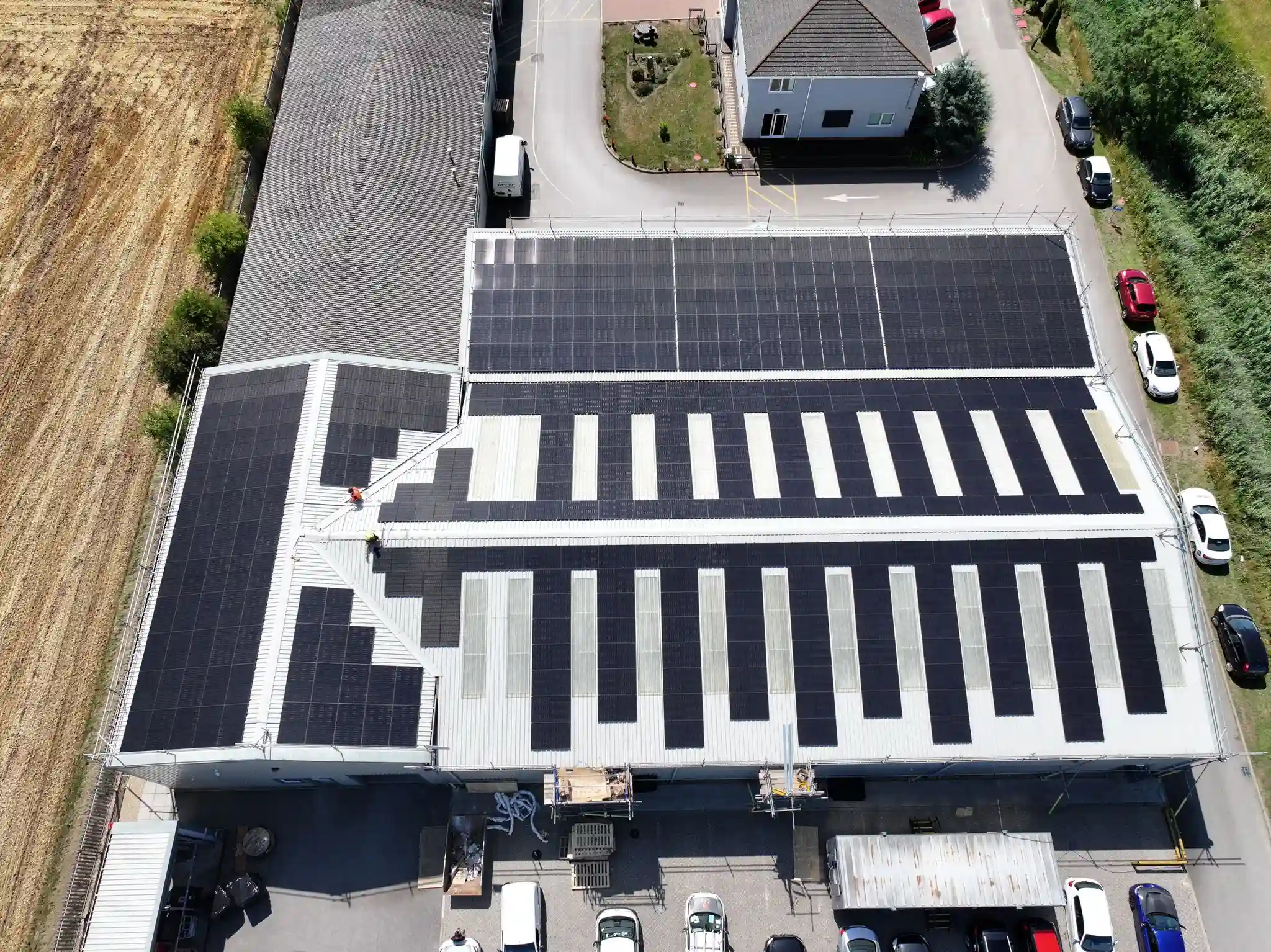
- Solar panels, a home battery or an EV charger each add circuits and protective devices of their own, all of which are inspected and tested along with the rest.
- Missing records slow everything down. If nobody knows which breaker feeds which room, the inspector has to trace every circuit before testing it.
- Access matters too. A consumer unit at the back of a packed cupboard, or wiring in a loft that cannot be reached safely, adds time or limits what can be checked.
That last point about records is worth knowing in its own right. Under the current wiring regulations a circuit that cannot be identified is itself a defect and gets coded on the report, so an unlabelled board costs more than time.
Typical EICR prices by size of home
These are the ranges a UK wide 2026 price guide gives, and local labour rates move them up or down. They are a guide to the market rather than anyone's price list, and they are for the inspection and report only.
- A studio or one bedroom flat, about £100 to £150.
- A two bedroom flat or small house, about £120 to £180.
- A three bedroom house, about £150 to £250.
- A four bedroom house, about £200 to £300.
- Five bedrooms or more, about £250 to £400, and more again for an HMO or a property with several boards.
If you ask us to price one, our quote form asks what kind of property it is, whether you live there or let it out, and how many bedrooms it has, because those answers tell us roughly how long the job will take before anyone visits. Anything unusual, such as a second board or a detached workshop, is worth mentioning at the same time so the quote does not change on the day.
Be wary of a price far below these ranges. A whole house tested properly takes hours, and a report produced in a fraction of that time cannot have tested much of what it describes.
What the report actually tells you
An EICR is a condition report, not a pass certificate. It records what was inspected and tested, the results circuit by circuit, any observations, and an overall verdict of satisfactory or unsatisfactory. Each observation carries one of four codes.
- C1 means danger is present and there is a risk of injury now. It is made safe before the inspector leaves.
- C2 means potentially dangerous, so there is no immediate risk but it needs putting right.
- C3 means improvement recommended. It is advice, not a defect.
- FI means further investigation is advised, because something could not be resolved during the inspection.
One detail changed in 2026 and plenty of older guides have not caught up. Since BS 7671 Amendment 4 of 2026, only C1 and C2 make a report unsatisfactory. An FI code is now advice to investigate rather than a failure in its own right, and a report with only C3 and FI observations can be satisfactory.
The report also gives a recommended date for the next inspection. That date comes from the inspector's view of the installation and how it is used, so an older or harder worked installation can be given a shorter interval than the usual five or ten years.
What happens if the report is unsatisfactory
An unsatisfactory report lists what needs doing, and the remedial work is priced as a separate job. Sometimes that is a single fitting or a missing label. Sometimes it is bigger. An old board with no RCD protection might mean a consumer unit replacement, and wiring whose insulation has broken down with age can point towards a full or partial rewire. Either way the report tells you what is required and what is optional, and only the C1 and C2 items are obligations.
For a landlord, the timetable is set by law. Under the electrical safety standards for rented homes, the report goes to the tenants within 28 days of the inspection and to the council within seven days if it asks. Remedial work has to be finished within 28 days, or sooner if the report says so, and the council can fine a landlord up to £40,000 for a breach. Many guides still quote the older £30,000 figure. The same rules now cover social housing too, for tenancies granted from 1 December 2025 and for existing ones from 1 May 2026.
How often you need an EICR
For a privately or socially rented home in England, at least every five years, and before a new tenancy if the last report is out of date. For a home you own and live in, there is no legal requirement, but Electrical Safety First recommends at least every ten years, and sooner if you see warning signs such as scorch marks on sockets, breakers that keep tripping or an RCD that keeps tripping.
Two other moments are worth an inspection whatever the date on the last one. Before major electrical work, so that a new kitchen, an extension or adding solar panels does not uncover an old board that cannot take a new circuit halfway through the job. And after any significant change to how the property is used, such as converting a house into flats.
EICRs around Skegness and the Lincolnshire coast
We are based in Skegness and carry out EICRs for homeowners, landlords and agents in Alford, Louth, Mablethorpe, Horncastle, Coningsby and across the county. A few things are particular to this part of Lincolnshire.
Salt air is hard on anything electrical that lives outside. Outdoor sockets, garage supplies and external lights near the coast are worth a close look on any inspection, because corrosion inside an enclosure is not visible from the outside.
A lot of property here is a second home or a let that sits quiet through the winter. That makes the closed months a good time to book, because testing means switching circuits off one at a time and nobody is inconvenienced when the place is empty. It also means the report and any repairs are done before the busy season starts.
If your home has solar panels or a battery, the EICR covers the circuits they connect to, but the panels and the inverter have their own maintenance needs, and our solar and battery aftercare looks after those separately.
We are NICEIC approved, so the inspection is carried out and reported to the standard insurers, letting agents and councils expect.
Booking an EICR
If you need a report for a rental, a sale or simply because it has been a while, tell us about the property and we will give you a price before we visit. Get in touch with CES, or fill in our free quote form.