EV charger installation in Skegness
We fit home and workplace EV chargers across Skegness. The charger itself is the easy part. Where it can legally go, how it is earthed, what the network operator has to be told and how it will cope with salt air are what decide the job, so that is what this page is about.
Do you need planning permission for a charger in Skegness?
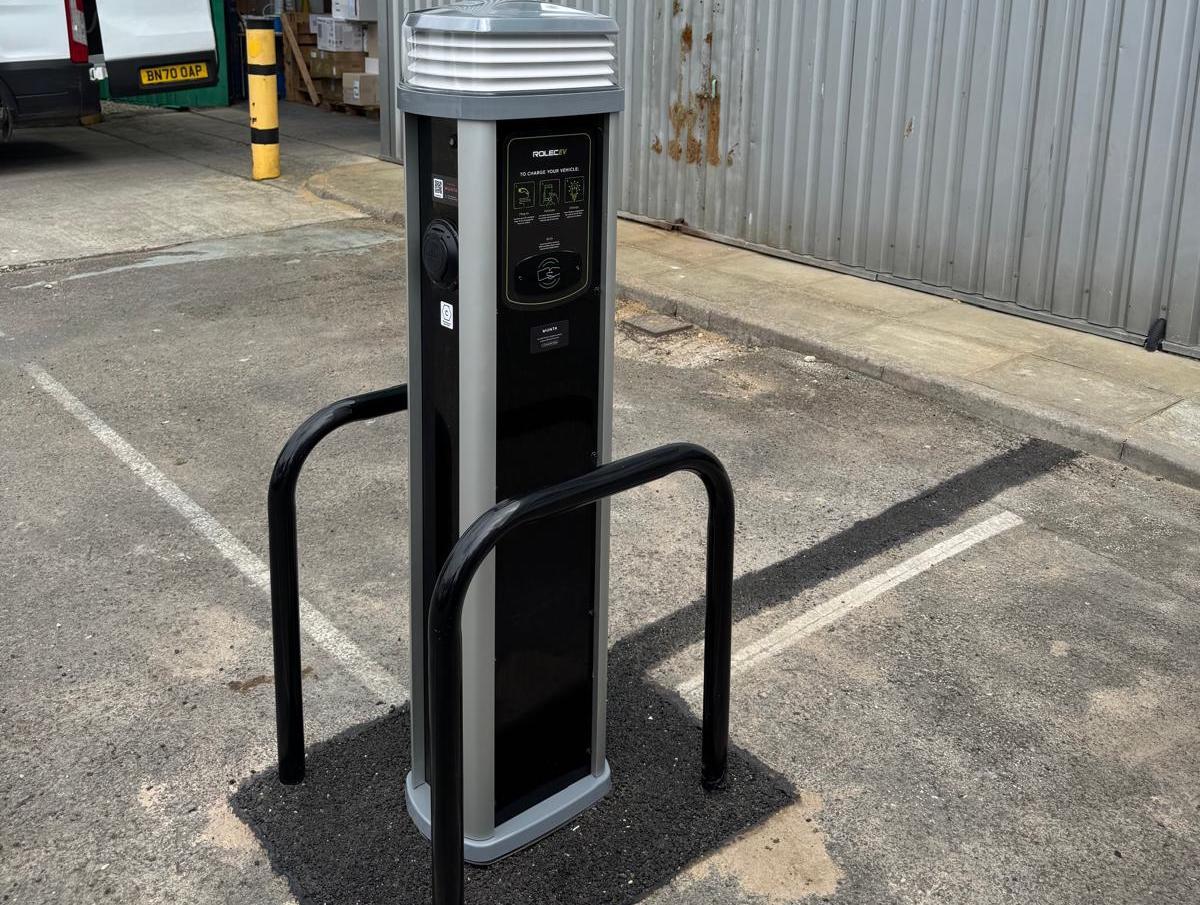
Most homes do not. A charger is usually permitted development, and the rules for England changed on 21 October 2026, with the previous version still usable until 20 October 2027. A wall charger has to stay within 0.2 cubic metres and no more than 1.6 metres above the ground. On a wall that runs right alongside a road it must not stick out more than 0.2 metres, or sit within 1.5 metres of the edge of the carriageway. A freestanding charger on a drive can be up to 1.6 metres tall, one per parking space.
A listed building, or anything in its grounds, needs permission, and a house in a conservation area should be checked before anything is fitted, because the rules there are tighter. An Article 4 direction can also remove these rights on a particular street. A cable laid across a pavement is not a planning question at all. It is a matter for Lincolnshire County Council as the highway authority, so a house without off road parking needs that conversation before a charger is ordered.
What the smart charger rules mean for you
Every charger sold for a home or workplace in Great Britain has had to be a smart charger since 2022, under the Electric Vehicles (Smart Charge Points) Regulations 2021. It comes with default charging hours set outside the peak, which the regulations define as 8am to 11am and 4pm to 10pm on weekdays. You can accept those hours, change them or remove them, and you can override them whenever you need the car charged now.
The same rules build in a random delay of up to ten minutes at the start of a charge, so that thousands of cars do not all start drawing power at the same second. If your car waits a few minutes before it starts, that is the charger working as the law requires, not a fault, and you can cancel the delay when you need to.
Earthing, the supply and the network operator
Most Skegness homes have what is known as a PME supply, where the earth is provided through the network's neutral. The wiring regulations need an outdoor charger on that kind of supply to be protected against the rare event of the neutral breaking, either by a charger with that protection built in or by a separate earth rod. We choose between them at the survey, because the ground, the position and the charger all have a say.
National Grid Electricity Distribution runs the network in Skegness, and a home charger has to be notified to them. Where the house already has enough capacity that is done once the charger is in. Where the main fuse is small, or the house already runs an electric shower, heating and a heat pump, the network may need to look at the supply first, and that is better known before you buy the car than after.
A charger a few streets from the sea
Salt air shortens the life of anything metal left outside, and a charger is no exception. We fit units with a weather rating suited to an exposed wall, use stainless fixings, and make the cable entry from below so rain cannot run into it. A wall facing away from the prevailing wind helps too, where the drive allows.
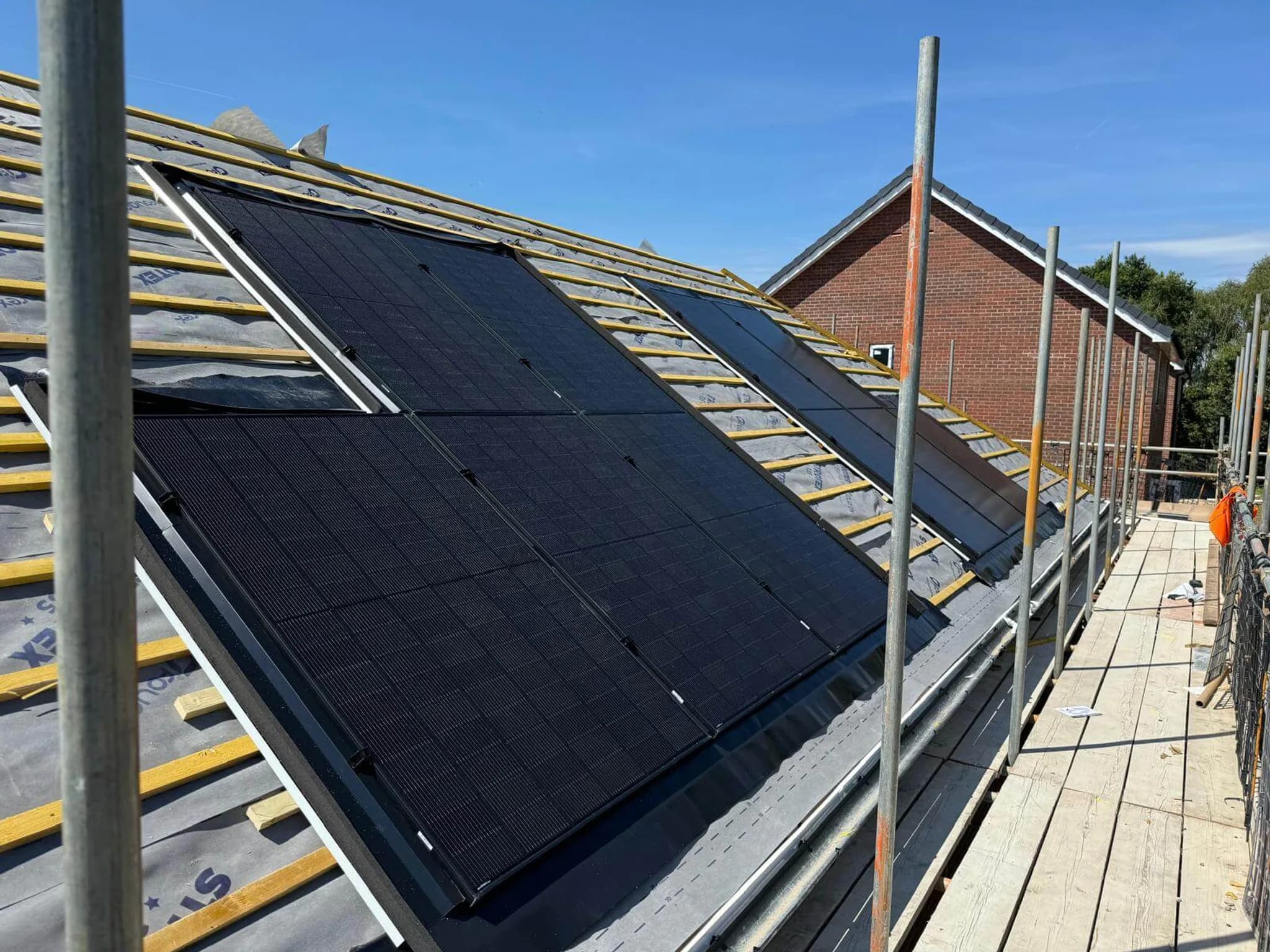
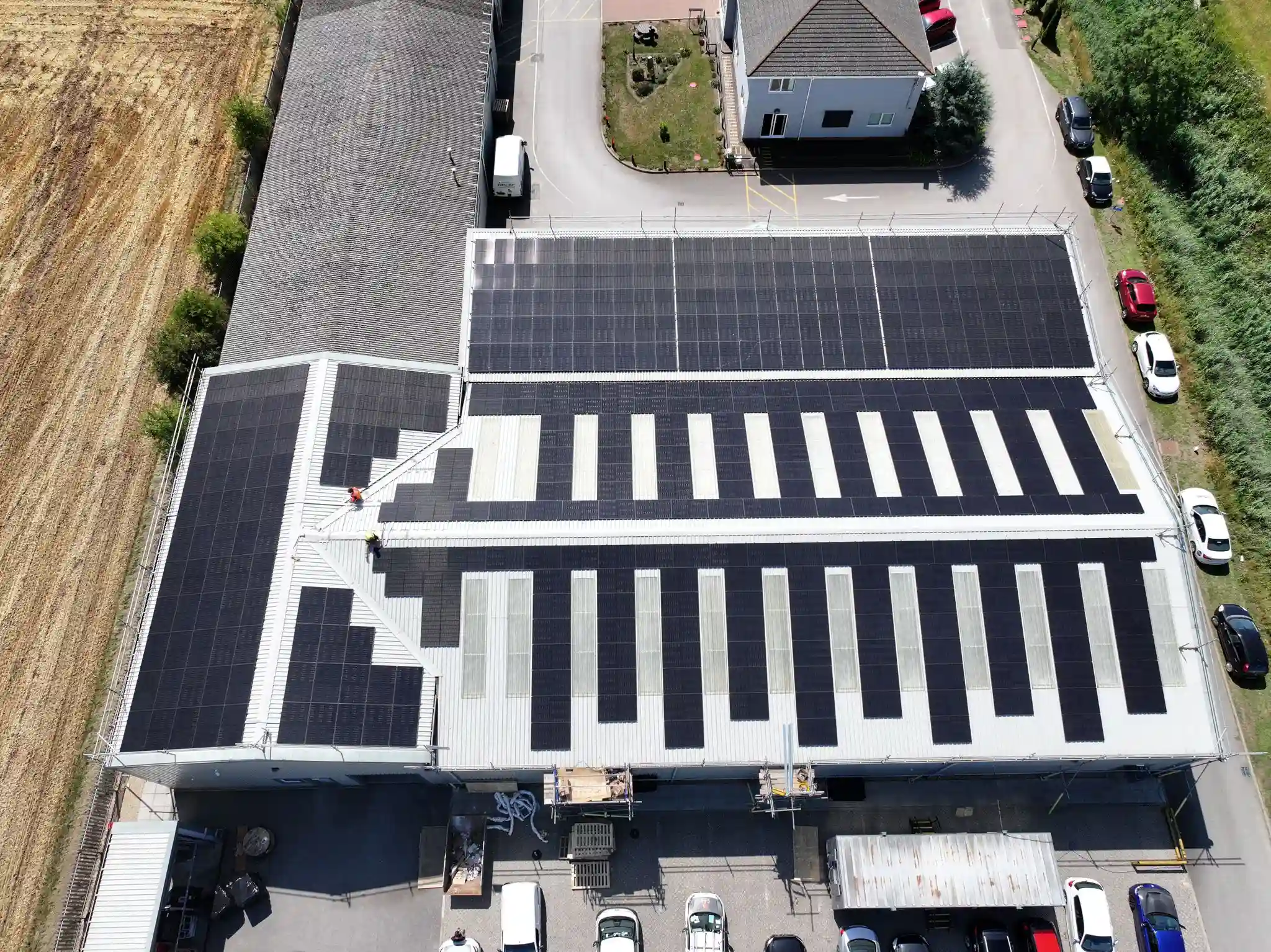
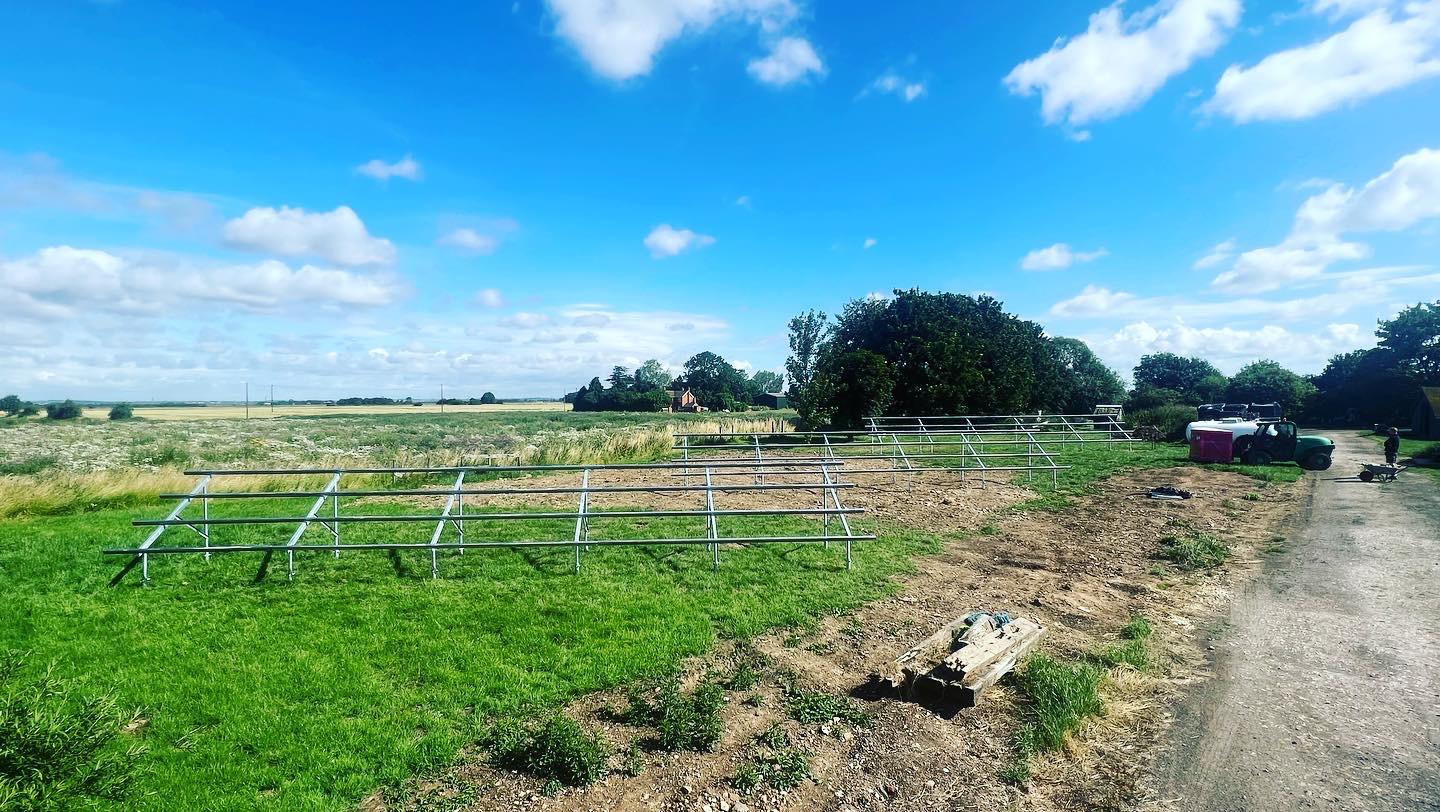
If you have solar panels, or are thinking about them, a charger that can follow your generation is worth having, so the car fills from the roof on a bright afternoon instead of the grid.
Working in Skegness.
Our team at CES Lincs frequently works in Skegness, fitting chargers on driveways, at holiday lets and at businesses across the town. For an EV charger in Skegness, ask for a free quote and we will check the supply, the earthing and the position before anything is ordered.
Looking for somewhere else? See every area we cover.