Solar panel installers in Skegness
We are solar panel installers based in Skegness and certified under MCS. Panels on this coast have to cope with salt air, the inverter and battery have to sit sensibly in a town on the flood map, and a lot of the roofs are bungalows, so those are the things a Skegness survey settles before anything is ordered.
Panels chosen for salt air
Salt in the air corrodes metal, and a solar panel has more metal in it than people expect, from the frame to the junction box and the connectors behind it. The test for this is IEC 61701, the salt mist corrosion standard for solar panels, which grades a module by the conditions it has been tested for. We check that a panel has been tested for use near the sea before it goes on a Skegness roof.
The warranty matters as much as the test. Some manufacturers set conditions for installations close to the sea, so we read the warranty terms before a panel is chosen, not after a claim. A panel that is fine twenty miles inland is not automatically covered on a seafront street.
Where the inverter and battery go in a flood zone
Almost all of Skegness is in Flood Zone 3 on the Environment Agency's map, behind the sea defences. The government's flood guidance suggests keeping electrical equipment at least 1.5 metres up, and an inverter, a battery and their isolators are exactly the kit you would least want under water.
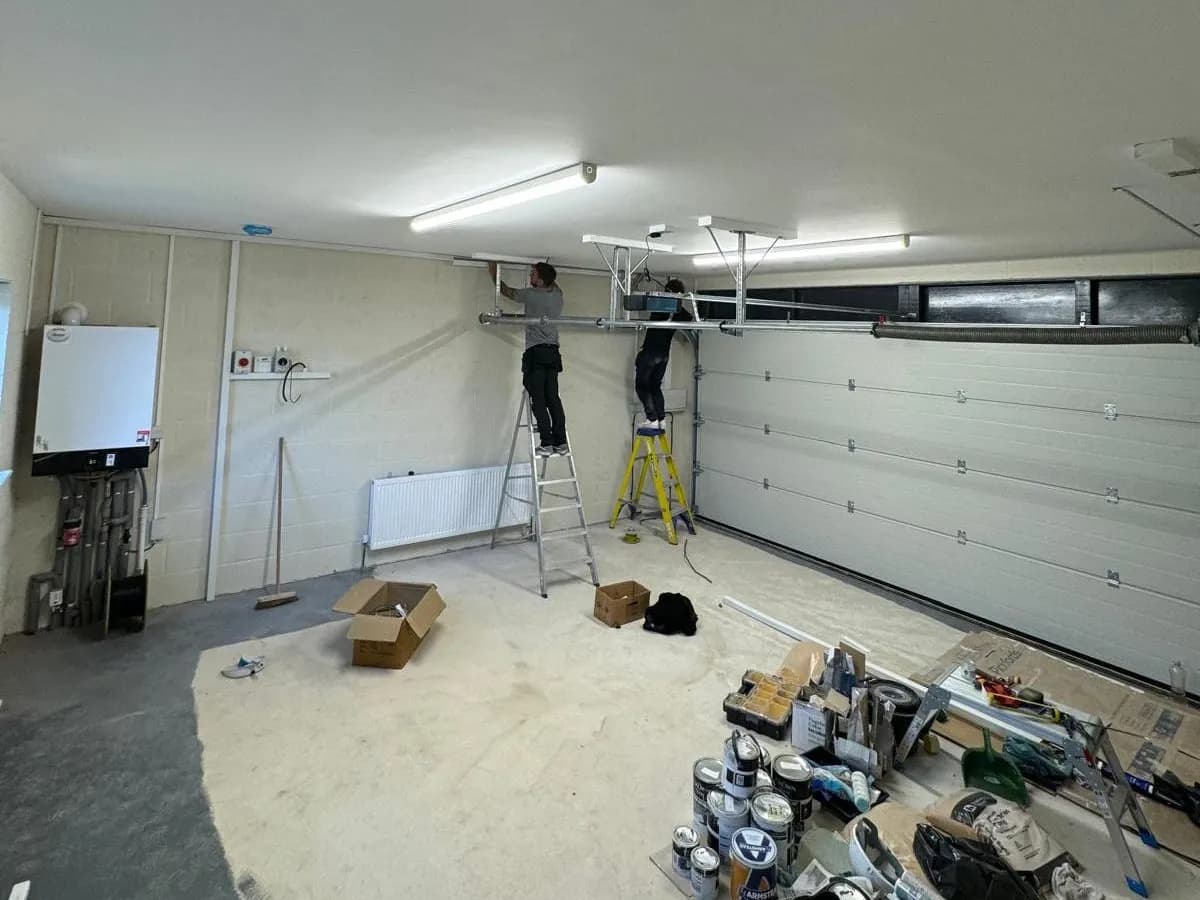
Height is not the only rule. PAS 63100, the 2024 British Standards code for fire safety of home batteries, keeps batteries out of lofts, roof spaces and voids, and away from the rooms people live in and the route out of the house. In a bungalow with no upstairs, that usually means a garage wall with the battery raised clear of the floor, or a weatherproof battery on a raised mount outside. We work the position out at the survey, because it changes the cable runs and sometimes the choice of battery.
Bungalow roofs and how many panels fit
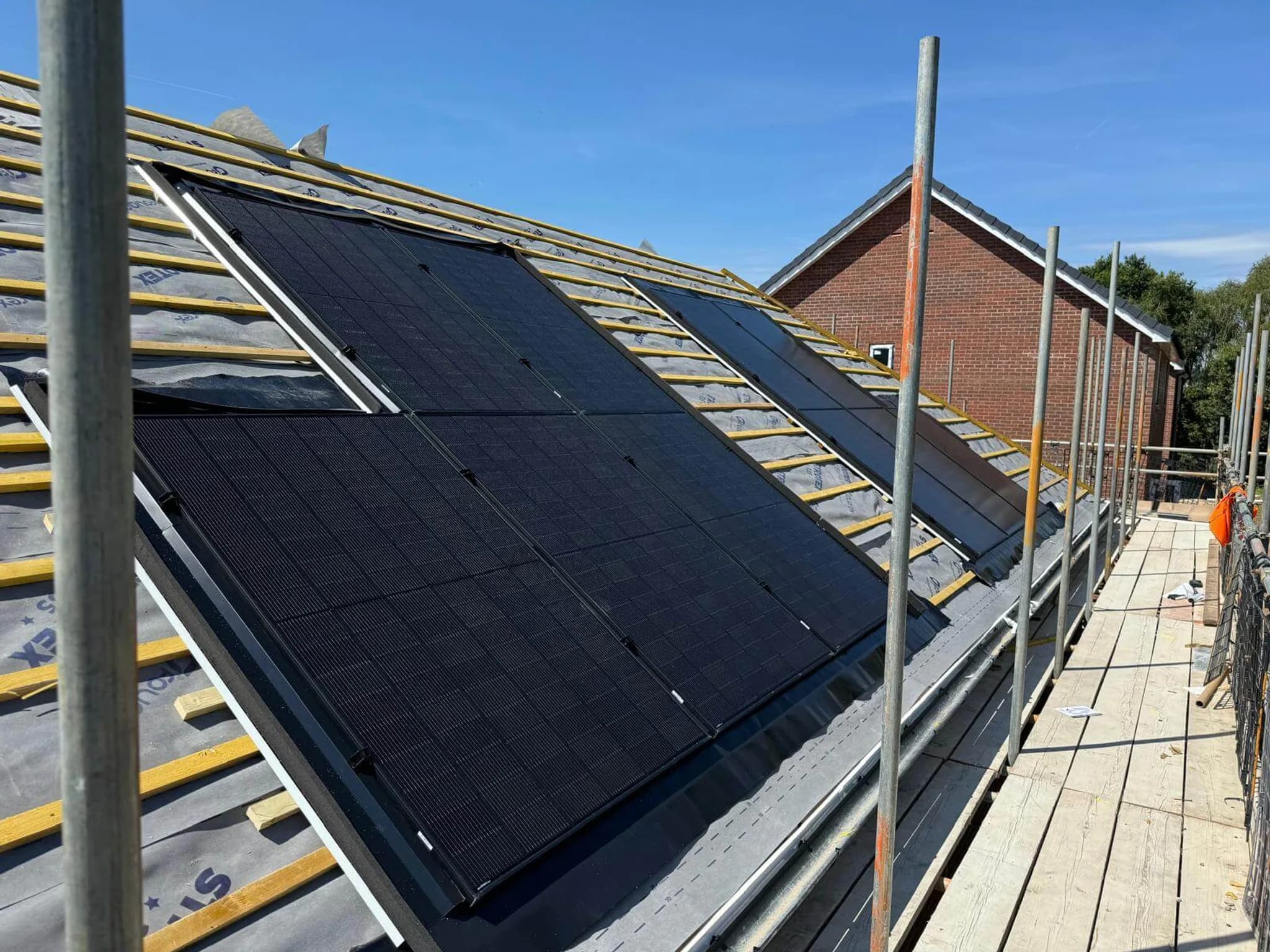
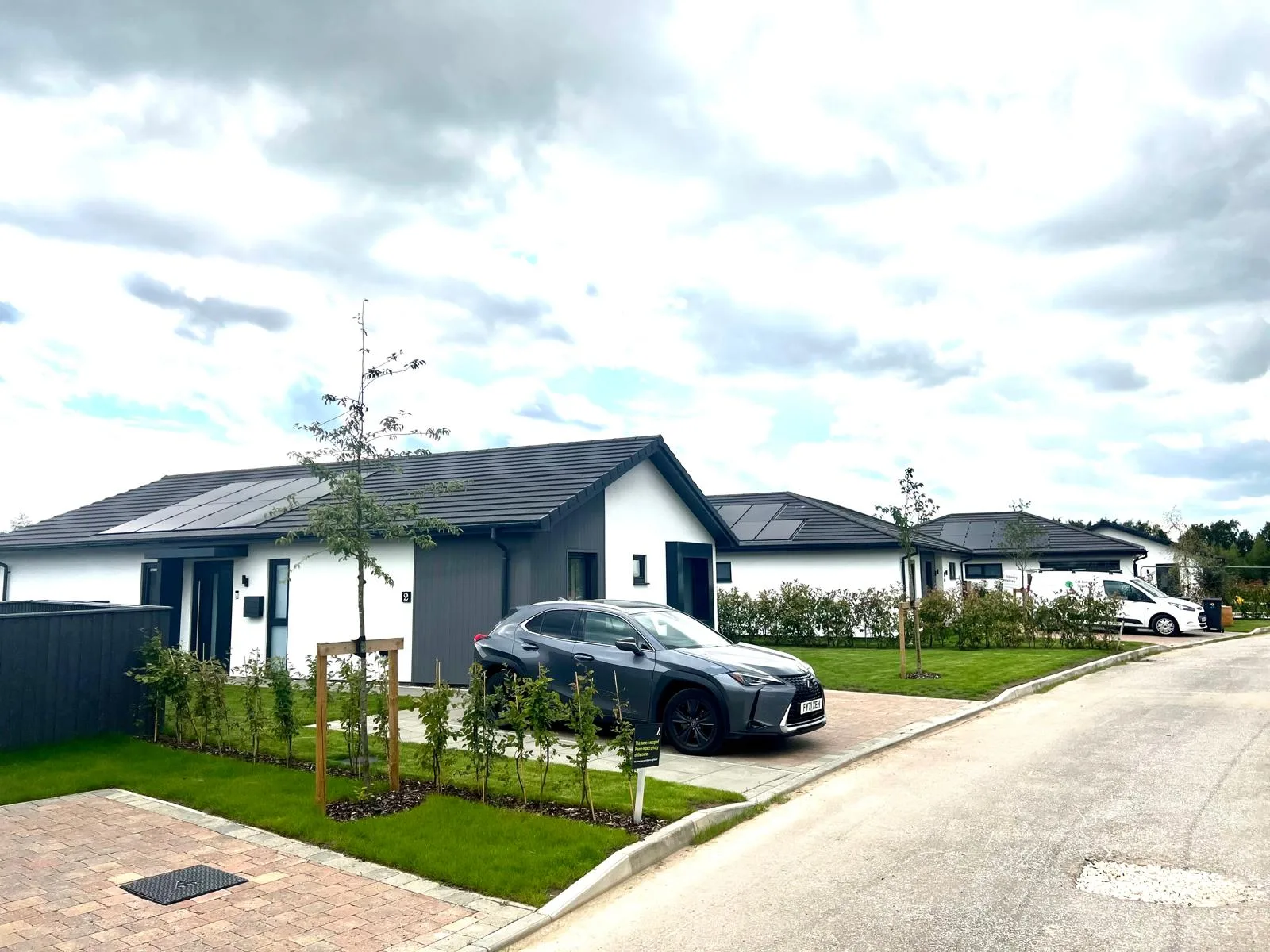
Skegness has a great many bungalows, and a hipped bungalow roof has less usable rectangle on it than its floor area suggests. The panels also have to stay back from the edges, where the wind lifts hardest on this coast, so the honest number of panels is often lower than a quick estimate from a satellite picture.
Most homes need no planning permission. Panels on a pitched roof are permitted development so long as they sit no higher than the highest part of the roof and stand no more than 200mm off the slope, and the rules for homes changed on 27 August 2026, with a year in which either version can be followed. A flat roof in a conservation area needs the council's prior approval, and a listed building needs consent, so we check with East Lindsey District Council where either applies.
Guest houses and holiday lets
A guest house or holiday let runs its heaviest loads through the summer, washing, cooking and hot water while the sun is up, which is when the panels produce most. That makes solar a better fit for a seasonal business here than for most homes.
Exported power earns a Smart Export Guarantee payment for a business as well as a household, provided the system is MCS certified and there is a meter that records exports. For a property that sits empty through the winter, it is worth knowing that the system keeps generating and exporting while nobody is there.
Working in Skegness.
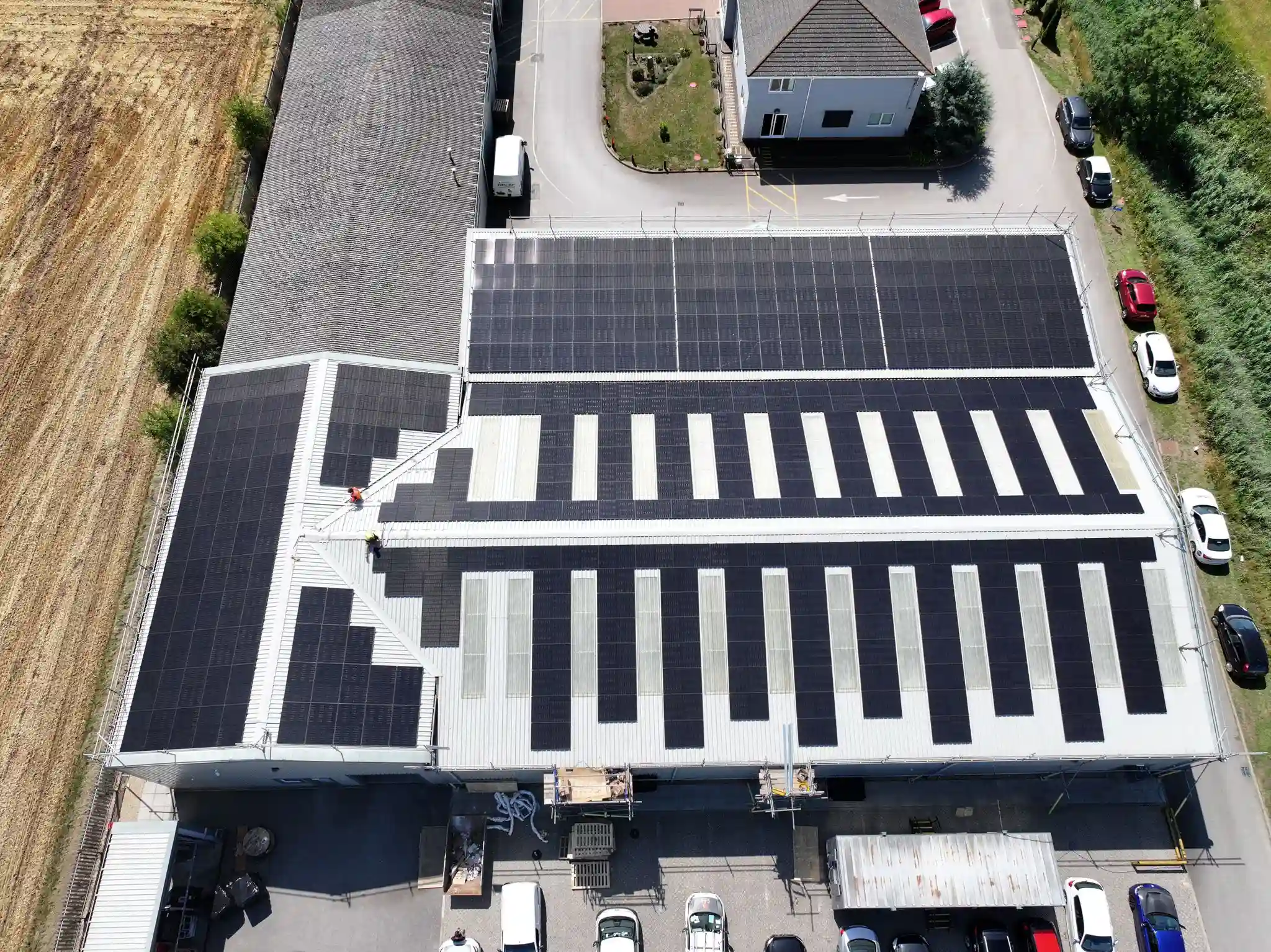
Our team at CES Lincs frequently works in Skegness, fitting solar panels on bungalows, family homes, guest houses and businesses across the town. For solar panels in Skegness, ask for a free quote and we will survey the roof and give you honest figures before you decide.
Looking for somewhere else? See every area we cover.