
Fixed wire testing is the inspection and testing of a building's permanent electrical installation, meaning the distribution boards, the circuits, the sockets, the fixed lighting and anything wired in rather than plugged in. It ends in an electrical installation condition report, the same EICR a landlord gets for a house, scaled up for a commercial building. For a Lincolnshire business the law does not set a fixed number of years between tests, but it does require the installation to be maintained so that it is safe, and a current EICR is the usual way to show that it is.
How often your building needs testing depends on what it is and how it is used. The IET's guidance puts pubs, restaurants and hotels at a maximum of five years between inspections, leisure complexes at three, and caravan parks and swimming pools at one. An insurer, a lease or a licence condition can set a shorter interval, and the inspector recommends the date of the next test on every report.
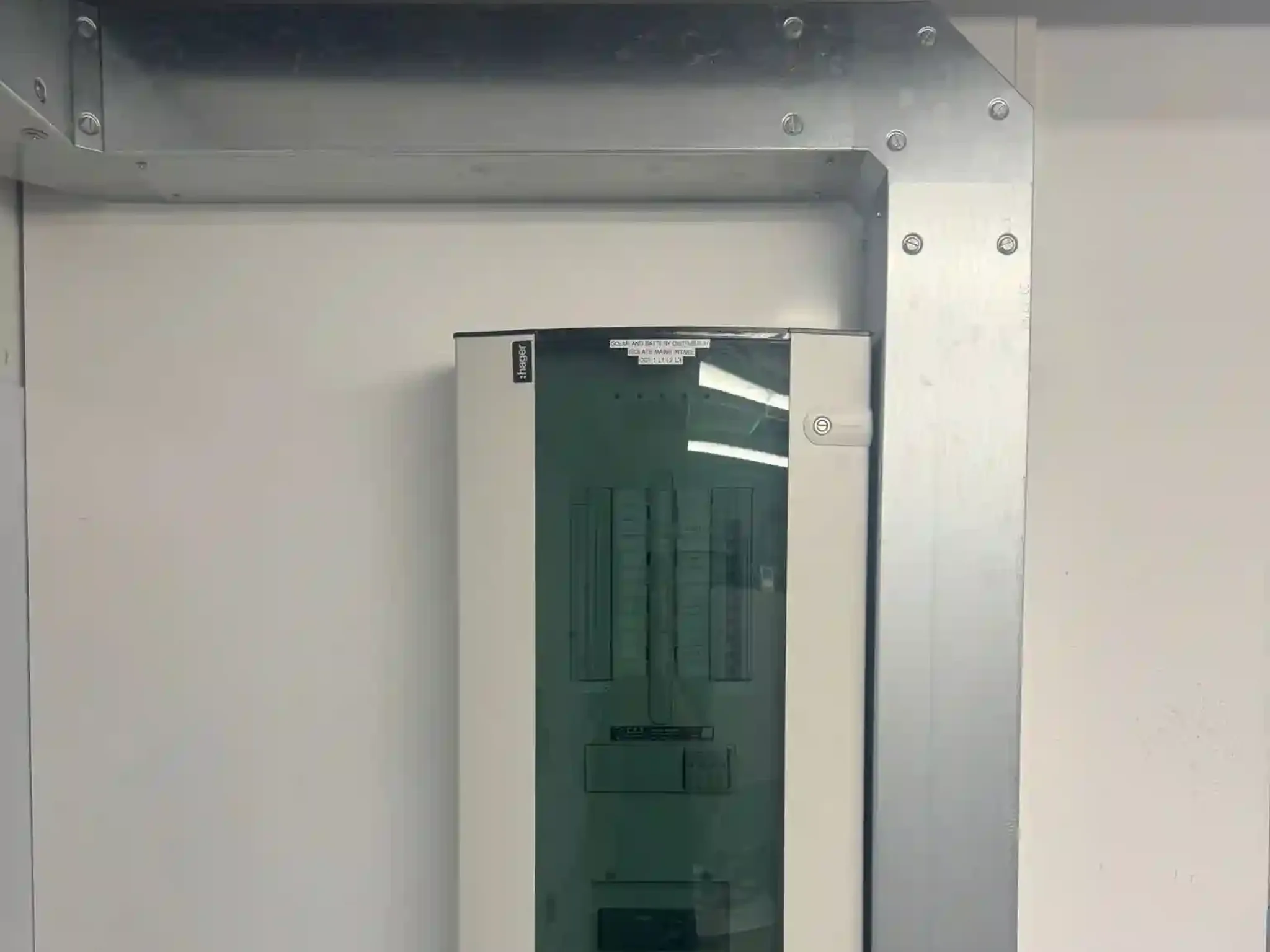
What fixed wire testing covers
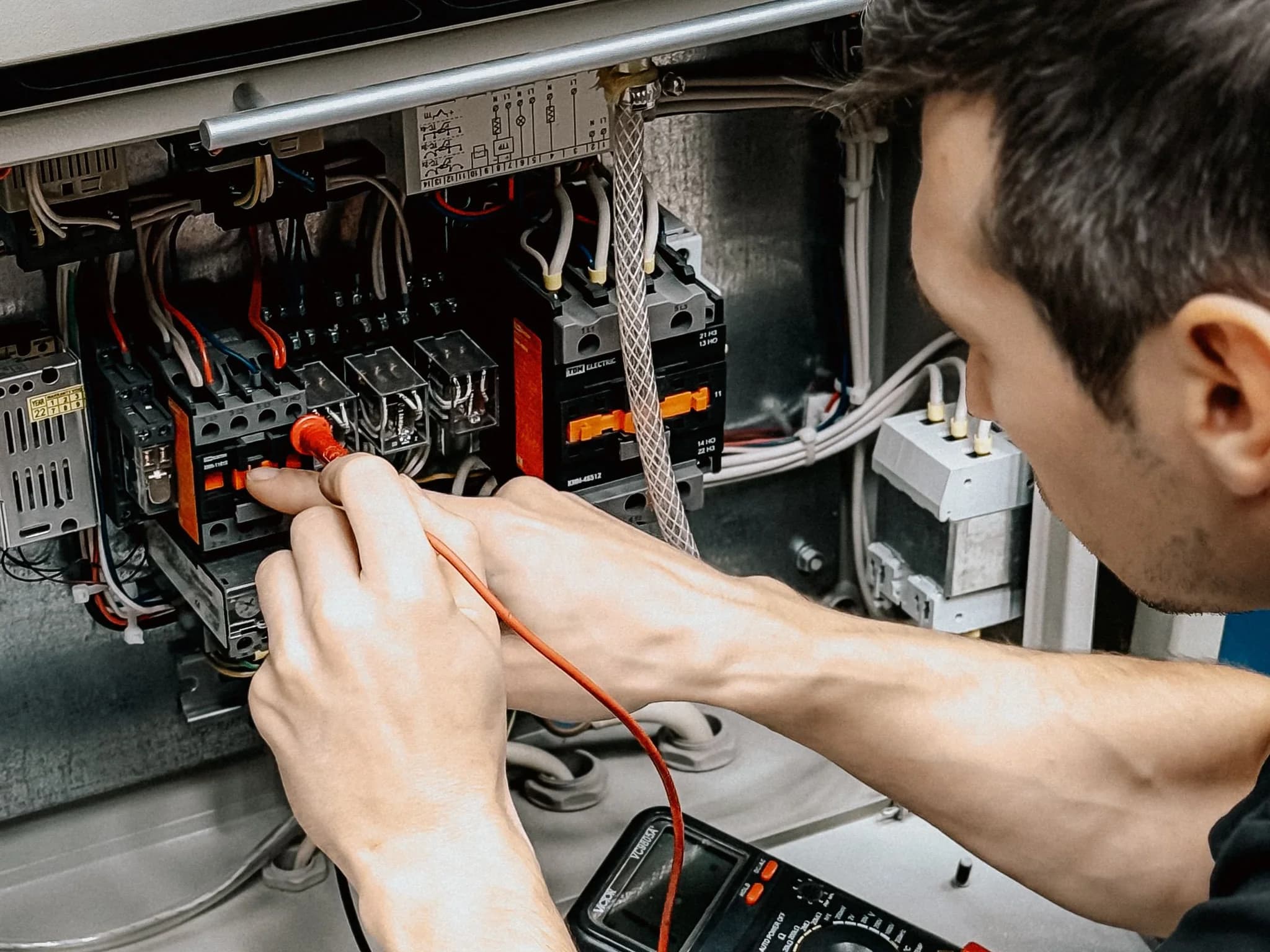
The inspection starts with what can be seen. The boards are opened, a sample of accessories is taken off, cable routes and containment are checked, and anything damaged, overheating or not to the regulations is recorded. Then each circuit is tested, for continuity of the protective conductors, insulation resistance, polarity, earth fault loop impedance and the operation of every RCD.
It does not cover the equipment people plug in. That is portable appliance testing, a separate job answering a different duty, and the two are often confused when an insurer or a landlord asks for "electrical testing". Fire alarms and emergency lighting have their own maintenance and test routines as well, although the circuits that supply them are part of the fixed installation.
Is fixed wire testing a legal requirement?
Not in the sense of a date in the law. The duty comes from regulation 4 of the Electricity at Work Regulations 1989, which says that, as may be necessary to prevent danger, all systems shall be maintained so as to prevent, so far as is reasonably practicable, such danger. It places that duty on employers and the self-employed.
The law leaves the frequency to the duty holder. HSE's guidance says installations should be tested often enough that there is little chance of deterioration leading to danger, and that any part which has become obviously defective between tests should be switched off until it is fixed. In practice, if something goes wrong and HSE, an insurer or a court asks how you met that duty, a recent EICR with its remedial work signed off is the evidence that answers the question.
How often your premises need testing
The IET publishes recommended maximum intervals in its guidance on inspection and testing, and a summary in its Wiring Matters magazine gives these for premises open to the public.
- Caravan parks, swimming pools, launderettes and petrol filling stations, one year.
- Cinemas, one to three years.
- Leisure complexes other than swimming pools, places of public entertainment and theatres, three years.
- Pubs, restaurants and hotels, five years.
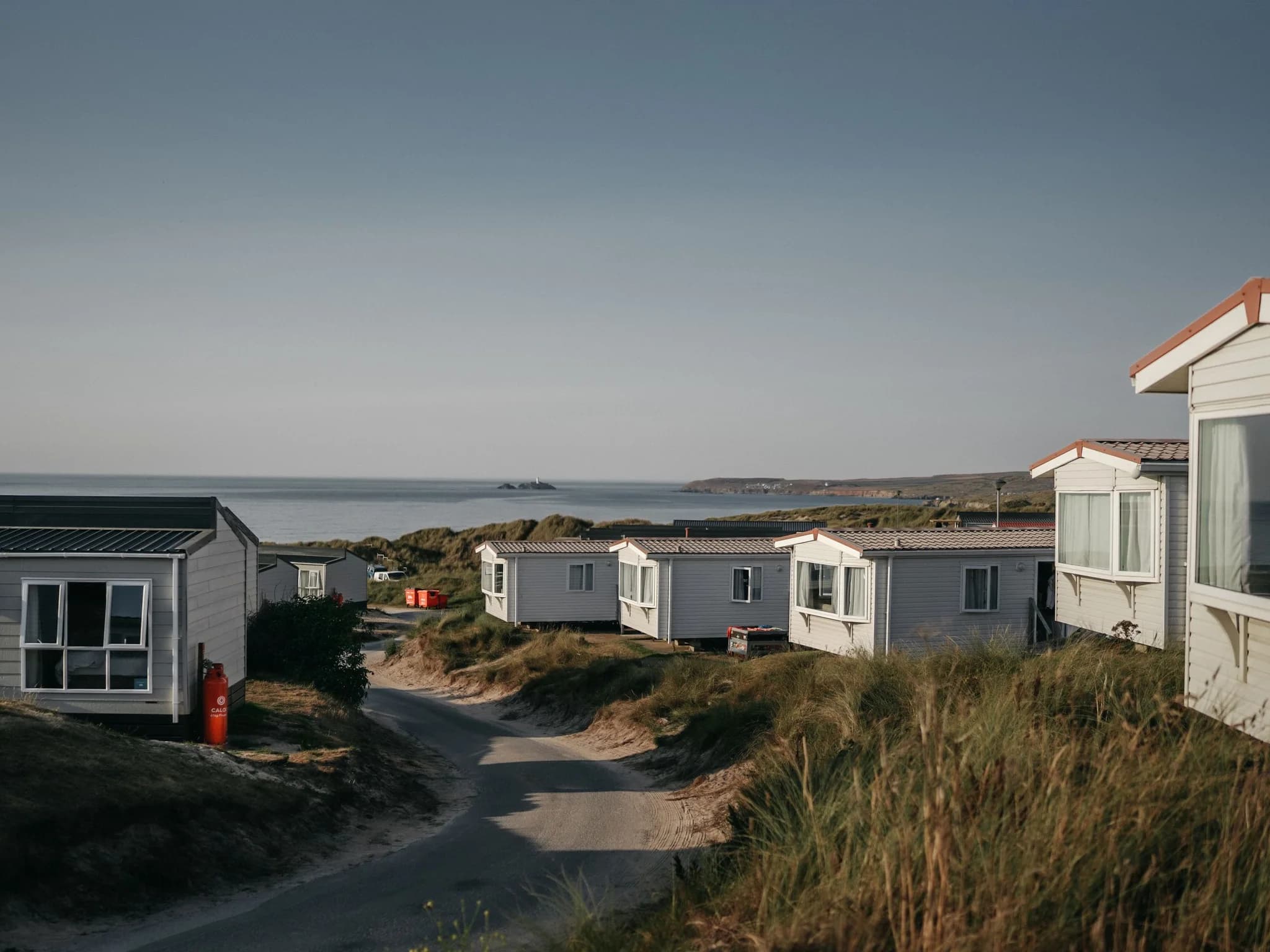
Those are maximums, not targets. The inspector sets the recommended date for the next test on each report from what they find and how the building is used, so a hard worked installation, a damp or dusty environment, or a history of problems can bring that date forward. A caravan park is a good example of a site where the outdoor parts come round every year, with every pitch supply point among the checks holiday parks make before the season opens.
Three other things can set the interval for you. Premises open to the public can have licence conditions that fix a maximum interval. An insurer can make a current report a condition of cover. And a lease may put the duty on either the landlord or the tenant, which is worth reading before anyone books anything, because paying for a test the other party was obliged to arrange is money wasted.
Testing without stopping the business
The question most businesses ask is how much disruption it causes. Testing means isolating circuits, one at a time, and on a working site some of those circuits feed things that cannot simply go off.
The way round it is planning. Before the inspection we agree which circuits feed tills, servers, refrigeration, alarms, lifts and anything medical or safety critical, and work out whether those are tested out of hours, at a quiet point in the day, or with a temporary supply. A kitchen or bar can be done before service, an office after hours and a factory in a planned shutdown. A good inspector will also agree the extent and limitations of the inspection with you in advance, such as the percentage of accessories sampled or areas that cannot be accessed, and record them on the report so there is no argument later about what was covered.
We are used to working around people who need the building. At Grantham College we rewired the lighting and fitted LED panels in a live college, coordinating every isolation with the site management, and on the Linkage training centre we tested and certified every circuit and life safety system before handover.
Reading the results
Every observation on the report carries a code. C1 is danger present and is made safe on the spot. C2 is potentially dangerous and needs putting right. C3 is an improvement recommended, and FI means further investigation is advised. Since Amendment 4 of BS 7671 in 2026, only C1 and C2 make a report unsatisfactory, which is a change from the reports many businesses will have had before.
A report full of C3 observations can look alarming and still be satisfactory. What matters is the C1 and C2 items and the date by which they are dealt with. Remedial work is quoted separately from the inspection, and once it is done you should have written confirmation to keep with the report.
The codes, and what drives how much an EICR costs in Lincolnshire, work the same way on a house. For a commercial building the same principle applies, with the price set by the number of boards and circuits rather than the floor area.
Portable appliances, and what the law actually says
Because the two jobs are often booked together, it is worth being clear about portable appliances. HSE says the law does not make testing them a legal requirement, and does not require it to be done every year. It does require equipment to be maintained so that it is safe, and how often it is checked should follow from the type of equipment and how it is used. A kettle in an office and a power tool on a building site are not the same risk.
Solar, batteries and chargers on commercial sites
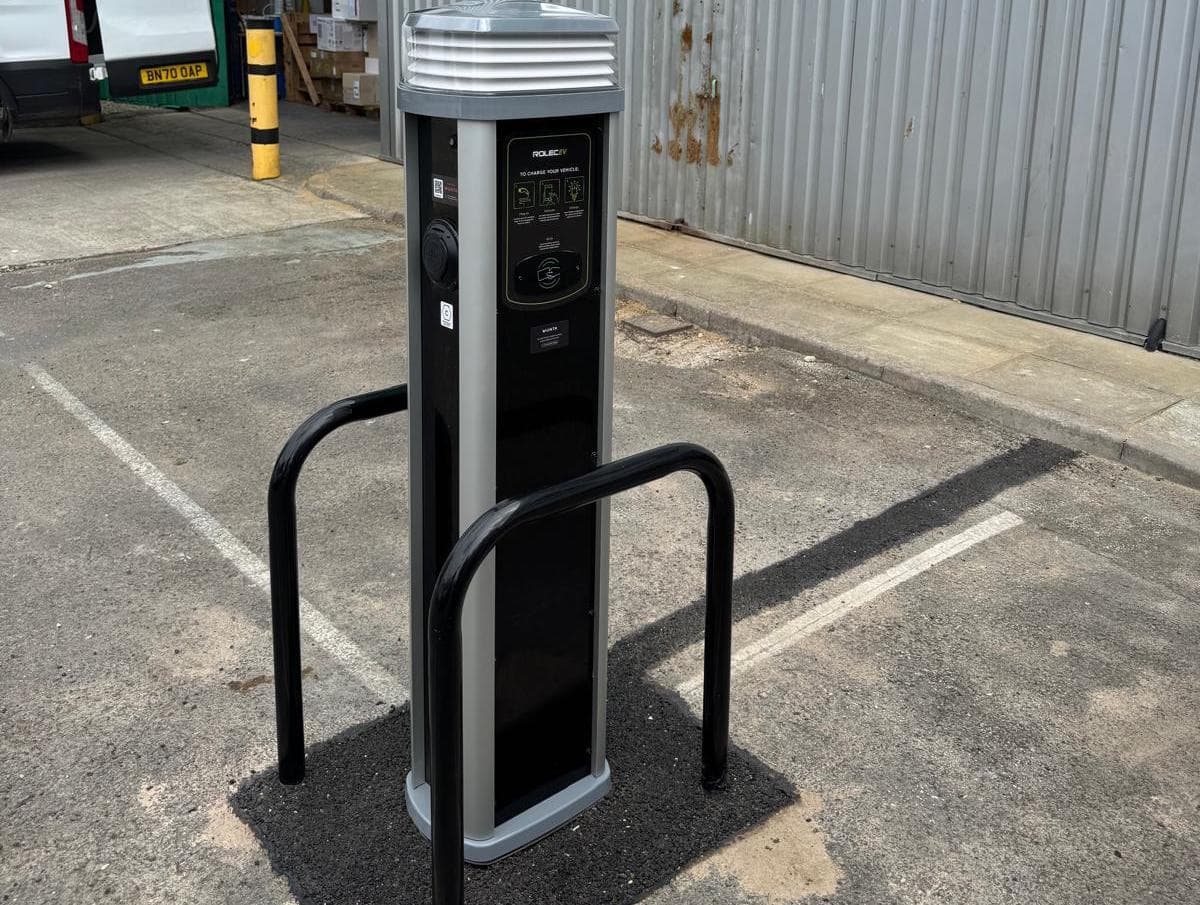
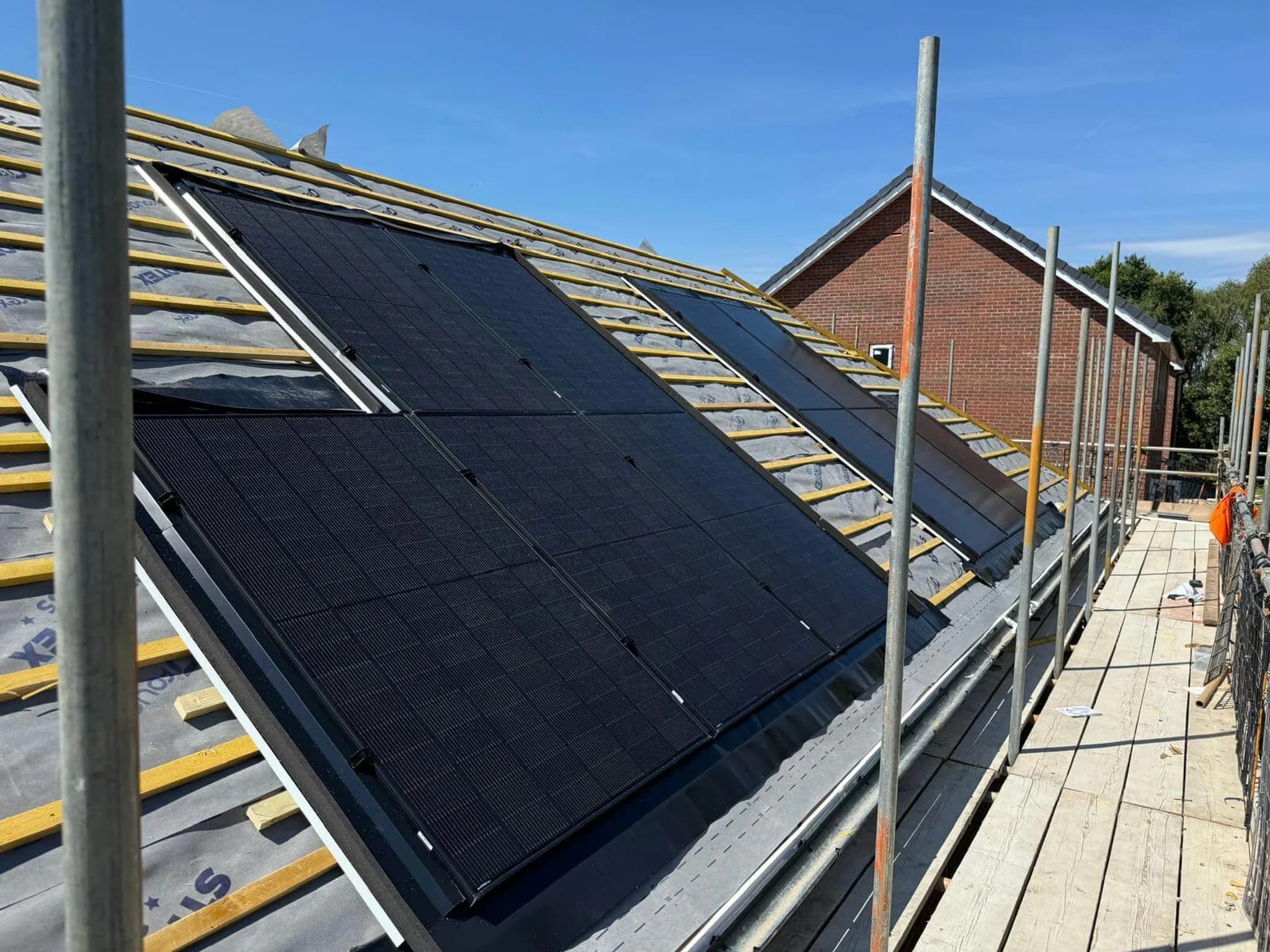
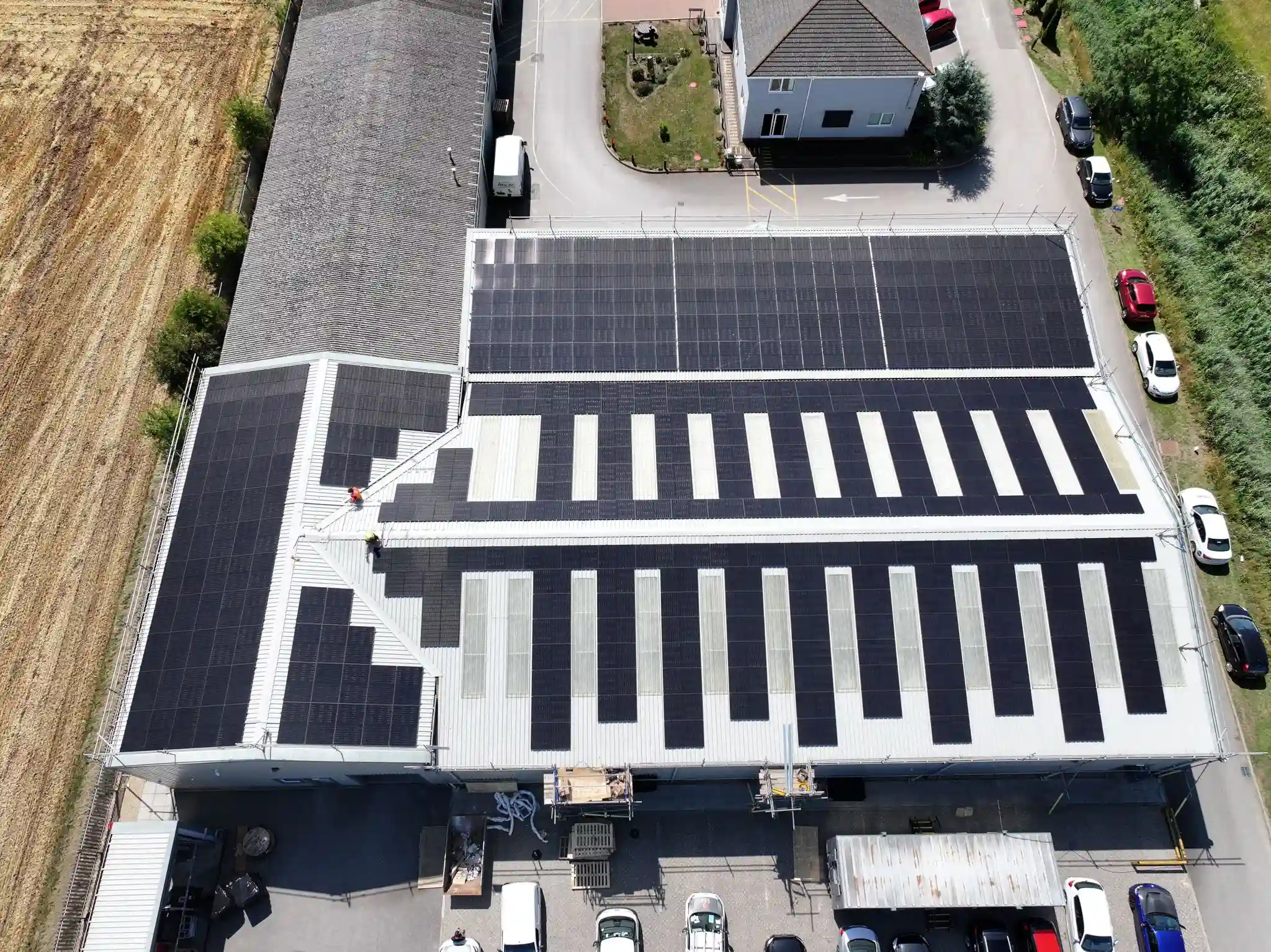
If your building has solar panels on the roof or chargers in the car park, those systems connect into the fixed installation, so their AC circuits are inspected and tested along with everything else. We design and install commercial solar and battery systems as well as testing installations, so a building with a large array on the roof does not need two contractors arguing about where one job ends and the other begins.
Fixed wire testing across Lincolnshire
We are based in Skegness and carry out fixed wire testing for commercial premises, industrial sites and holiday parks and leisure venues across the county, including Lincoln, Grantham, Boston, Sleaford and Louth. We are NICEIC approved, and every inspection ends in a report you can hand straight to an insurer, a landlord or a licensing officer.
To book EICR and electrical testing for your building, get in touch with CES, or choose business premises on our free quote form.