

A good home solar battery should last well beyond ten years. The lithium iron phosphate batteries that now dominate home storage are typically warranted for ten years, with some models covered for twelve, and they are commonly rated for 6,000 or more charge cycles. At one full cycle a day, that is more than sixteen years of use before the cells reach the end of their rated life.
A battery does not simply stop, though. It fades, slowly losing capacity, and how long solar batteries last in practice depends on how hard they are worked, where they are installed and how warm they get. The warranty is also more conditional than most people realise, and on some tariffs the small print ends it well before the ten years are up. Knowing what wears a battery out is the key to getting the most years from it.
What a battery warranty actually promises
A battery warranty is not a promise that the battery will be as good as new after ten years. It is a promise that it will still hold a stated share of its original capacity, and that share is commonly around 70 per cent.
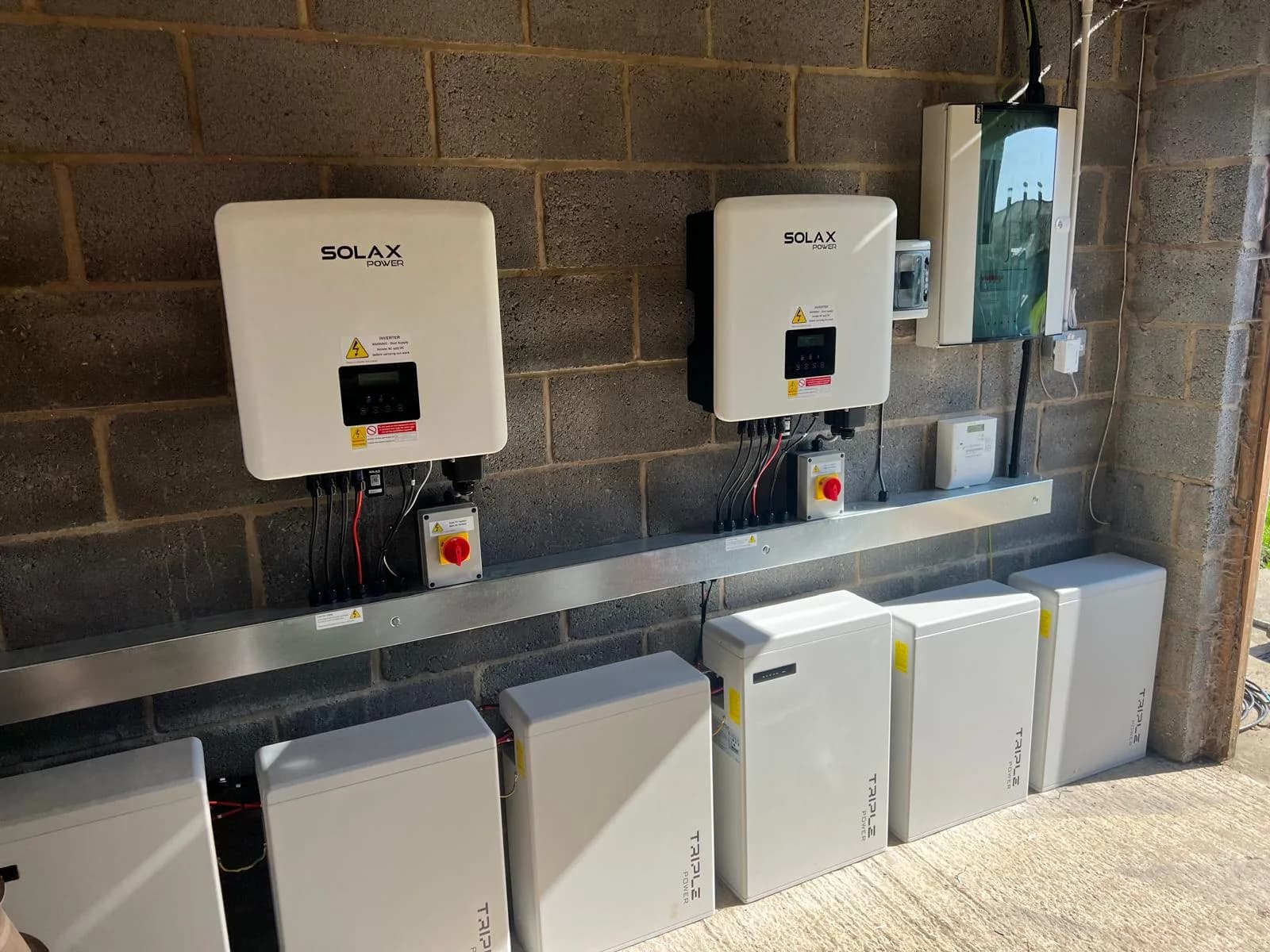
SolaX, whose batteries we fit, is a good example of how the terms work in practice. Its UK warranty guarantees that a battery keeps at least 70 per cent of its rated energy for 120 months or until a minimum amount of energy has passed through it, whichever comes first. For its 5.76kWh T-BAT H 5.8 module, that throughput figure is 17.9 megawatt hours.
Divide one by the other and the module is covered for roughly 3,100 full charge and discharge cycles. Spread over ten years, that is about 310 a year, a little under one a day. A battery averaging less than a full cycle a day reaches the ten year mark first. One that works harder uses up its throughput allowance sooner, and the warranty ends at that point, even though the battery itself may still be perfectly healthy.
Why your tariff changes the answer
This is where the way a battery is used matters more than the name on the front. Running on solar alone, a battery in a Lincolnshire home might do a full cycle on a good summer day and very little in the depths of winter, when there is not much surplus to store. That pattern sits comfortably inside a warranty like the one above.
A time of use tariff changes the picture. Charging overnight on cheap electricity and discharging through the evening peak, on top of storing solar during the day, can push a battery towards two cycles a day for much of the year. As an Octopus approved installer we set systems up to work with these tariffs, and the savings are often well worth having. It does mean the throughput allowance is spent faster, so it is worth understanding before you choose a tariff, and worth asking your installer exactly how the warranty is measured on the battery you are being quoted.
What actually wears a battery out
Three things age a lithium battery. The number of cycles it does, the temperature it lives at, and how long it sits fully charged.
Cycles are covered above. Temperature is the one people overlook. Heat speeds up the chemical ageing inside the cells, so a battery that spends its summers hot loses capacity faster than one kept cool. Cold is a different problem. Lithium cells should not be charged below freezing, so the battery management system restricts or stops charging when the cells are that cold, which means a battery in an unheated space can hold back on exactly the frosty mornings you wanted it most.
Sitting at a full charge for long periods, especially when warm, adds to ageing as well. A battery that fills by early afternoon in June and waits for the evening to discharge is nothing to worry about. One held at or near 100 per cent for weeks on end, as can happen when a backup reserve is set very high, ages faster than it needs to.
Where the battery lives matters
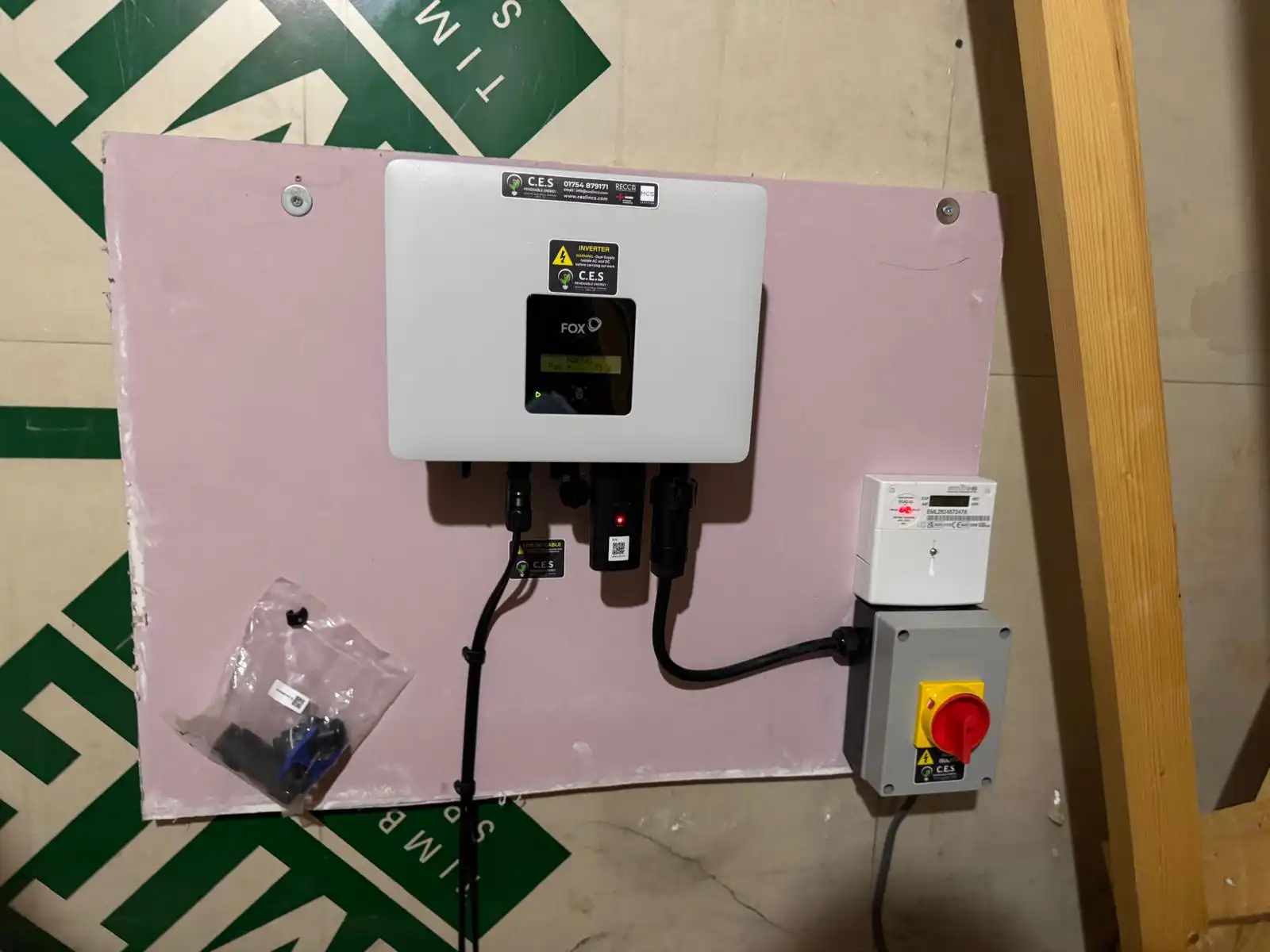
In our experience, an integral garage or a utility room works better than a loft or an unheated outbuilding for a home battery, because the cells stay within a comfortable temperature range all year, neither baking under a summer roof nor dropping below the point where charging is held back on a winter morning. It is also where the rules point. PAS 63100, the 2024 standard covering fire protection for battery storage in homes, rules out lofts, roof spaces and voids altogether, along with bedrooms and escape routes such as hallways, landings and stairs.
We site our installations with this in mind from the survey onwards, which is why the battery ends up in a garage or utility room far more often than anywhere else. Near the coast there is a second reason to keep it indoors, because salt air is hard on electronics and their connections over the years.
The inverter usually goes before the cells
In a battery system, the component most likely to fail first is not the battery. It is the inverter, the electronics working every hour of the day to move power between the panels, the battery, the house and the grid. The panels themselves typically outlast both.
SolaX's standard warranty on its hybrid inverters is five years, and it is extended free to ten years when the inverter is connected to SolaX's cloud monitoring and is uploading its data. That is a detail worth knowing, because the extension depends on the monitoring staying connected. We set our systems up for remote monitoring at handover, but a new broadband router or a changed Wi-Fi password is all it takes to knock an inverter offline, and a system that quietly stops reporting is also one where nobody notices a fault. If your monitoring app has gone blank, it is worth getting it back online.
Adding more storage later
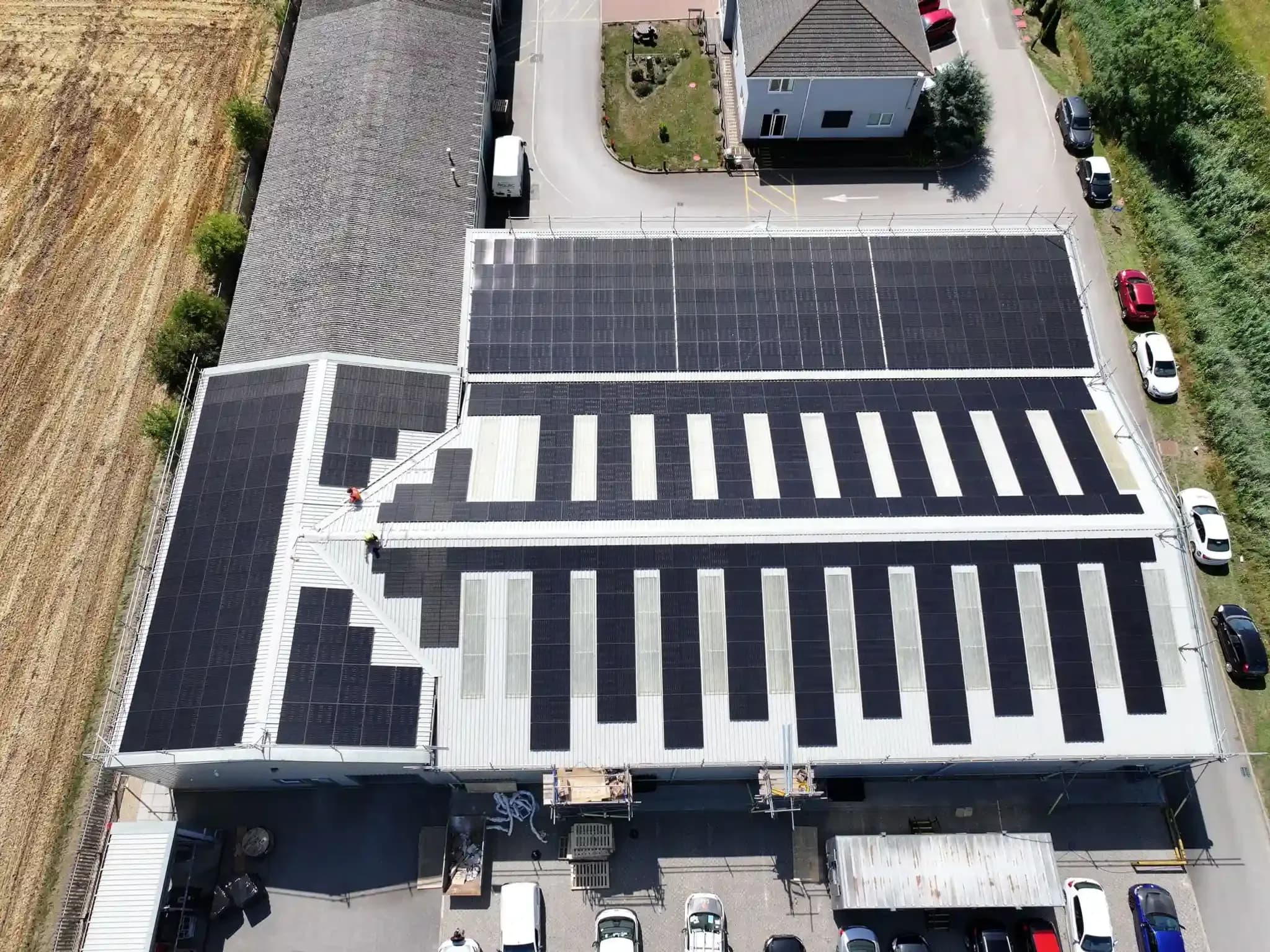
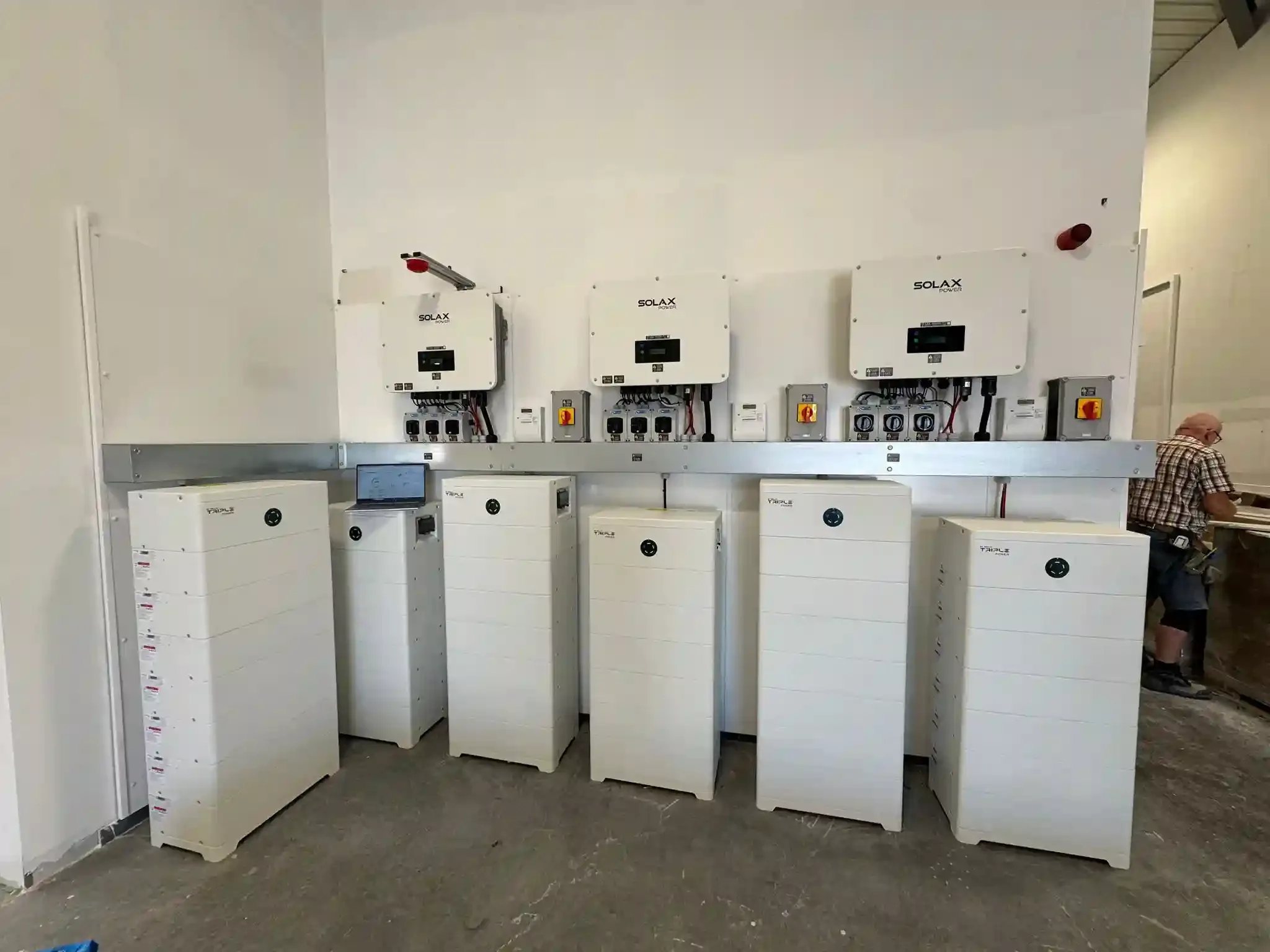
Most modular batteries can be extended by adding modules, which is how our 200kWh commercial installation was built, from 39 separate 5.2kWh modules. For a home, the practical advice is to extend sooner rather than later. SolaX recommends adding modules within a year of the original installation, and the reasoning applies to most modular systems. A new module paired with ones that have already aged will not match them exactly, and the battery management system has to work around the difference.
So if you are unsure how much storage you need, it is better to settle the size properly at the start than to plan on topping it up years down the line.
What happens at ten years and beyond
Reaching the end of the warranty does not mean the battery needs replacing. A battery at 70 or 80 per cent of its original capacity still does the same job with a smaller tank. For most households the time to replace it is when the lost capacity is costing more in grid electricity than a new battery would save, and that point can come years after the warranty ends.
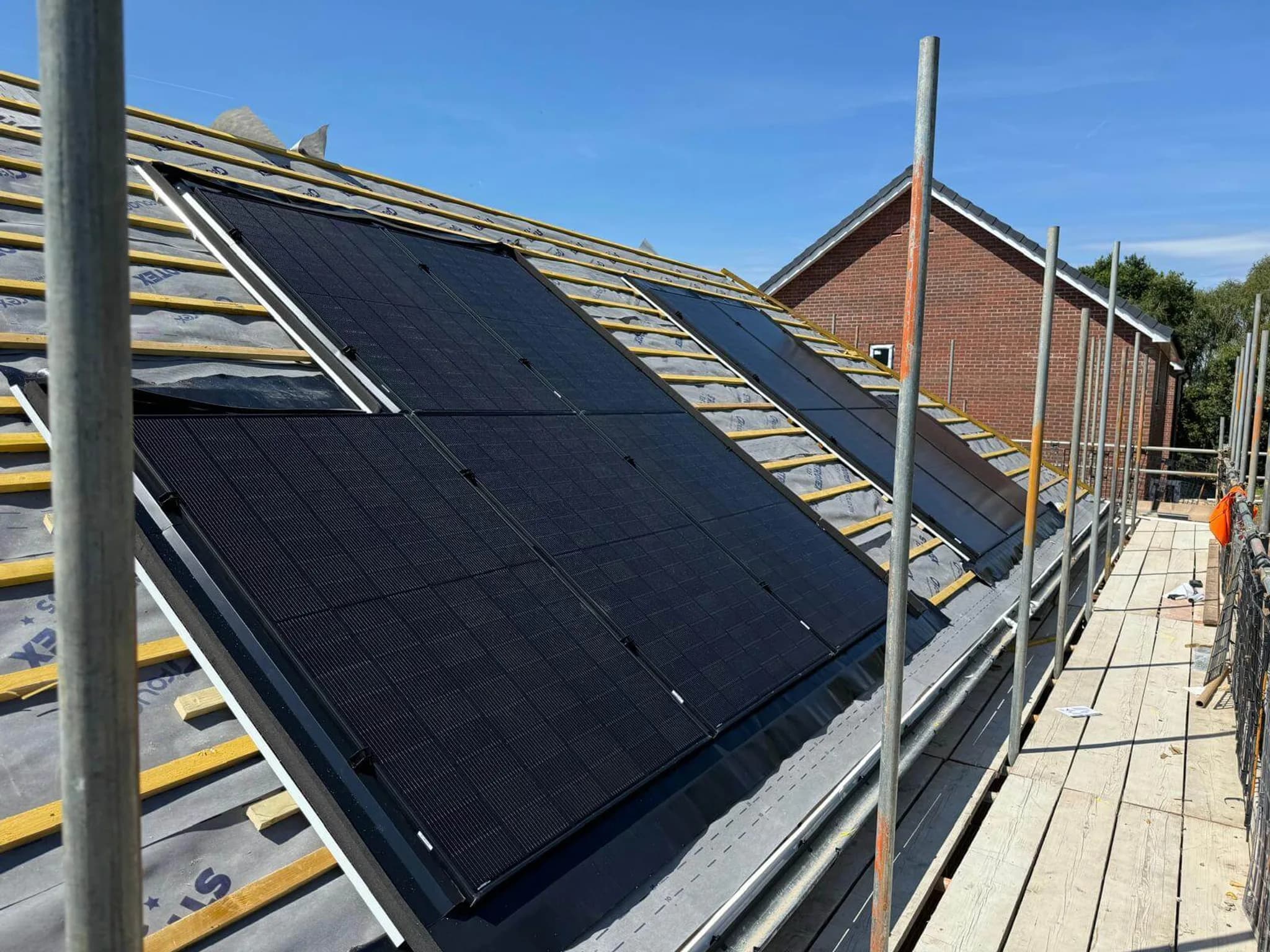
A battery can also be replaced without touching the panels, and often without replacing the inverter, provided the new battery is compatible with it.
Getting the most years from yours
Keep it somewhere that stays between cool and comfortably warm. Keep the monitoring connected. Choose a tariff with your eyes open to how many cycles it will ask of the battery. And have the system looked at if its behaviour changes, if it stops reaching a full charge or runs out noticeably earlier in the evening than it used to.
If you have a battery that is not behaving as it should, our aftercare covers systems whether we installed them or not. Get in touch and we will take a look.