Yes, in Lincolnshire you can often charge an electric car at home without a driveway, provided you can park directly outside the house on the same side of the road. Lincolnshire County Council allows a charging cable to cross the pavement while the car is charging, as long as it never crosses the road, the car is no more than about 10 metres from the house, and the cable runs under a proper cable guard. The charger itself goes on the front wall of the house, and the cable is lifted and put away every time the car is unplugged.
What you cannot yet do in Lincolnshire is have a permanent channel cut into the pavement for the cable, because there is no council scheme to apply to at the time of writing. If parking outside the house is not reliable, the other routes are creating off-street parking with a dropped kerb, or charging at work or at a public charger.
What Lincolnshire County Council allows on the pavement
The council's electric vehicle guidance sets out the conditions for charging from a house across the footway.
- Park directly outside the property, on the same side of the road, as close to the house as you can. The recommended maximum distance is 10 metres, about two car lengths.
- The cable must not cross the carriageway. Charging across the road is not allowed.
- The cable may only lie across the footway while the car is charging, and must be taken away when it is not.
- Use a cable guard from your boundary to the car, covering the part people walk across. It must be non-slip, rigid enough for outdoor use, have sloped sides so nobody trips on it, and carry contrasting markings in yellow or a similarly visible colour.
- Run the cable along the kerb edge rather than diagonally, never from an upstairs window, and never hung from a lamp post or sign.
- Any extension lead must be rated for outdoor use.
Used this way, a charging cable does not need a licence from the council, because it does not cross the road.
Why it pays to do it properly
The council's guidance is clear that the person charging is responsible for not putting anyone else at risk. Behind that sits section 162 of the Highways Act 1980, which makes it an offence to place a wire or other apparatus across a highway in a way likely to cause danger, unless adequate warning has been given. Where the council decides a cable on a particular footway is not suitable, it can use that power to have it removed.
In practice that means the cable guard is not optional, and some streets will not suit it at all. A narrow pavement, a busy route to a school or a spot where people with prams and wheelchairs pass all the time are places to think hard before running a cable across. The safest arrangement is a charger close to the front door, a short cable, and the car parked as near to it as the kerb allows.
Pavement channels, and why they are not here yet
A cross-pavement channel, sometimes called a gully, is a narrow slot set into the footway that the cable drops into while the car charges, so there is nothing to trip over. The government's guidance on cross-pavement solutions explains that they need the highway authority's permission, and that anyone other than the council needs a licence under section 50 of the New Roads and Street Works Act to install one. A household with that permission can claim the government chargepoint grant, which pays 75 per cent of the cost up to £500.
The government has allocated £431,000 to Greater Lincolnshire for pavement channels. But in a December 2025 response, Lincolnshire County Council said it had no timescale yet for a trial, and at the time of writing it had not published a scheme residents can apply to. So for now, a channel is something to ask the council about rather than something you can order. If one does become available on your street, it changes the picture, because it removes the trip hazard altogether.
The charger on the front of the house
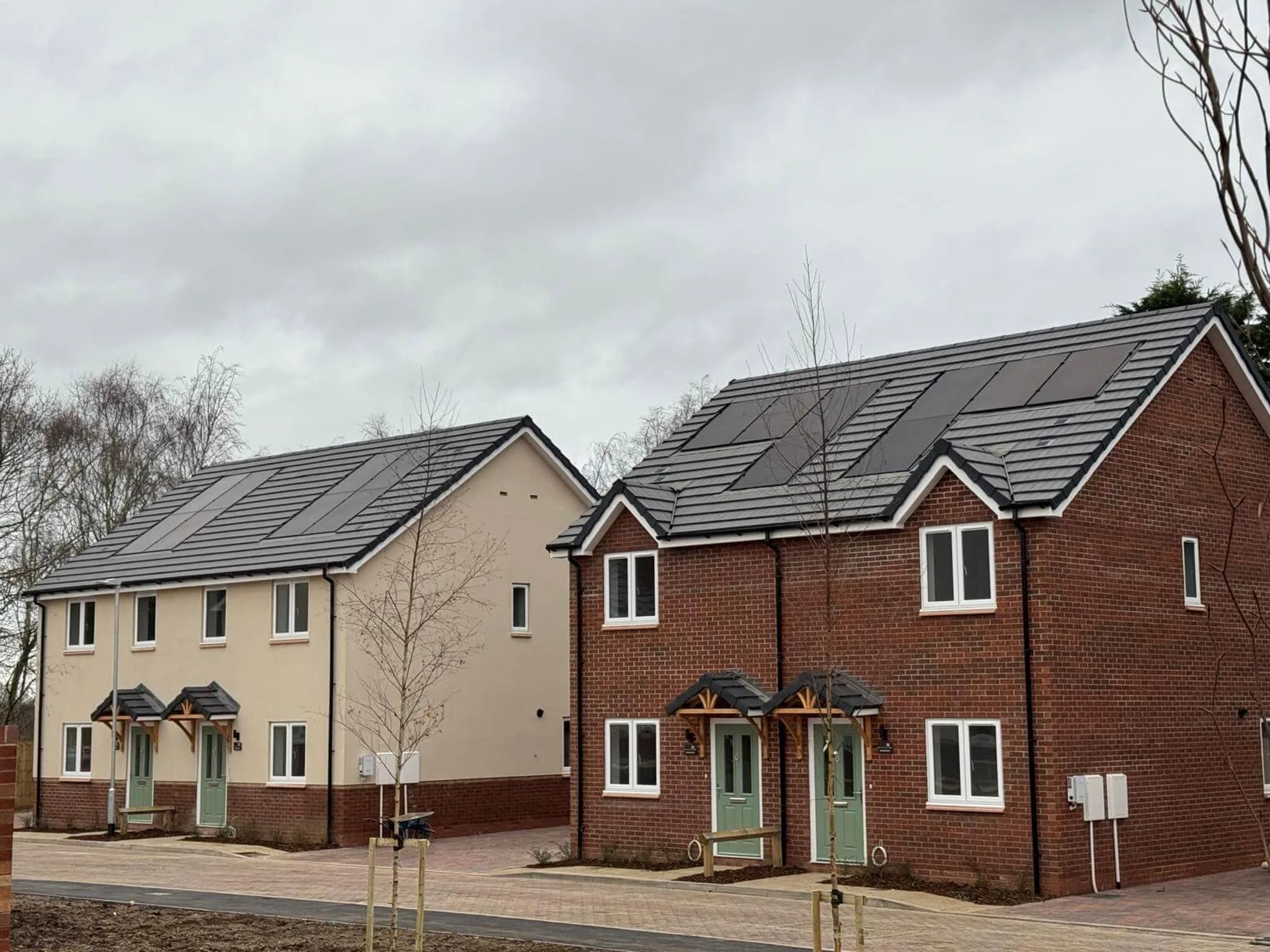
A charger for on-street parking is fitted to the front wall, as close to where you park as possible, so the cable run across the pavement is short. Most wall chargers are permitted development and need no planning application, but there are limits on size and on how far a charger fixed to a wall beside a road can stick out, and a listed building or conservation area needs checking first. Those limits are the same for an EV charger installation in Skegness as for one in Louth or Lincoln.
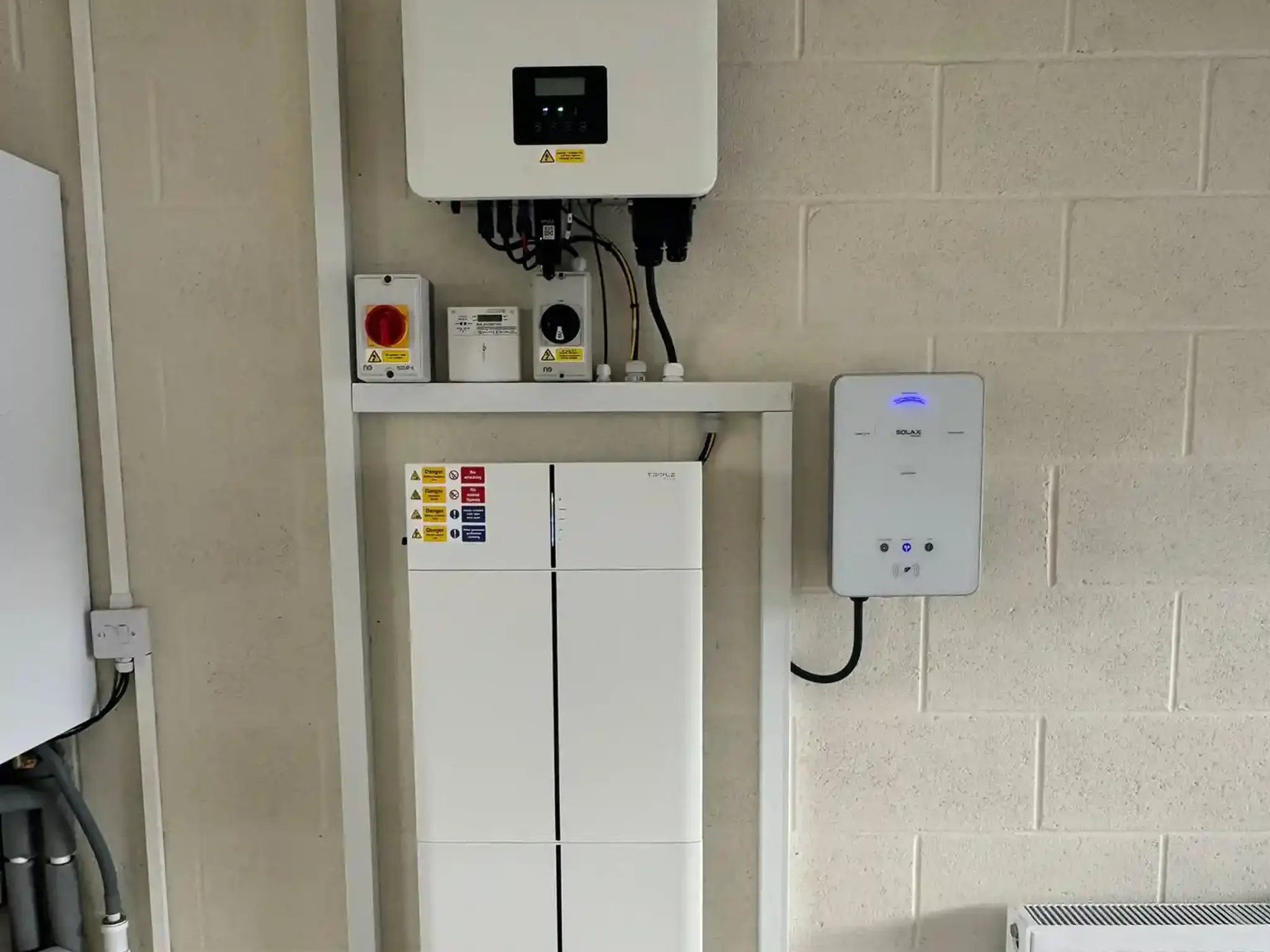
The electrical side is the same as any home charger. It needs its own circuit, a supply with enough headroom, and the right protection for charging outdoors on the earthing system most homes have. Every home charger also has to be a smart charger, set by default to charge outside peak hours. The cost of installing a home charger is much the same with or without a drive. The difference is the cable guard, and a charger with a cable long enough to reach the car without stretching across the footway.
Turning a front garden into parking
For a lot of homes the better long term answer is a parking space of your own. That needs two things. The first is a dropped kerb, so you can drive across the pavement legally, which in this county means applying to Lincolnshire County Council. Its guidance on vehicle crossings says householders have no automatic right to one, that each is judged against highway standards and local conditions, and that a similar crossing nearby does not mean yours will be approved. Planning permission may be needed as well if the crossing opens onto an A, B or C road or the house is listed. The second is the surface. The Planning Portal says a new driveway of any size needs no planning permission if it uses permeable surfacing, but covering more than five square metres with a surface water cannot drain through does.
Once the car is off the street, you have the same options as anyone with a drive. If you own a flat or rent your home and the space is your own private, off-street space, you may also qualify for the chargepoint grant for renters and flat owners.
Charging at work or in public
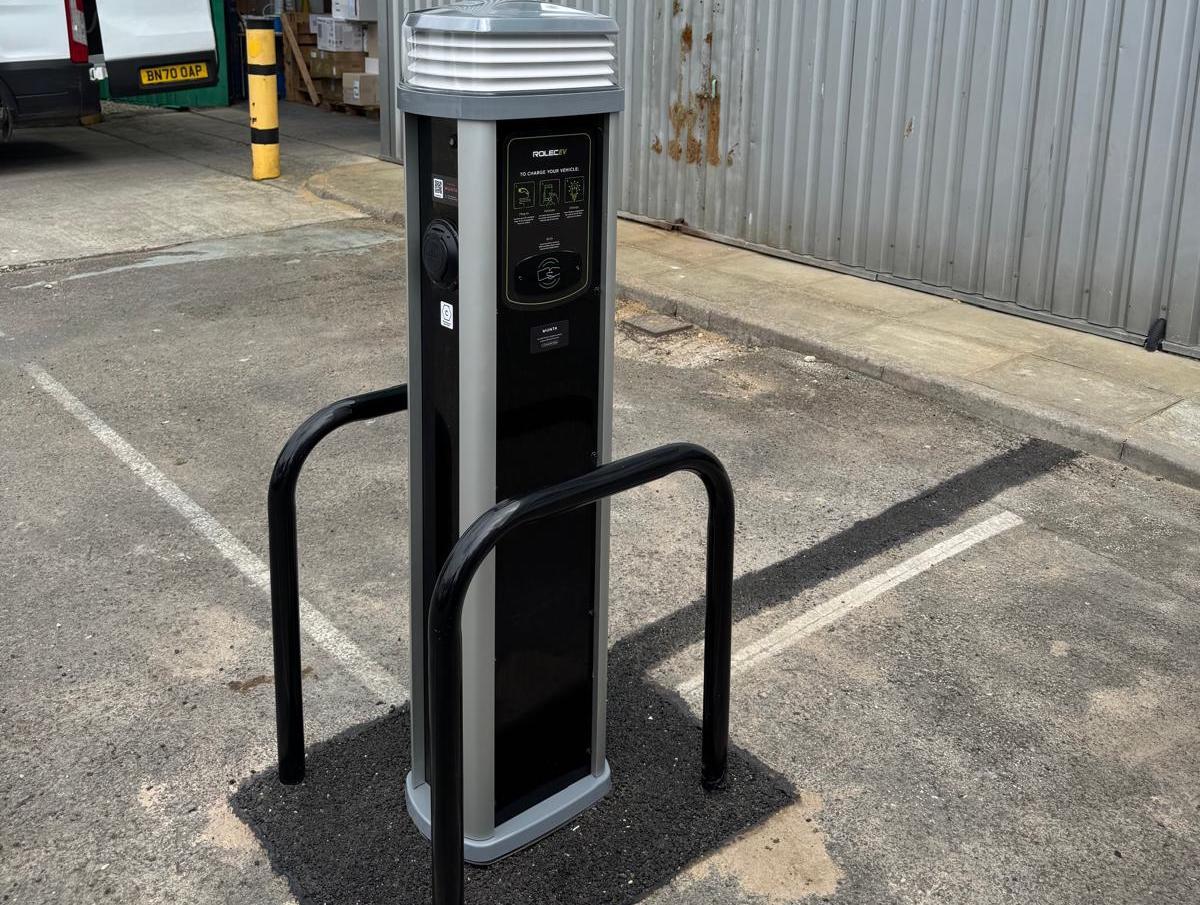
If none of that works for your street, charging away from home is the alternative. Lincolnshire County Council's on-street charging pilot has 7.4kW chargers in Lincoln at Laughton Way, Moorland Avenue and Stamp End, aimed at residents without off-street parking, with more locations planned. Employers can install chargers too, and a workplace charger means the car fills up during the working day. We installed a dual 22kW commercial charger for Micron-Clean, after load assessments at the building's mains intake, and EV charging for workplaces is the same job on a larger scale.
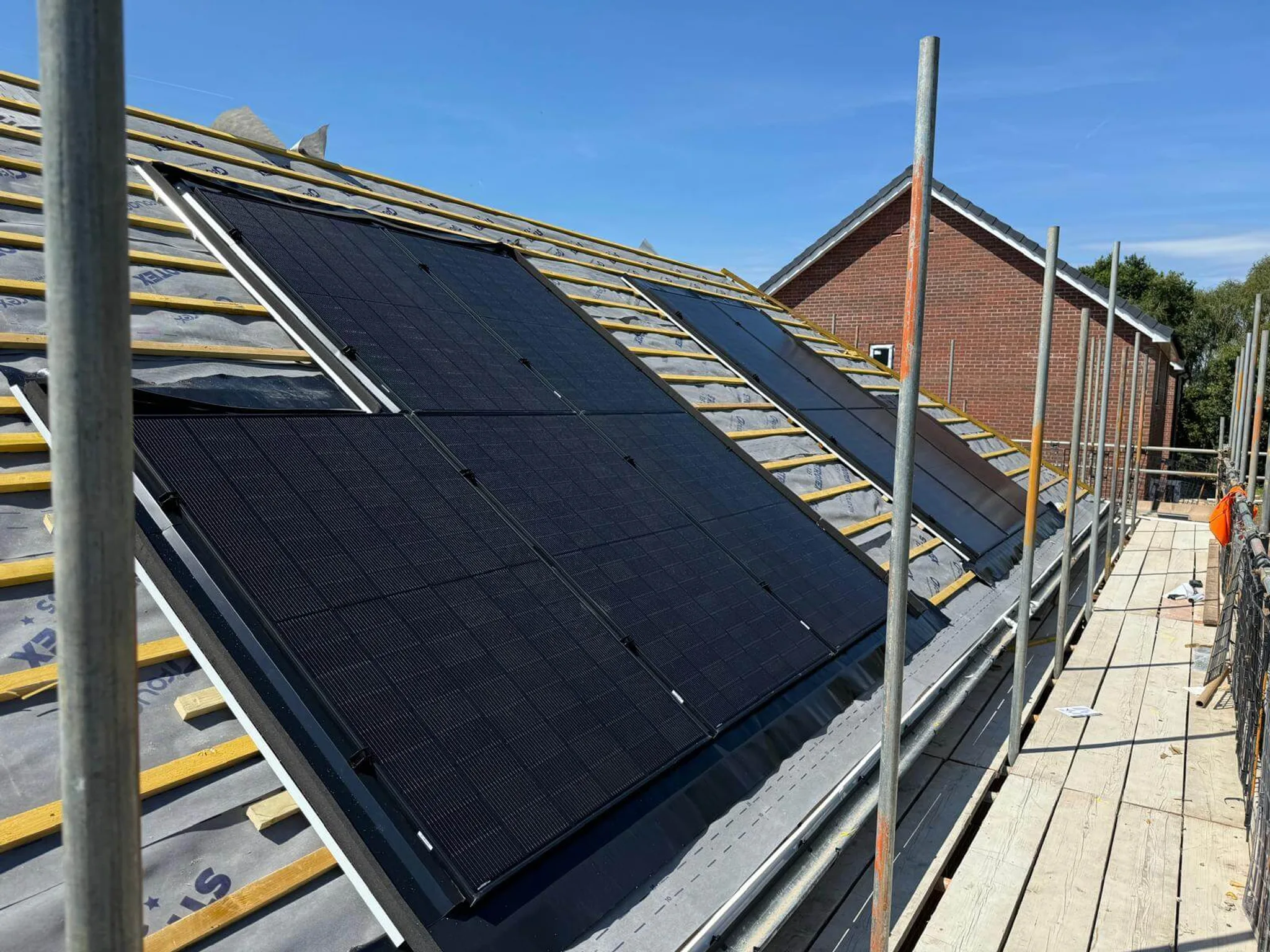
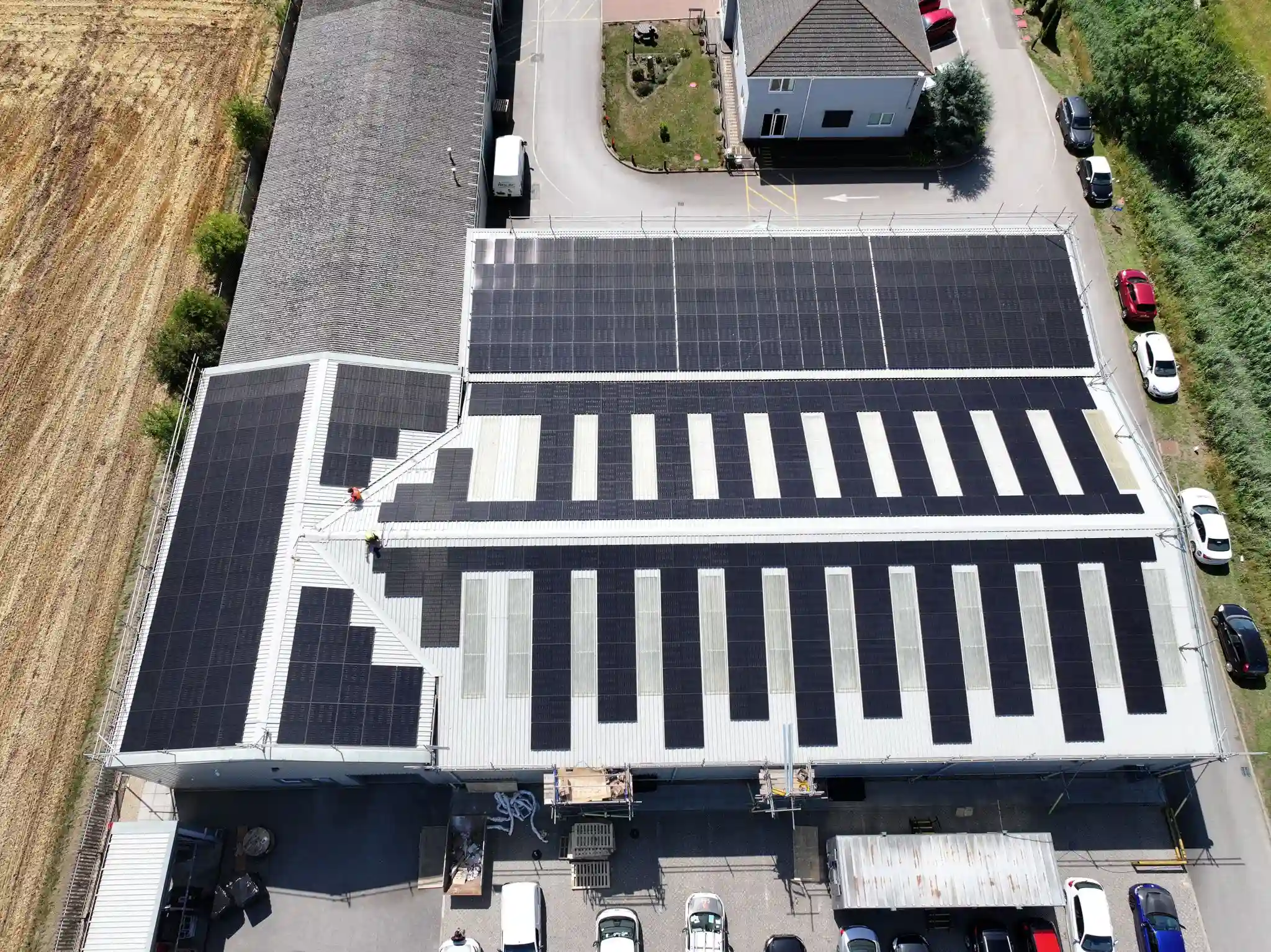
If your employer has solar on the roof, the middle of the day is when the panels can do the charging, which is the same idea as charging a car from your own solar panels at home.
Getting it fitted
We fit home chargers across Lincolnshire from our base in Skegness. We check the supply, the earthing and the best position on the wall before anything is ordered, so the cable run is as short as it can be. As NICEIC approved electricians, we certify the work and notify the network operator. Get in touch with CES, or answer a few questions on our free quote form.