Lincolnshire has experienced, accredited battery storage installers, and as with any high-value electrical installation, choosing the right one matters just as much as choosing the right battery. A good installer sizes the system around how you actually use energy, installs it safely and to standard, handles the grid paperwork for you, and is still there if you need them years later. We are a Skegness-based electrical and renewables company covering the whole county, and this guide explains what to look for in a battery storage installer in Lincolnshire, why local knowledge counts here, and what a proper installation involves.
The signs of a good installer are straightforward to check. They should be MCS certified for battery storage specifically, employ properly qualified electricians, belong to a consumer code such as RECC, carry a genuine local track record, and size a system honestly rather than selling you the biggest one they can. Get those things right and you avoid almost all of the problems people run into with storage. Below we go through each in turn.
What to look for in a battery storage installer
Battery storage is a substantial piece of electrical equipment, so the credentials matter more than they might for a simpler job. The recognised quality standard is MCS certification, and crucially storage is certified separately from solar. In our experience, an installer who is MCS certified for battery storage specifically works better than one certified only for solar panels, because storage has its own standard and its own certification, and that assurance genuinely matters for a high-value system going into your home.
Because a battery is a serious electrical install, the people fitting it should be qualified electricians working to the current BS 7671 wiring regulations, and an installer with NICEIC approval has been independently assessed against those standards. There is also grid paperwork involved that a good installer handles for you. Battery and inverter systems generally have to be notified to or approved by your local network operator before or shortly after installation, and you want a company that manages that process rather than leaving it on your desk.
Battery safety and siting is another area where experience shows. A competent installer knows where a battery can and cannot go, allowing for ventilation, temperature and fire safety, and sites the unit accordingly rather than squeezing it into the nearest cupboard. Alongside all of this, look for honest sizing, membership of the Renewable Energy Consumer Code for consumer protection, and a clear answer on aftercare and warranty, since a quality battery typically carries a warranty of around ten years and you want the installer still contactable across that time.
Why sizing honesty matters so much
The clearest sign of a trustworthy battery installer is that they size the system to you rather than to their invoice. The right battery is the one matched to how much electricity you use outside daylight hours, not the largest unit that can be sold. An oversized battery costs more, rarely fills and empties fully, and takes far longer to pay back, so working out what size battery you need from your actual usage is exactly what a good installer does before quoting. If a quote arrives without anyone having asked how and when you use electricity, that tells you something.
Why local knowledge matters in Lincolnshire
An installer who knows the county brings real advantages for storage in particular. Lincolnshire has a great many rural and village homes off the mains gas grid, running heating and hot water on electricity, and for these households a battery paired with a time-of-use tariff can cut bills substantially by charging cheaply overnight. A local installer who understands that pattern will set a system up to make the most of it rather than fitting it to a default. In exposed rural areas, storage also adds resilience against the occasional power cut, which matters more here than in a town.
On the coast around Skegness, local knowledge shapes where the equipment goes. Salt air is hard on electronics over time, so we site inverters and batteries somewhere sheltered indoors rather than on an exposed external wall, a small decision that protects the kit for the long term. And because we are based here, aftercare is simply a case of coming back out, rather than waiting on a company that fitted your system from the other end of the country.
What a battery installation involves
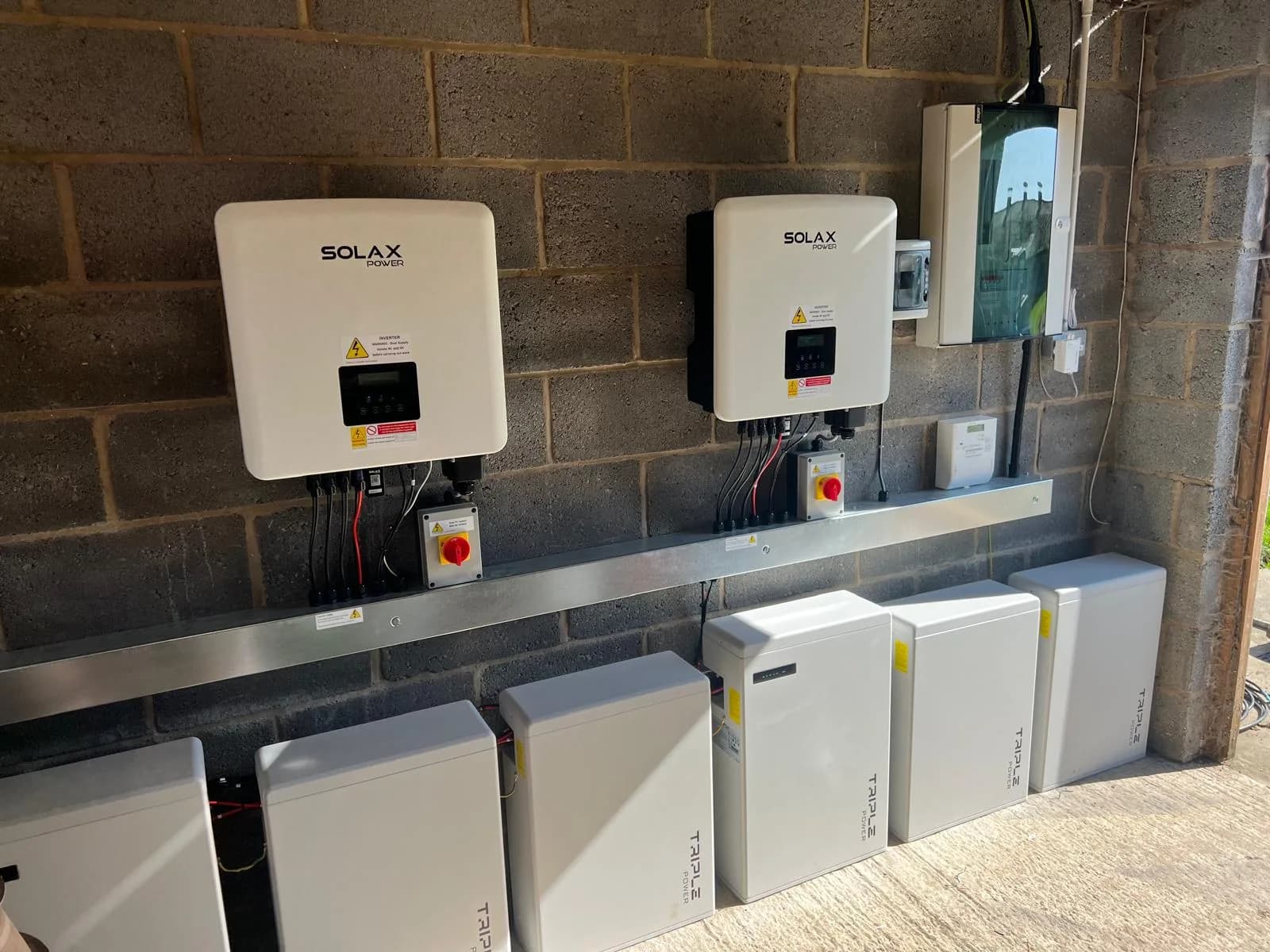
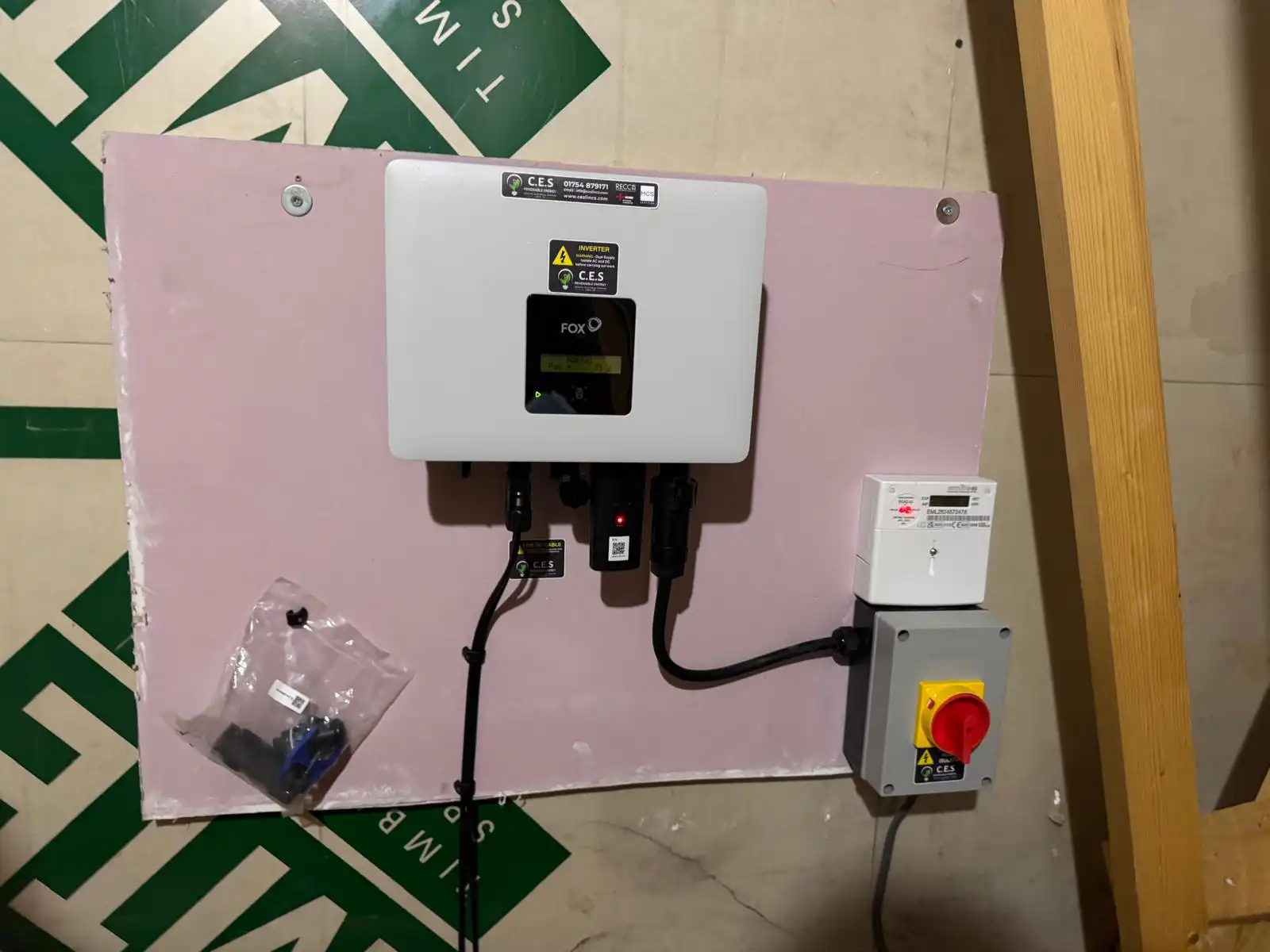
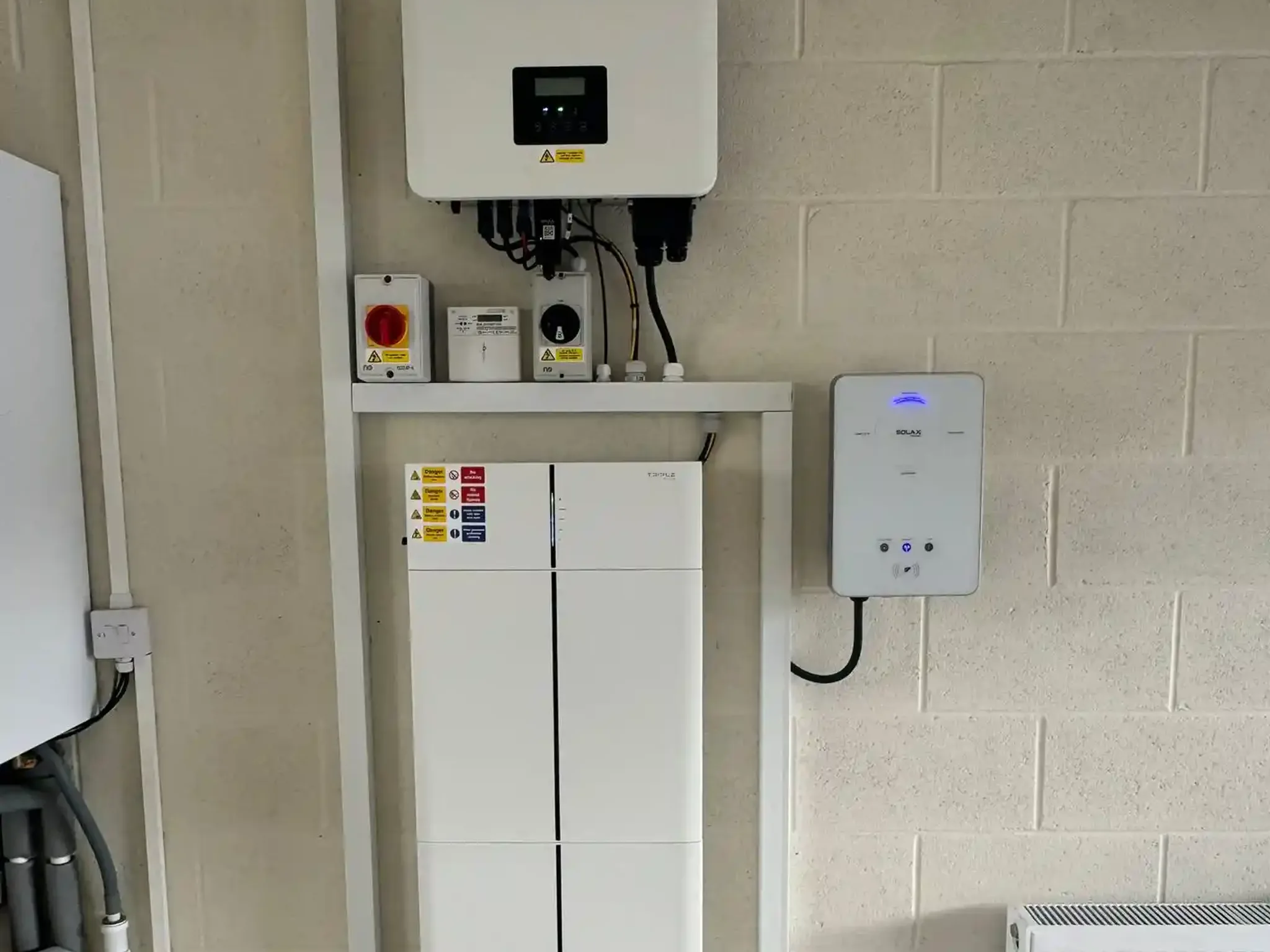
A proper installation starts with a look at how you use electricity, since that determines the size and the setup. From there the battery needs a suitable, sheltered location with room around it, and the type of system depends on your situation. If you already have solar, an AC-coupled battery is usually added alongside your existing panels without disturbing them, whereas a new installation often uses a hybrid inverter to handle both the panels and the battery together. Understanding how solar battery storage works makes it easier to follow what your installer is proposing.
The system is then wired in, the network operator is notified, and everything is commissioned and tested, including setting the battery to charge and discharge in the way that suits your home and tariff. A thorough handover should leave you with a monitoring app and a clear understanding of what the system does and who to call. We treat that setup and handover as part of the job, because a battery configured properly for your tariff and usage is what turns storage into real savings.
Battery storage for homes and businesses across Lincolnshire
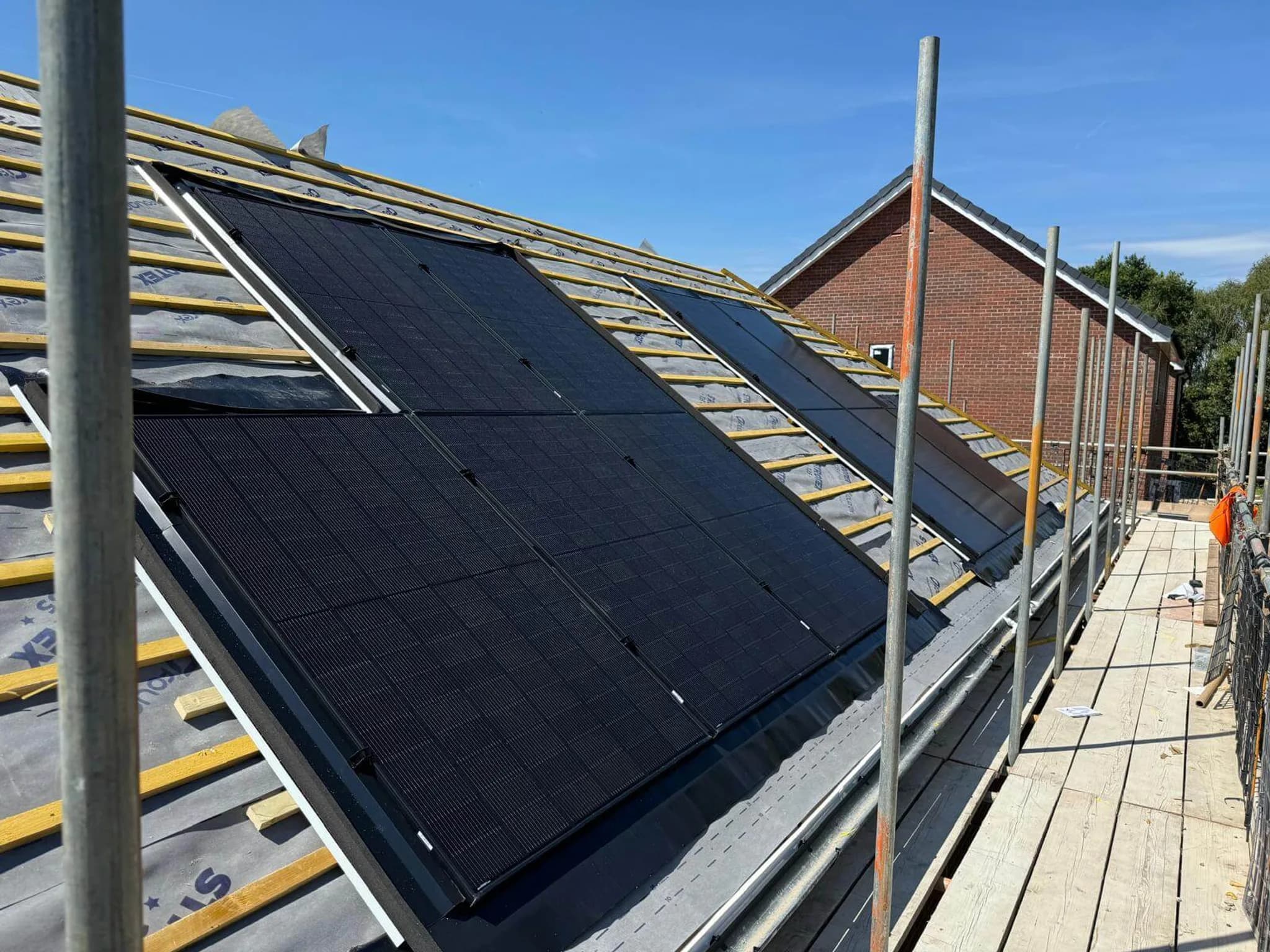
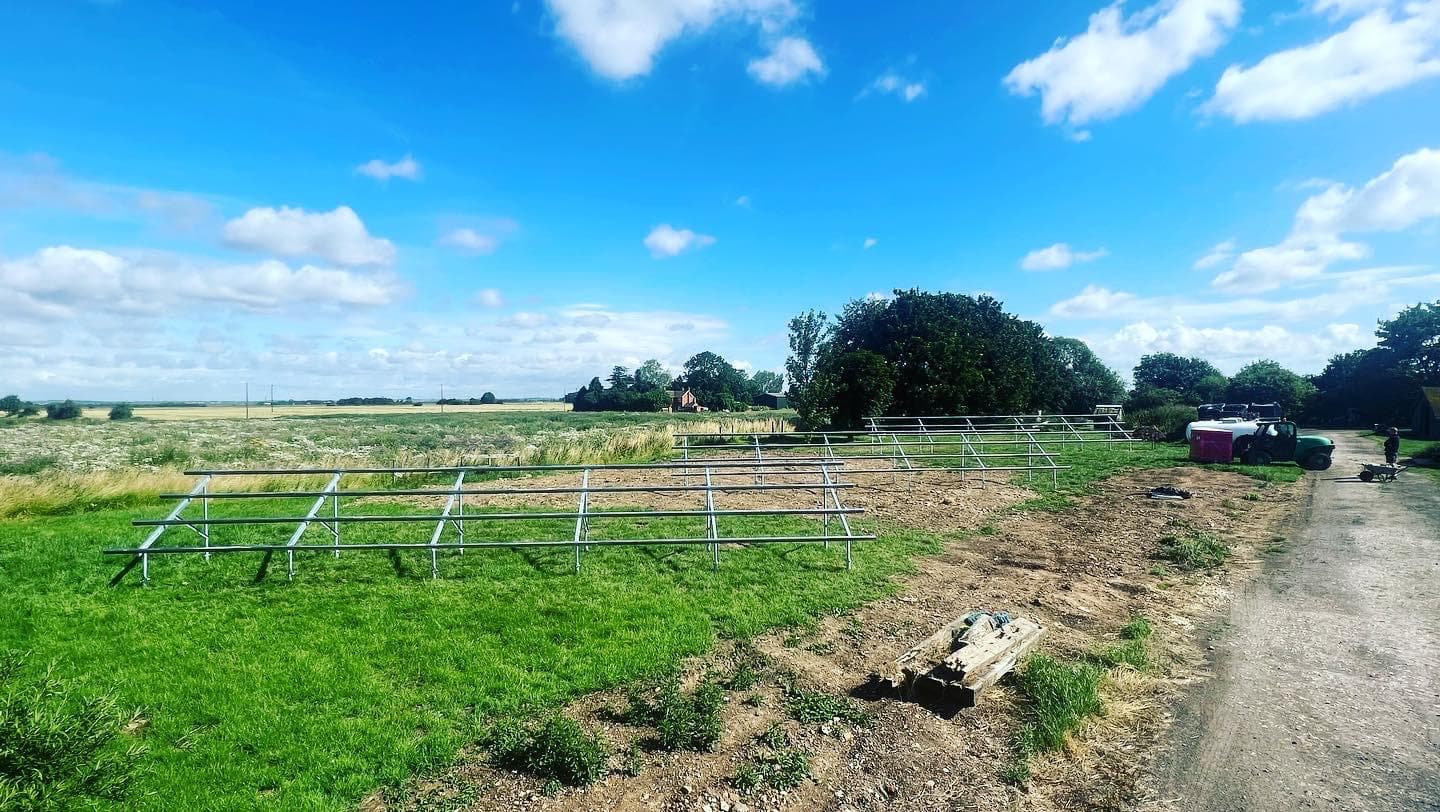
A good installer should be comfortable at whatever scale you need, and over more than 30 years in the electrical and renewables trade we have fitted storage right across that range. For homeowners, we completed a 6.8kW solar and battery installation on a property with a flat roof, with the storage matched to the household rather than to a standard package. On a poultry farm near Friskney, we paired a ground-mounted array with 30kW of battery storage to carry the site’s heavy, round-the-clock demand.
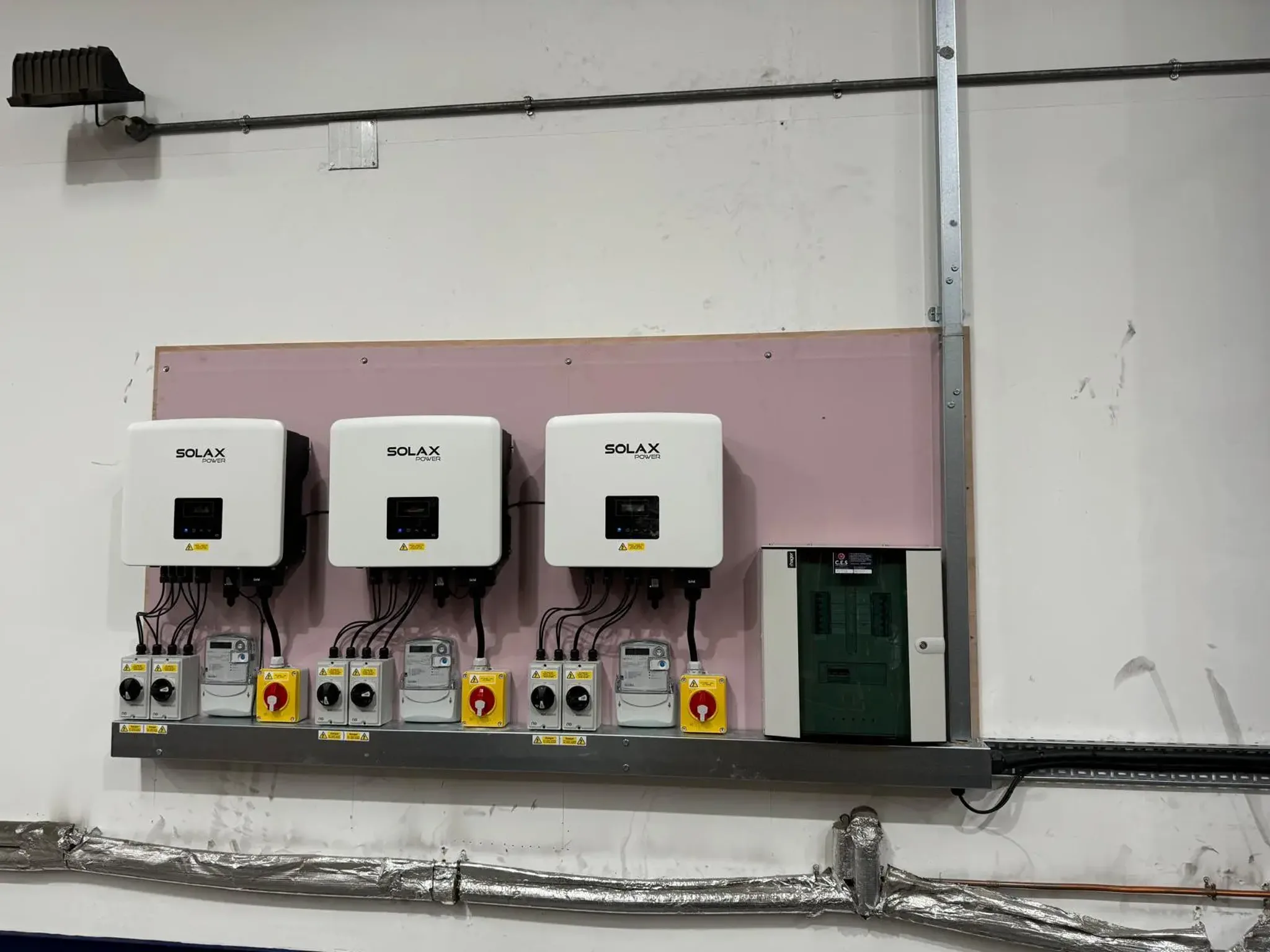
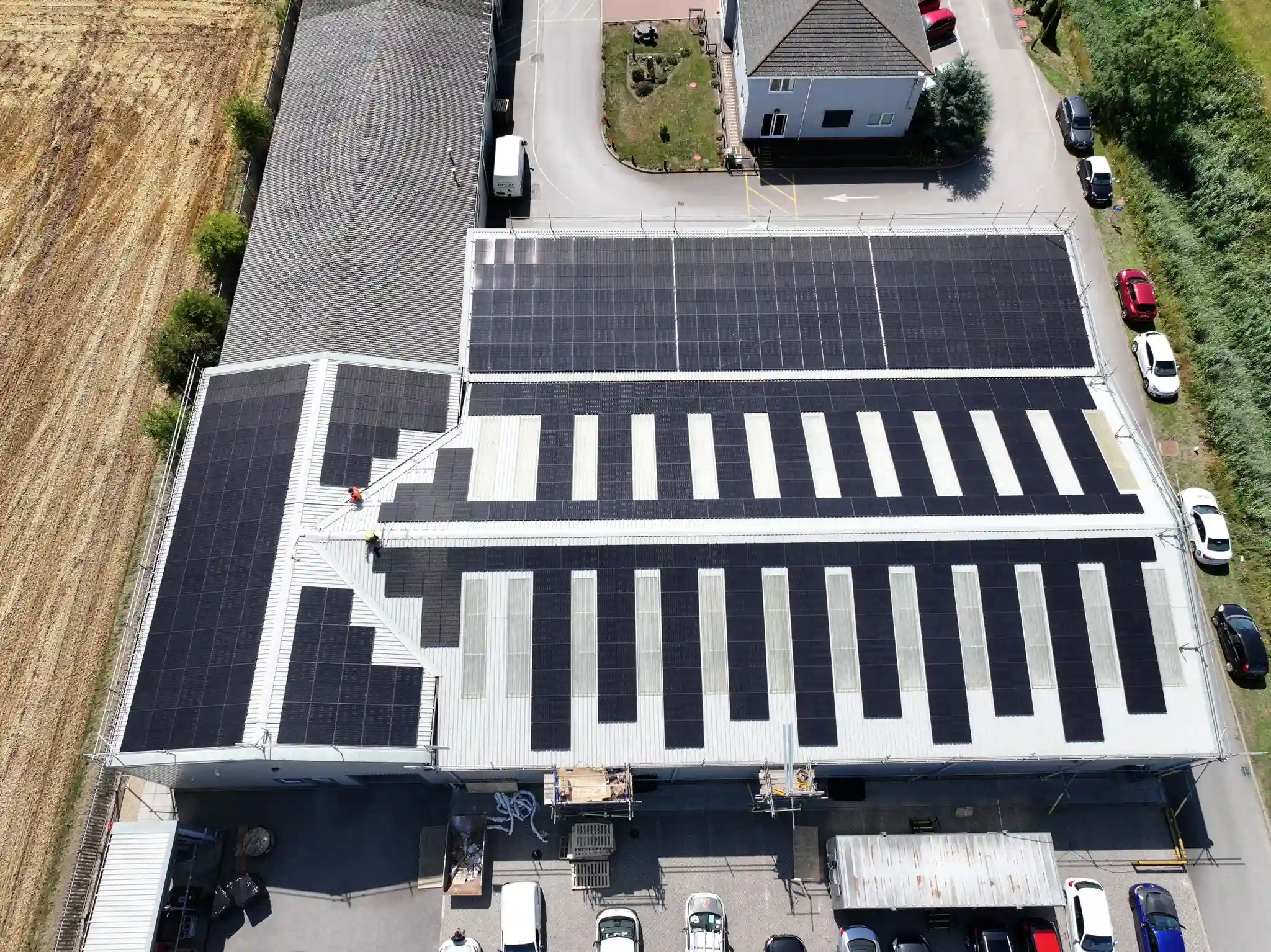
At the commercial end the systems can be far larger, as with a 200kW solar array paired with 200kWh of battery storage we delivered, sized around the site’s real demand. Whatever the scale, the fundamentals hold, a system sized to genuine usage, installed safely and commissioned properly. As an NICEIC approved, MCS certified and RECC registered installer, and an Octopus installation partner, we design every battery storage system around the property and the way it uses power.
Why choose CES for battery storage in Lincolnshire
We are a Skegness-based installer covering homes and businesses throughout Lincolnshire, MCS certified for storage, staffed by qualified electricians, and on hand for the years after the work is done. We size every system to how you actually use electricity, handle the grid notification and commissioning, and set the battery up to work intelligently with your tariff, whether it is going alongside new solar, added to panels you already have, or installed on its own.
If you would like to talk to a local battery storage installer about what would suit your home or business, get in touch with our team for honest advice and a tailored quote.