

So, Do Solar Panels Work in Winter?
Yes, solar panels do work in winter. They generate electricity from daylight rather than heat, so they keep producing on cold, cloudy and overcast days, just at a lower rate than in summer. You will not match your summer output over the darker months, but panels contribute usefully all year round, and a well-designed system is planned around that seasonal pattern from the start.
The thing that reduces winter generation is not the cold, it is the shorter days and the low angle of the sun. Panels are actually slightly more efficient in cold weather than in high heat, so a crisp, bright winter day can produce perfectly respectable output. A UK winter does not stop solar working, then, it simply means less generation packed into fewer daylight hours. Below we explain how much less to expect, how snow and frost affect things, and how to get the most from a system through the colder months.
Do solar panels need direct sunlight to work?
No, and this is the most common misunderstanding we come across. Solar panels generate from daylight, not from direct sun or warmth, so they carry on working under cloud and on overcast days. Bright, direct sunshine will always give you the most, but a grey winter sky still contains plenty of daylight for panels to convert into electricity, simply at a reduced level.
It also surprises people to learn that cold weather is no enemy of solar. Panels are electronic devices, and like most electronics they run a little more efficiently when they are cool than when they are baking in summer heat. What holds winter generation back is purely the amount of daylight available, not the temperature. On a clear, cold day, a system can perform very well for the hours the sun is up.
How much less do solar panels generate in winter?
Noticeably less than in summer, and it is worth being realistic about that. Winter days are short and the sun sits low in the sky, so there are fewer productive hours and the light is weaker. As a rough guide, a short, overcast midwinter day might yield only around a fifth of what the same system produces on a long, bright summer day, though a clear winter day will do considerably better than a dull one.
The important point is that this seasonal swing is entirely normal and already built into the expected figures for any system. Solar output over a year is heavily weighted towards the spring and summer, and those stronger months carry the annual total that ultimately determines whether solar is worth it. When we design a system, we are sizing it around that yearly generation rather than around any single month, so a lean December is expected rather than a sign that anything is wrong. The strong months more than make up for the quiet ones, and any surplus you export through the Smart Export Guarantee across the brighter half of the year adds income that helps balance out the leaner winter weeks.
What about snow and frost?
Frost and cold on their own cause panels no trouble at all. They are built and certified to cope with the full range of British weather, so a hard frost simply means a cold panel, which as we have said is no bad thing for efficiency.
Snow is the one thing that genuinely stops generation, but usually only briefly. Because most panels are mounted at an angle and have a smooth, slippery surface, light snow tends to slide off fairly quickly, especially once the panels beneath begin to warm. A thin covering can still let some light through, so the system may keep ticking over, while a heavy blanket of snow will halt generation until it clears. In this country, snow that settles on panels for any length of time is uncommon in most winters, so it makes only a small dent in annual output.
Getting the most from solar through winter
A few design choices help level out the leaner months. Panel angle is one of the most useful. In our experience, a slightly steeper panel tilt works better than the shallower angle sometimes chosen purely for peak summer output when a household wants steadier winter generation, because a steeper panel sits more square to the low winter sun and sheds snow and rain more readily. Orientation matters too, with south-facing panels making the most of the limited winter daylight.
Shading deserves particular attention for winter performance. Because the sun tracks so low across the sky in winter, obstructions that cause no problem in summer, such as a low wall, a fence or a neighbouring building, can cast much longer shadows across the panels. We assess the low winter sun path as part of designing a system, not just the high summer one, so that shading does not quietly rob you of generation in the months you can least spare it. Finally, keeping panels clear of leaves and debris helps them make the most of what little winter light there is.
Why a battery earns its keep in winter
Winter is the season when the mismatch between generation and demand is at its widest. You generate the least just as you are using the most, with lights, heating and appliances all working harder through the dark evenings. This is exactly where storage proves its worth. A solar battery lets you hold onto what your panels do produce and use it when you actually need it, and paired with a time-of-use tariff it also lets you charge up cheaply overnight and run the home through the expensive evening peak on stored electricity. In the depths of winter, when solar alone cannot cover your usage, that combination keeps your bills down far more effectively than panels working on their own.
What we see installing solar across Lincolnshire
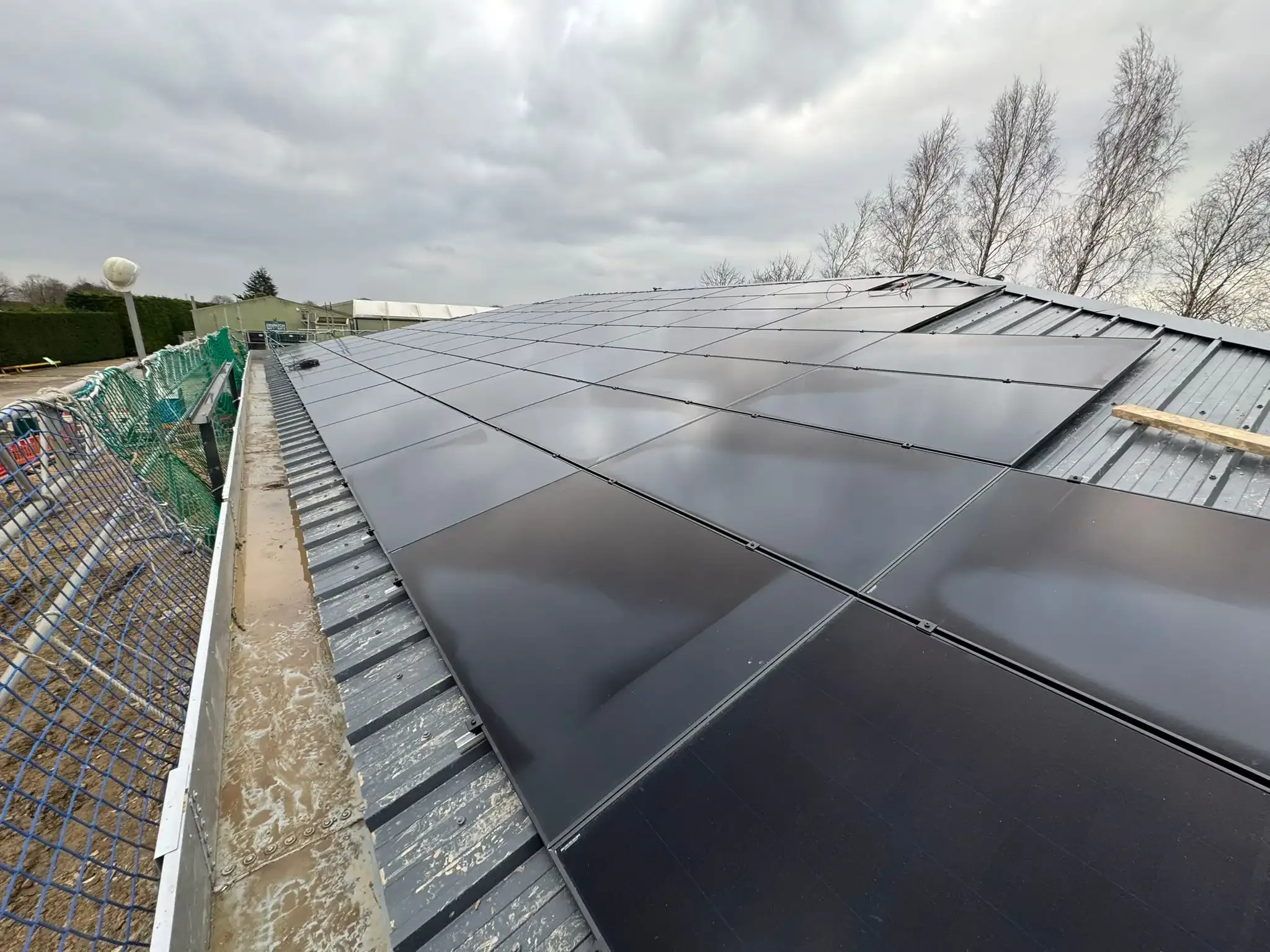
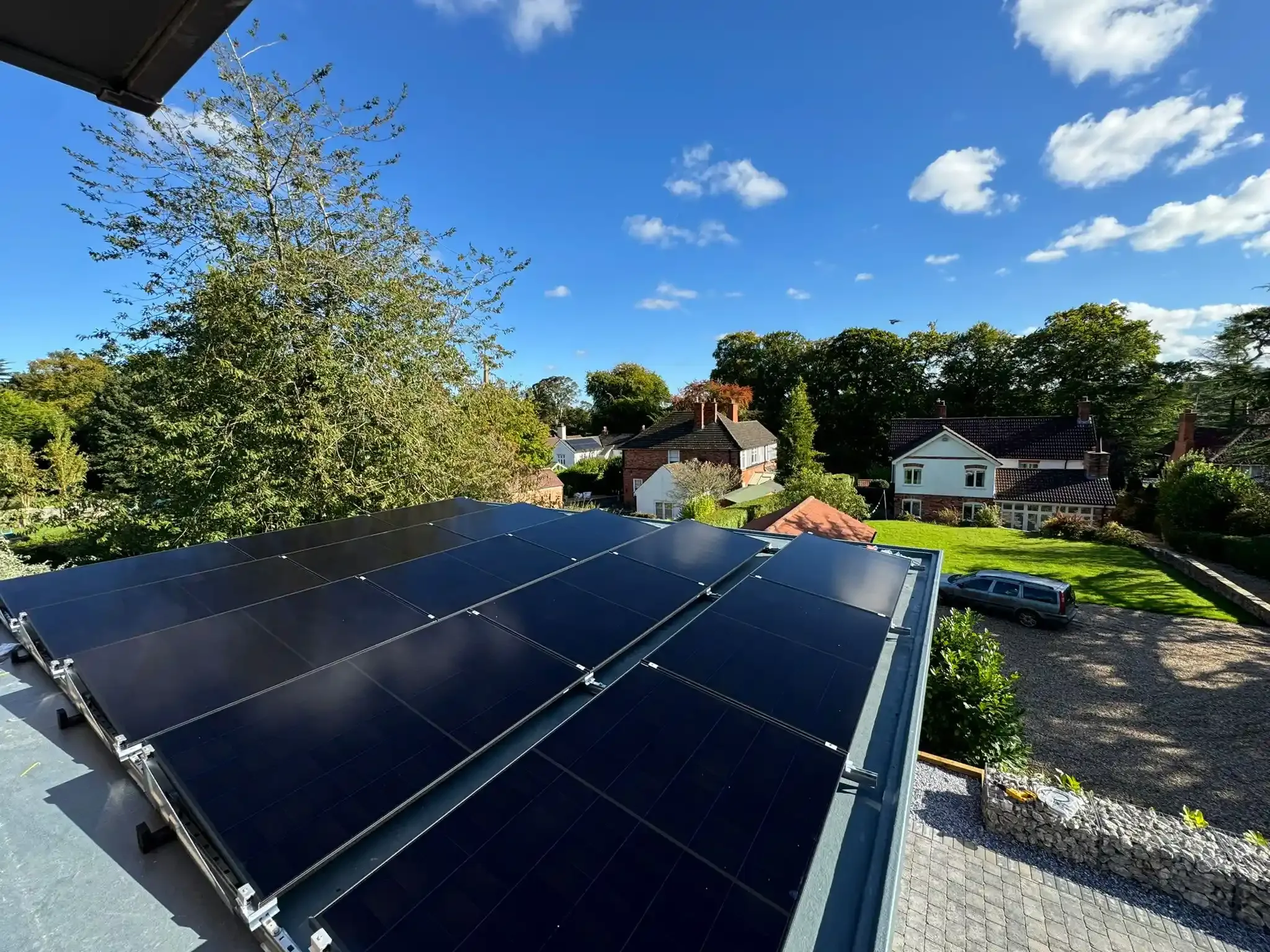
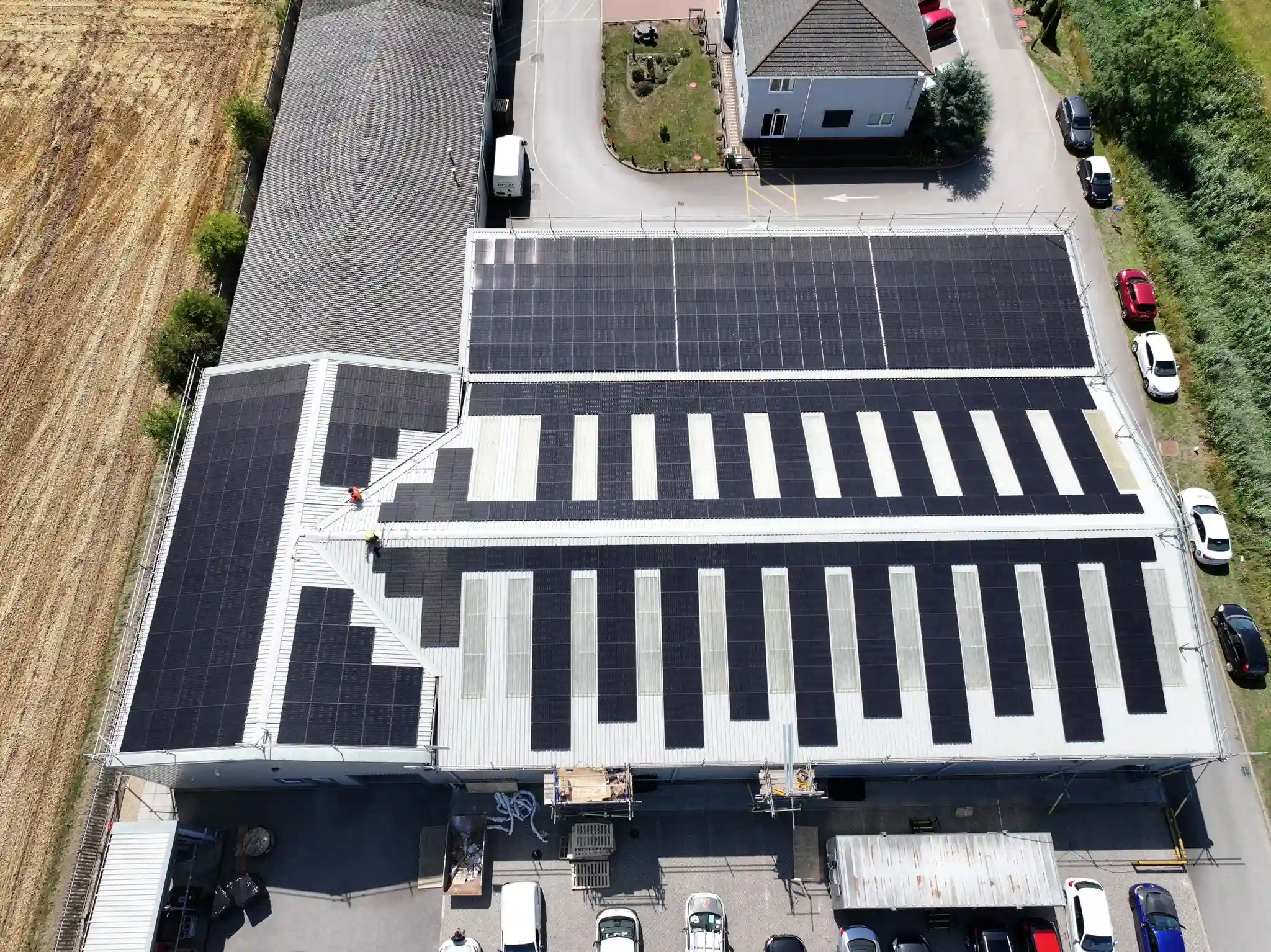
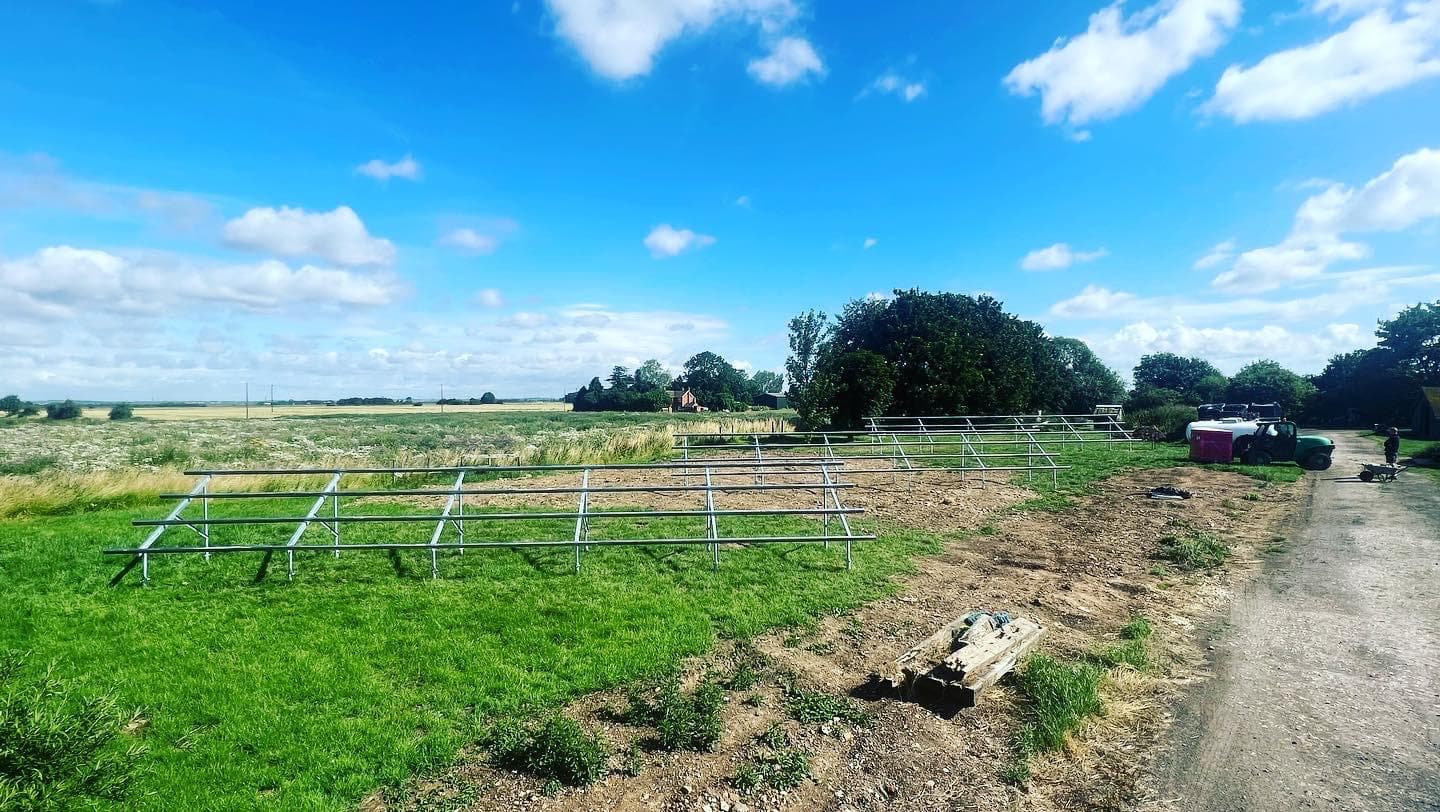
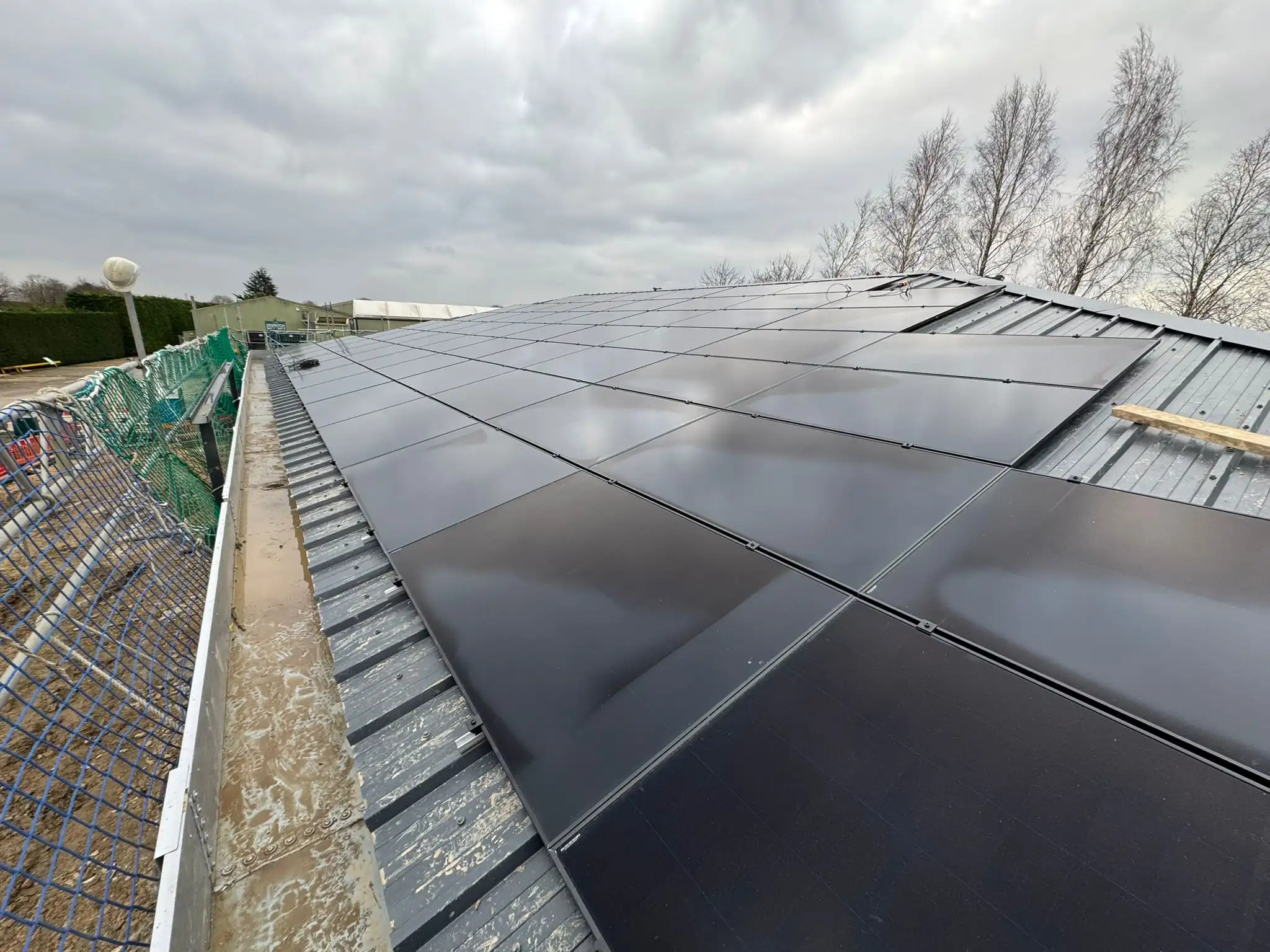
Over more than 30 years in the electrical and renewables trade, we have installed and monitored solar systems right across Lincolnshire, and the seasonal pattern plays out exactly as expected, with strong generation from spring through autumn and a leaner but still useful contribution in winter. On a poultry farm near Friskney, the 30.24kW ground-mounted array with 30kW of battery storage we installed keeps supporting the site’s heavy, round-the-clock demand throughout the year, with the battery smoothing out the shorter winter days. For homeowners, the 6.8kW system we fitted on a flat roof carries on generating through the winter months, simply at the lower level the season dictates.
Being based in Skegness, we design every solar PV system with the whole year in mind, from the high summer sun to the low winter one, and build it to cope with the exposed coastal weather this part of the county sees. As an NICEIC approved, MCS certified and RECC registered installer, and an Octopus installation partner, we set realistic expectations about winter output from the outset, because a system you understand is one you will be happy with in January as well as July.
So, do solar panels work in winter?
Yes. They generate less than in summer because the days are short and the sun is low, but they keep working right through the coldest, cloudiest months, and the cold itself does them nothing but good. A properly designed system is sized around the whole year, so the quiet winter weeks are expected and the stronger months carry the total. Pair panels with a battery and a sensible tariff, and even the darkest part of the year stays genuinely worthwhile.
If you would like honest advice on what solar would generate on your property across the seasons, get in touch with our team for a tailored quote.