
Most domestic solar systems pay for themselves within around seven to twelve years, after which they carry on generating close to free electricity for well over a decade more. The exact figure depends mainly on how much of your own generation you use rather than export, the size and cost of the system, and whether you pair it with a battery. Businesses that use a lot of electricity during the day often see a faster return, while a home that exports most of its generation will take longer.
Payback simply means the point at which the money you have saved on your electricity bills, together with any income from exporting surplus power, adds up to what the system cost you to install. Several things move that timeline in one direction or the other, and by far the most important is self-consumption, meaning the share of your solar you actually use in the property instead of sending to the grid. Below we explain how the payback is worked out, what shortens and lengthens it, and how to weigh it against the full lifespan of a system.
What paying for itself actually means
The payback period is a straightforward piece of arithmetic once you have the right figures. You take what the system costs to install, then divide it by the amount you save and earn each year. The annual benefit comes from two places, the money you no longer spend buying electricity from the grid because you are using your own, and any payment you receive for the surplus you export. Add those together, divide the system cost by that yearly figure, and you have a rough payback in years.
The reason two similar homes can have quite different payback periods comes down to how each uses its solar. A unit of electricity you generate and use yourself saves you the full price of buying it from the grid, currently around 25 pence. A unit you export typically earns you less than that, often somewhere from a few pence up to around 15 pence, though the best export tariffs pay more. So the more of your generation you use on site, the faster the system pays for itself, which is why self-consumption matters more than almost anything else.
The factors that decide your payback period
Beyond self-consumption, a handful of things shape the timeline. The cost of the system is the obvious one, and this has improved, since installation currently carries no VAT, which we come to shortly. The price of electricity matters too, and as grid prices rise, every unit of solar you use is worth more, which quietly shortens your payback over time. Orientation and shading play a part, because a south-facing, unshaded roof generates more than an east or west-facing or partly shaded one, and more generation means more saving.
Your usage pattern ties all of this together. In our experience, a system sized to match a household’s daytime usage pays for itself faster than a larger system that exports most of its generation, because self-consumed units are worth several times more than exported ones, so chasing the biggest possible array is often the slower route to payback. This is exactly why we look at how and when a property uses electricity before recommending a size, rather than simply fitting the largest system the roof will take.
How the sums work in practice
A simplified example shows the principle. Imagine a system that cost around £7,000 after the current VAT relief, and that saves and earns roughly £800 a year through a mix of lower bills and export income. Dividing one by the other gives a payback of a little under nine years. Increase the self-consumption, add a battery, or factor in rising electricity prices, and that figure comes down. These numbers are purely illustrative, because every property is different, but they show how the calculation works and why the annual saving is the lever that matters.
It is worth treating any headline payback figure as an estimate rather than a promise, since it rests on assumptions about your usage, future electricity prices and how much you export. A proper assessment of your own property and consumption will always give a more reliable figure than a generic online calculator.
Does the VAT relief and export income speed it up?
Both help, and meaningfully. The installation of solar panels currently qualifies for 0 per cent VAT until the end of March 2027, after which the rate returns to 5 per cent. That relief comes straight off the upfront cost, which lowers the figure you are paying back and shortens the timeline, and it is a genuine reason not to keep delaying the decision.
On the income side, any surplus you export can be paid for through the Smart Export Guarantee, which adds to your annual return. Export payments will not pay for a system on their own, but they do shorten the time it takes to break even and turn surplus generation into income rather than something you give away.
Does adding a battery change the payback?
A battery changes the maths in two ways at once. It adds to the upfront cost, which on its own would lengthen the payback, but it also lifts your self-consumption substantially, often from around half of your generation to as much as 80 or 90 per cent, which increases your annual saving. The way solar battery storage works is that it holds your daytime surplus for use in the evening, so you buy far less expensive grid power after dark.
The net effect on the payback period depends on the system and your usage, and in some cases a battery lengthens it slightly while in others it is roughly neutral. What a battery reliably does is improve the total return over the system’s life and add resilience, so it is best judged on the whole picture rather than on payback alone.
What this means over the lifetime of the system
A payback of several years to a decade can sound like a long wait until you set it against how long the equipment lasts. Quality panels carry performance warranties of 25 years or more and routinely keep generating well beyond that, so a system that has paid for itself within, say, nine years then goes on to deliver well over a decade of effectively free electricity afterwards. The one component to budget to replace along the way is the inverter, which typically lasts around ten to twelve years.
Seen across its whole life rather than the first few years, solar is a strong long-term investment, and rising electricity prices only improve that position, since the savings grow as grid power gets dearer. If you want to weigh up the wider question of whether solar is worth it beyond the payback period alone, the lifetime return is where the real value sits.
What we see across Lincolnshire
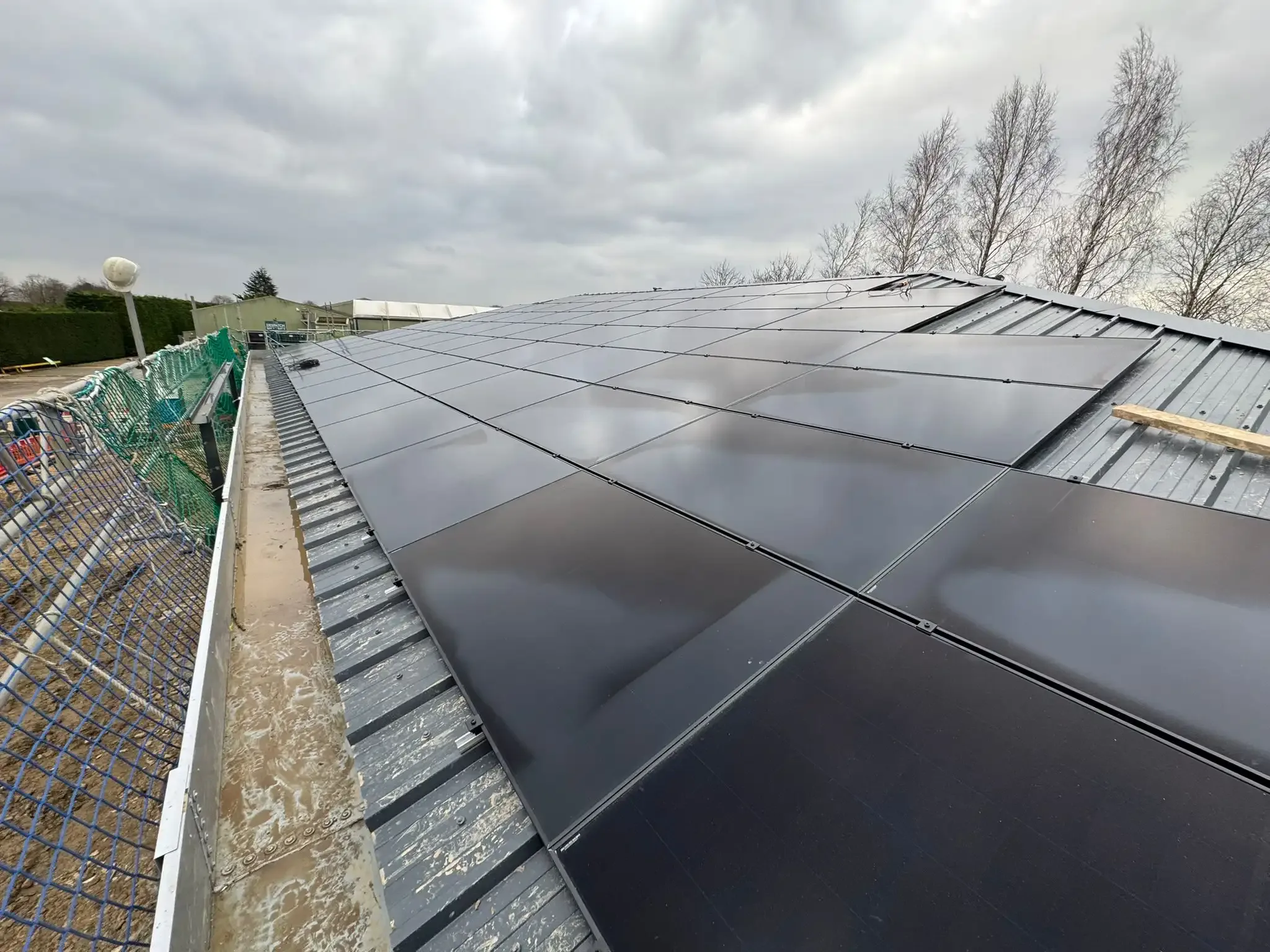
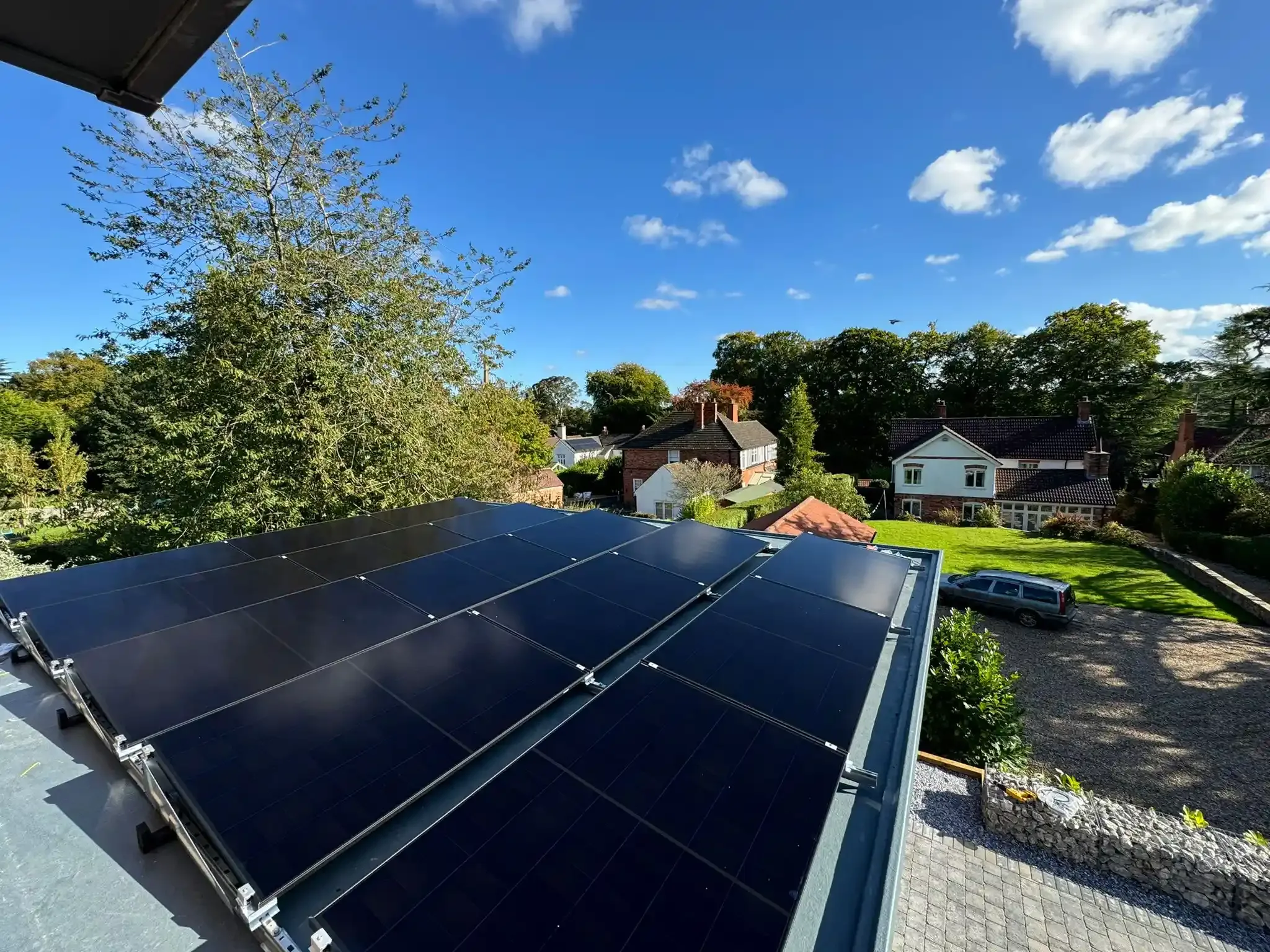
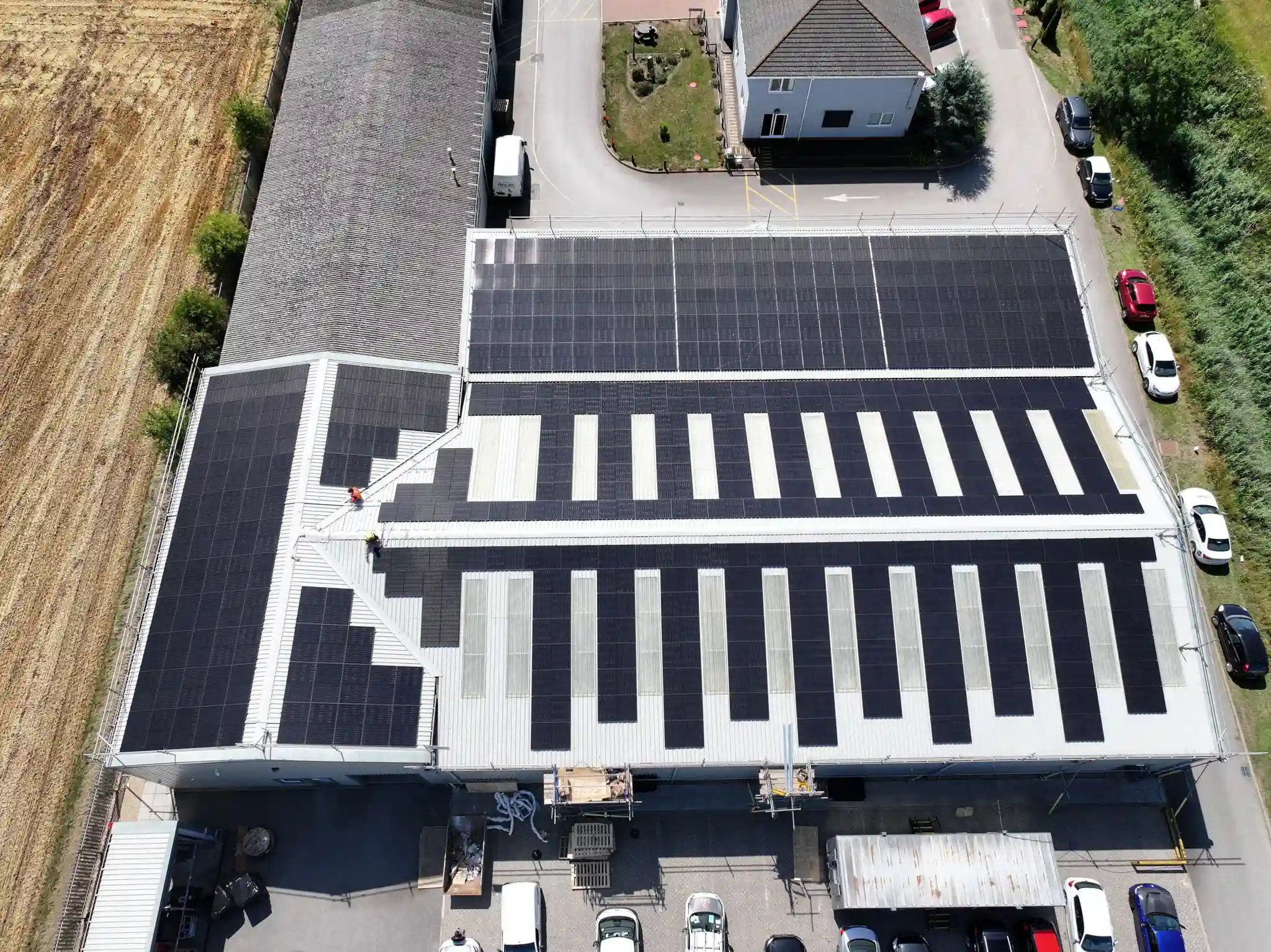
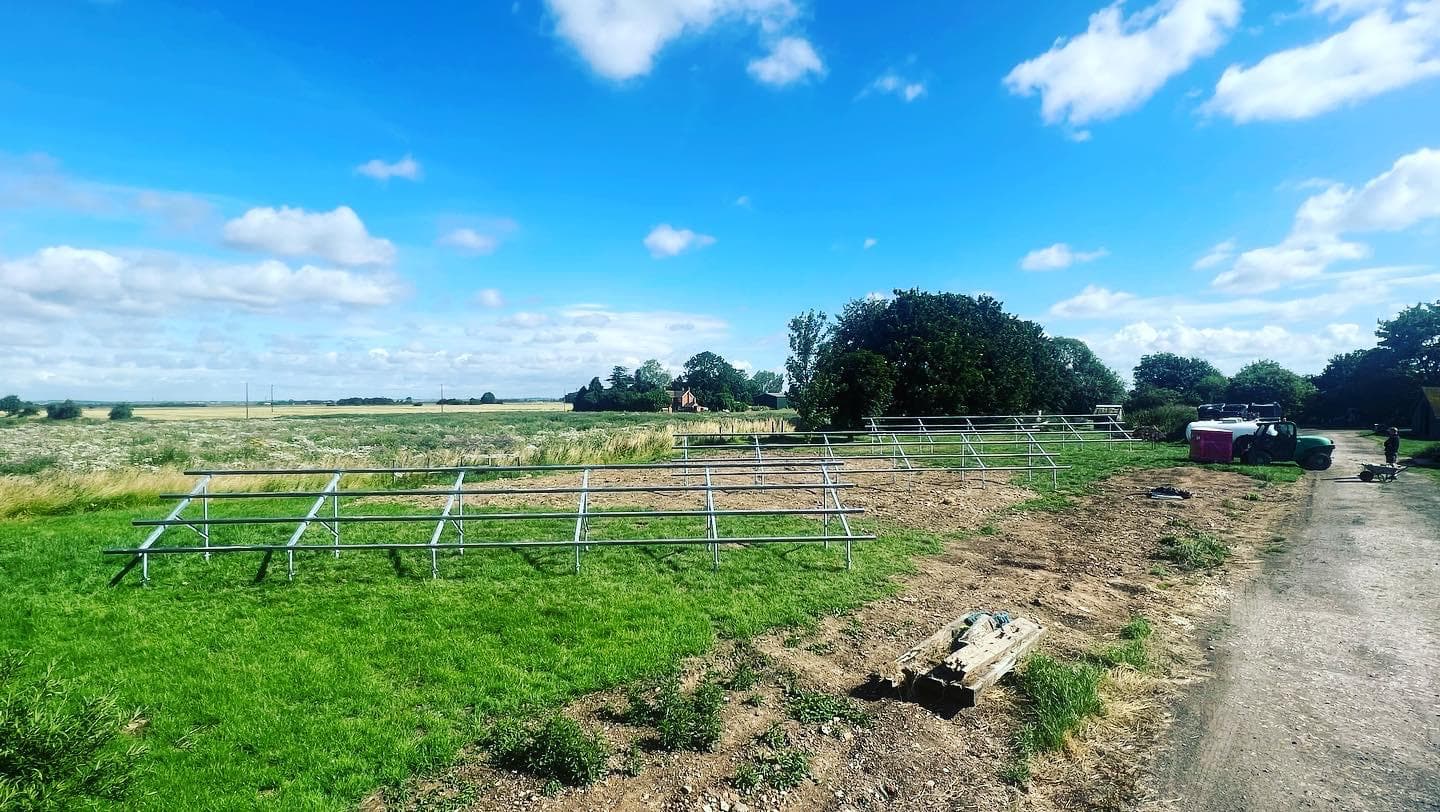
Over more than 30 years in the electrical and renewables trade, we have installed systems across Lincolnshire whose payback reflects exactly these principles. On a poultry farm near Friskney, the 30.24kW ground-mounted array with 30kW of battery storage we designed makes an especially strong case, because the site uses so much of its generation on the spot running ventilation and environmental controls, and high self-consumption is what drives a quicker return. For homeowners, the 6.8kW system we fitted on a flat roof was sized around the household’s usage for the same reason.
Commercial sites can see particularly attractive paybacks where daytime demand is high, which is why our larger installations pair generation with usage so closely. As an NICEIC approved, MCS certified and RECC registered installer, and an Octopus installation partner, we design every solar PV system around how the property actually uses power, because that is what gives the fastest and most reliable return.
So, how long until solar panels pay for themselves?
For most homes, somewhere in the region of seven to twelve years, and often sooner for businesses with high daytime demand or homes that use most of their generation on site. The single biggest lever is self-consumption, with system cost, the current VAT relief, export income and rising electricity prices all playing their part. And because a good system keeps generating for well over two decades, the years after payback are where solar really earns its keep.
If you would like a realistic payback figure for your own property, based on your roof and how you actually use electricity, get in touch with our team for a tailored quote.