
So, Are Solar Panels Worth It in Lincolnshire?
Yes, for the majority of Lincolnshire homes and businesses solar panels are worth it, and the county is actually one of the better-placed parts of the country for them. Lincolnshire sits in the east of England, one of the driest and sunniest regions in the UK, so panels here generate well. Add in high electricity prices, 0 per cent VAT on installation until 2027, and payment for the power you export, and the case is a strong one.
As anywhere, whether solar pays off for you comes down to your roof, how you use energy and whether you add a battery, and we point you to the full detail on costs and payback below. But there are a few things specific to Lincolnshire that make solar particularly worthwhile here, from the county’s open, unshaded rural sites to its many properties off the mains gas grid. Below we explain why Lincolnshire suits solar, what its coast means for an installation, and the sort of results we see across the county.
Is Lincolnshire a good place for solar panels?
It is one of the better parts of the UK for it. Lincolnshire lies in eastern England, which the Met Office records as among the driest and sunniest areas of the country. Much of eastern England receives less than 700 millimetres of rain a year, some of the lowest totals anywhere in the UK, and the county enjoys relatively high sunshine hours by national standards, well above the cloudier north and west.
A common myth is that solar only works in hot, sunny countries, but that is not how the technology behaves. Panels run on daylight rather than heat, and they actually operate a little more efficiently in cooler conditions than in extreme heat, so the UK’s mild, bright climate suits them well. Lincolnshire’s comparatively dry, sunny weather simply means panels here spend more of the year generating strongly. We have found across the county that well-designed systems perform every bit as well as the figures on paper suggest, which is not always the case in the wetter, duller regions.
What Lincolnshire’s coast means for your installation
A good deal of our work is along and near the Lincolnshire coast around Skegness, and the coastal environment genuinely changes how a system should be built. Salt-laden air and strong, exposed winds are harder on fixings and equipment than a sheltered inland site, and cutting corners on hardware here tends to show within a few years.
In our experience, specifying corrosion-resistant, marine-grade mounting and fixings works better than using standard hardware on coastal properties because salt air accelerates corrosion and the stronger wind loads on exposed sites demand a more robust fixing to stay secure for the long term. It costs a little more at the outset, but on the coast it is the difference between a system that shrugs off the weather for decades and one that needs attention far too soon. This is exactly the sort of local knowledge that a national installer working from a distance tends to miss.
The Lincolnshire properties that benefit most
Solar suits a wide range of homes and businesses here, but a few situations stand out. Lincolnshire has a great many rural properties off the mains gas grid, which rely on more expensive heating such as oil, LPG or electricity. For these homes, generating your own electricity, particularly paired with a battery and increasingly with a heat pump, can make a far bigger dent in running costs than it would for a home on cheap mains gas.
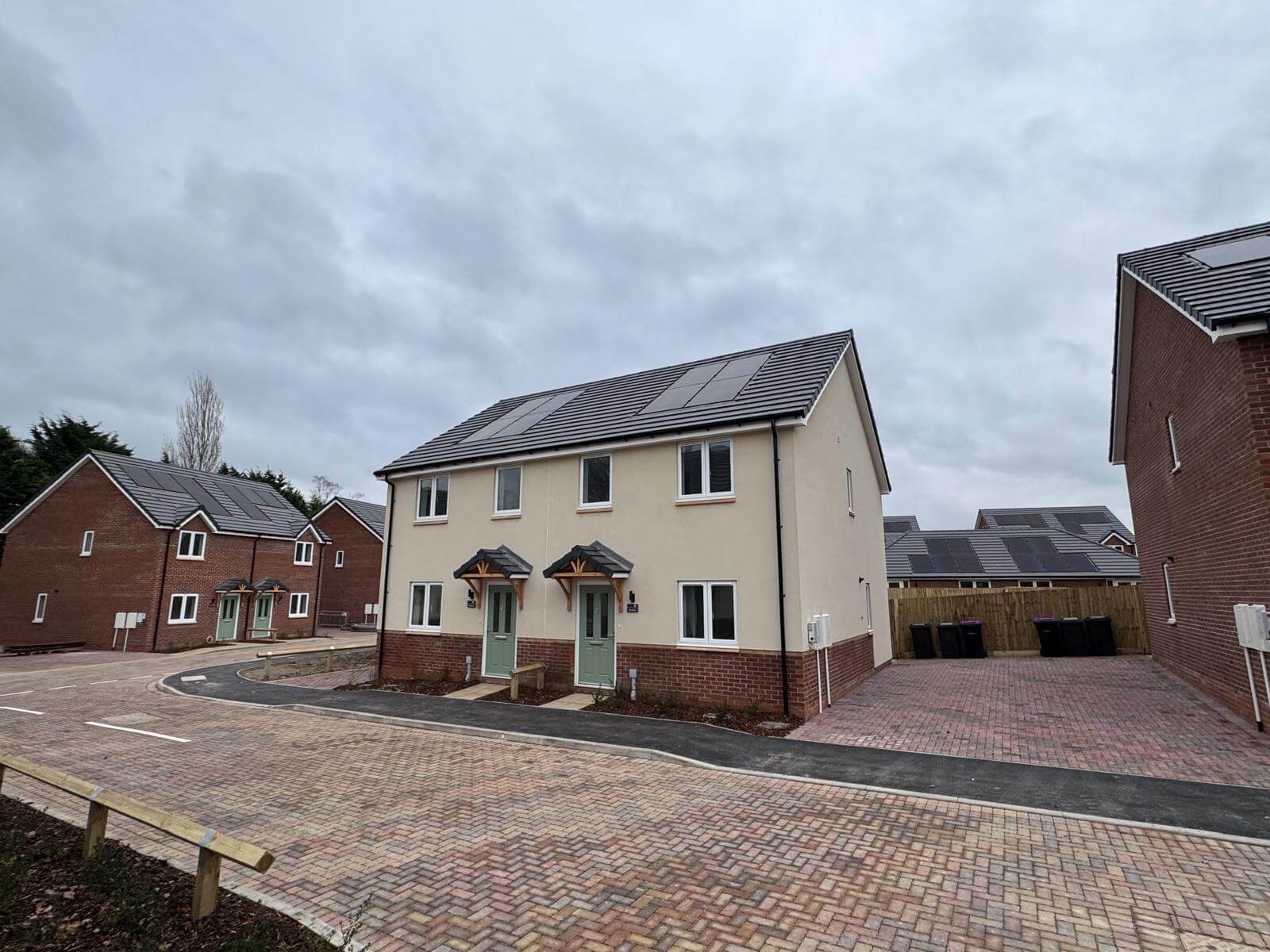
The county’s farms and agricultural businesses are another strong fit. They often have large roofs or spare land for ground-mounted arrays, and crucially they tend to use a lot of electricity during daylight hours, running equipment, ventilation and cooling while the sun is up. That daytime usage pattern is close to ideal for solar, because so much of the generation is used on site rather than exported. New builds and larger detached homes across Lincolnshire’s market towns and villages also make excellent candidates, especially where a system can be designed in from the start.
Does battery storage make sense in Lincolnshire?
For most households here, yes. Because so much solar generation happens in the middle of the day when many homes are empty, a battery lets you store that surplus and use it in the evening rather than exporting it cheaply and buying expensive power back after dark. In rural areas, storage also adds a degree of resilience, keeping essential circuits running through the occasional power cut that exposed, rural parts of the county can be prone to. We size every battery around how a household actually uses power rather than fitting a standard unit, which is what separates storage that pays for itself from storage that disappoints.
What does solar actually cost, and is it worth it financially?
The short answer is that for most properties the sums work, with a typical domestic system paying for itself within several years and then generating close to free electricity for a couple of decades more. Rather than repeat the full breakdown here, you can read our detailed guide to the costs, savings and payback of solar panels, which sets out the numbers in full.
The two points worth stressing for Lincolnshire are that the current 0 per cent VAT on installation runs only until the end of March 2027, after which it returns to 5 per cent, and that you can be paid for surplus generation through the Smart Export Guarantee. Between them, these shorten the payback and improve the return, whichever part of the county you are in.
What we have found installing solar across Lincolnshire
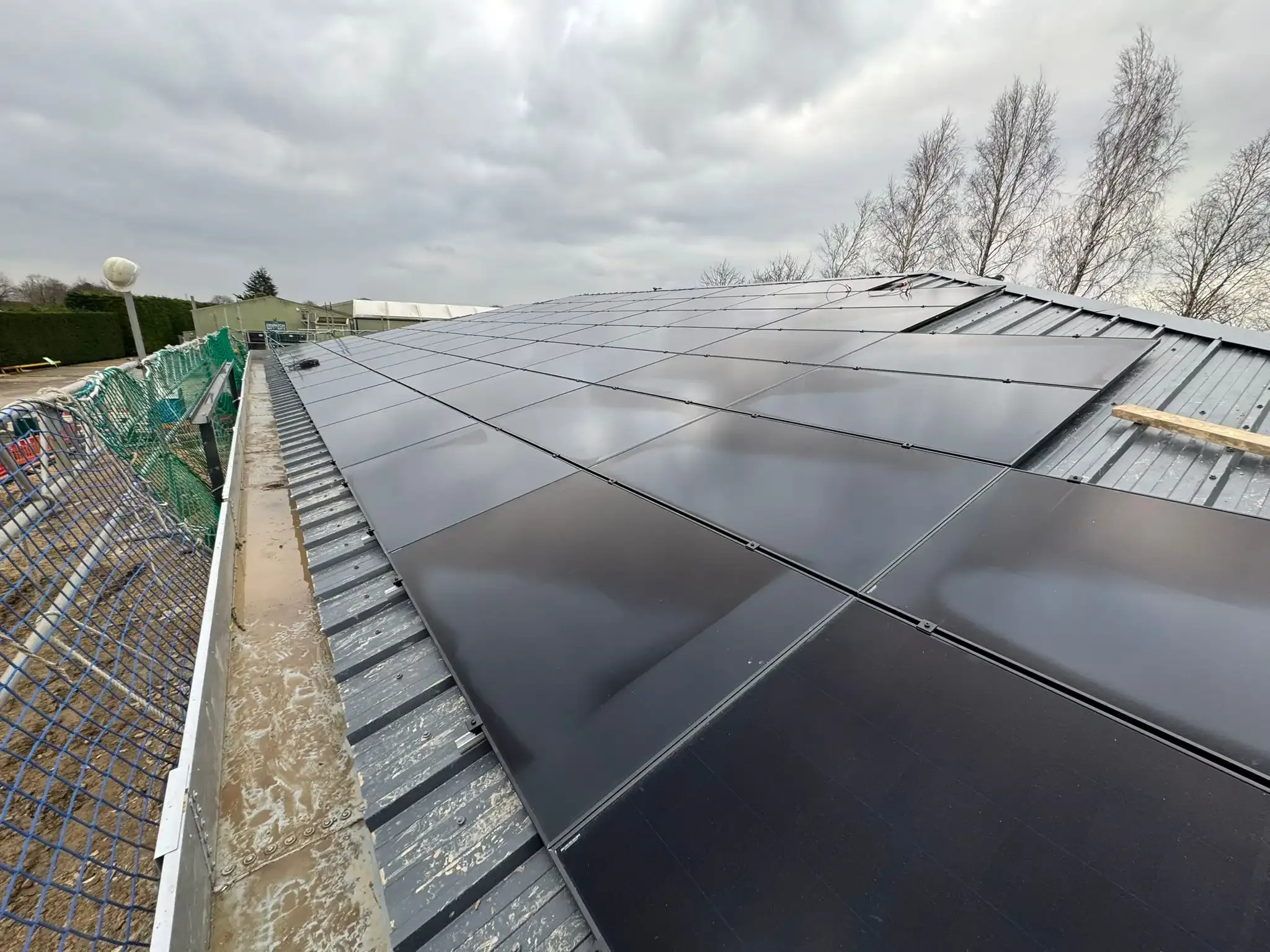
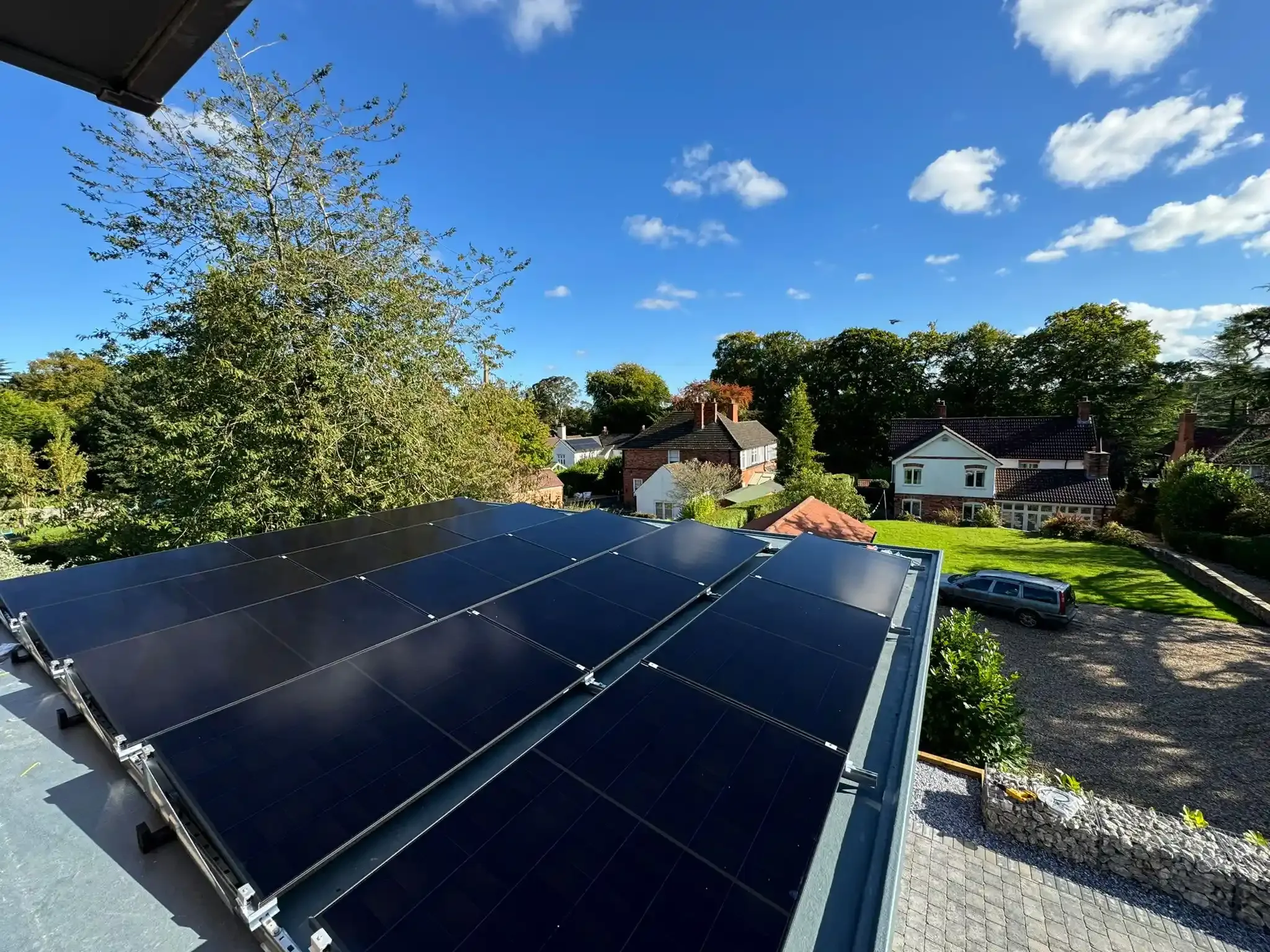
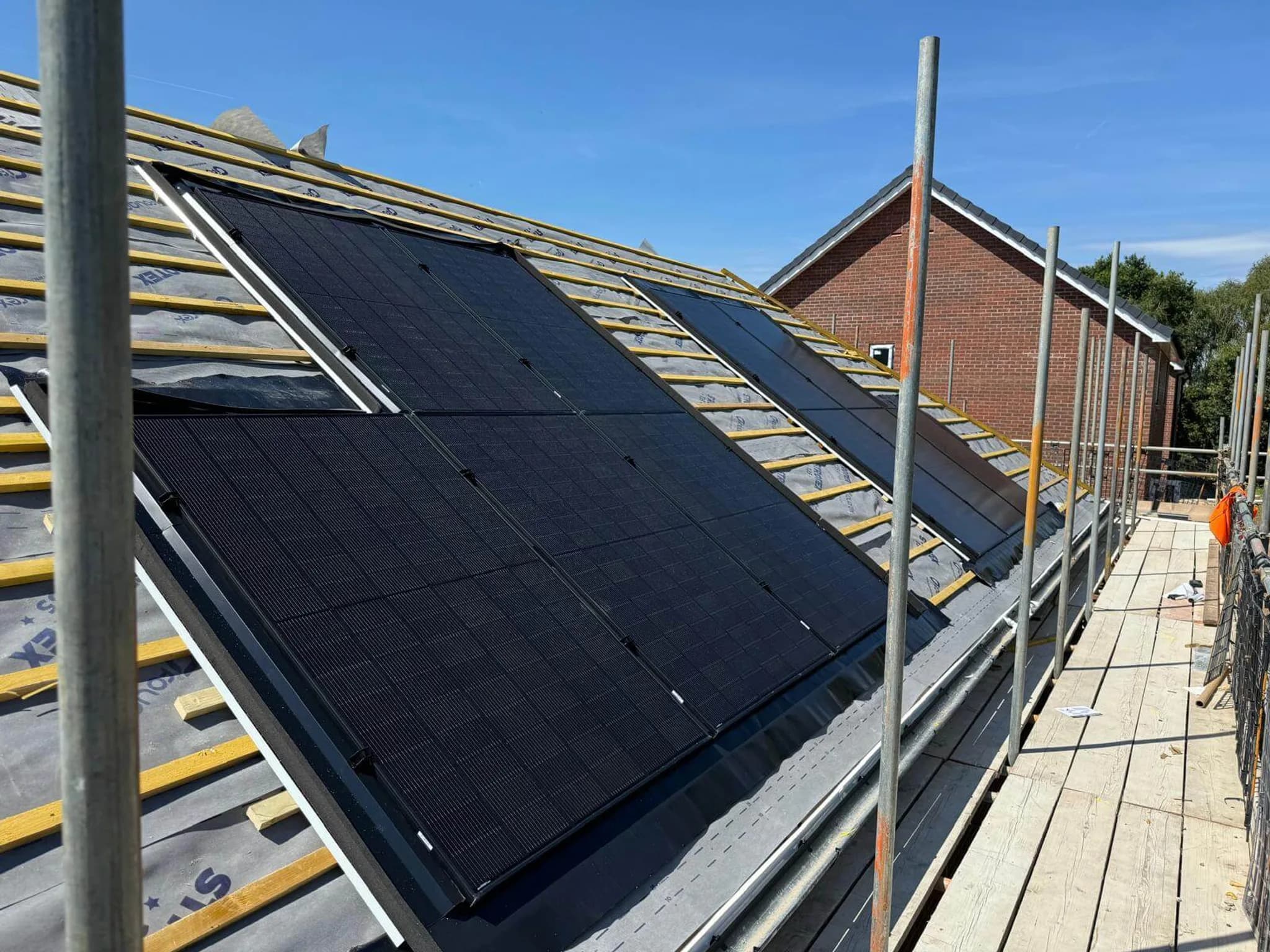
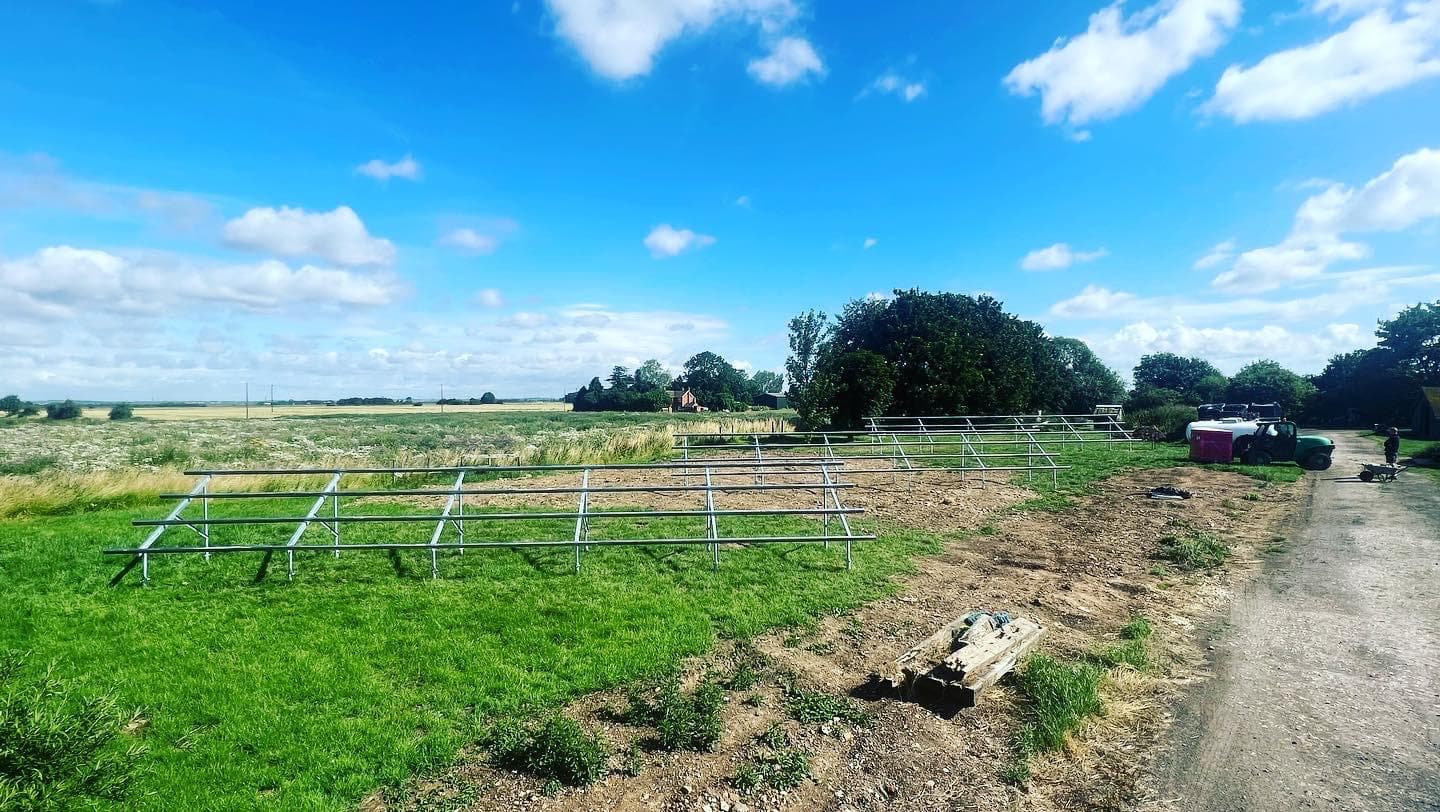
Over more than 30 years in the electrical and renewables trade, we have installed solar right across Lincolnshire, from compact homes to large agricultural and commercial sites, and the results back up the case for it here. On a poultry farm near Friskney, we designed and installed a 30.24kW ground-mounted array with 30kW of battery storage, using the farm’s spare land and heavy daytime demand to cut its reliance on the grid and steady its energy costs. For homeowners, we completed a 6.8kW system on a Lincolnshire home with a flat roof, proving that an awkward roof is rarely a barrier with the right approach.
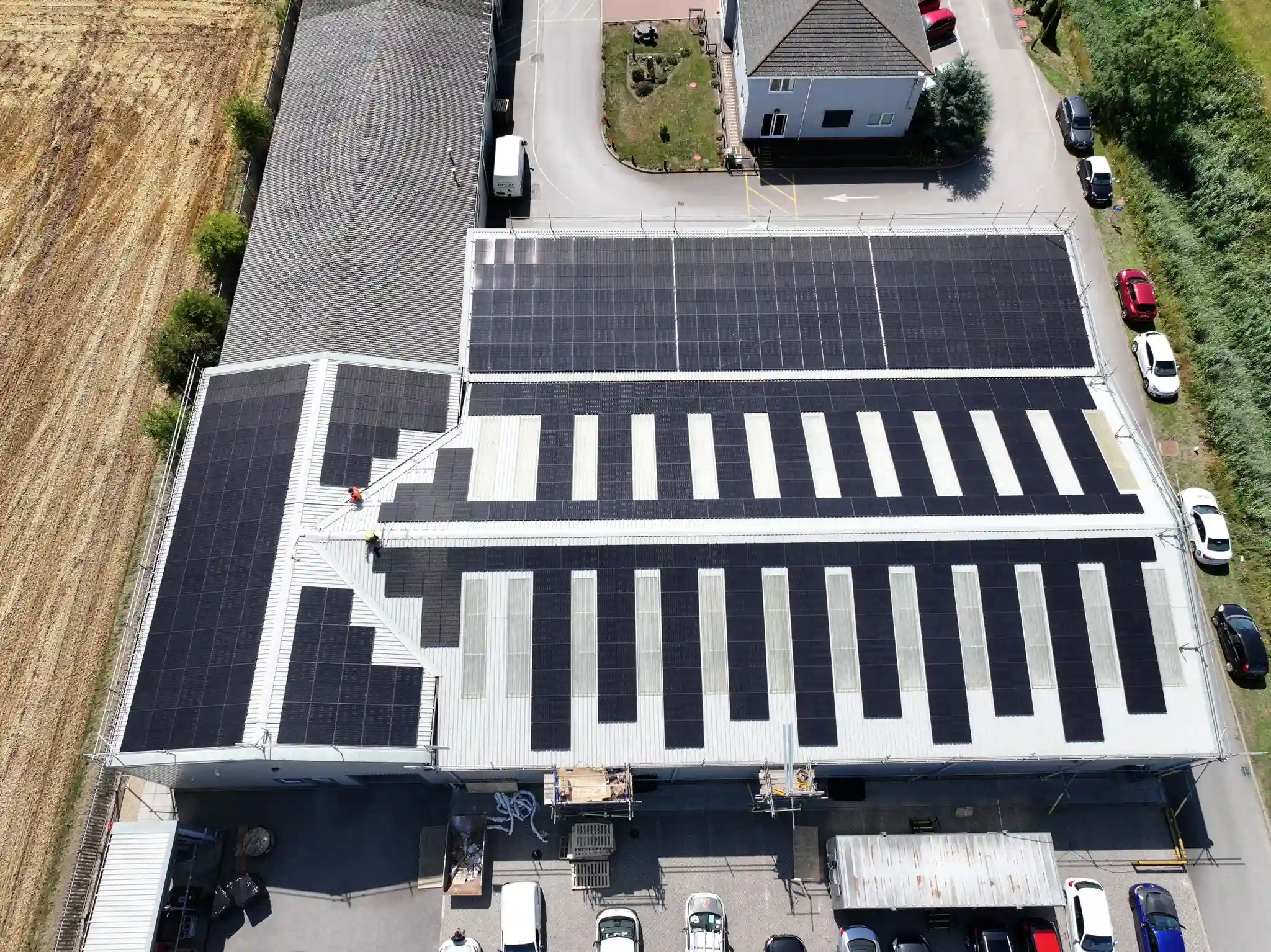
Our commercial work runs to much larger systems, including a 200kW array paired with 200kWh of storage and a 315kW rooftop installation, showing that the same principles scale from a single home to a major site. As an NICEIC approved, MCS certified and RECC registered installer, and an Octopus installation partner based in Skegness, we design every solar PV system around the property in front of us and build it to cope with local conditions, which on this coast matters more than most.
So, are solar panels worth it in Lincolnshire?
For the large majority of homes and businesses in the county, yes. Lincolnshire’s dry, sunny position in the east of England, high electricity prices, 0 per cent VAT until 2027 and payment for exported power combine to make a genuinely strong case, and the county’s rural, agricultural and off-gas-grid properties often stand to gain even more than average. The honest qualifier is the same everywhere, that it depends on your roof, your usage and whether you add storage, which is why a proper local assessment beats any online estimate.
If you would like to know what solar would realistically cost and save on your Lincolnshire property, get in touch with our team for honest advice and a tailored quote.