Professional Solar Panel Installers in Lincolnshire
Lincolnshire is well served by experienced, accredited solar installers, and choosing the right one matters just as much as choosing the right panels. A good installer designs a system around your property and how you actually use energy, fits it safely and to standard, and is still there if you need them years later. We are a Skegness-based solar and electrical company covering the whole county, and this guide explains what to look for in a solar panel installer in Lincolnshire, why local knowledge counts for so much here, and what a properly run installation should involve.
The clearest signs of a good installer are straightforward to check. They should hold the right accreditations, chiefly MCS certification for the renewable work and properly qualified electricians for the electrical side. They should belong to a consumer code such as RECC, carry a genuine local track record you can actually look at, and give you honest advice rather than a hard sell. Get those things right and you avoid the great majority of the problems people run into with solar. Below we go through each in turn.
What makes a good solar panel installer
The single most important credential is MCS certification, which stands for the Microgeneration Certification Scheme. It is the recognised quality standard for renewable installations in the UK, and it is also a practical necessity, because you generally need an MCS-certified installation to register for the Smart Export Guarantee and be paid for the electricity you export. Before committing to anyone, it is worth taking a moment to check that the installer is genuinely MCS certified, which you can do directly online.
Solar is as much an electrical job as a roofing one, so the people connecting your system should be qualified electricians working to the current BS 7671 wiring regulations. An installer with NICEIC approval has been independently assessed against those standards, which matters a great deal when a system is being wired into your home and onto the grid. It is also worth checking that an installer belongs to a recognised consumer code. Membership of the Renewable Energy Consumer Code gives you protection around contracts, deposits and workmanship, along with a clear route to follow if something ever goes wrong.
Beyond the badges, the best installers advise rather than sell. We would always rather tell someone their north-facing roof is a poor candidate, or that a smaller system suits their usage better, than talk them into spending more than they need to. A proper installer assesses your roof, your shading and how you genuinely use electricity before quoting, instead of reaching for an off-the-shelf package. Finally, ask who looks after the system once it is on the roof. Solar needs very little maintenance, but you want to know the company who fitted it will still answer the phone and come back out if you need them, rather than disappearing once the invoice is paid.
Why local knowledge matters in Lincolnshire
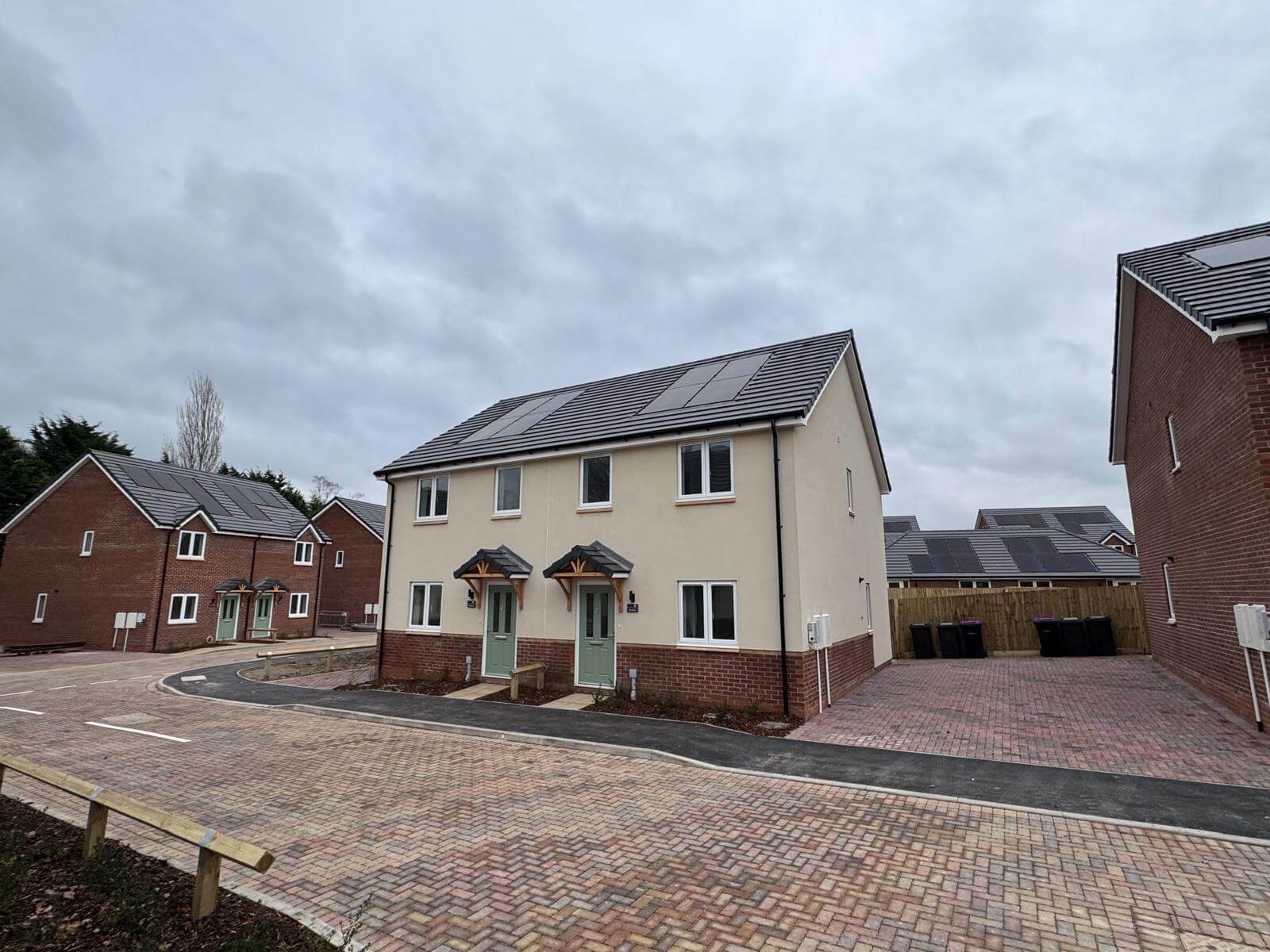
Lincolnshire is a varied county to install in, and an installer who knows it brings real advantages. Along the coast around Skegness, salt air and exposed weather put extra demands on fixings and equipment, so components need to be specified to cope rather than chosen on price alone. Inland, the county’s farms and rural properties often suit ground-mounted arrays and larger systems, while a growing number of new builds and barn conversions bring their own design considerations.
From working across the county, we have found that this mix rewards an installer who tailors each system to its setting. A coastal bungalow with a flat roof, an arable farm with spare land, and a new build on the edge of a market town are three very different jobs, and treating them the same is how systems end up underperforming.
Choosing a local installer over a national company
In our experience, choosing a local, MCS-certified installer works better than going with a large national, sales-led company because you deal directly with the people who design and fit your system, rather than a call centre and a subcontracted crew who move straight on to the next region. A local team knows the property types and coastal conditions here, can get back out to you quickly for aftercare, and has a reputation in the area to protect. National operators can do good work, but the distance between the salesperson and the people actually on your roof too often shows in the result.
What a properly run installation looks like
A good installation follows a clear path. It starts with a site survey, where the installer checks your roof structure, orientation, shading and existing electrics, and talks through how you use energy. From there comes a tailored design and a clear quote, with no pressure to sign on the day. The installation itself is usually completed in a day or two for a domestic system, after which the installer commissions everything, tests it properly and registers the system on your behalf. A thorough handover should leave you knowing how to monitor your generation, what your warranties cover, and who to call with any question. We treat the handover as part of the job rather than an afterthought, because a system you understand is one you will get the most from.
Solar for homes and businesses across Lincolnshire
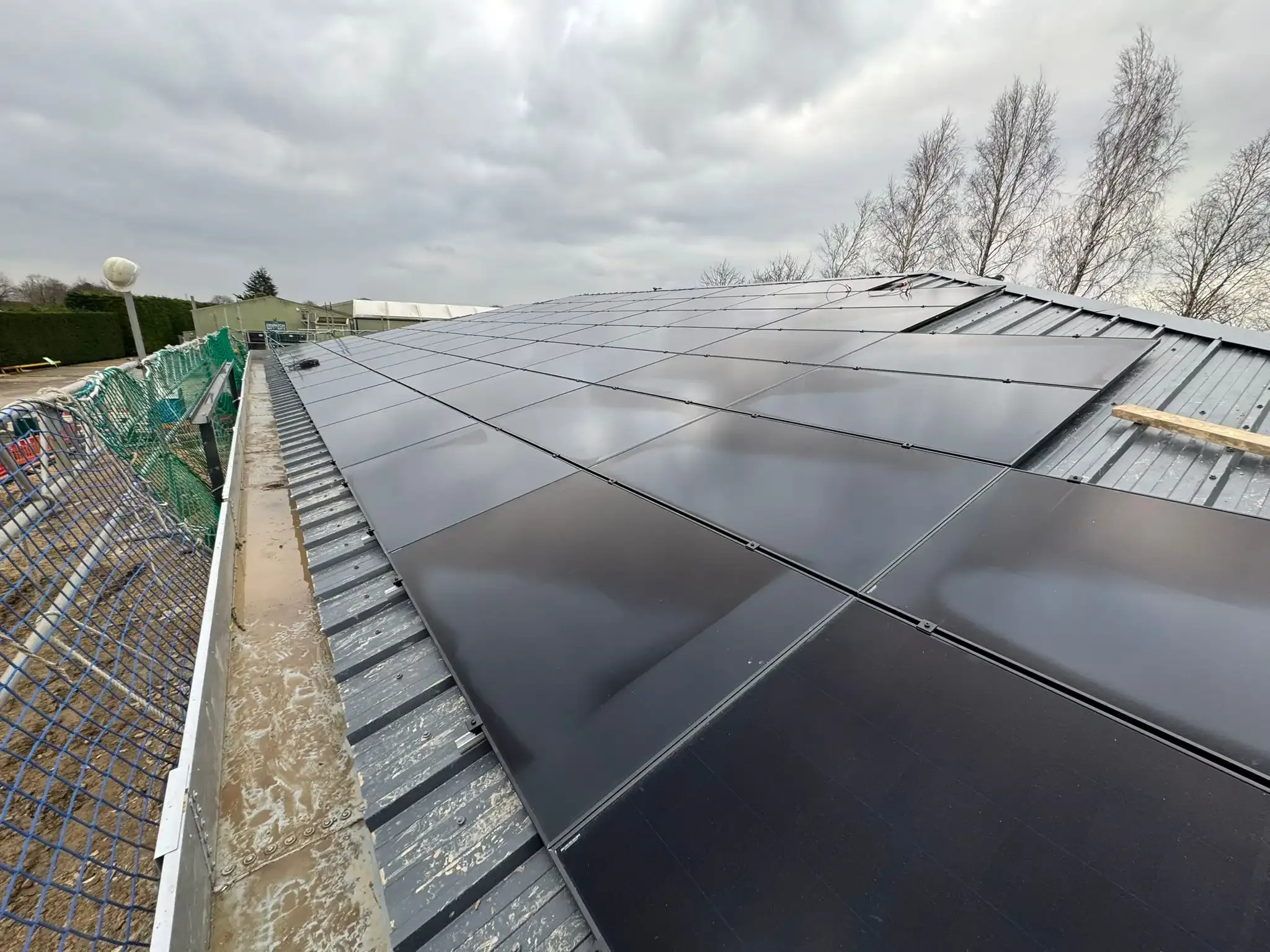
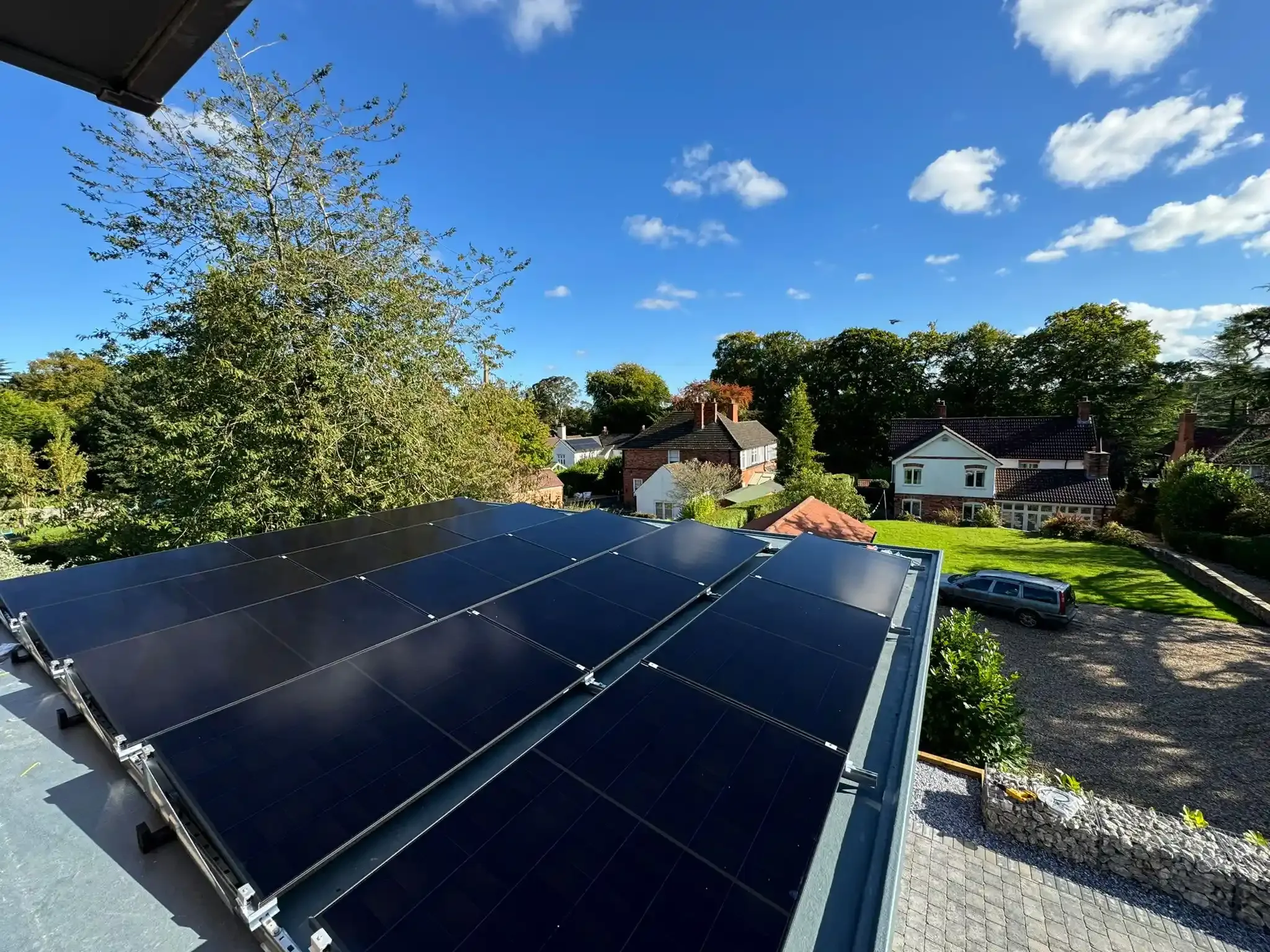
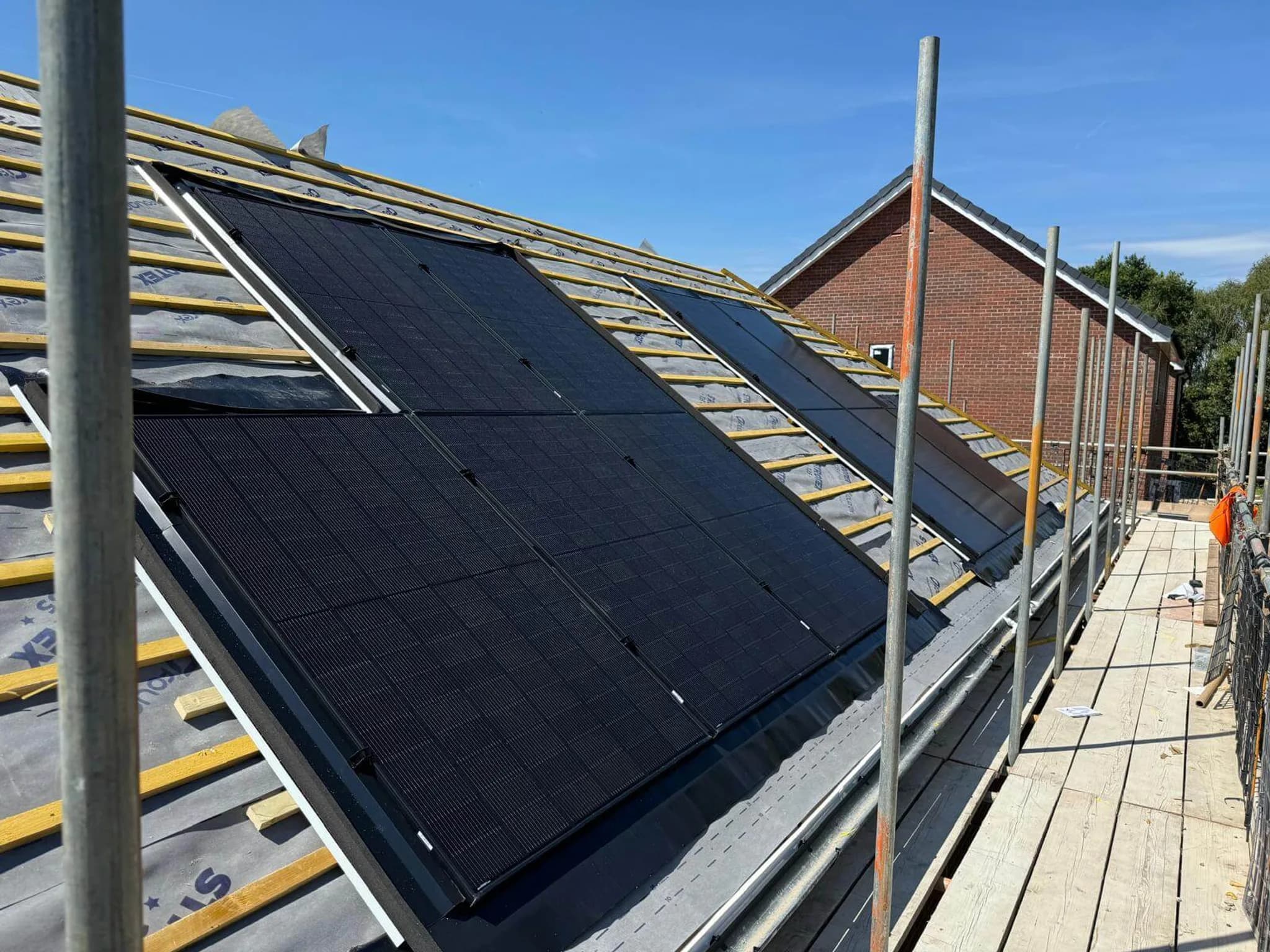
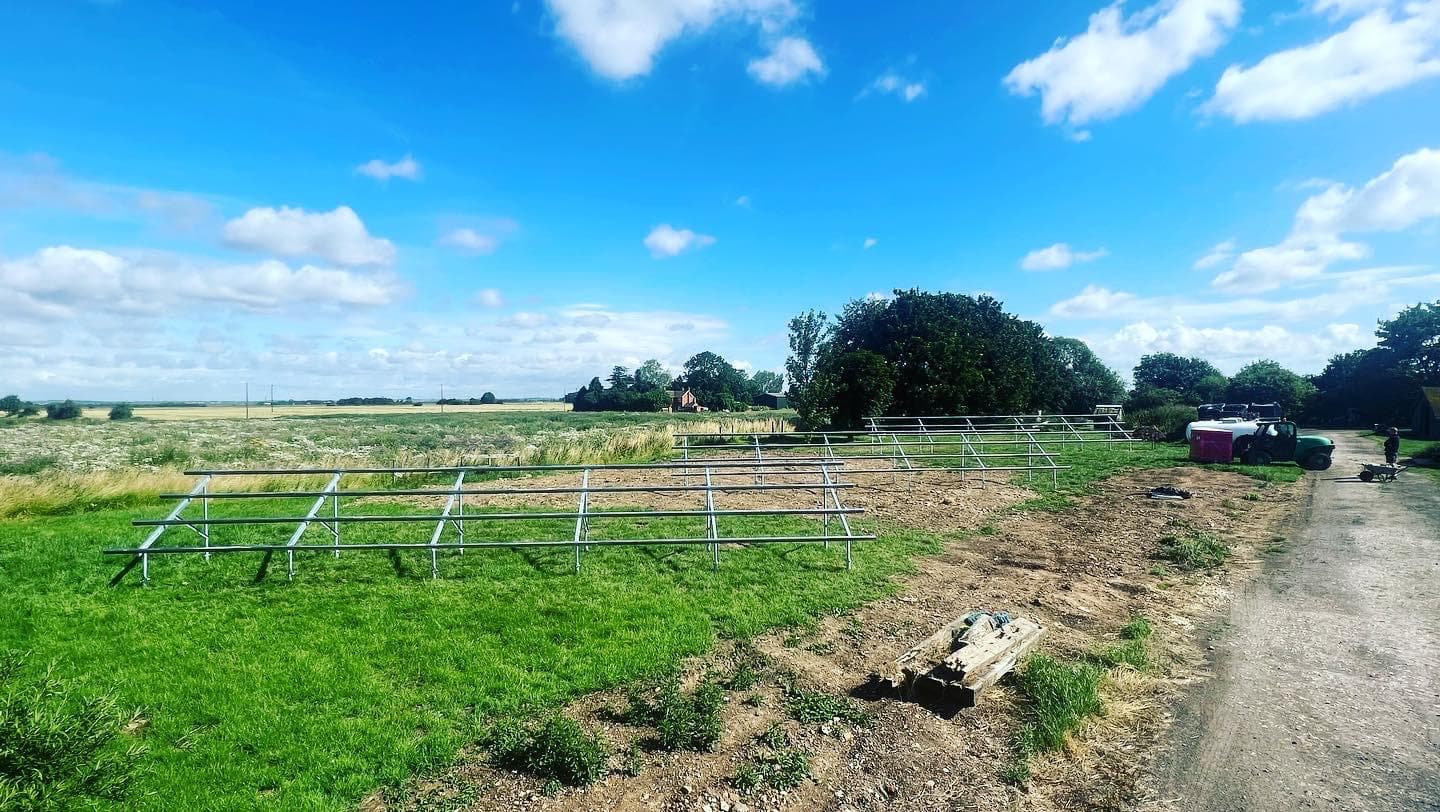
The right installer should be comfortable working at whatever scale you need, and over more than 30 years in the electrical and renewables trade we have done exactly that across Lincolnshire. For homeowners, we recently completed a 6.8kW system on a property with a flat roof, the kind of job that proves an awkward roof is rarely a barrier with the right approach. On farmland near Friskney, we designed and installed a 30.24kW ground-mounted array with 30kW of battery storage for a poultry farm, cutting its reliance on the grid and the cost of running ventilation and environmental controls around the clock.
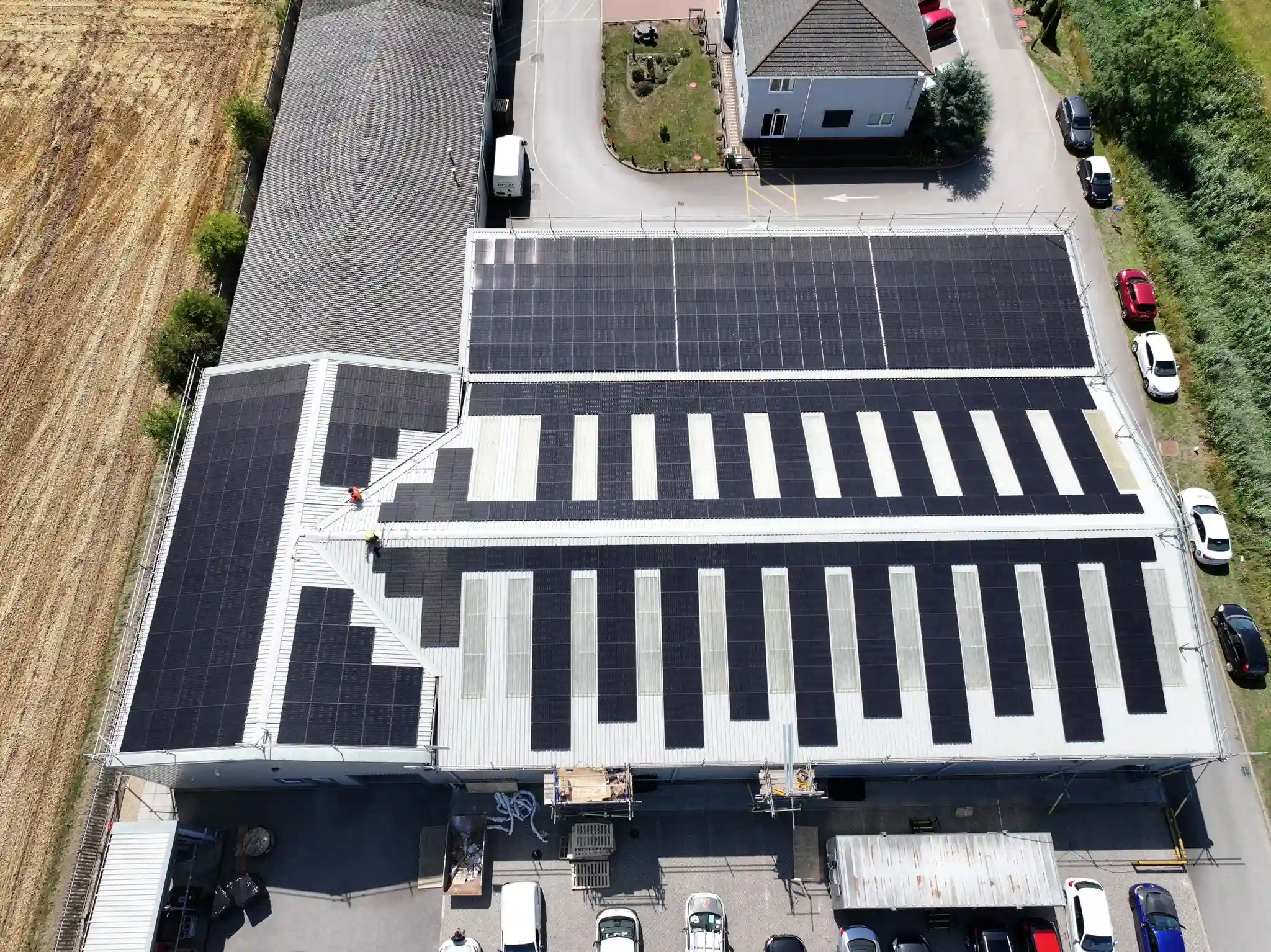
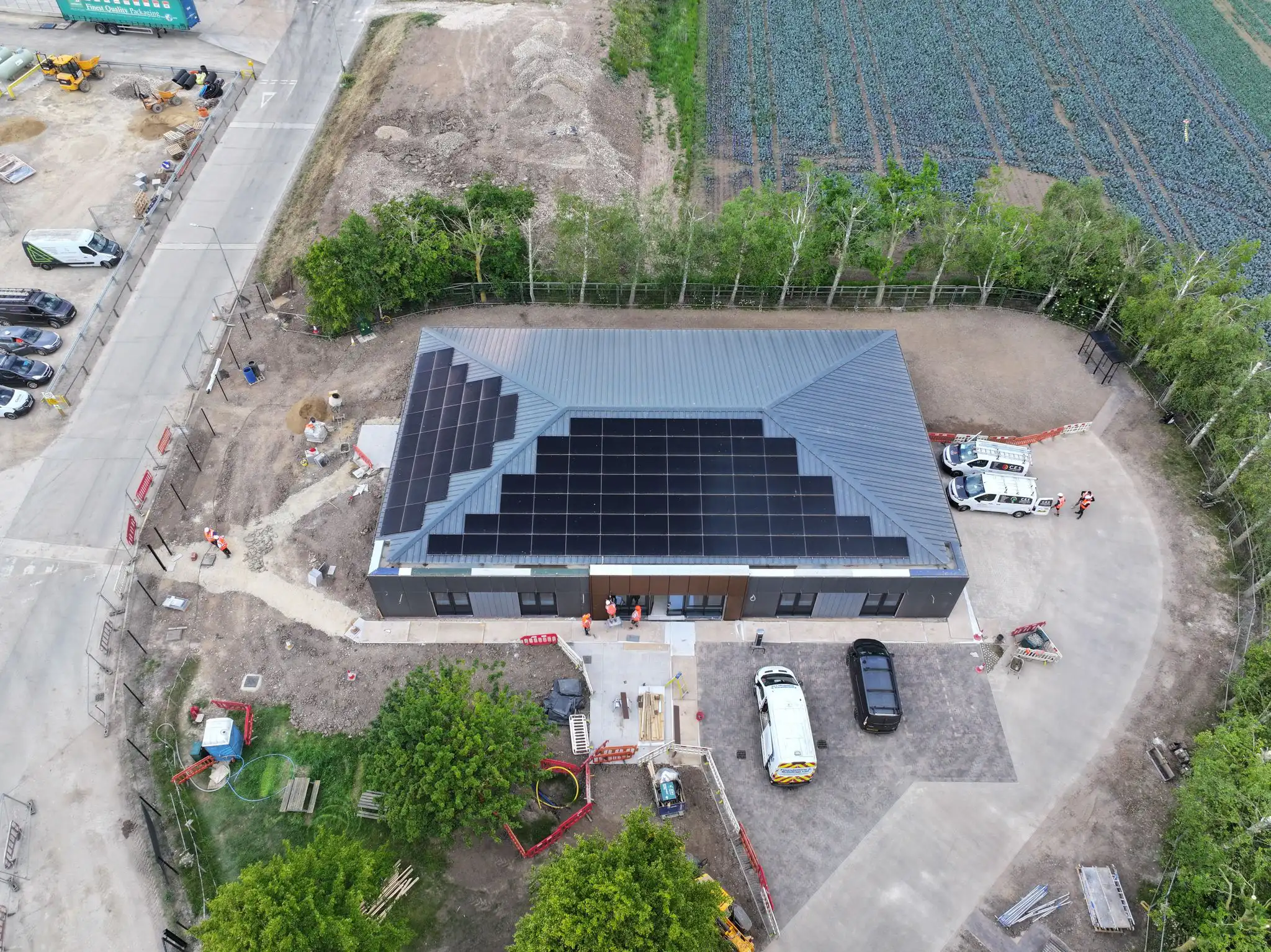
For businesses the systems can be considerably larger, with our commercial work running to a 200kW solar array paired with 200kWh of battery storage and a 315kW rooftop installation for a distribution centre. You can see the range of projects we have delivered for homes, farms and commercial sites across the county. Whatever the scale, the fundamentals stay the same, a properly designed system, safe installation, and equipment chosen to last.
Why choose CES for solar in Lincolnshire
We are an NICEIC approved, MCS certified and RECC registered installer, and an Octopus installation partner based in Skegness, covering homes and businesses throughout Lincolnshire. We design every solar PV system around the property in front of us, fit it with our own experienced team, and stay on hand for the years that follow. If you are still weighing up whether solar panels are worth it before deciding who should fit them, that is a fair question to settle first.
When you are ready to talk to a local installer, get in touch with our team for honest advice and a tailored quote for your home or business.